

The First Earth Day Ignites a Global Environmental Movement
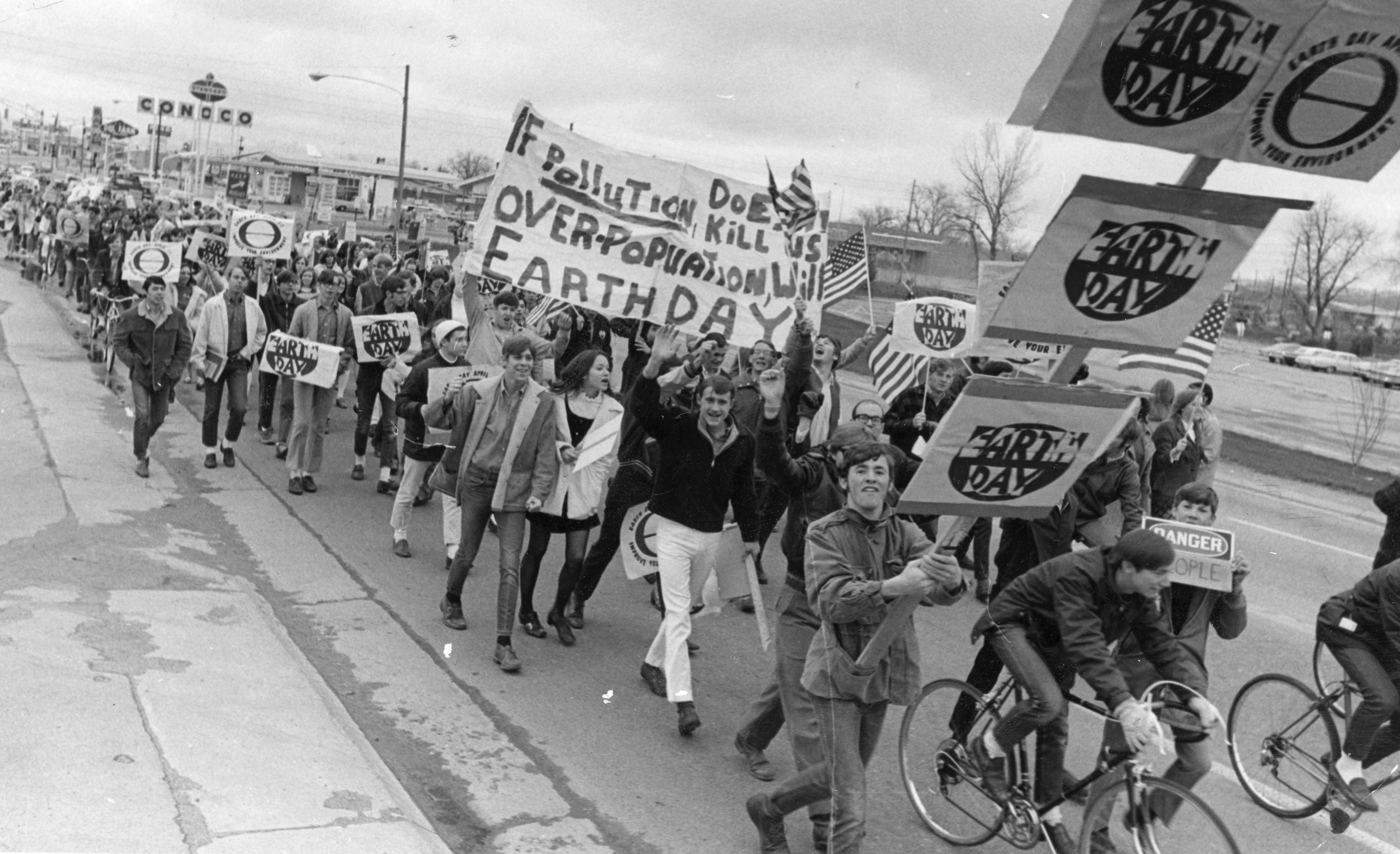
What started as a teach-in became the largest civic demonstration in U.S. history—and changed the environmental conversation forever.
What Happened?
The idea came from Senator Gaylord Nelson, who had watched an oil spill devastate Santa Barbara, California in 1969. Inspired by the energy of the anti-war movement, he called for a national day of teach-ins to raise awareness of the environmental crisis. April 22—chosen to fall between spring break and final exams—became the date. Activist Denis Hayes was tapped to organize the effort, and he rallied a team of 85 staffers to spread the word nationwide.
Earth Day 1970 brought together an unlikely alliance: Republicans and Democrats, urban dwellers and rural farmers, labor unions and environmentalists. Across the country, rallies, cleanups, teach-ins, and protests drew attention to oil spills, pesticide use, smog, deforestation, species loss, and more. In cities like New York and Chicago, traffic was shut down so people could gather in the streets. The message was clear: the environment is not a partisan issue—it’s a human one.
This first Earth Day catalyzed a wave of groundbreaking environmental legislation. Within the year, the U.S. Environmental Protection Agency (EPA) was born. Congress passed the Clean Air Act, Clean Water Act, and Endangered Species Act soon after. Suddenly, protecting nature and public health wasn’t just a fringe idea—it was federal law.
The momentum didn’t stop. In 1990, Earth Day went global, with 200 million people in 141 countries participating. The 2000s saw a growing emphasis on climate change, renewable energy, and global justice. By 2016, world leaders used Earth Day to sign the landmark Paris Agreement. And by the 50th anniversary in 2020, over a billion people participated—online and in the streets—making it the largest coordinated environmental action in human history.
From its origins in protest to its evolution into a global civic ritual, Earth Day is a reminder that when people organize, pressure power, and dream boldly, change is not only possible—it’s inevitable.
Why It Matters
Earth Day wasn’t just a moment—it was a movement. It proved that ordinary people can rise up and demand systemic change. That corporations and governments can be held accountable. And that clean air, water, and a livable planet are not luxuries—they are rights. From legislation to education to international treaties, Earth Day shifted our collective imagination toward a future worth fighting for. And the fight isn’t over. Climate justice, biodiversity, and sustainability still require bold action and fierce hope. The Earth can’t wait.
?
What specific environmental disasters inspired the first Earth Day?
How did bipartisan cooperation shape the success of early environmental laws?
What role did students and young people play in the original Earth Day?
How has Earth Day evolved from 1970 to today in terms of focus and participation?
What are some of the most urgent environmental challenges we face today, and how can Earth Day help address them?
Dig Deeper
The first Earth Day was in 1970. What’s changed since? Our population has doubled. We’re emitting 2.6 times more CO2. Sea levels have risen 12 centimeters. But the world has also changed for the better. See how our actions since 1970 have added up.
Related
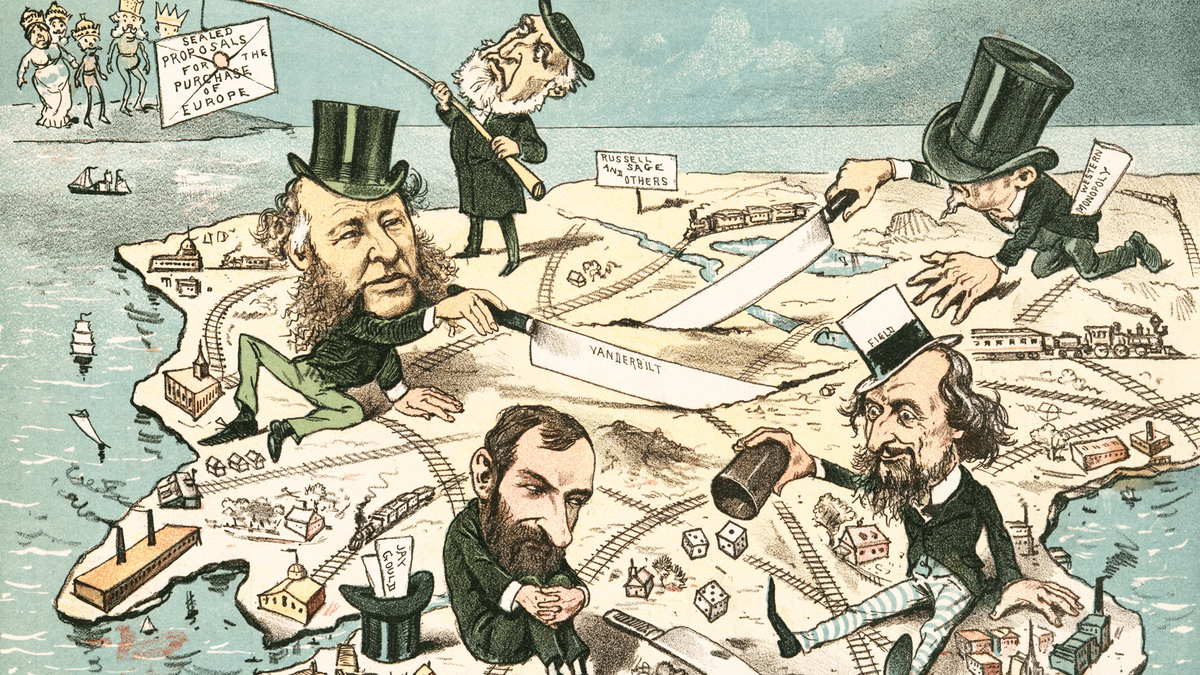
The Gilded Age: Glitter, Growth, and the Cost of Progress
A glittering era of innovation and industry, the Gilded Age promised progress but delivered inequality. In the South, leaders dreamed of a 'New South,' yet industrialization offered opportunity for some while reinforcing systems of poverty and discrimination for others.
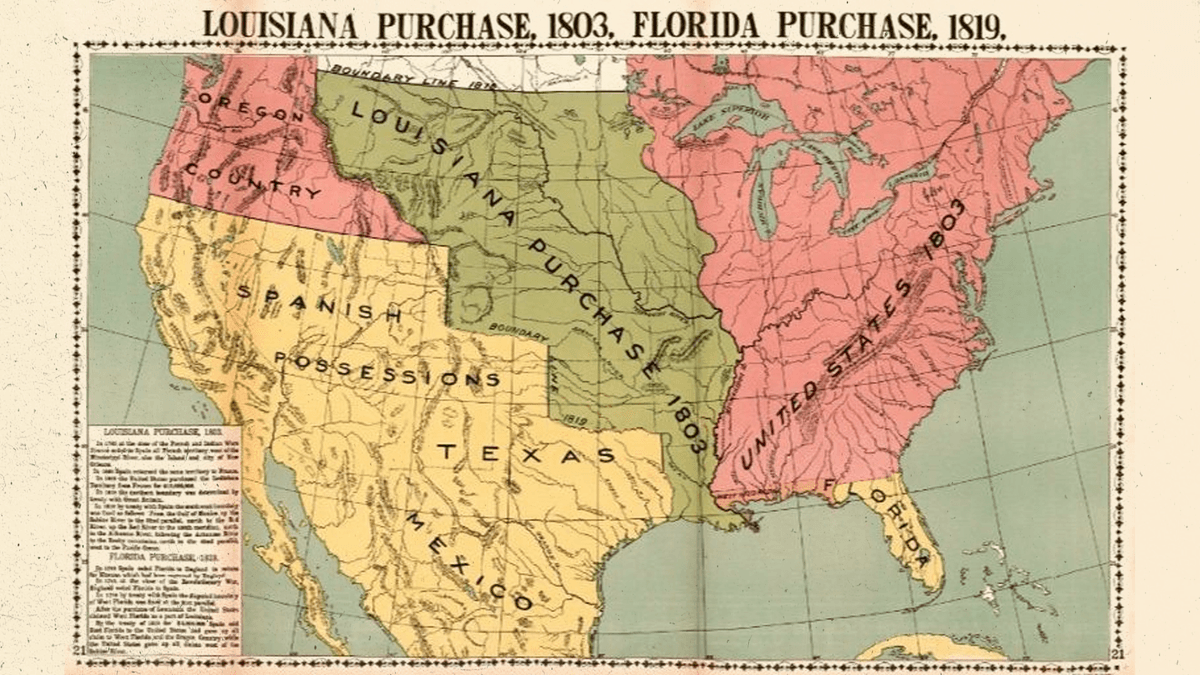
The Louisiana Purchase: A River, A Bargain, and a Bigger United States
In 1803 the United States bought the vast Louisiana Territory from France, doubling the nation’s size, securing the Mississippi River, and setting the stage for westward expansion and hard questions about slavery and Native sovereignty.
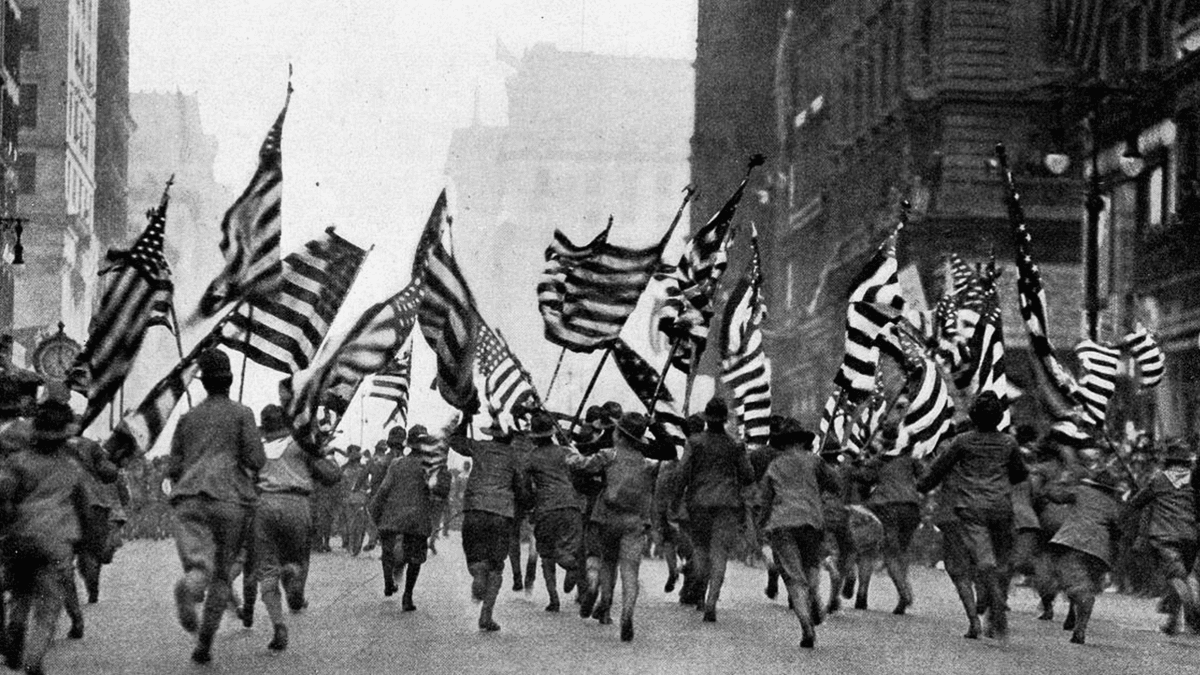
Why the United States Entered World War I
In 1917, after years of neutrality, the United States entered World War I—reshaping global politics and transforming life at home.
Further Reading

Stay curious!