

The Easter Rising: Ireland Rebels Against British Rule
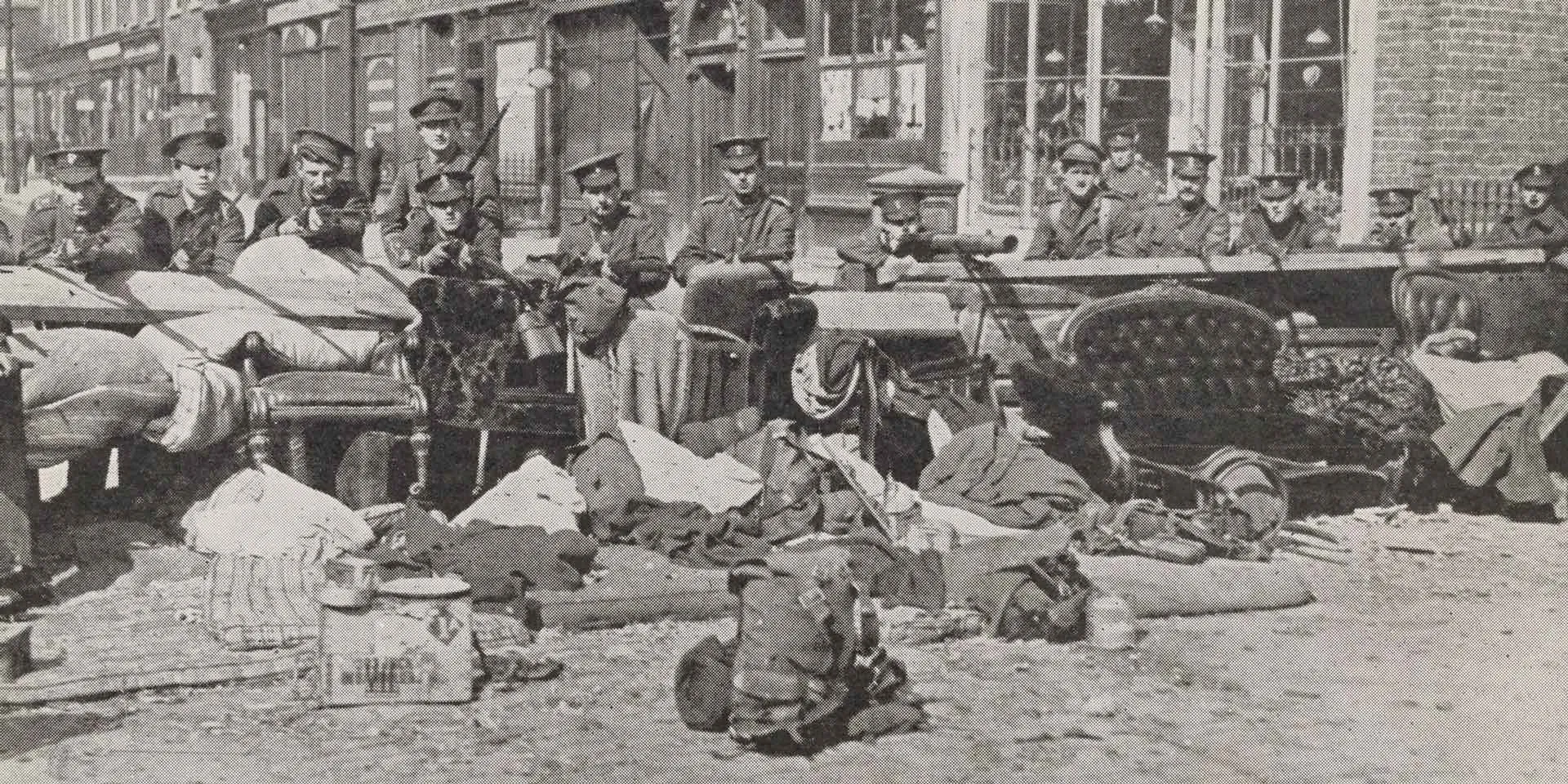
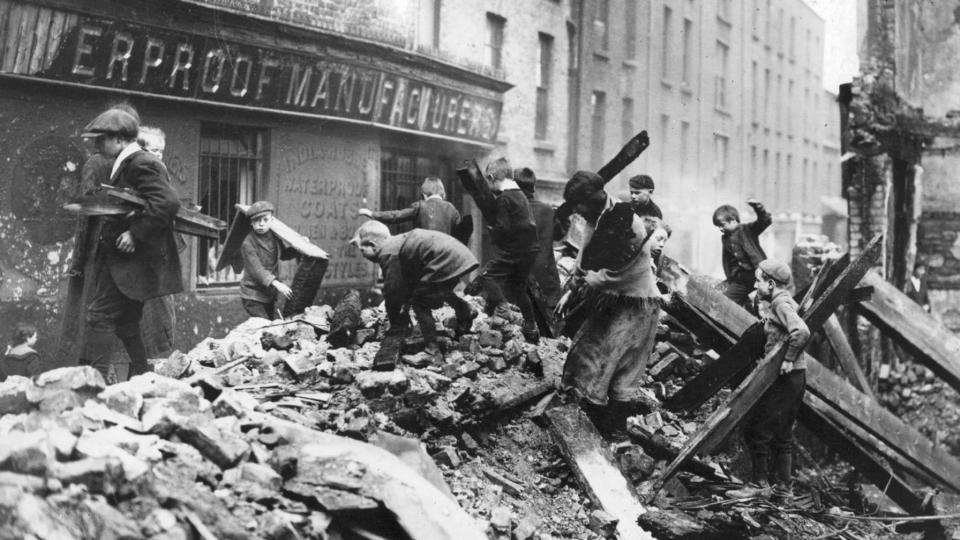
Irish rebels and British soldiers clashing during the Easter Rising of 1916
What Happened?
On April 24, 1916, members of the Irish Republican Brotherhood and the Irish Citizen Army, led by Patrick Pearse and James Connolly, stormed British government buildings across Dublin and occupied the General Post Office (GPO), where they read aloud a proclamation of the Irish Republic.
Despite a bold beginning, the Rising lacked both resources and strategic positioning. British forces were caught off guard, but quickly responded, bringing in troops and artillery from across Ireland and Britain. Urban warfare broke out across the capital, with houses, streets, and landmarks becoming battlegrounds.
After six days of fighting and heavy bombardment, the rebels were surrounded and overwhelmed. The GPO was shelled into ruin. On April 29, the leaders surrendered unconditionally. Casualties included over 400 British and Irish soldiers and civilians. The violence left large parts of Dublin in rubble.
Public opinion initially condemned the uprising, especially among Dubliners with sons fighting in World War I. But the mass arrests and the execution of 16 leaders, including Pearse and Connolly, outraged the population and turned the tide of sympathy toward the rebel cause.
Though the rebellion failed militarily, it succeeded politically. Within five years, most of Ireland had won its independence. And the ideals shouted over crackling gunfire in 1916? They lived on—in every ballot box, hunger strike, and call for sovereignty that followed.
Why It Matters
The Easter Rising showed that even in defeat, resistance can plant seeds that bloom later. It reframed Irish nationalism as not just a cultural longing, but a political demand. Though Ireland’s independence would come through war and negotiation years later, the Easter Rising was its emotional and symbolic beginning—a defiant refusal to accept empire as destiny.
?
Why did the Irish rebels choose to launch the Easter Rising during World War I?
How did public opinion in Ireland shift after the execution of the Rising’s leaders?
What role did the British response play in galvanizing support for Irish independence?
In what ways did the tactics of the Easter Rising influence future resistance movements?
Why was the General Post Office such a symbolic location for the rebellion?
Dig Deeper
This animated short traces Ireland’s path to the Easter Rising, exploring how political delays, nationalist fervor, and wartime pressures led to a full-blown rebellion in Dublin.
Related
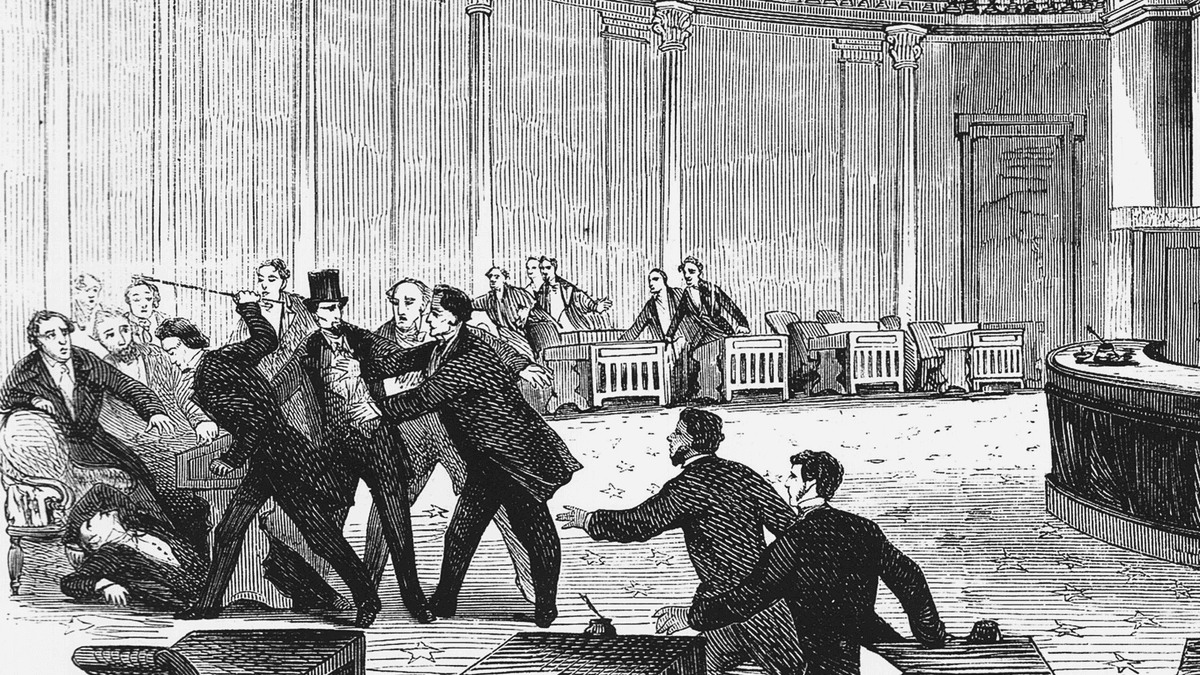
Prelude to War – Sectional Tensions and Failed Compromises
The uneasy balance between free and slave states collapsed in the 1850s, as 'compromises' like the Compromise of 1850 and Kansas-Nebraska Act inflamed tensions instead of easing them.
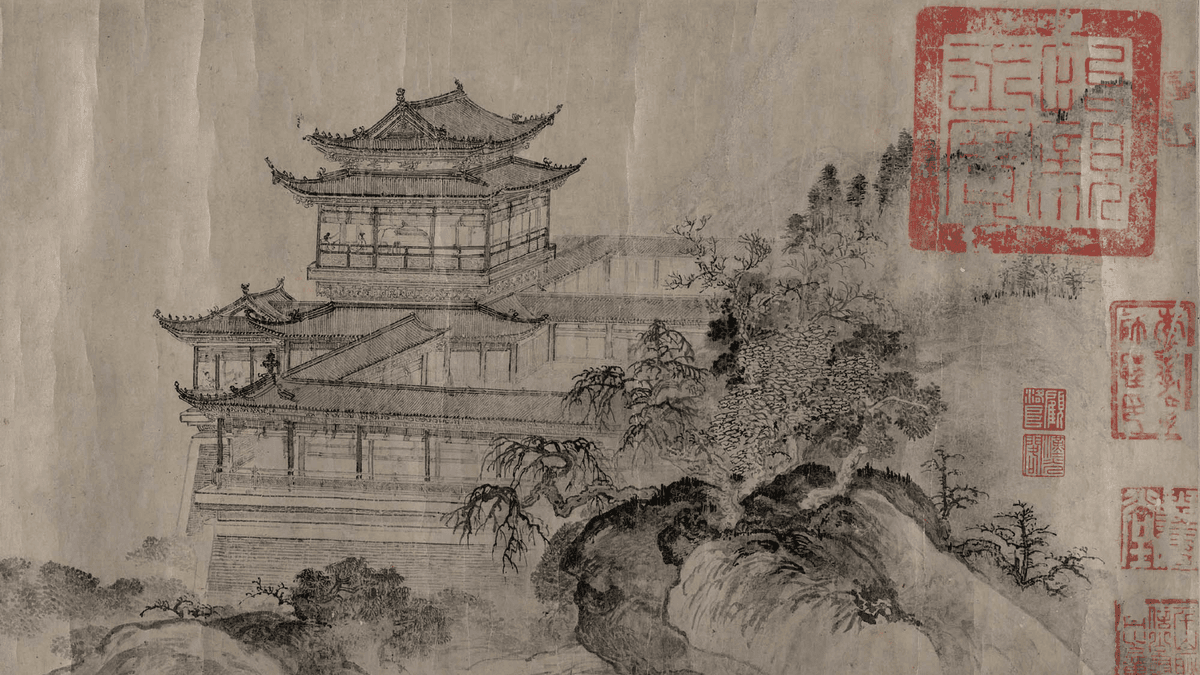
Developments in East Asia, 1200–1450
From Confucian bureaucracies to booming cities, East Asia between 1200–1450 reshaped global politics, culture, and technology.
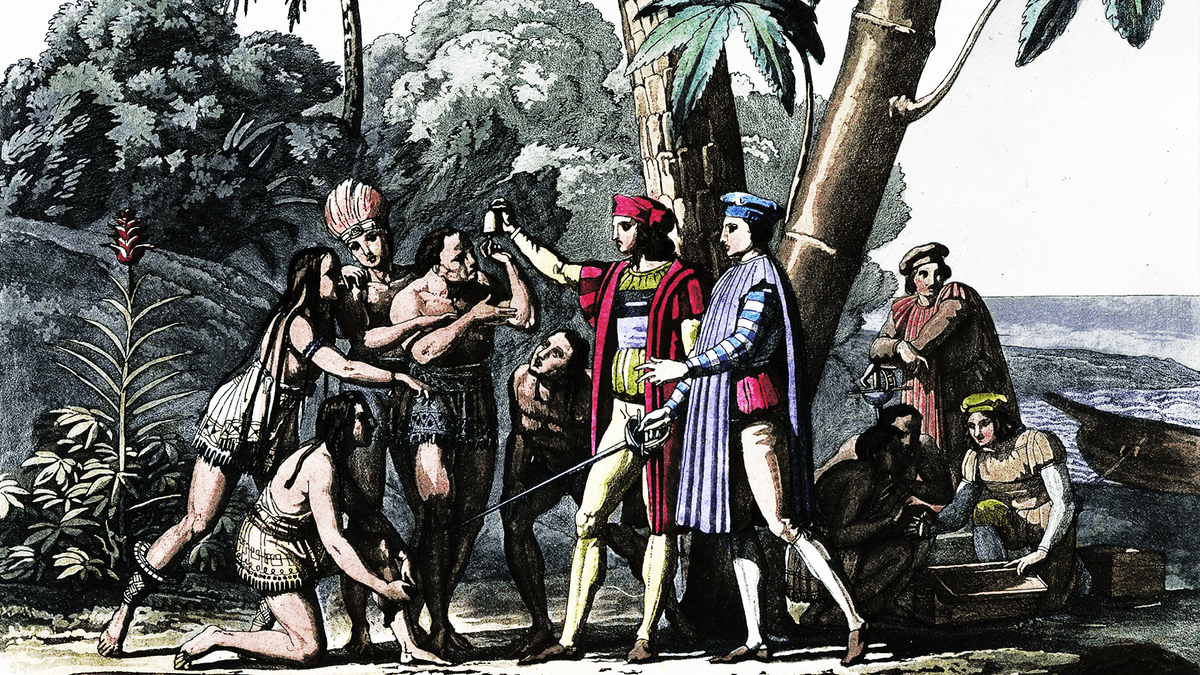
The Columbian Exchange: When Worlds Collided
When two previously isolated worlds collided in 1492, the resulting biological, cultural, and economic transformation reshaped every corner of the globe. The Columbian Exchange was not just a swap—it was a world-changing, world-breaking chain reaction.
Further Reading
Stay curious!