

The Flint Water Crisis Begins: A City's Trust Corroded
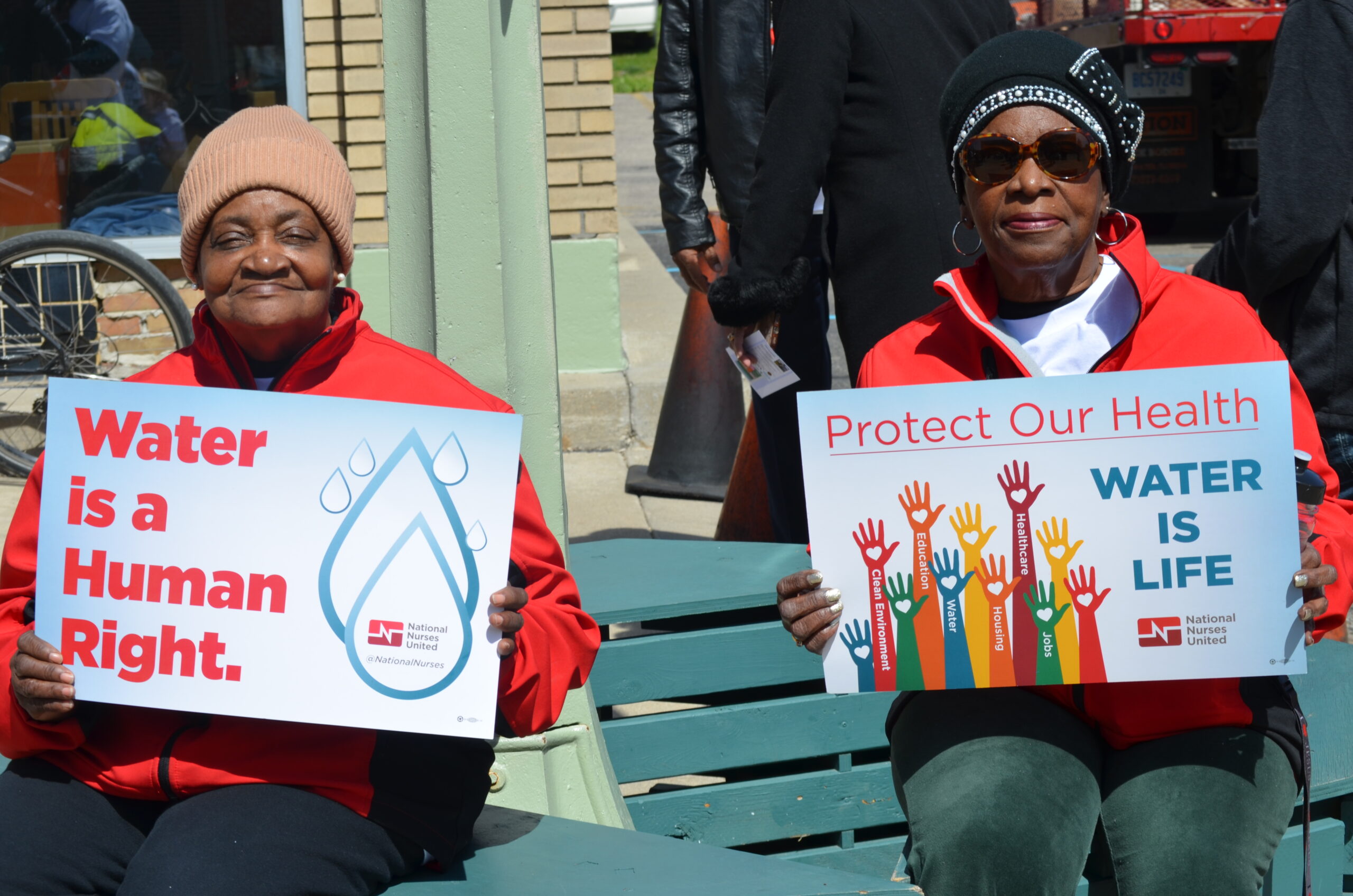
Flint’s water crisis was not just an accident—but the predictable outcome of ignoring poor and minority communities.
What Happened?
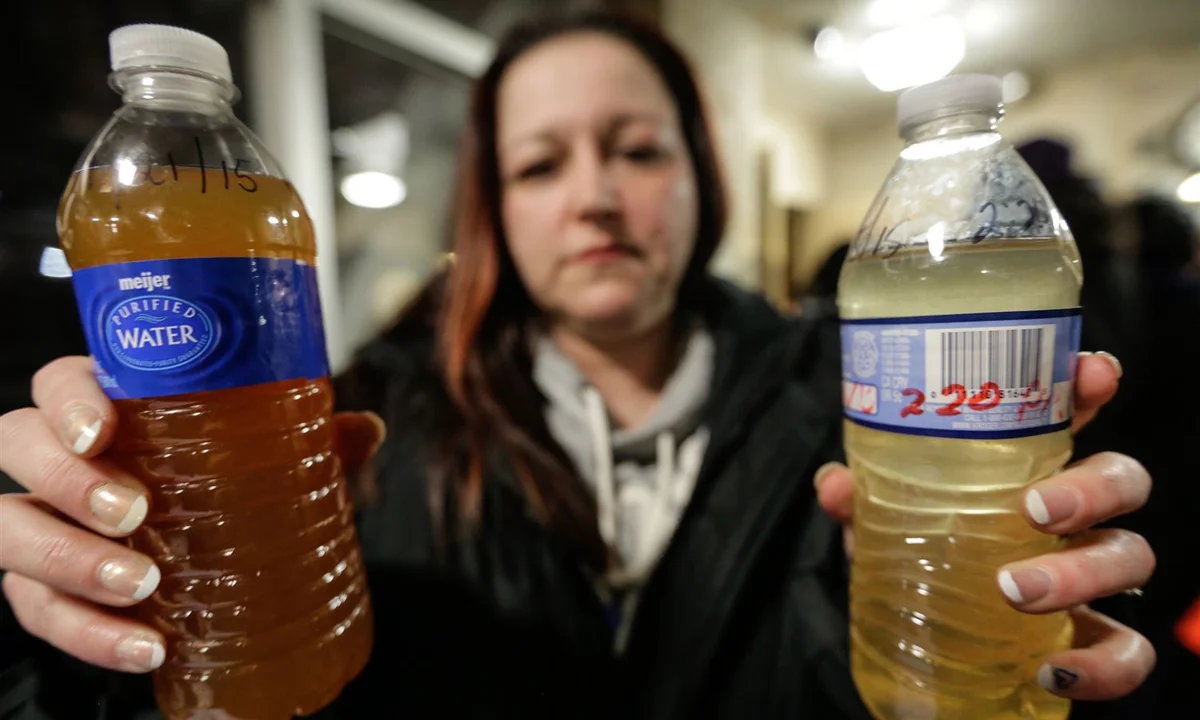
Facing a budget crisis, Flint officials switched the city's water source to the Flint River in April 2014—long notorious for industrial pollution—without treating it properly to prevent corrosion. Within weeks, residents noticed their water was brown, smelly, and suspicious. Officials assured them it was safe.
By summer, E.coli, coliform bacteria, and later Legionnaires’ disease began to surface. But the true bombshell came when researchers and doctors proved that the water was heavily contaminated with lead—a neurotoxin that can cause irreversible brain damage, particularly in children.
Despite mounting evidence, officials denied the problem for more than a year. It wasn’t until a leaked EPA memo, lawsuits, and relentless activism by Flint residents forced their hand that the state, and eventually the president, declared a state of emergency in early 2016.
Even after switching back to safer water sources, the damage was done: Flint's pipes were corroded, and its people betrayed. Thousands of children were exposed to lead. Trust in government evaporated.
The Flint crisis spotlighted a brutal truth: environmental injustice isn’t a relic of the past. It remains a toxic presence wherever political expediency outweighs basic human rights. Flint’s fight for clean water continues today—a decade later—as residents still push for pipe replacements, health reparations, and justice.
Why It Matters
The Flint Water Crisis showed America that clean water is not a privilege—it’s a right under constant threat, especially for marginalized communities. Flint's tragedy is a case study in systemic racism, governmental neglect, and the extraordinary power of grassroots activism. It reminds us that public health must never be sacrificed for political convenience—or economic austerity.
?
What systemic factors allowed the Flint Water Crisis to happen and go unaddressed for so long?
How did citizen activism and independent researchers play a role in exposing the crisis?
What long-term health effects are associated with lead exposure, especially in children?
How does the Flint crisis connect to broader issues of environmental racism in the United States?
What legal and policy changes have been made—or are still needed—since the Flint Water Crisis?
Dig Deeper
Flint, Michigan, tried to save money on water. Now its children have lead poisoning. Joe Posner explains.
Related
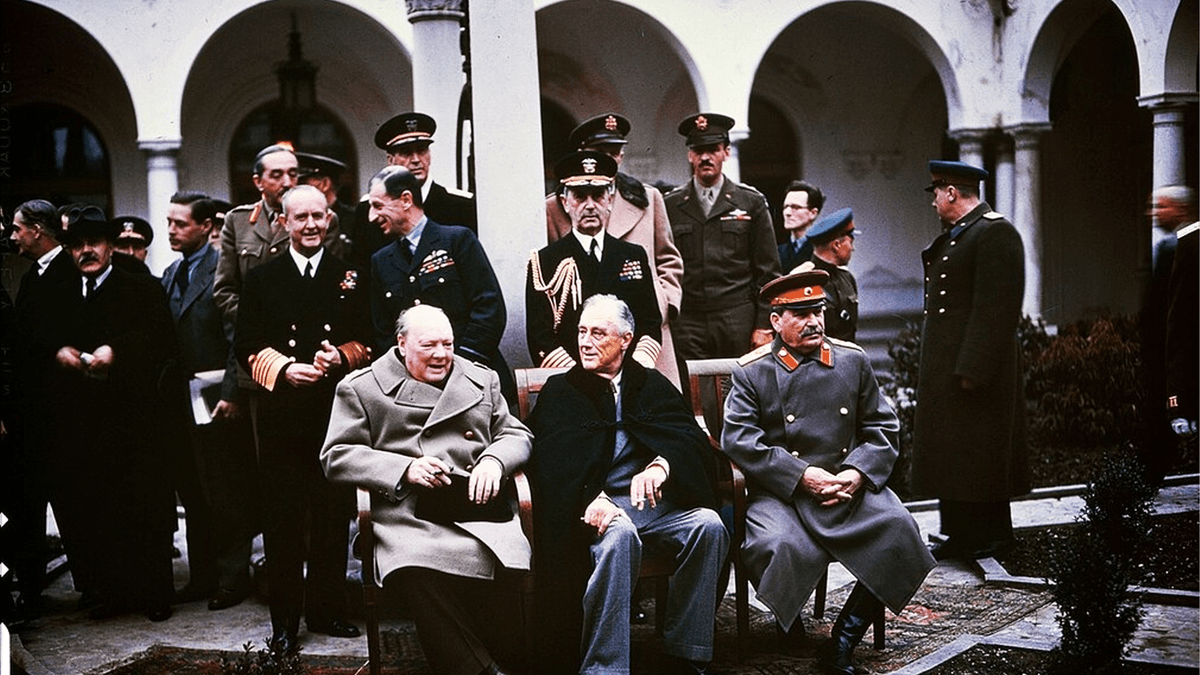
The Cold War & Fear at Home: Ideology, Power, and Public Anxiety
A global rivalry shaped by fear, ideology, and the constant tension between freedom and security.

The U.S.-Mexico War
On May 13, 1846, the U.S. Congress declared war on Mexico. Behind the scenes? Land lust, slave politics, and a president with a map in one hand and a match in the other.
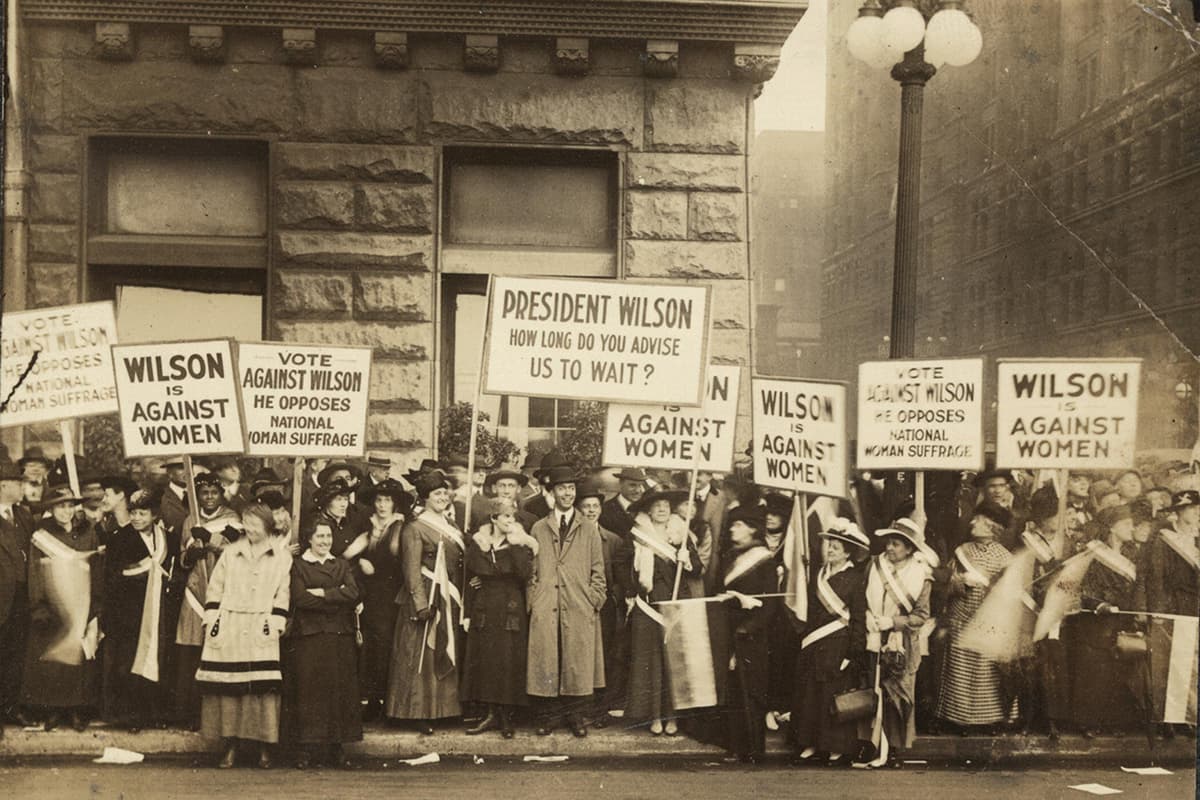
Votes for Women: The Fight for the 19th Amendment
It took more than 70 years of protests, petitions, and picket lines to win the right for women to vote in the United States. The 19th Amendment didn’t just expand democracy—it redefined it.
Further Reading
Stay curious!