

Muhammad Ali Refuses Army Induction: 'I Ain't Got No Quarrel'
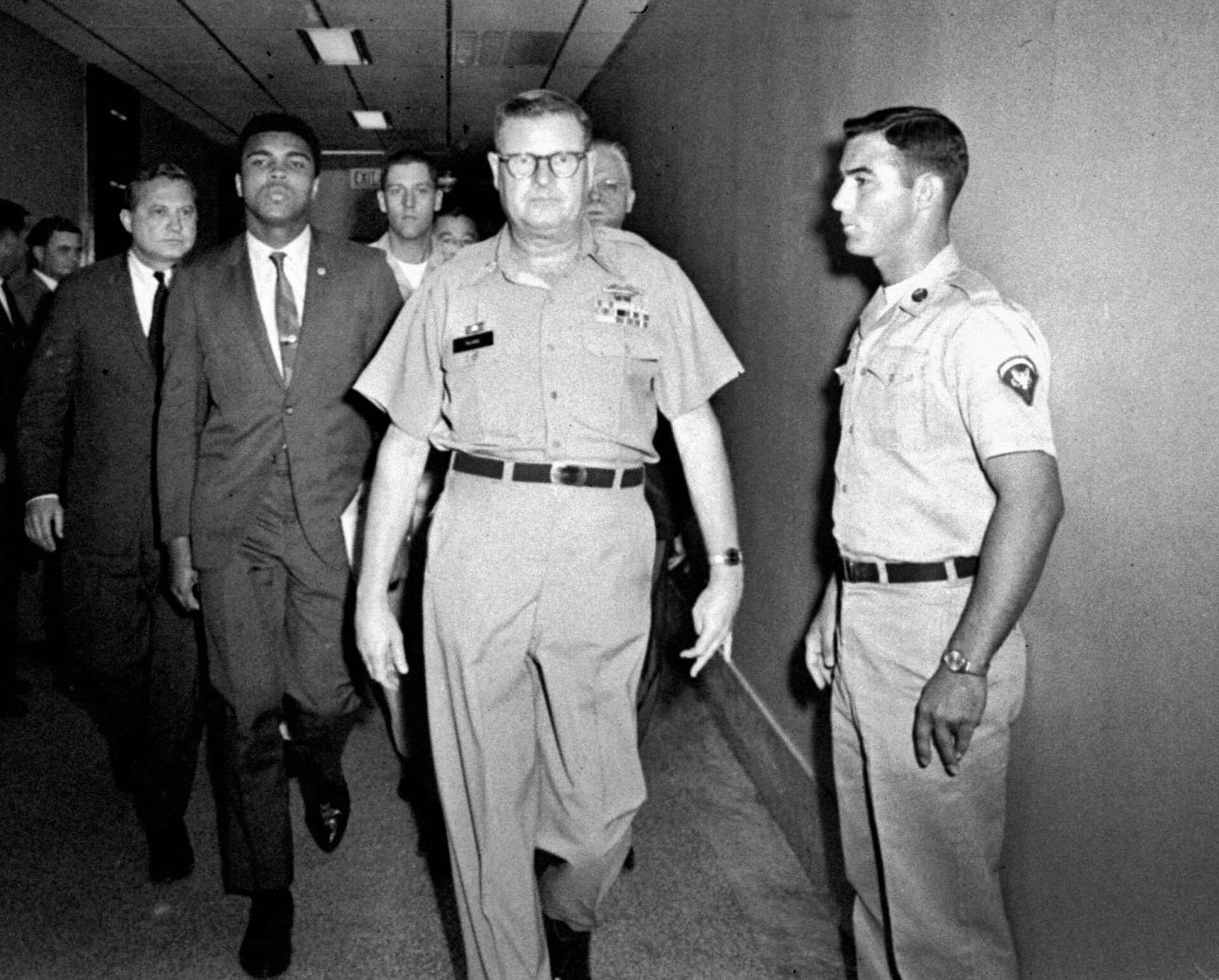
When Ali refused to step forward at the draft board, he wasn’t just dodging a war—he was standing tall for a generation questioning authority, injustice, and imperialism.
What Happened?
Born Cassius Clay, Muhammad Ali rose from Louisville’s streets to the global boxing stage, dazzling crowds with his speed, confidence, and outspokenness. After converting to Islam in 1964, Ali viewed the Vietnam War through a lens of racial injustice and religious duty.
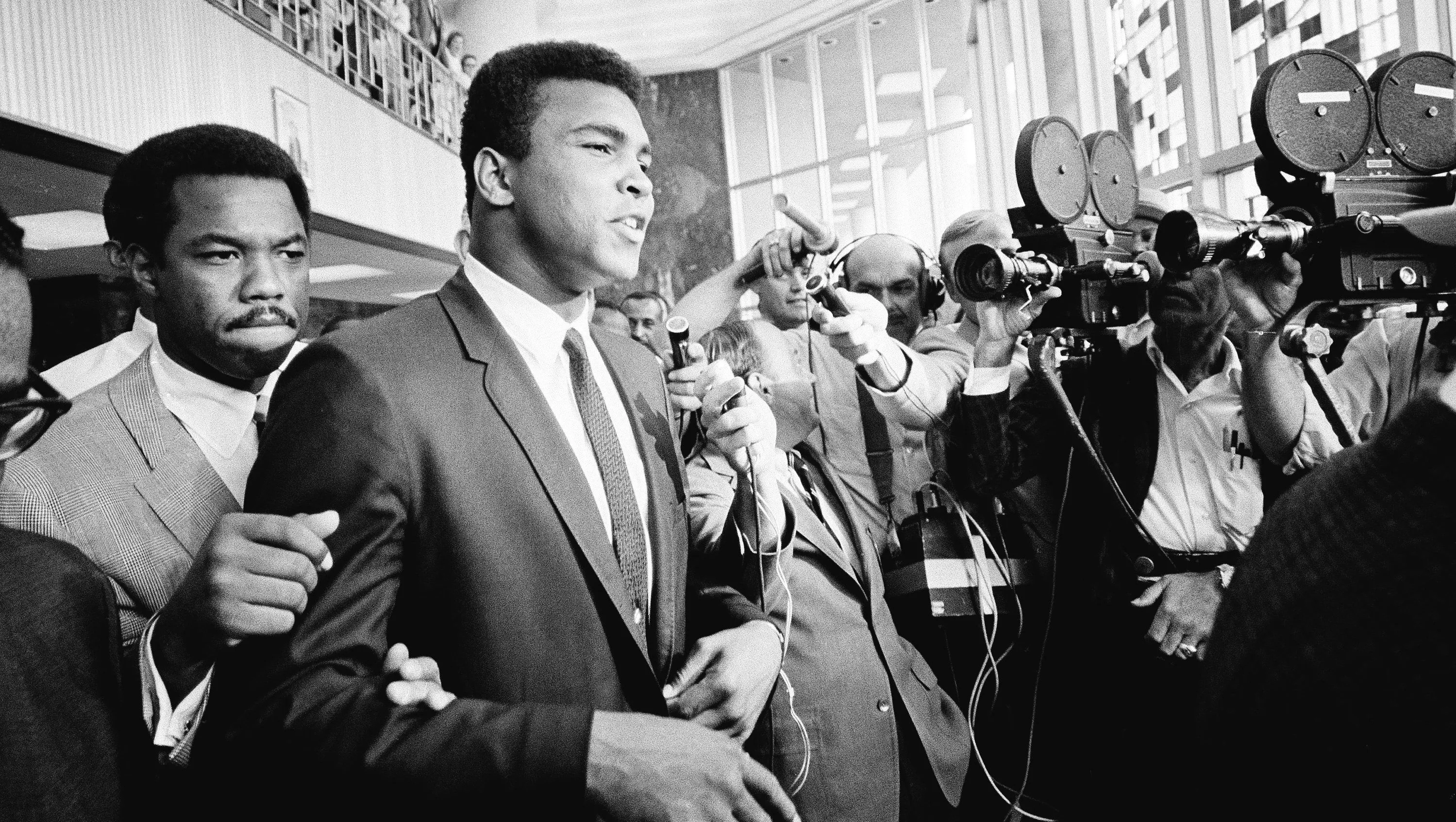
On April 28, 1967, Ali refused to be inducted into the Army, famously declaring, 'I ain’t got no quarrel with them Vietcong.' He was convicted of draft evasion, sentenced to five years in prison, fined $10,000, and banned from boxing for three years.
Ali’s stance made him a pariah in many circles but a hero to antiwar activists, civil rights leaders, and ordinary people around the world. Protests supporting him erupted from Cairo to London to Karachi.
His case traveled all the way to the U.S. Supreme Court, which overturned his conviction in 1971, ruling that his religious objection was legitimate. By then, Ali’s refusal had become a symbol of courageous dissent in the face of war and state power.
Looking back, Ali said it best: 'Everything I did was according to my conscience. I just wanted to be free.'
Why It Matters
Ali showed the world that integrity could be mightier than a title. In an era where conformity was expected and punishment was swift, he chose principle over popularity—and helped inspire a generation to question, resist, and demand justice.
?
How did Muhammad Ali’s religious beliefs shape his stance against the Vietnam War?
Why was Ali’s refusal to be drafted such a powerful symbol for the antiwar movement?
What impact did Ali’s draft refusal have on his boxing career—and on his global legacy?
How did public opinion about Ali shift between his refusal in 1967 and his Supreme Court victory in 1971?
What lessons can modern activists learn from Muhammad Ali’s act of civil disobedience?
Dig Deeper
Prior to his match against Foley, Ali received news he had been drafted to fight in Vietnam. When Ali arrived to be inducted in the United States Armed Forces, however, he refused, citing his religion forbade him from serving. The cost for his refusal would prove to be drastic: the stripping of his heavyweight title, a suspension from boxing, a $10,000 fine, and a five-year prison sentence.
Related
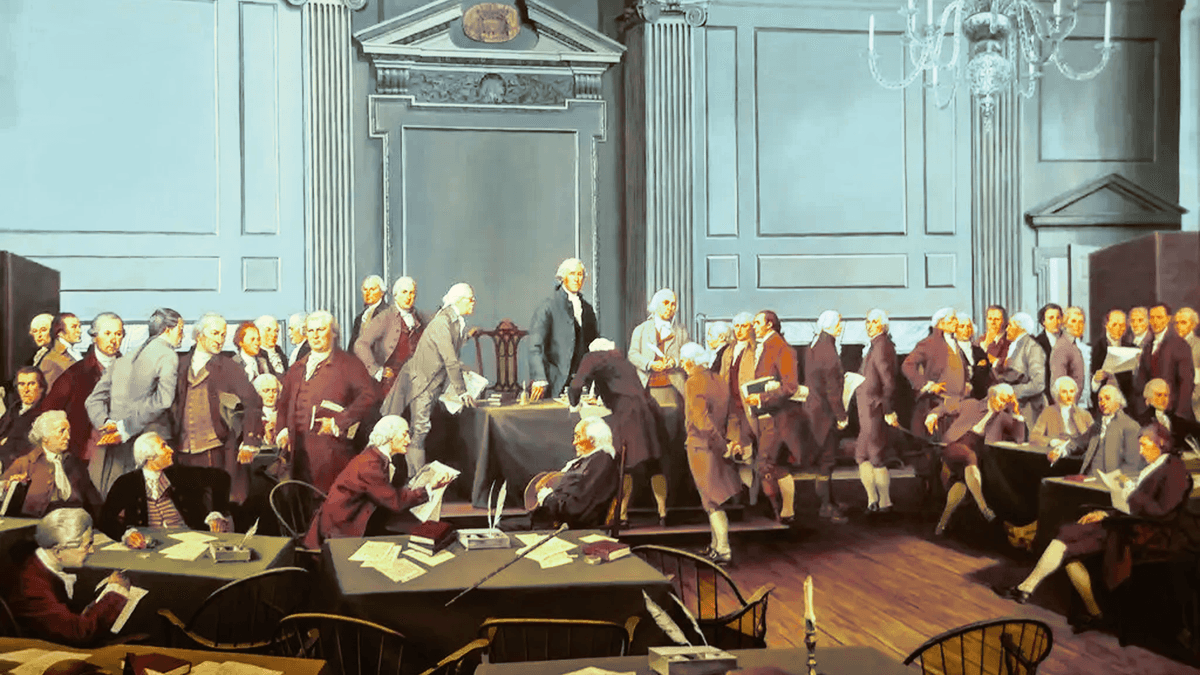
From Articles to the Constitution
The Articles of Confederation got us through a revolution—but not much more. Weak laws, no executive, and constant in-fighting forced the Founders back to the drawing board. What came next? The Constitution.
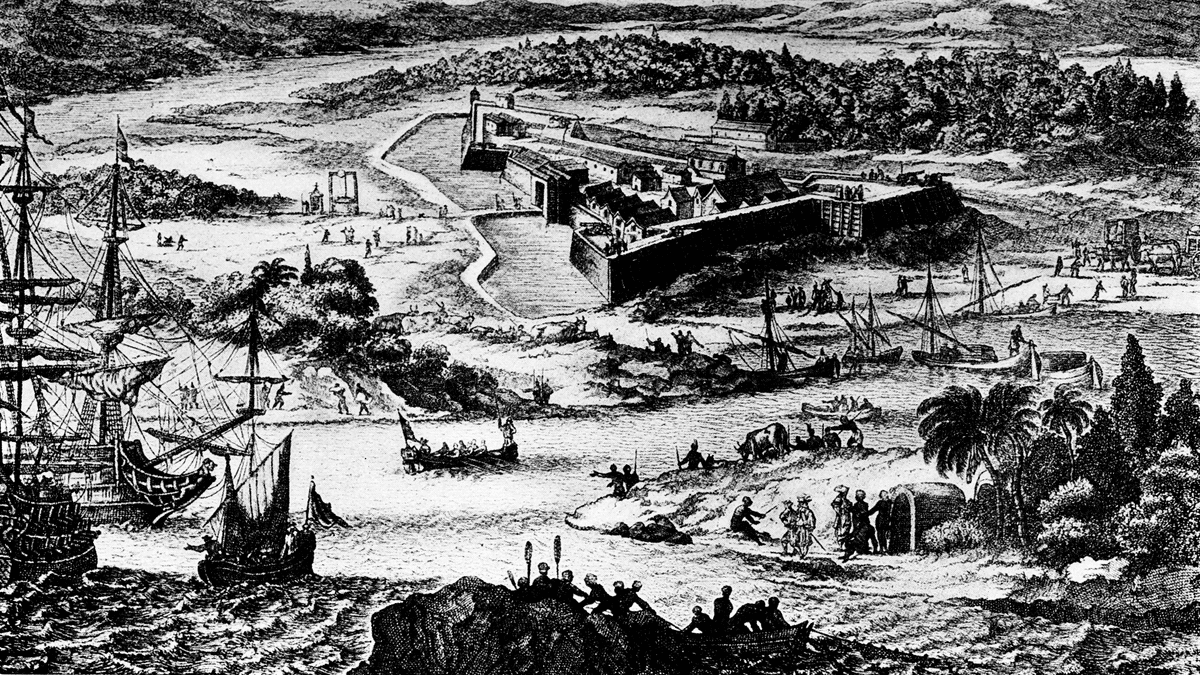
U.S. Geography: How the Land Shaped a Nation
Before the United States was born, geography shaped how people lived, worked, and fought over this land. From the Appalachian Mountains to the Great Plains, the natural landscape influenced settlement, culture, and history.
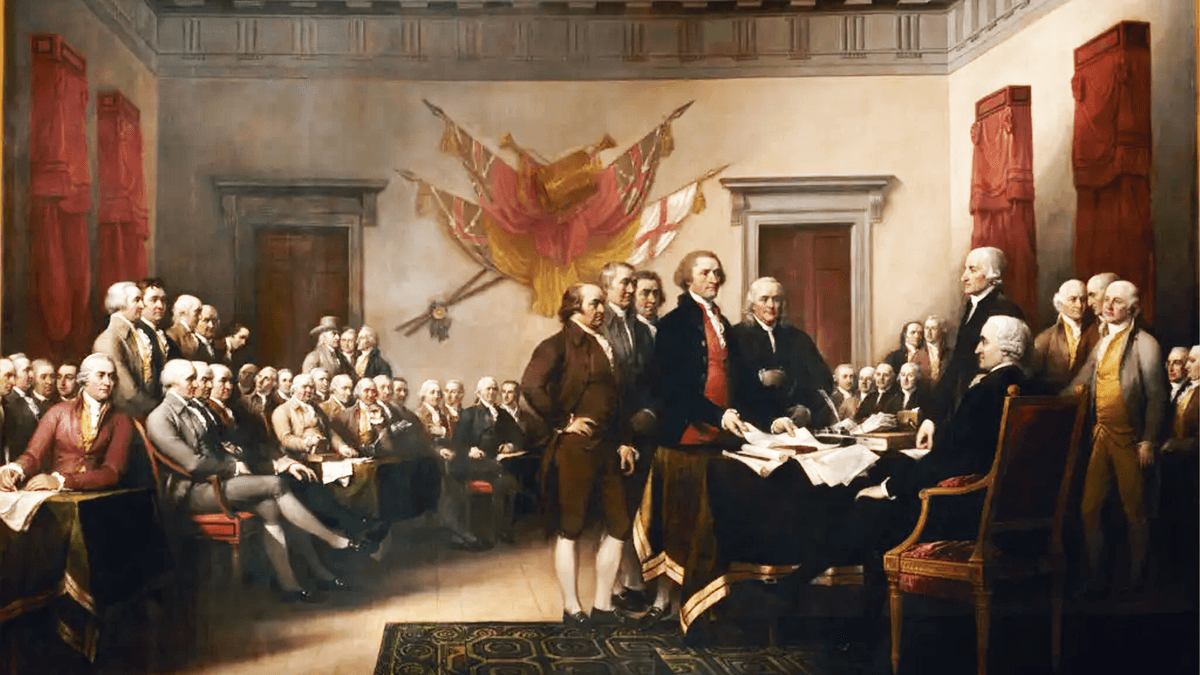
The Declaration of Independence: Ideas, Action, and Aftermath
When the colonies declared independence, they didn’t just start a war—they launched an idea that would echo across centuries. But did America live up to it?
Further Reading
Stay curious!