

Ford's 5-Day Week: The Day the Weekend Was Born
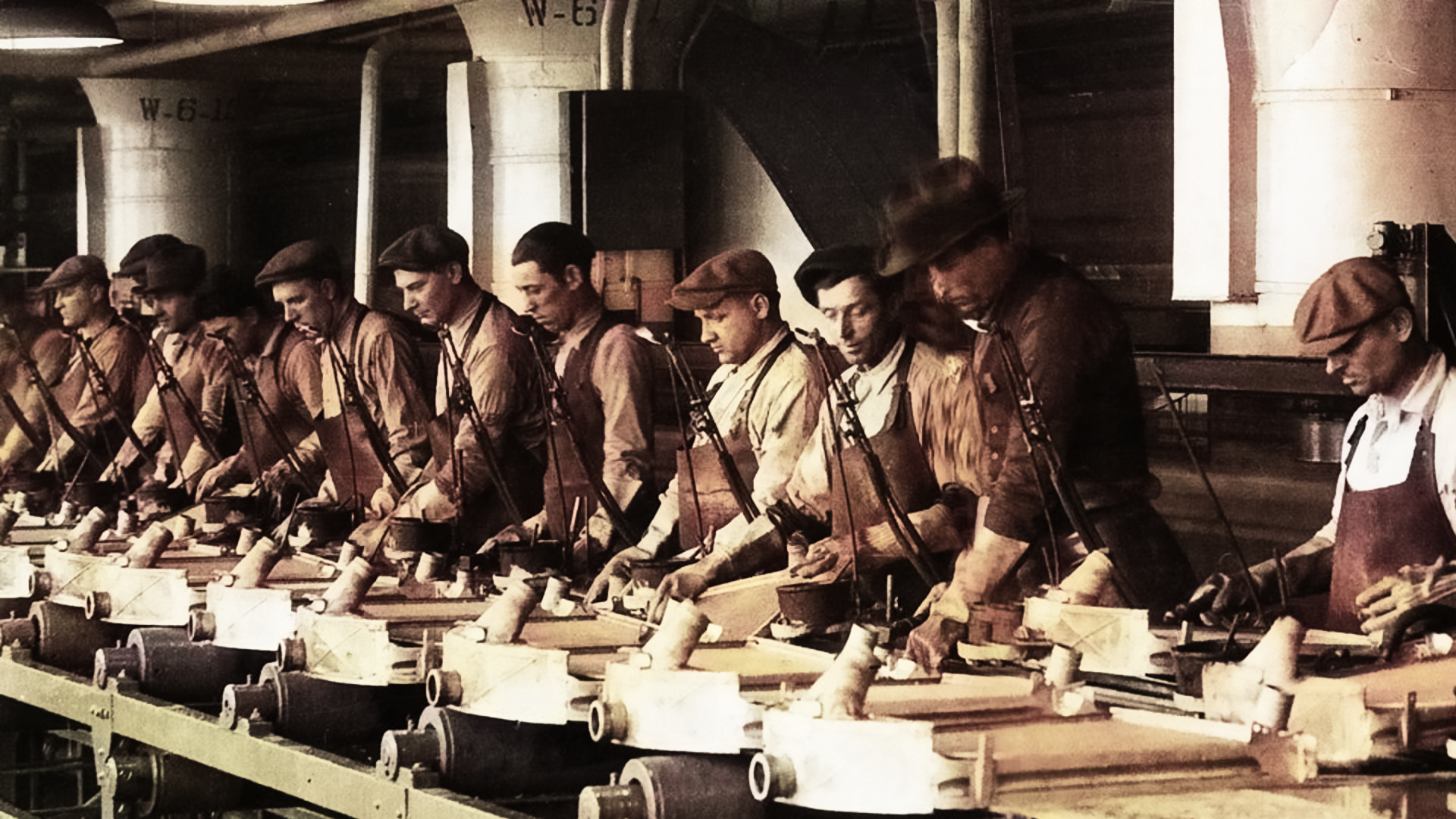
Assembly line workers at a Ford factory in the 1920s, building cars and building a new American work culture.
What Happened?
Before Ford’s big announcement, most Americans worked six days a week, often for long hours and low pay. But in 1926, Ford Motor Company officially instituted a 40-hour workweek, giving workers Saturdays and Sundays off while still paying them a minimum of $6 a day.
This wasn’t Ford’s first shake-up. Back in 1914, he shocked the world by doubling factory pay to $5 per day and cutting hours to eight. Critics called it reckless. It turned out to be genius. Productivity soared and worker turnover plummeted.
The five-day week came with a philosophical twist. Edsel Ford, Henry’s son, said workers needed more time for rest and family. Henry Ford himself argued that 'leisure is not lost time'—a bold idea in an era that prized constant labor.
Of course, there were business benefits too. Ford knew well-rested workers made fewer mistakes. He also knew workers with weekends free might just start buying the very cars they were building. A well-paid, well-rested workforce was also a consumer base.
The 40-hour workweek became a national model, adopted into law by the Fair Labor Standards Act in 1938. But it all started with Ford’s risky, radical idea: that time off wasn’t laziness—it was liberty.
Why It Matters
Ford's move didn’t just change the factory floor—it reshaped American life. The weekend became a cultural norm, the 40-hour week a legal standard. It was a major moment in the long fight for worker rights and human dignity. And it reminds us that better working conditions don’t just benefit workers—they build better societies.
?
Why was Ford's decision to reduce the workweek to five days considered so revolutionary at the time?
How did Henry Ford’s labor policies affect productivity and worker loyalty?
What are some modern challenges that workers face, even with a 40-hour week?
Do you think the 40-hour workweek is still the best model today? Why or why not?
What other historical moments have shaped the rights and schedules of workers in America?
Dig Deeper
A quick look at how Ford helped popularize the 40-hour workweek and what it meant for labor rights and industrial efficiency.
Related

The Vietnam War: Conflict, Cold War, and Consequences
A complex war shaped by colonial history, Cold War fears, and powerful resistance—understand why the Vietnam War happened and why it still matters.
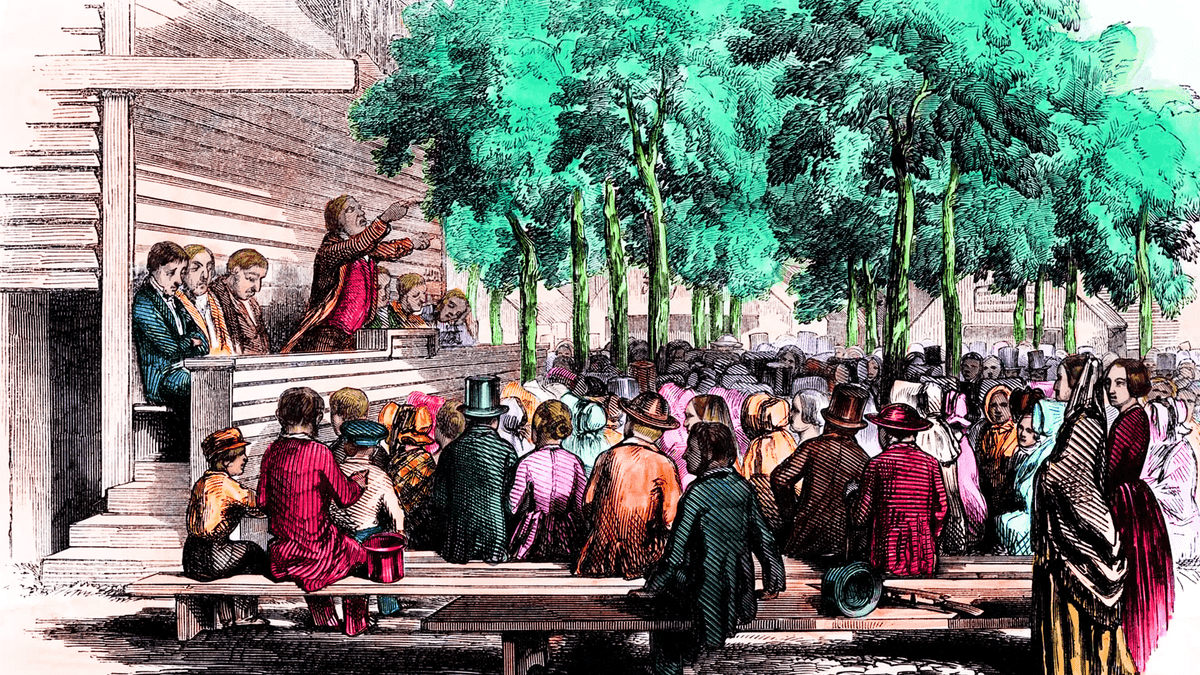
The First Great Awakening: Faith, Fire, and a New American Identity
Long before the Revolution, a different kind of rebellion was stirring, one in the soul. The First Great Awakening reshaped American religion and helped plant the seeds of self-government and democratic identity.
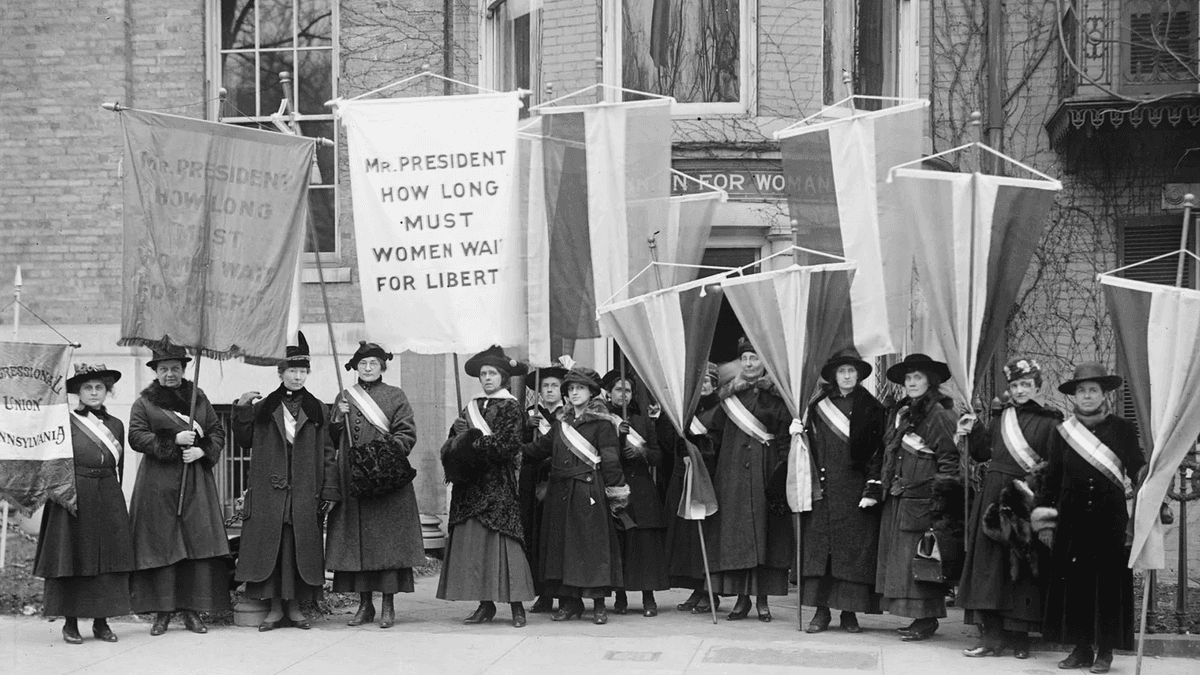
The Progressive Era: Reform, Regulation, and the Limits of Change
From breaking up monopolies to marching for women’s votes, the Progressive Era sought to fix America’s problems — but often left some voices out of the conversation.
Further Reading

Stay curious!