

The Grapes of Wrath Wins the Pulitzer: Empathy as a National Imperative
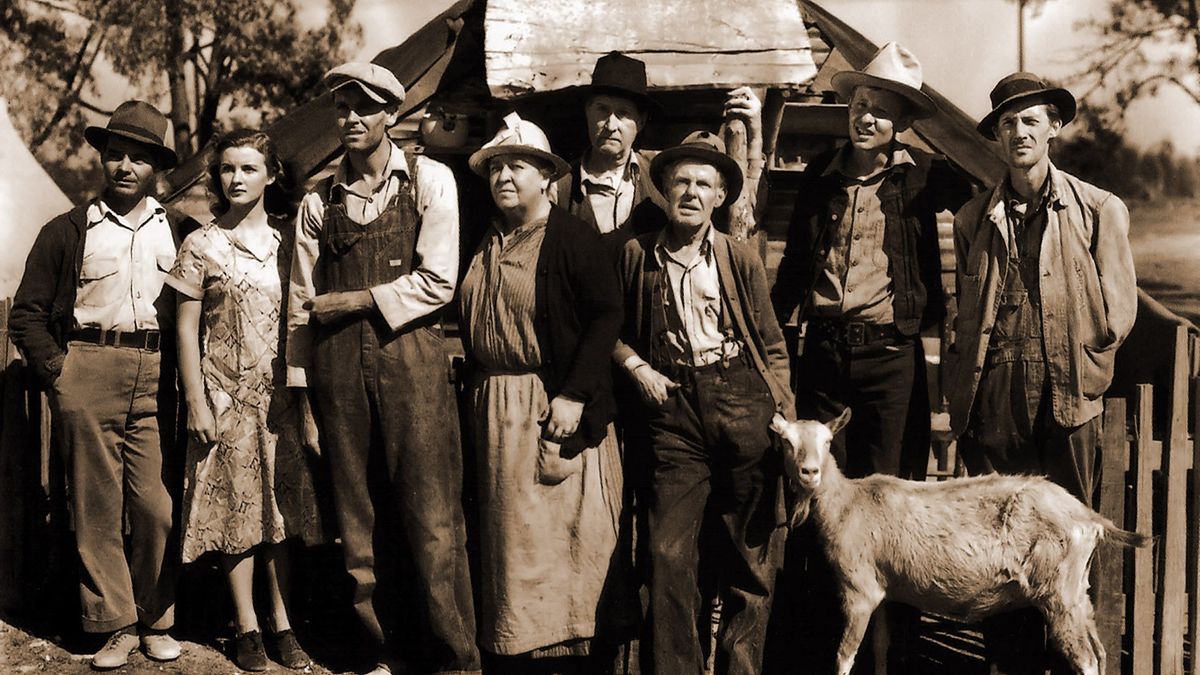
John Steinbeck turned the heartache of Dust Bowl migrants into a story that shook readers, embarrassed the powerful, and forced the nation to see its own people as worthy of dignity.
What Happened?
When John Steinbeck penned The Grapes of Wrath, he wasn’t just writing fiction—he was exposing America’s dirty, windblown secrets. Through the Joad family’s forced migration from Oklahoma to California, Steinbeck unearthed the human cost of environmental degradation, capitalist greed, and systemic indifference. The story’s characters, battered by dust and dislocation, mirror a real migration of over 500,000 people—an exodus from ruined farms into the golden mirage of the American West.
The novel hit like a dust storm. Its vivid prose and raw depictions of poverty drew both admiration and fury. California growers hated it. Eleanor Roosevelt demanded reform after reading it. Schools banned it. Congress held hearings. All because Steinbeck refused to soften the truth.
On May 6, 1940, he won the Pulitzer Prize for his effort—official validation of what migrant workers and readers already knew: this book mattered. It turned economic refugees into fully human characters. It called attention to the fact that California, so often marketed as Eden, could also be a crucible of cruelty.
Steinbeck’s storytelling genius lay in structure as much as style. By alternating chapters of the Joads’ intimate family saga with sweeping interludes about the broader migration, he made sure readers understood: the Joads weren’t alone. They were everyone.
The book’s resonance wasn’t just literary. It bent public policy. It changed conversations. It reminded readers that Americans were starving in the fields that fed the nation. It offered no false promises. It ended not with triumph, but with grace under collapse—the kind of humanity that endures even when nothing else does.
Steinbeck’s award wasn’t just about a novel. It was a Pulitzer for putting truth in the path of power, for naming injustice, and for building a bridge between art and activism. And decades later, as California faces fresh droughts, labor exploitation, and climate reckoning, The Grapes of Wrath still feels like prophecy wrapped in prose.
Why It Matters
The Grapes of Wrath taught America that poverty is not a personal failure, but a systemic one. That climate disaster isn’t just weather—it’s policy, agriculture, and exploitation. And that literature, when done right, can be a weapon of conscience. Steinbeck’s Pulitzer is a reminder: empathy is revolutionary.
?
What is the Dust Bowl, and how did it shape the events in The Grapes of Wrath?
Why did California growers react so angrily to Steinbeck’s portrayal of migrant workers?
How does The Grapes of Wrath challenge the American Dream narrative?
In what ways is Steinbeck’s work still relevant to climate justice and labor rights today?
How did First Lady Eleanor Roosevelt’s support for the novel influence public opinion and policy?
Dig Deeper
This video provides a brief history of the novel "The Grapes of Wrath" including the controversies surrounding it at the time of its publication.
Related
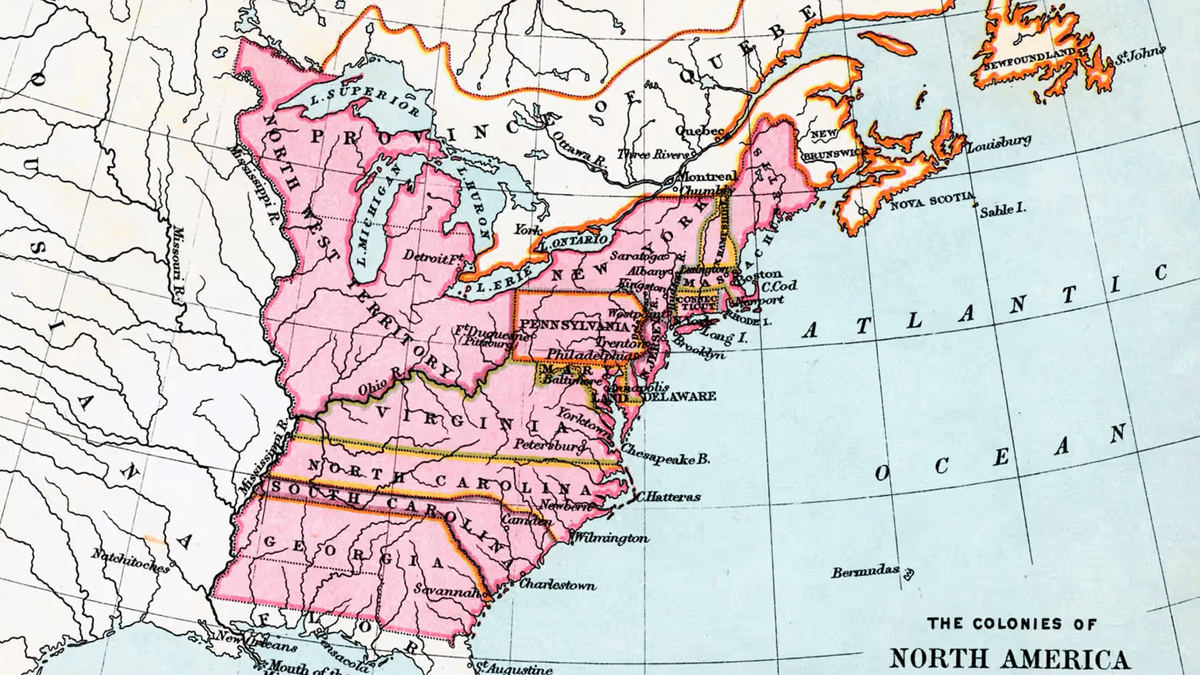
The 13 Colonies: Seeds of a New Nation
How did thirteen scattered colonies along the Atlantic coast grow into the foundation of a new nation?

MLK the Disrupter and the Poor People’s Campaign
Dr. Martin Luther King Jr.’s final chapter was about more than civil rights—it was a bold demand for economic justice that challenged the nation’s values at their core.

Building a New Nation: Foundations of State and National Government
From the shaky Articles of Confederation to the Constitution and Bill of Rights, discover how America’s founders navigated the turbulent waters of self-government—and why North Carolina took its time joining the party.
Further Reading
Stay curious!