

Peace, Protest, and Carnations: The Radical Roots of Mother’s Day
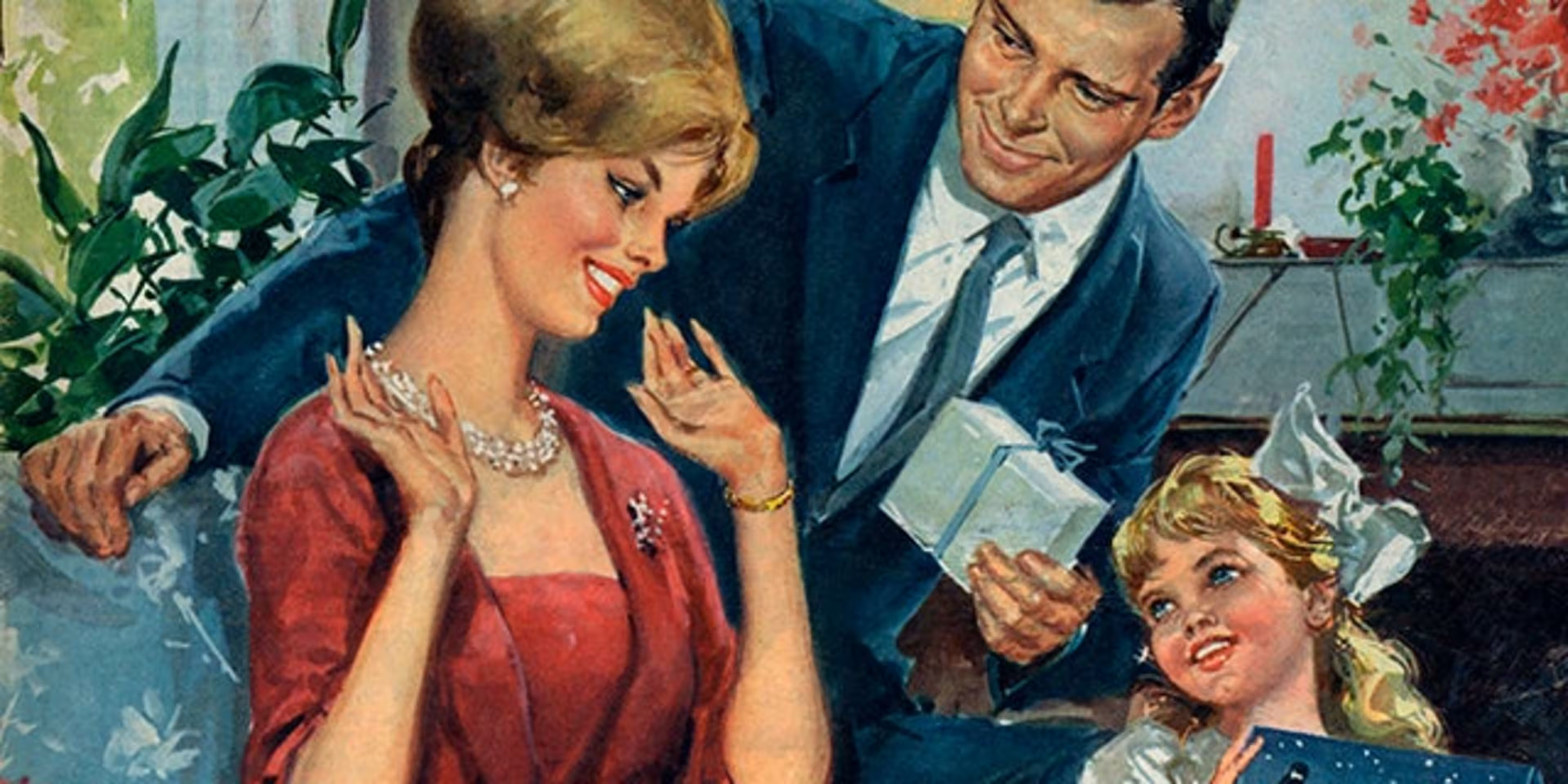
An early 20th-century Mother's Day postcard featuring a white carnation and the words 'To Mother with Love.'
What Happened?
When Woodrow Wilson proclaimed the second Sunday of May as Mother’s Day, he wasn’t inventing a holiday—he was legitimizing a movement. And like many American holidays, this one started not with parades but with protest, organizing, and grief.
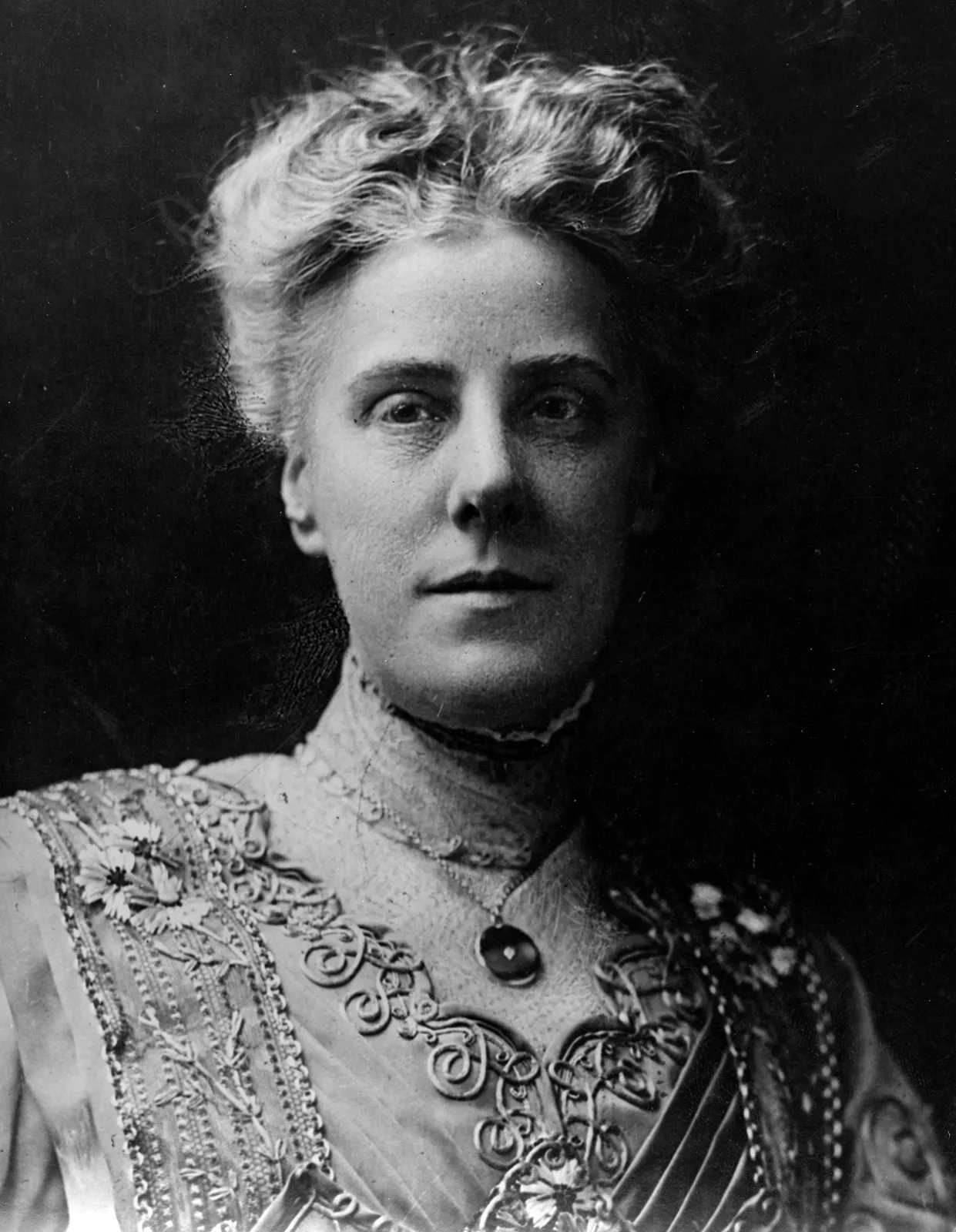
Credit goes to three women: Ann Reeves Jarvis, Julia Ward Howe, and Anna Jarvis—whose efforts wove together community health, antiwar resistance, and the universal call to honor the people who mother us.
Ann Jarvis—known as 'Mother Jarvis'—was a powerhouse of 19th-century Appalachian public health. After losing most of her dozen children to disease, she formed Mothers’ Work Clubs to clean water, teach hygiene, and reduce infant mortality. During the Civil War, she dared to offer care to soldiers on both sides—and after the war, she held a 'Mothers’ Friendship Day' to reunite Union and Confederate families. Peace was her politics. Motherhood was her method.
Inspired by Jarvis, Julia Ward Howe—the abolitionist and author of 'Battle Hymn of the Republic'—issued her own call in 1870: a global congress of mothers who would stand together against war. Her 'Mother’s Day Proclamation' imagined women as moral stewards of peace in a blood-soaked world. She got a few events off the ground, but her dream didn’t stick.
Then came Anna Jarvis. After her mother’s death in 1905, Anna launched a campaign to create a national day of remembrance—not for political speeches or peace treaties, but for handwritten letters and white carnations. 'Your mother,' she said, 'is the best mother in the world.'
In 1914, Congress agreed. President Wilson made it law. But the story doesn’t end there.
As the 20th century marched on, Anna watched her dream become a capitalist carousel—florists, greeting cards, and saccharine platitudes replacing the handwritten reverence she envisioned. She spent the rest of her life fighting the very commercialization she helped unleash. By 1948, she had gone broke and died in a sanitarium, ironically supported by the greeting card companies she detested.
Yet Mother’s Day persists. It evolves. It endures. It’s brunch and flowers, yes—but it’s also a reflection of the emotional labor that makes societies possible. It’s the story of how women have fought, cleaned, nurtured, resisted, taught, marched, grieved, and built. It’s a reminder that mothers—biological, chosen, and community-based—are not passive figures in history. They are history.
Why It Matters
Mother’s Day didn’t start as a hashtag or a marketing campaign—it began as protest, public service, and a refusal to accept loss as inevitable. The women behind it weren’t just moms; they were reformers, abolitionists, nurses, and peacebuilders. Today, we honor not just the idea of motherhood, but the historic role women have played in shaping healthier, fairer, and more connected communities.
?
What was Julia Ward Howe’s original vision for a Mother’s Day of peace?
How did Ann Reeves Jarvis use public health to empower her community?
Why did Anna Jarvis ultimately oppose the holiday she helped create?
In what ways has the meaning of Mother’s Day changed over the last century?
How can modern Mother’s Day observances reclaim some of the holiday’s activist roots?
Dig Deeper
Find out about the ancient roots and modern history of Mother's Day, which is celebrated on the second Sunday in May in the United States.
Related
Joint-Stock Companies: Capitalism, Colonization, and Risk
Without joint-stock companies, there might be no Jamestown, no thirteen colonies—and no United States. These early capitalist ventures let investors fund risky New World settlements without bankrupting the Crown.
Who Was Molly Pitcher? Unpacking the Legend, the Facts, and the Firepower
Was she a single fearless woman, or the name shouted when soldiers needed water? The truth is more complicated—and more powerful. Meet the women behind the legend of Molly Pitcher.
The American Revolution: Liberty, Loyalty, and North Carolina’s Role
The fight for independence wasn’t just fought in Boston and Philadelphia—it reached the farms, rivers, and hearts of North Carolina. Learn how the war unfolded, who fought, and why freedom remained a promise still waiting to be fulfilled for many.
Further Reading
Stay curious!