

Israel Declares Independence: A Homeland Reborn, A Conflict Reignited
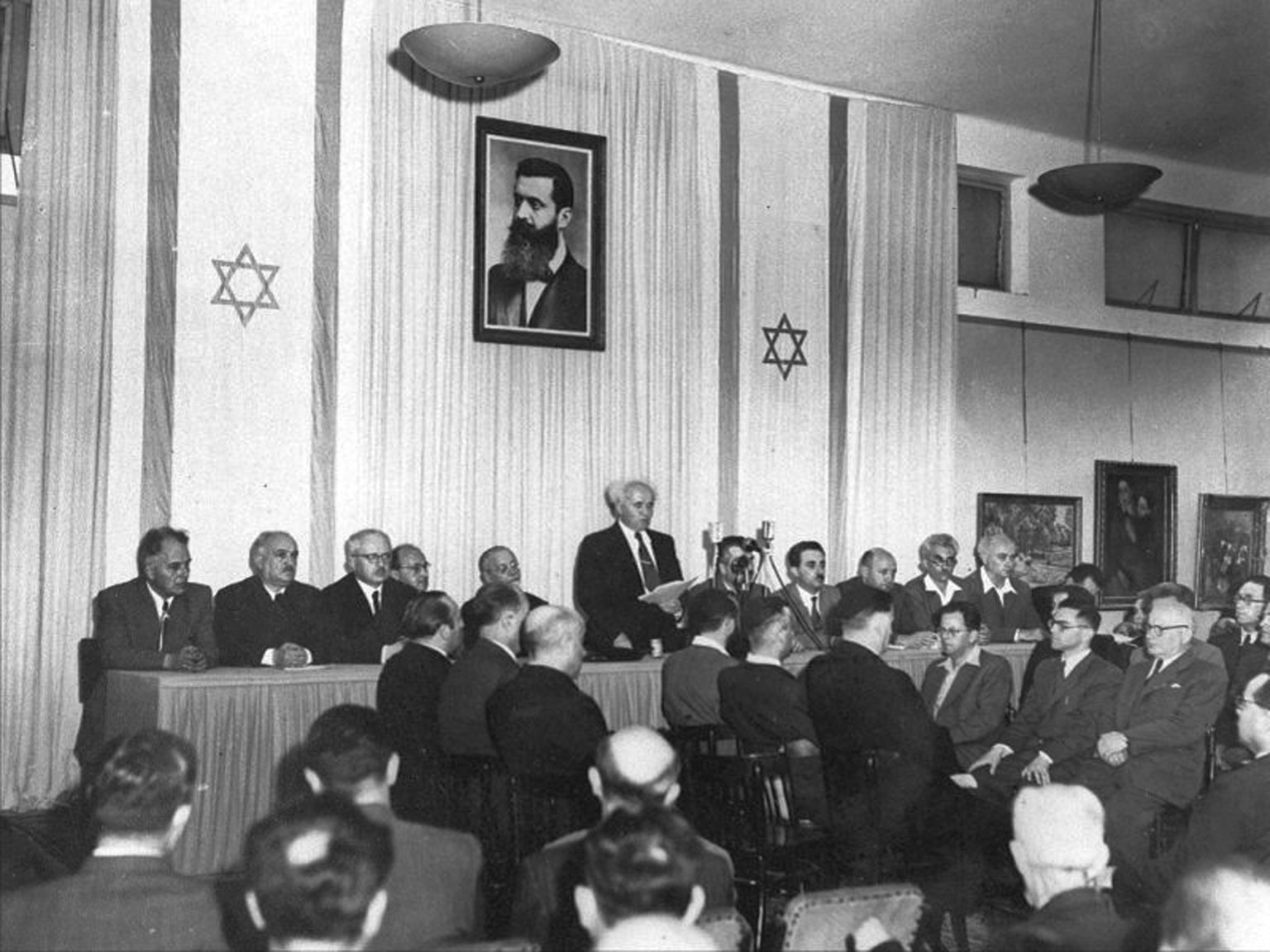
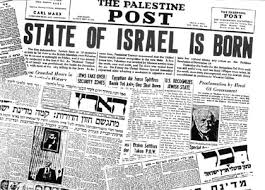
David Ben-Gurion reading the Declaration of Independence of Israel in Tel Aviv, 1948
What Happened?
Modern Israel's origins lie in the late 19th-century Zionist movement, a response to European anti-Semitism and a yearning for a Jewish homeland. Inspired by figures like Theodor Herzl and fueled by waves of Jewish migration to Ottoman-ruled Palestine, the movement gained momentum under British rule following World War I and the 1917 Balfour Declaration.
The Holocaust intensified global sympathy for Jews, increasing pressure to create a safe haven. Britain, caught between competing nationalist claims, turned to the United Nations, which in 1947 voted to partition Palestine into separate Jewish and Arab states. Jewish leaders accepted; Arab leaders rejected.
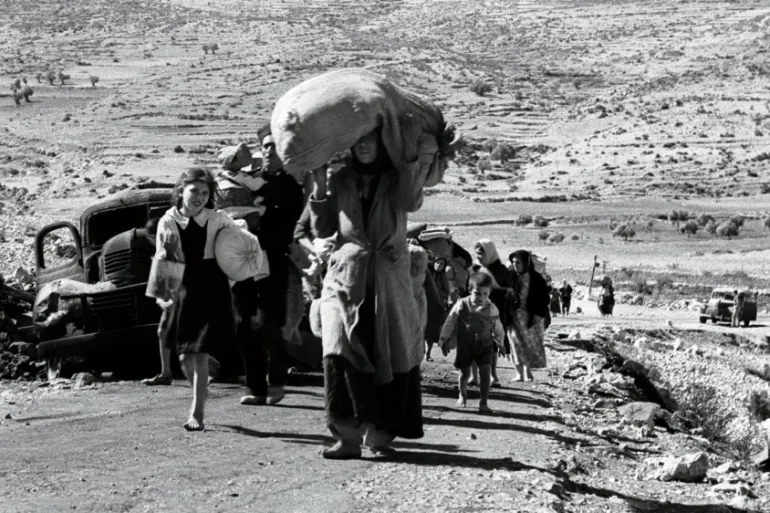
By May 14, 1948, with the British Mandate officially expired, David Ben-Gurion announced the birth of the State of Israel. Within hours, Egypt launched airstrikes, and armies from five Arab nations invaded. The war ended in 1949 with cease-fires, but also with the displacement of over 700,000 Palestinian Arabs—a catastrophe known as the Nakba.
Since then, the Israeli-Palestinian conflict has burned hot and cold: wars in 1967 and 1973, the rise of the PLO, two Intifadas, shattered peace accords, and the divisive rule of Hamas in Gaza. Meanwhile, U.S. involvement and global diplomacy have shaped and stalled efforts toward peace.
As of today, violence continues. The October 7, 2023 Hamas attack on Israeli civilians reignited full-scale warfare. Israel’s response, aimed at dismantling Hamas, has resulted in devastating humanitarian consequences in Gaza. The toll—on both sides—is immense, and peace seems more elusive than ever.
Yet the principles laid down on May 14, 1948—sovereignty, survival, and self-determination—still resonate. The challenge now is ensuring those rights apply to all people in the land. The two-state solution, however fragile, remains the most equitable path forward. Because peace—real, sustainable, just peace—won’t be built by walls or war, but by recognition, compromise, and shared humanity.
Why It Matters
Israel’s founding was both a triumph and a tragedy. It gave a stateless people a homeland, while leaving another stateless and displaced. Understanding May 14, 1948, means grappling with dual narratives of liberation and loss—and committing to a future where both peoples can live in dignity, security, and peace.
?
What led to the 1947 UN Partition Plan, and why was it so contentious?
What is the Nakba, and why is it central to Palestinian identity?
How has the U.S.–Israel relationship shaped the conflict and peace efforts?
Why has the two-state solution remained unrealized despite decades of negotiations?
How do different communities remember and teach the events of 1948?
Dig Deeper
To understand the current war in Gaza, you have learn about the founding of the state of Israel and what that meant for the Palestinians who had been living there. Before Benjamin Netanyahu or Hamas, there was Zionism, the Balfour Declaration and the Nakba. This is how Israel was created.
Around the time that Israelis celebrate Independence Day, Palestinians commemorate “The Nakba,” or “The Catastrophe.” The Nakba was a series of events, centered around 1948, that expelled hundreds of thousands Palestinians from their homeland and killed thousands. The Nakba isn’t the beginning of the story, but it’s a key part of Palestinian history — and the root of Israel’s creation.
Related
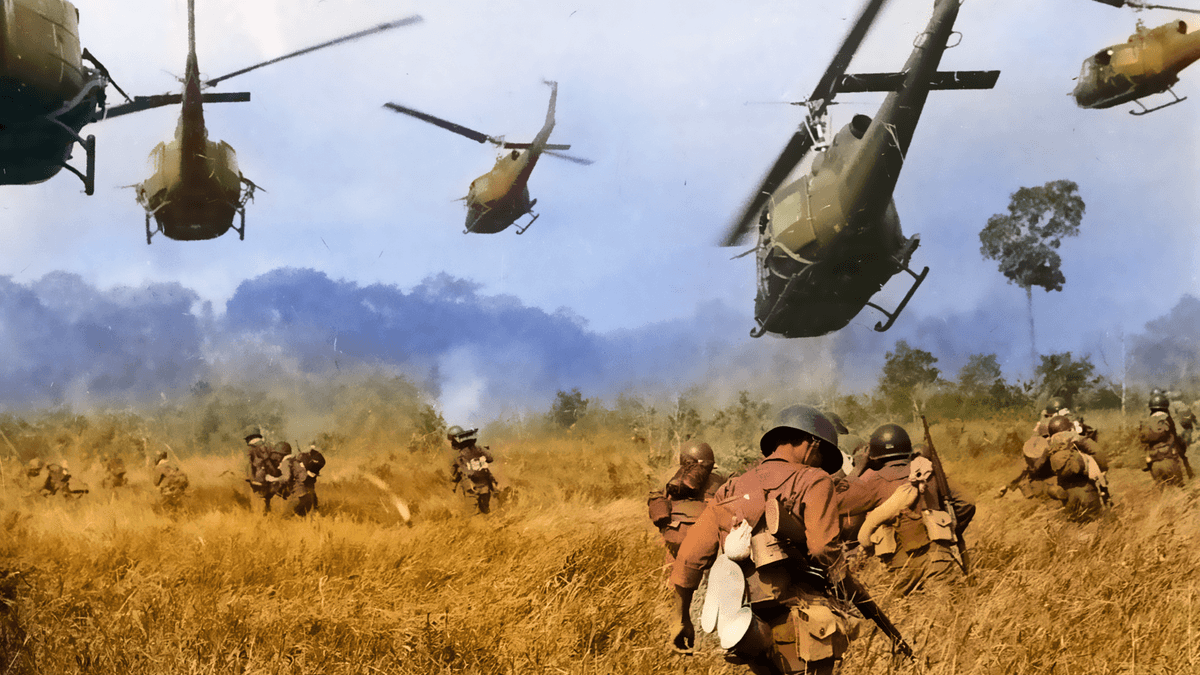
The Vietnam War: Conflict, Cold War, and Consequences
A complex war shaped by colonial history, Cold War fears, and powerful resistance—understand why the Vietnam War happened and why it still matters.
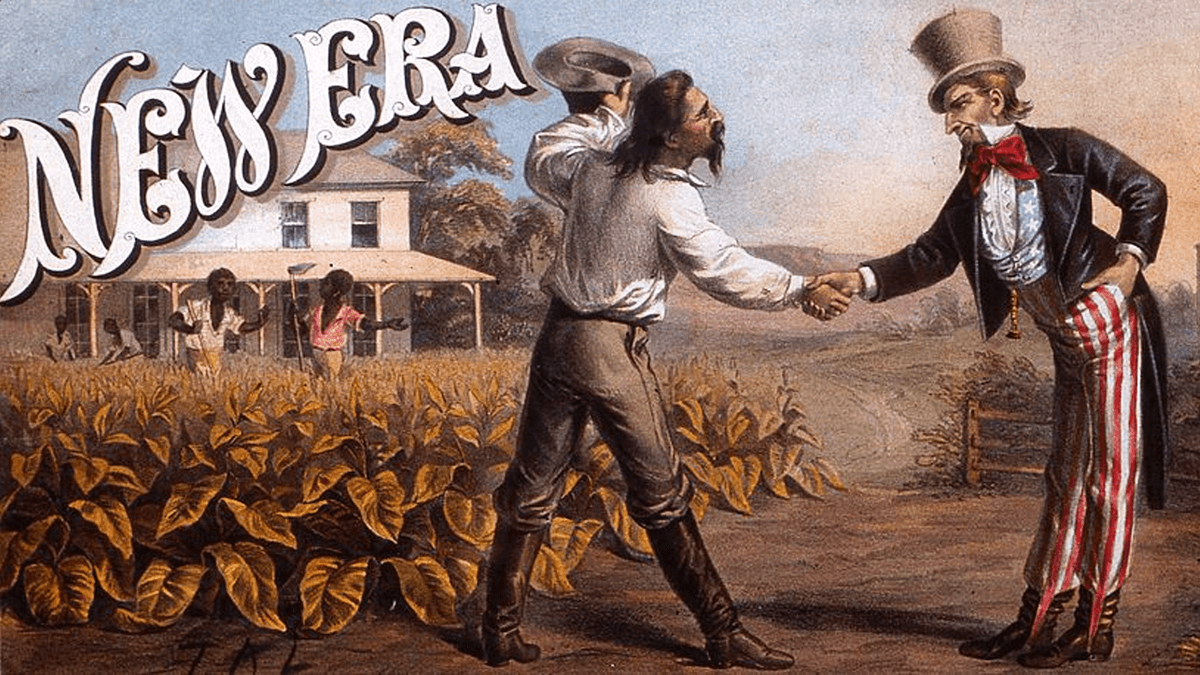
Reconstruction: Rebuilding a Nation and Redefining Freedom
After the Civil War, the United States faced the enormous task of reintegrating the South, securing rights for freedpeople, and redefining citizenship and equality. Reconstruction (1865–1877) was a bold experiment in democracy—filled with groundbreaking laws, historic firsts, and fierce backlash.
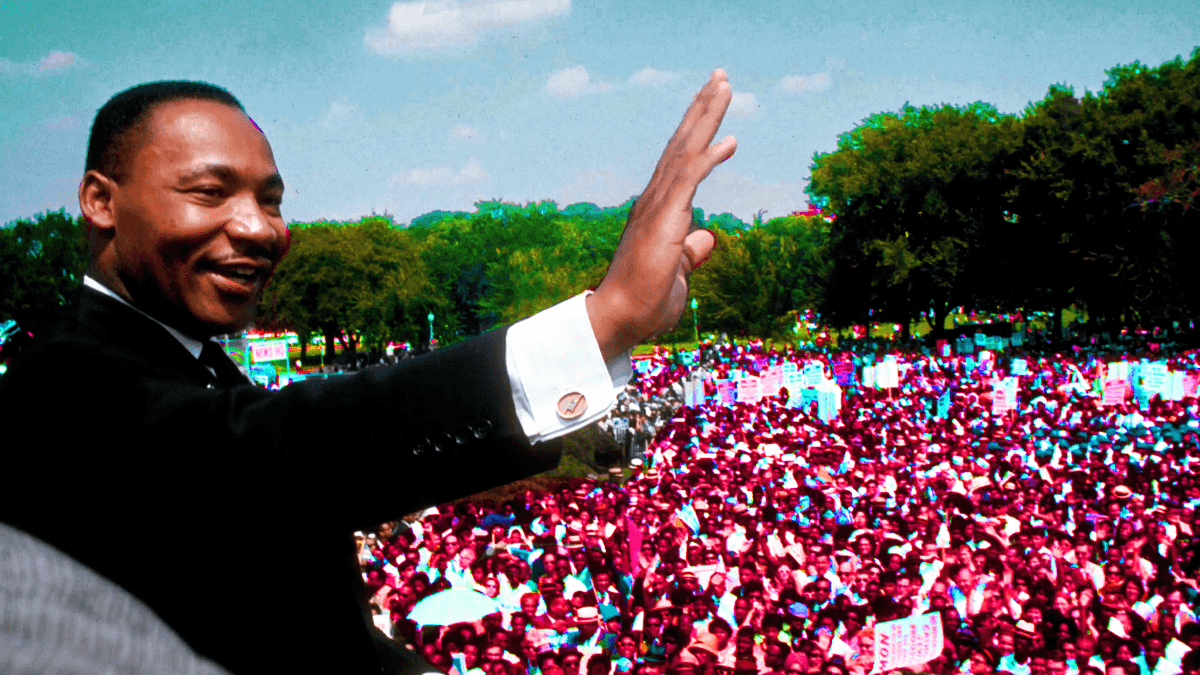
MLK the Disrupter and the Poor People’s Campaign
Dr. Martin Luther King Jr.’s final chapter was about more than civil rights—it was a bold demand for economic justice that challenged the nation’s values at their core.
Further Reading
Stay curious!