

The Ozone Hole Is Real: Earth’s Wake-Up Call
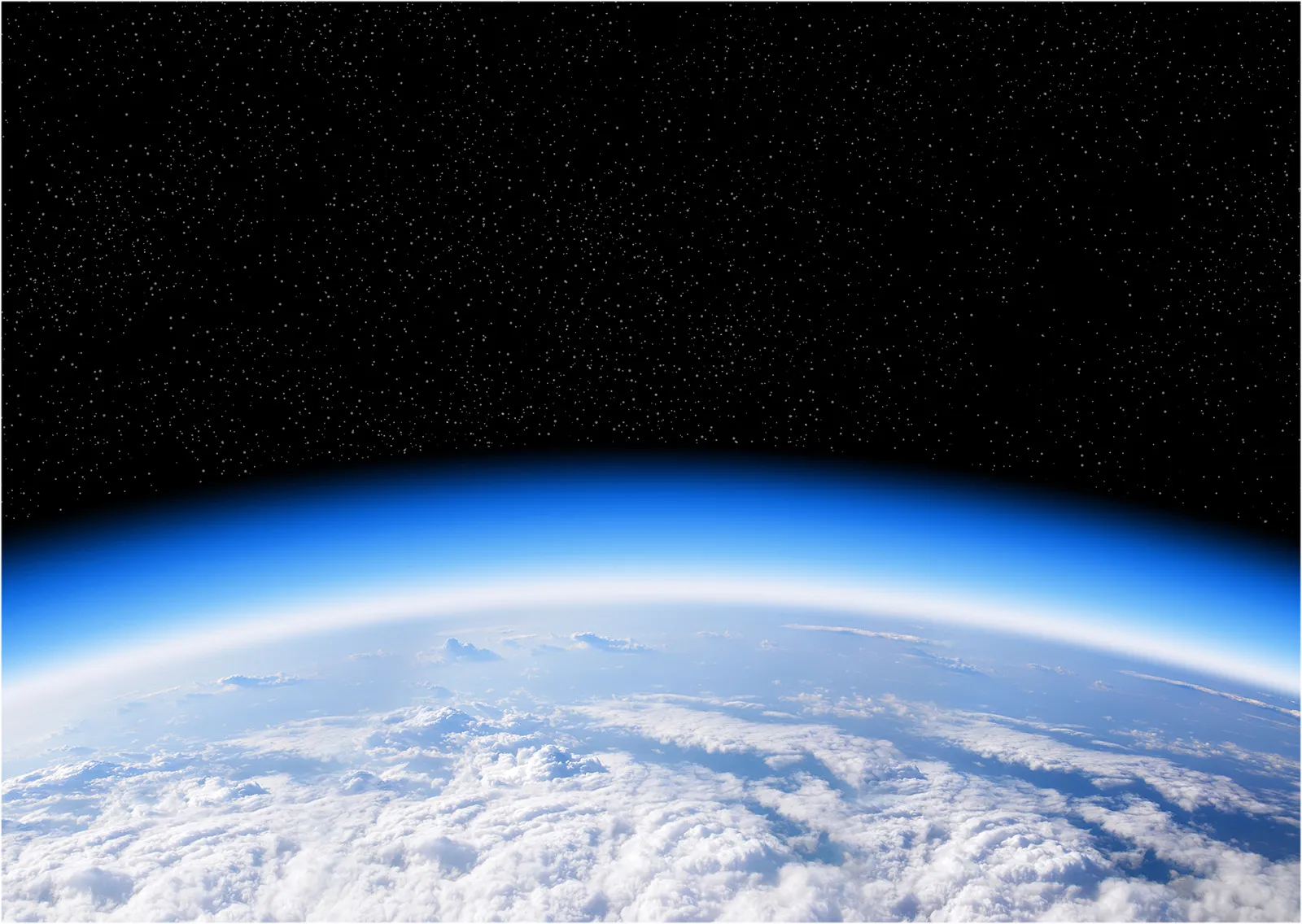
A satellite composite showing the ozone hole over Antarctica in blue, with surrounding cloud patterns.
What Happened?
The ozone layer is a thin shield of O₃ molecules in the stratosphere, about 10–40km above Earth. It acts like Earth’s sunscreen. It blocks harmful UV radiation from the sun so we don’t get fried. Without it, you'd burn in minutes, and so would everything else that grows, swims, or flies.
In the 1970s, scientists warned that certain man-made chemicals—especially chlorofluorocarbons (CFCs)—were breaking down this layer. These chemicals were used in things like fridges, foam packaging, and spray cans. They seemed harmless until they weren’t.
In the 1980s, scientists noticed something strange over Antarctica. Every spring, a huge section of the ozone layer was disappearing.
In 1985, British scientists Joe Farman, Brian Gardiner, and Jonathan Shanklin published a paper in Nature showing that the ozone layer above Antarctica was thinning fast. Like, 'we-have-a-hole-in-the-sky' fast.
What caused it? Chemicals called CFCs (short for chlorofluorocarbons), found in things like aerosol sprays, fridges, and AC units. These chemicals rise into the atmosphere, and when they mix with super-cold clouds during the polar winter, they release chlorine that destroys ozone molecules—thousands at a time.
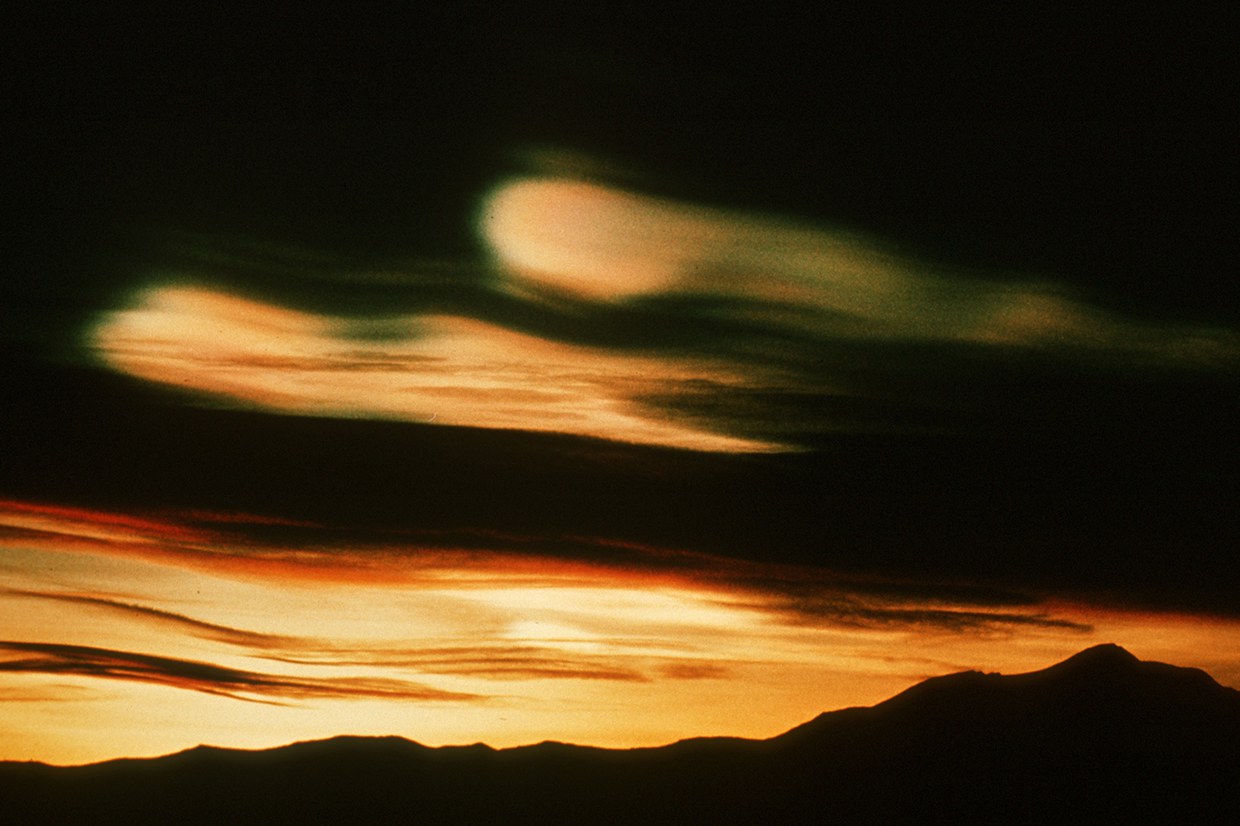
The situation in Antarctica is worse than anywhere else because the stratosphere there gets super cold—enough to form special clouds that turbocharge ozone destruction when sunlight returns in the spring.
NASA confirmed the findings with satellite data: the ozone hole wasn’t just over one station—it covered the entire continent. The public panicked. Politicians noticed. And for once, action followed fast.
In 1987, 46 countries signed the Montreal Protocol, agreeing to phase out ozone-destroying substances. Eventually, every country on Earth joined. That’s right—every single one. Scientists now believe the ozone layer will recover to 1980 levels by the end of this century.
Thanks to this global effort, the ozone layer is healing. Scientists think it could return to normal by the end of the 21st century. It’s one of the biggest environmental comeback stories in history.
Today, the ozone hole still appears every Antarctic spring but is shrinking slowly. Because CFCs linger in the atmosphere for decades, the full fix takes time. Still, it’s one of humanity’s biggest environmental success stories.
Why It Matters
This wasn’t just a win for environmentalists—it was a win for humanity. The ozone hole showed that science-based collaboration can actually solve global problems. It’s living proof that the world can change course before it’s too late. That matters—especially now, as we face even bigger climate challenges.
?
How do chlorofluorocarbons (CFCs) break down ozone molecules?
What made the Montreal Protocol so successful compared to other climate treaties?
How do polar stratospheric clouds contribute to ozone destruction?
What lessons can we apply from the ozone crisis to the fight against climate change?
How does ozone depletion differ in the Arctic and Antarctic?
Dig Deeper
Learn what CFCs are, how they damage the ozone layer, and how international cooperation helped slow down the depletion.
This explainer walks through how scientists discovered the ozone hole and how the Montreal Protocol helped heal it.
Related

The War on Terror: A New Era of U.S. Power
After the September 11th attacks, the United States didn't just declare war on terrorism—it redefined national security, global alliances, and the limits of civil liberties.
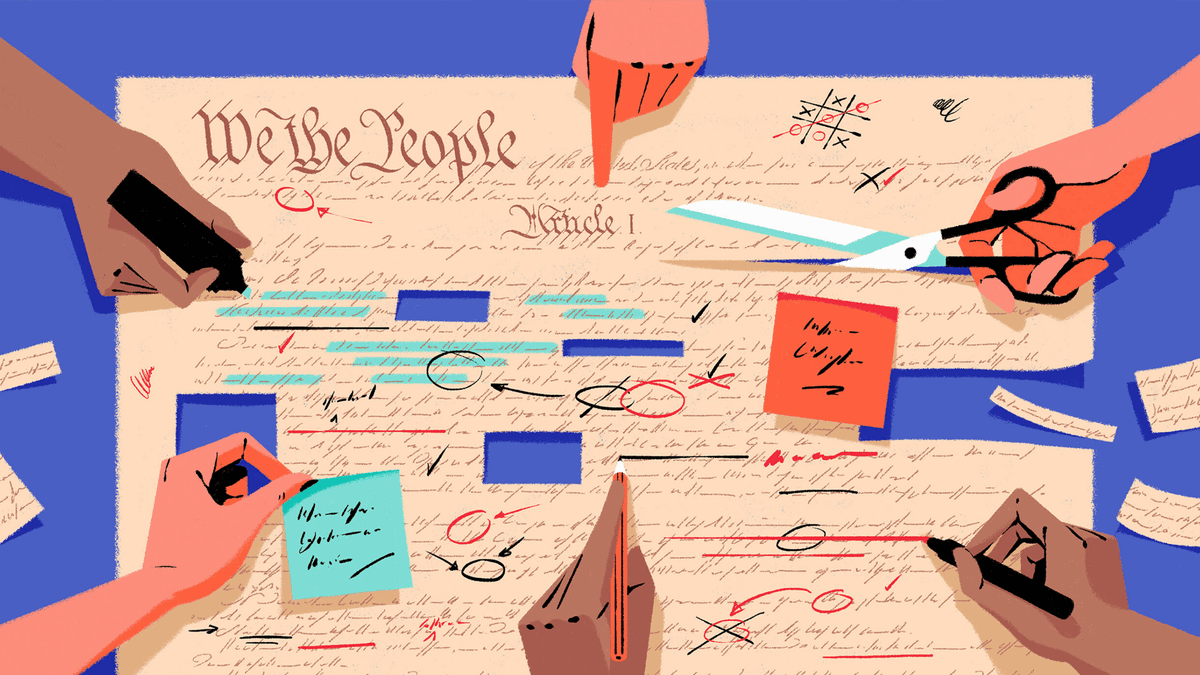
Building a New Nation: Foundations of State and National Government
From the shaky Articles of Confederation to the Constitution and Bill of Rights, discover how America’s founders navigated the turbulent waters of self-government—and why North Carolina took its time joining the party.
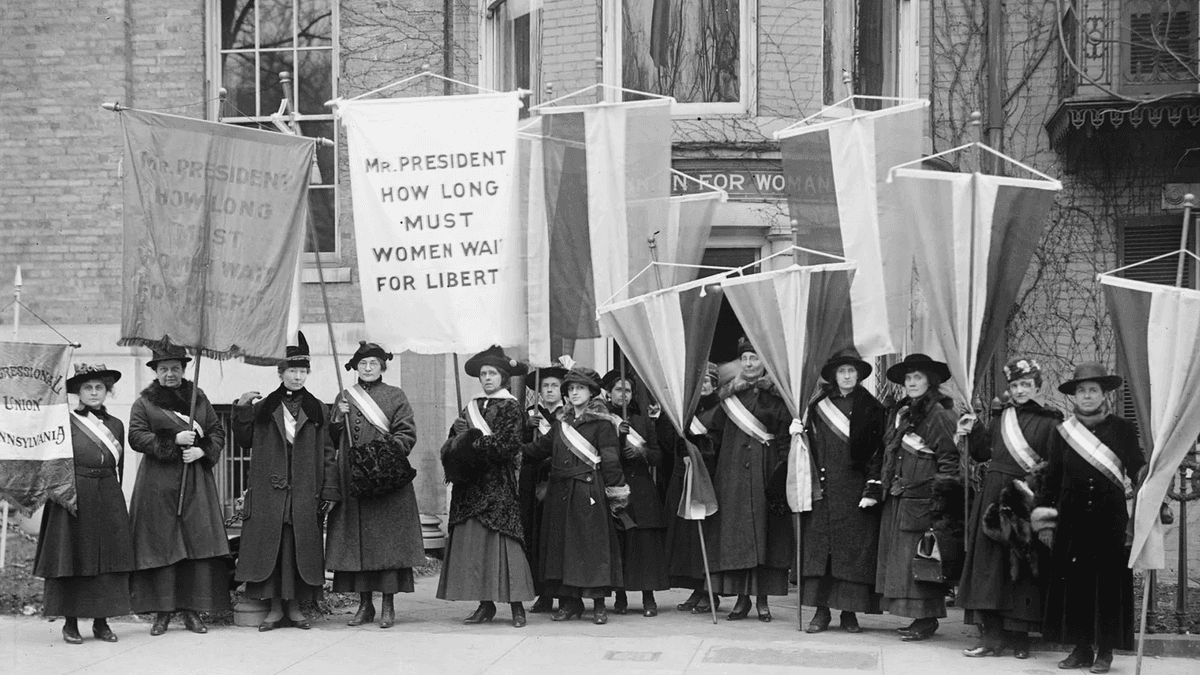
The Progressive Era: Reform, Regulation, and the Limits of Change
From breaking up monopolies to marching for women’s votes, the Progressive Era sought to fix America’s problems — but often left some voices out of the conversation.
Further Reading
Stay curious!