

The Tariff of Abominations: When Taxes Sparked a Crisis
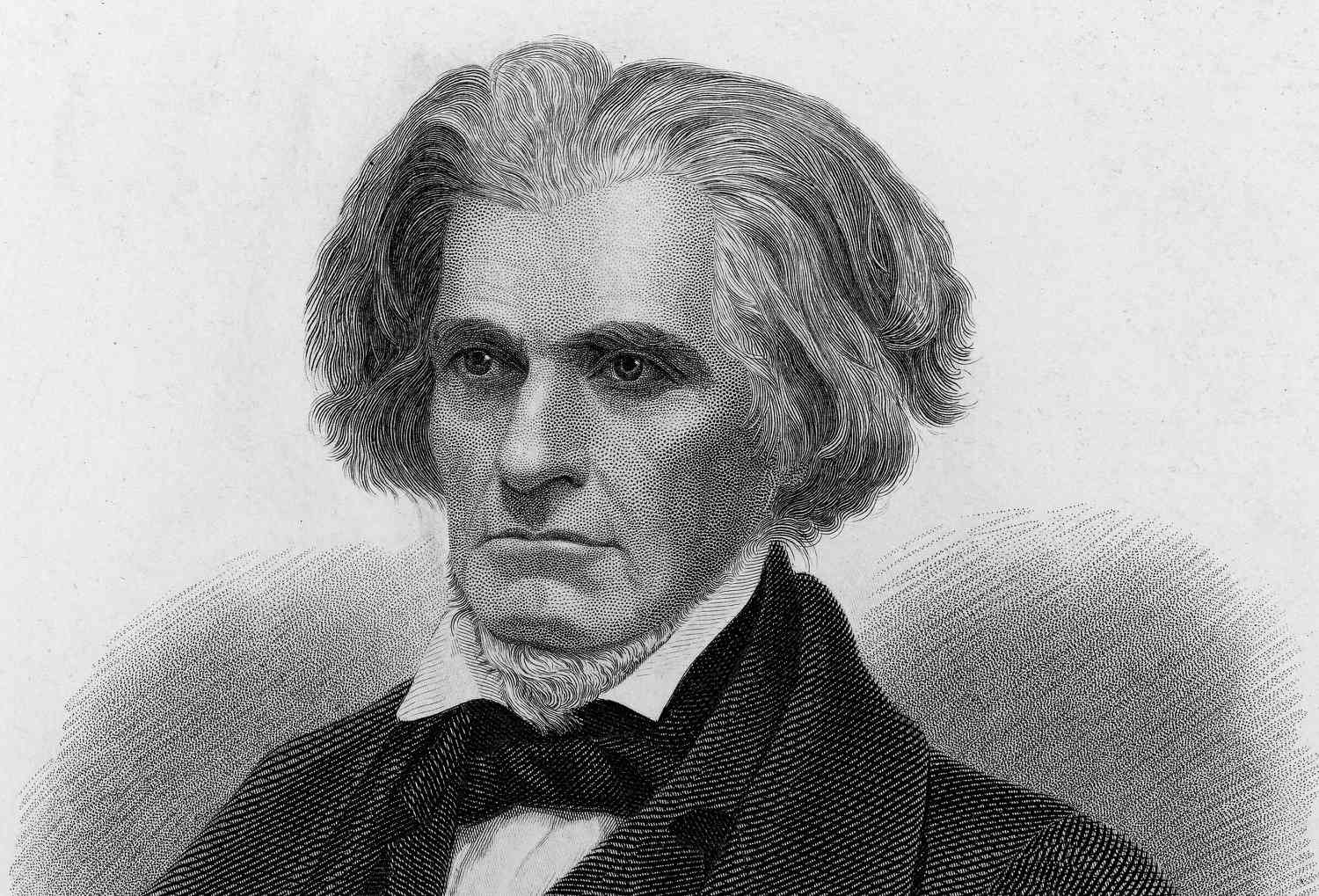
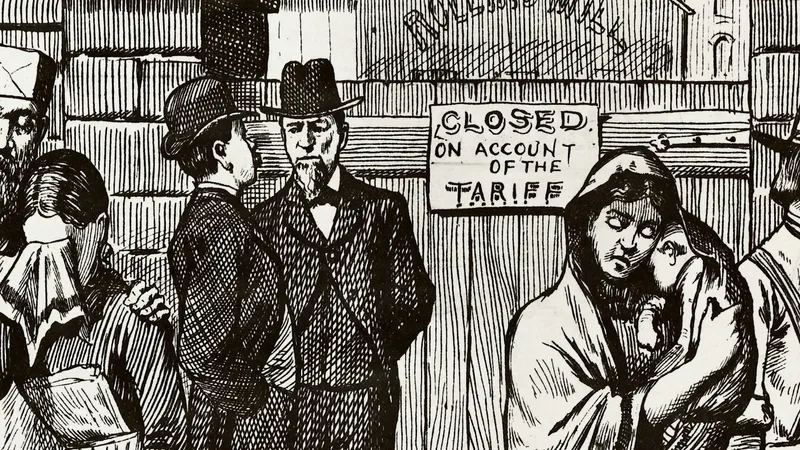
In 1828, Congress passed a tariff so unpopular in the South that people called it the 'Tariff of Abominations.'
What Happened?
The Tariff of 1828 jacked up taxes on imported goods by as much as 50%. The goal? Protect American industries in the North from cheap British imports. Sounds patriotic, right? Not to the South.
Southern states didn’t have many factories. They relied on selling cotton to Britain and buying British goods in return. The new tariff made those goods way more expensive. So Southerners ended up paying more and selling less. They felt targeted and called the law the 'Tariff of Abominations.'
South Carolina’s own John C. Calhoun, then Vice President of the U.S., secretly wrote a fiery protest. He argued that states should be able to 'nullify' federal laws they believed were unfair or unconstitutional. He based this idea on Thomas Jefferson’s old states’ rights arguments but cranked it up to eleven.
The crisis boiled over. By 1832, South Carolina declared that the tariff wouldn’t apply in their state. That’s right, they just refused to follow a federal law. President Andrew Jackson wasn’t having it. He got Congress to pass the Force Bill, which allowed him to use the military to collect the taxes if needed.
To cool things down, Congress passed the Compromise Tariff of 1833, which slowly lowered the rates. South Carolina backed off, but not before they declared the Force Bill null, just to make a point.
The whole drama became known as the Nullification Crisis. It was the first time a state openly threatened to break away from the Union over a federal law, and it wouldn’t be the last. The arguments over tariffs, states’ rights, and federal power would keep simmering all the way to the Civil War.
Why It Matters
The Tariff of 1828 didn’t just raise taxes—it raised the stakes. It tested how far a state could go to oppose the federal government. It showed how economics, politics, and regional pride could light a fuse under the Union. And it warned that when government policies feel unfair, people don’t just get mad—they get organized.
?
Why did Northern states support high tariffs while Southern states opposed them?
What is nullification, and why was it so controversial?
How did this tariff help set the stage for the Civil War?
What were John C. Calhoun’s main arguments in the 'South Carolina Exposition and Protest'?
How do tariffs work today, and do they still create tension between regions or countries?
Dig Deeper
This episode explores how the Tariff of 1828 led to the Nullification Crisis—and what it revealed about power struggles in early U.S. history.
Related
U.S. Geography: How the Land Shaped a Nation
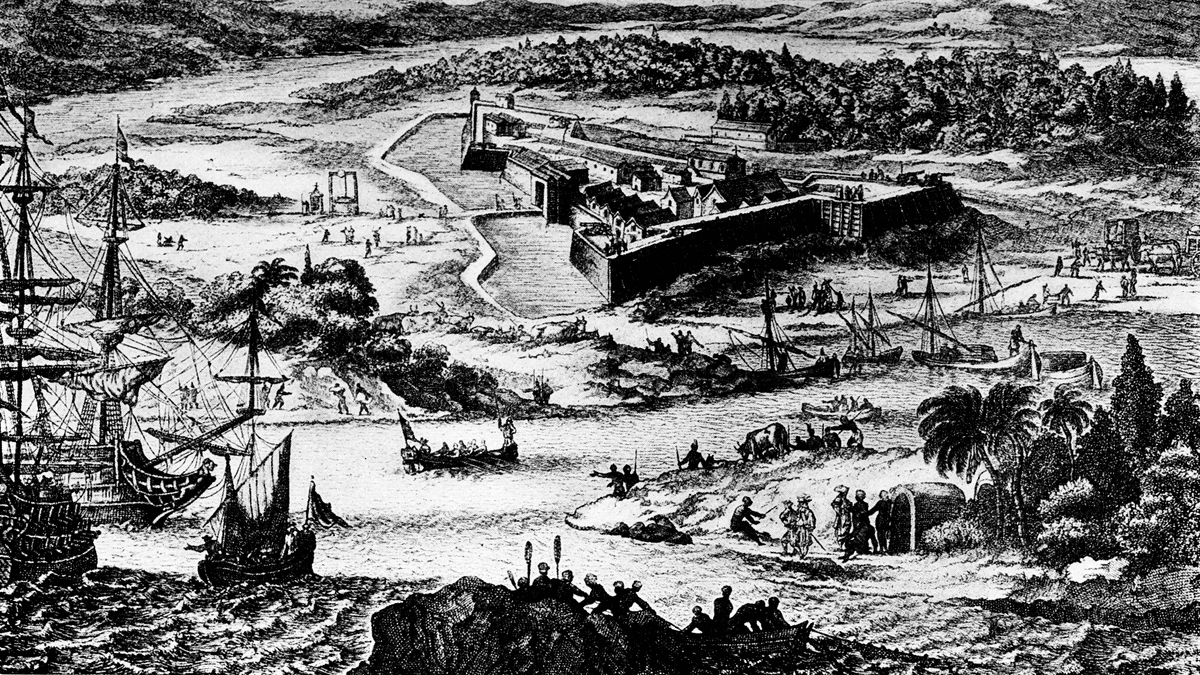
Before the United States was born, geography shaped how people lived, worked, and fought over this land. From the Appalachian Mountains to the Great Plains, the natural landscape influenced settlement, culture, and history.
The Gulf of Tonkin Incident: A Turning Point in the Vietnam War
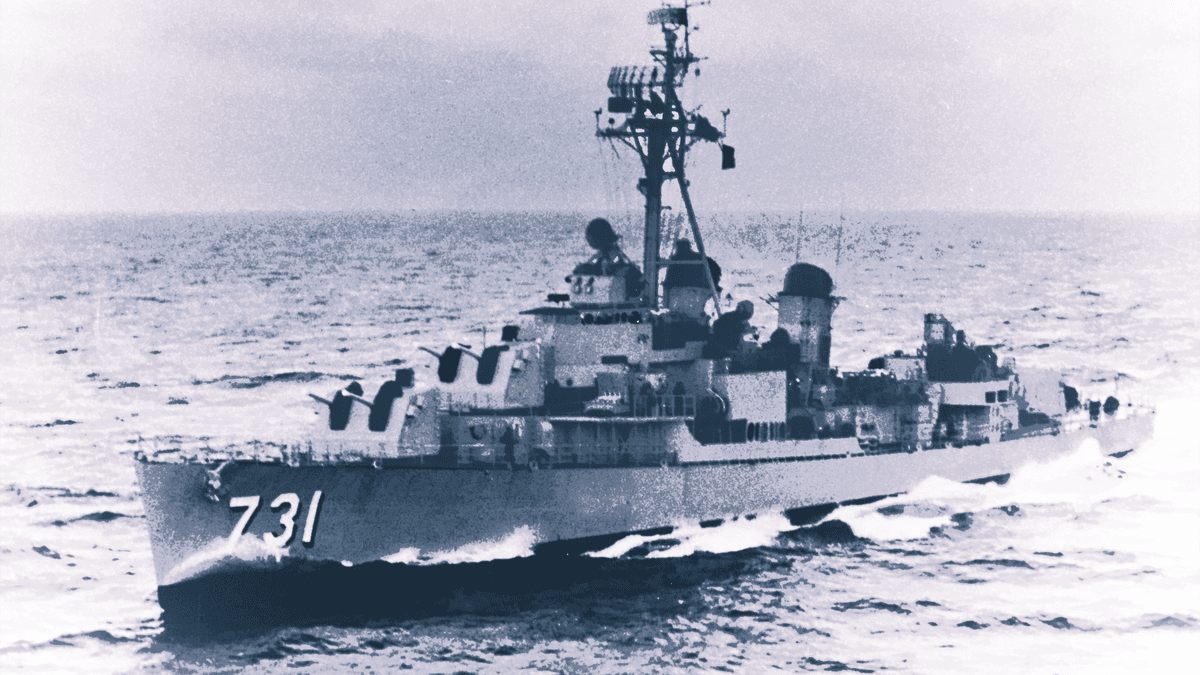
A disputed naval encounter that led to full-scale U.S. involvement in Vietnam—and raised lasting questions about power, truth, and war.
The U.S.-Mexico War
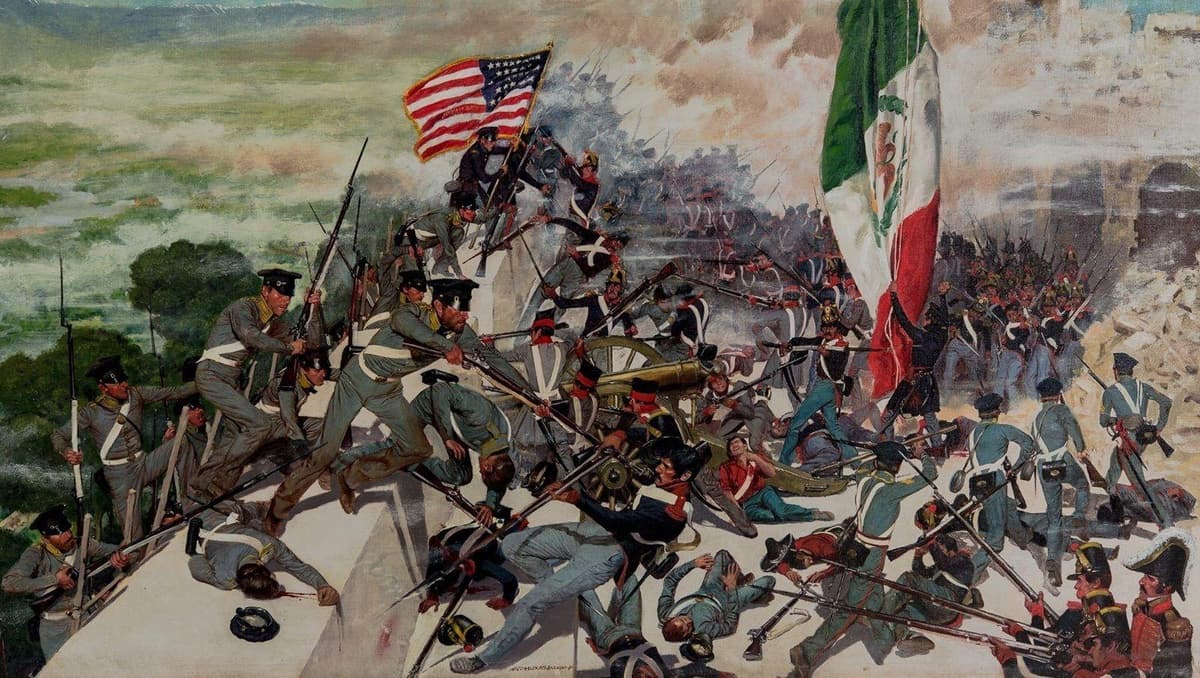
On May 13, 1846, the U.S. Congress declared war on Mexico. Behind the scenes? Land lust, slave politics, and a president with a map in one hand and a match in the other.
Further Reading
Stay curious!