

The Toast That Sparked a Movement: The Birth of Amnesty International
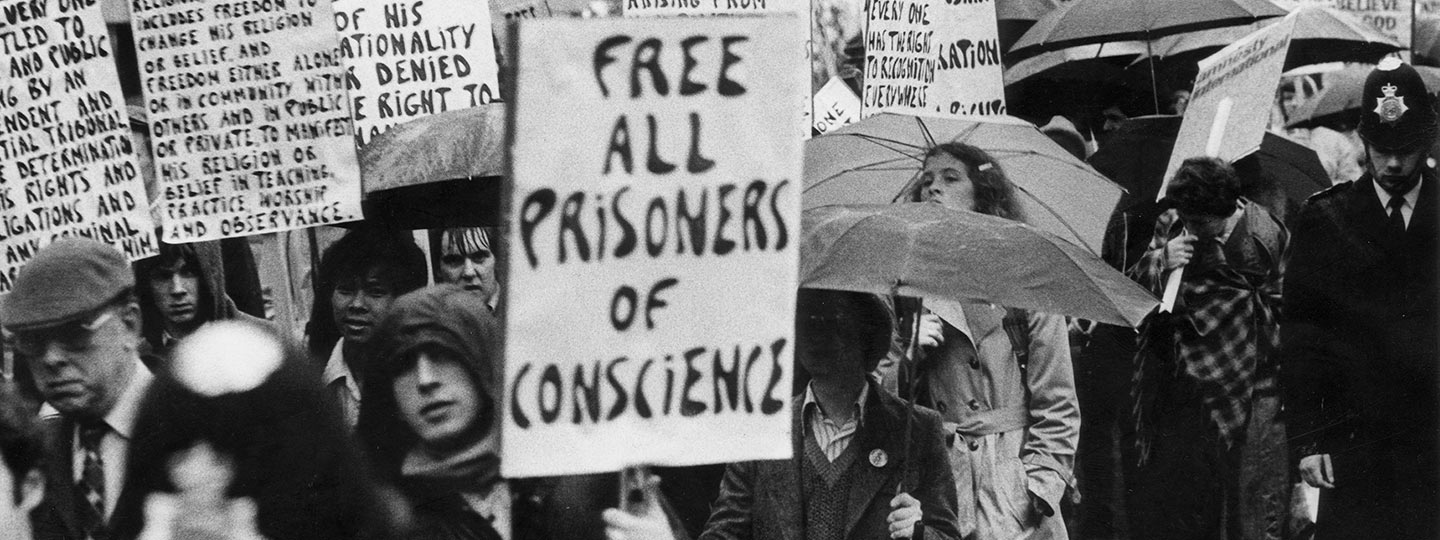
What began as outrage turned into organized action, changing the face of human rights activism forever.
What Happened?
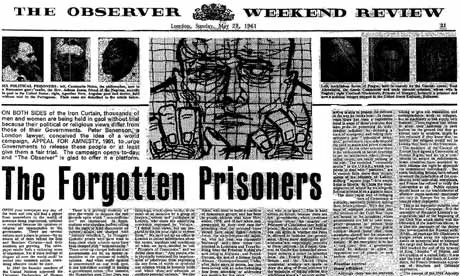
It all started with a newspaper and a toast. On May 28, 1961, British lawyer Peter Benenson read about two students in Portugal who had been arrested—just for raising a glass in a public restaurant and toasting to freedom. Portugal, ruled by dictator António Salazar, didn’t take kindly to that kind of optimism.
Benenson, outraged, did what freedom fighters often do best: he wrote. His article, The Forgotten Prisoners, ran on the front page of The London Observer and called out governments across the globe for imprisoning people simply for expressing their beliefs. He introduced a term that would come to define an era: 'prisoners of conscience.'
Benenson didn’t just shout into the void—he offered readers a way to act. He urged them to write letters. Protest peacefully. Shine light in dark corners. And thousands did. His article went global. People wrote letters. They met. They organized. And by the following year, Amnesty International was born.
Rooted in the Universal Declaration of Human Rights, Amnesty International made it clear: everyone has the right to think freely, speak openly, and believe without fear. From freeing Ukraine’s Archbishop Josyf Slipyi in 1963, to pushing back against torture, capital punishment, and mass surveillance, Amnesty built a legacy of resistance that crossed borders and crushed silence.
They didn’t play political favorites. They focused on people—whether imprisoned in Angola, South Africa, Romania, or the U.S. They made noise through books, concerts, and culture: The Secret Policeman’s Ball, the Human Rights Now! tour, and more.
In 1977, the world took notice. Amnesty International was awarded the Nobel Peace Prize for defending 'human dignity against torture, violence, and degradation.' By then, they'd grown into a global network of activists fighting for those whose voices had been stolen.
Today, Amnesty remains a watchdog in a world that still struggles with injustice. From the streets of Ferguson to the cells of Guantanamo, from LGBTQ+ rights to press freedom to holding corporations and governments accountable, Amnesty International continues the mission born from one moment of injustice and one lawyer who refused to look away.
Why It Matters
Amnesty International didn’t start with a war, a revolution, or a summit. It started with two students and a toast. It reminds us that human rights don’t protect themselves—people do. That letters can be louder than guns. And that the simple act of caring—loudly, publicly, and relentlessly—can flip the script on injustice.
?
What is a 'prisoner of conscience,' and why does that concept still matter today?
How does Amnesty International choose which cases to spotlight?
Why do nonviolent movements often succeed where governments fail?
How have Amnesty’s campaigns influenced modern-day human rights legislation?
What tools do students and teens have today to carry forward this legacy?
Dig Deeper
A short documentary about how Peter Benenson’s article sparked a movement that changed international human rights activism forever.
Related
The Bill of Rights: What Is It and What Does It Actually Do?
The Bill of Rights wasn’t added to the Constitution because everything was going great, it was added because the people didn’t trust the government. And they had every reason not to.
Westward Expansion, Sectionalism, and the Road to Civil War
Manifest Destiny fueled territorial growth, but it also deepened sectional divides—turning political disagreements over slavery and states’ rights into irreconcilable conflicts that led to civil war.

The Second Amendment: Rights, Regulation, and Modern Debate
The Second Amendment has sparked centuries of debate: Is it about militias, individual rights, or both? From its 18th-century origins to modern Supreme Court rulings, this question remains central to America’s most heated constitutional argument.
Further Reading
Stay curious!