

The Quartering Act Renewed: One Step Closer to Revolution
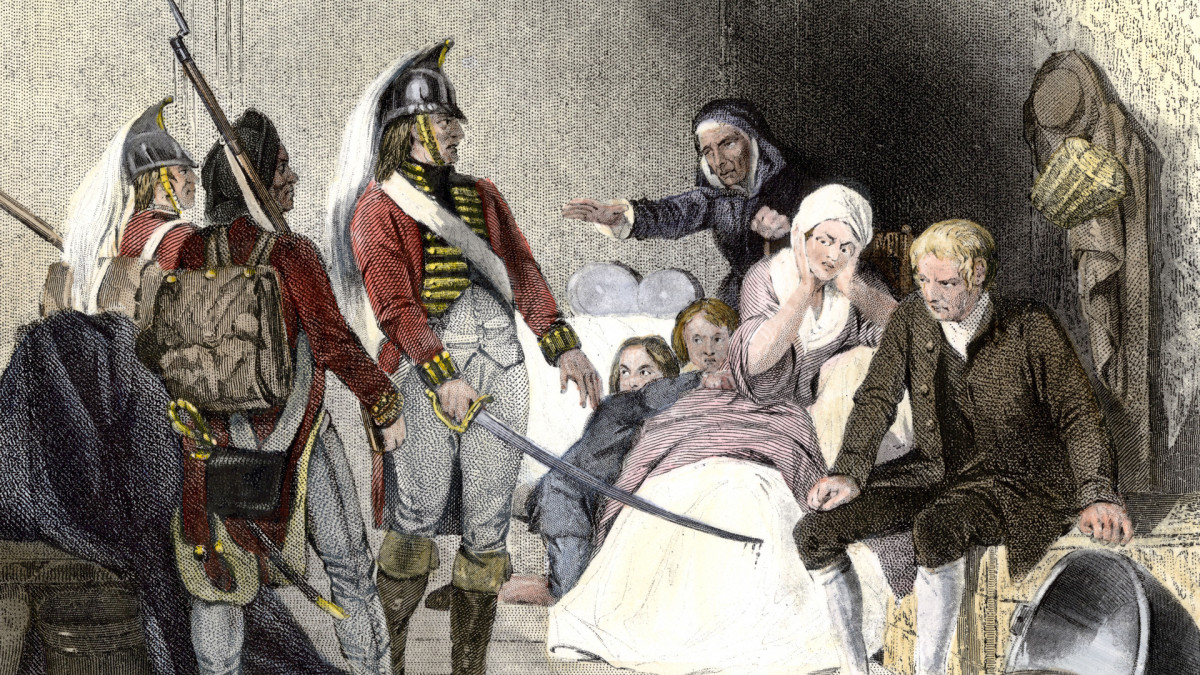
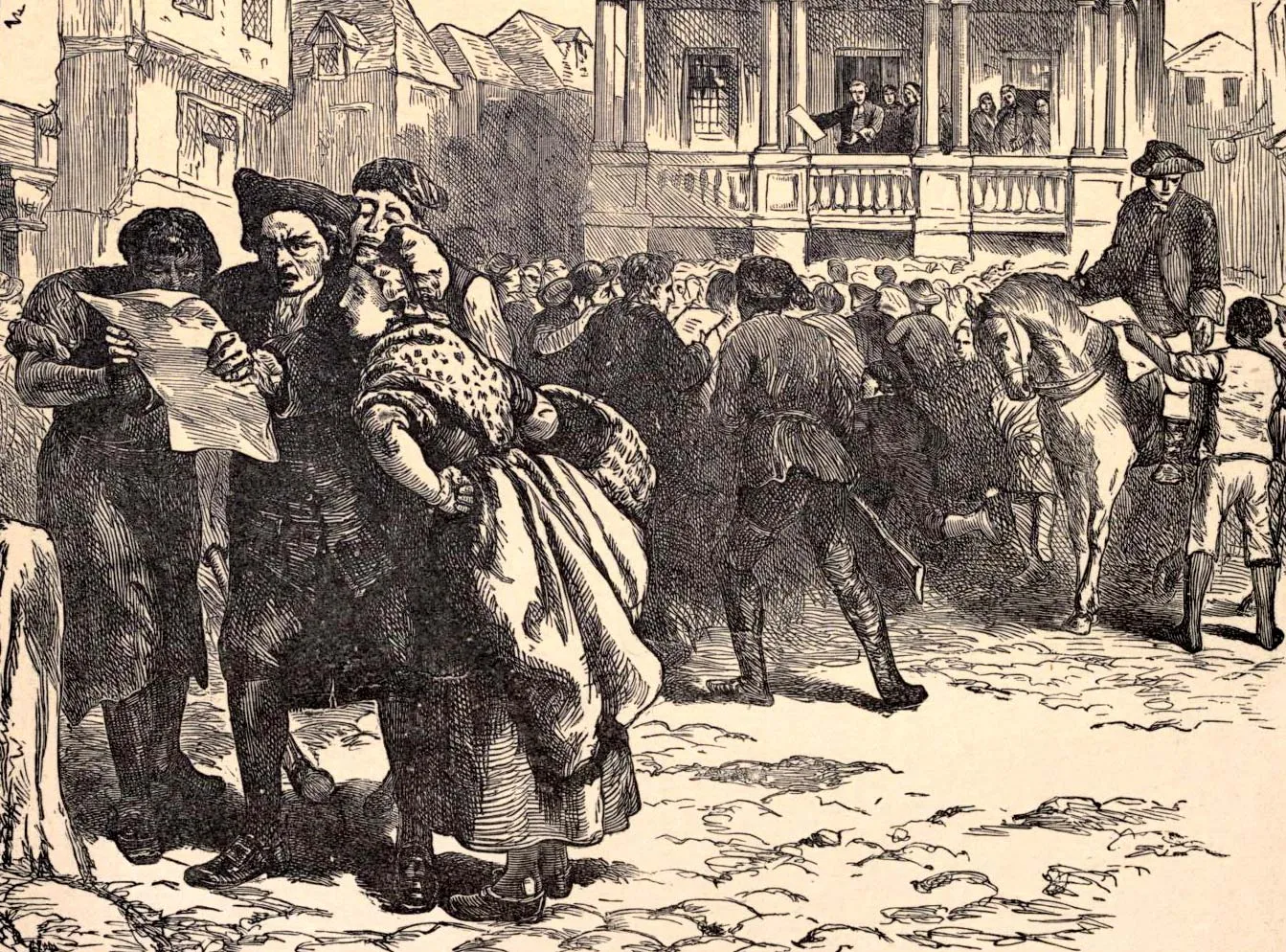
Illustration of British redcoats being quartered in colonial home during the 1770s.
What Happened?
After the Boston Tea Party dumped 342 chests of British tea into the harbor in 1773, the British Parliament was not in the mood to forgive and forget. Instead, they passed a series of punishing laws called the Coercive Acts—known to colonists as the Intolerable Acts. The Quartering Act was the final blow in this legal gut punch.
The original Quartering Act of 1765 had already stirred resentment. Colonists had to provide housing, food, and supplies to British soldiers stationed in the colonies, even during peacetime. Many believed this was just a sneaky way to tax them without actually saying the word 'tax.'
But the 1774 version went even further. It gave British officers the power to demand housing anywhere they deemed 'convenient'—even on private property. While it didn’t explicitly force people to share their homes, it allowed soldiers to occupy barns, uninhabited buildings, or other structures owned by colonists, all at the owners’ expense. The message? The empire could put boots on your land—and you'd better not complain.
This act wasn’t just about logistics. It was psychological warfare. Stationing soldiers in and around communities was a power move, designed to remind colonists who was boss. It also stirred up tension between civilians and soldiers—tensions that would later explode in events like the Boston Massacre.
Alongside other Coercive Acts—like the Boston Port Act (which shut down Boston’s economy until the tea was paid for), the Massachusetts Government Act (which gutted local democracy), and the Administration of Justice Act (which allowed British officials to skip trial by jury)—the Quartering Act showed colonists that the king wasn’t interested in compromise. He was interested in control.
In response, the colonies united like never before. On September 5, 1774, delegates—including a very fired-up George Washington—met at the First Continental Congress. They launched boycotts, drafted petitions, and planted the seeds of rebellion that would grow into a full-scale revolution by the following spring.
Why It Matters
The Quartering Act wasn’t just about housing soldiers—it was about stripping people of their rights and dignity. It helped unite the colonies under one cause: freedom. And it’s a big reason why the Founders later included the Third Amendment in the Constitution, to make sure no government could ever pull this stunt again.
?
Why do you think Parliament thought the Quartering Act would work—and why did it backfire?
How did laws like the Quartering Act lead to the idea of American independence?
Would you support a modern law that required citizens to house government agents? Why or why not?
Why do you think the Quartering Act is rarely taught in detail today, even though it influenced the Constitution?
What other rights do you think people today take for granted that colonists had to fight for?
Dig Deeper
When news reached Britain of the Boston Tea Party, in which 342 chests of tea were dumped into Boston Harbor, Parliament resolved to reassert British control. To punish the colonists, especially those in Massachusetts, Britain introduced a series of laws known as the Coercive Acts. These became known as the Intolerable Acts in America.
Related
The First Great Awakening: Faith, Fire, and a New American Identity
Long before the Revolution, a different kind of rebellion was stirring, one in the soul. The First Great Awakening reshaped American religion and helped plant the seeds of self-government and democratic identity.
The Regulator Movement: Backcountry Rebellion Before the Revolution
Long before the American Revolution, farmers in North Carolina were already fighting corruption and demanding justice.
The Enlightenment: Revolution of the Mind
The Enlightenment wasn’t just an era of smart people in powdered wigs—it was a radical shift in how humans understood power, truth, and their place in the world. Its ideas fueled revolutions, rewrote constitutions, and laid the intellectual bricks of modern democracy.
Further Reading
Stay curious!