

The Zoot Suit Riots: When Fashion Became a Flashpoint
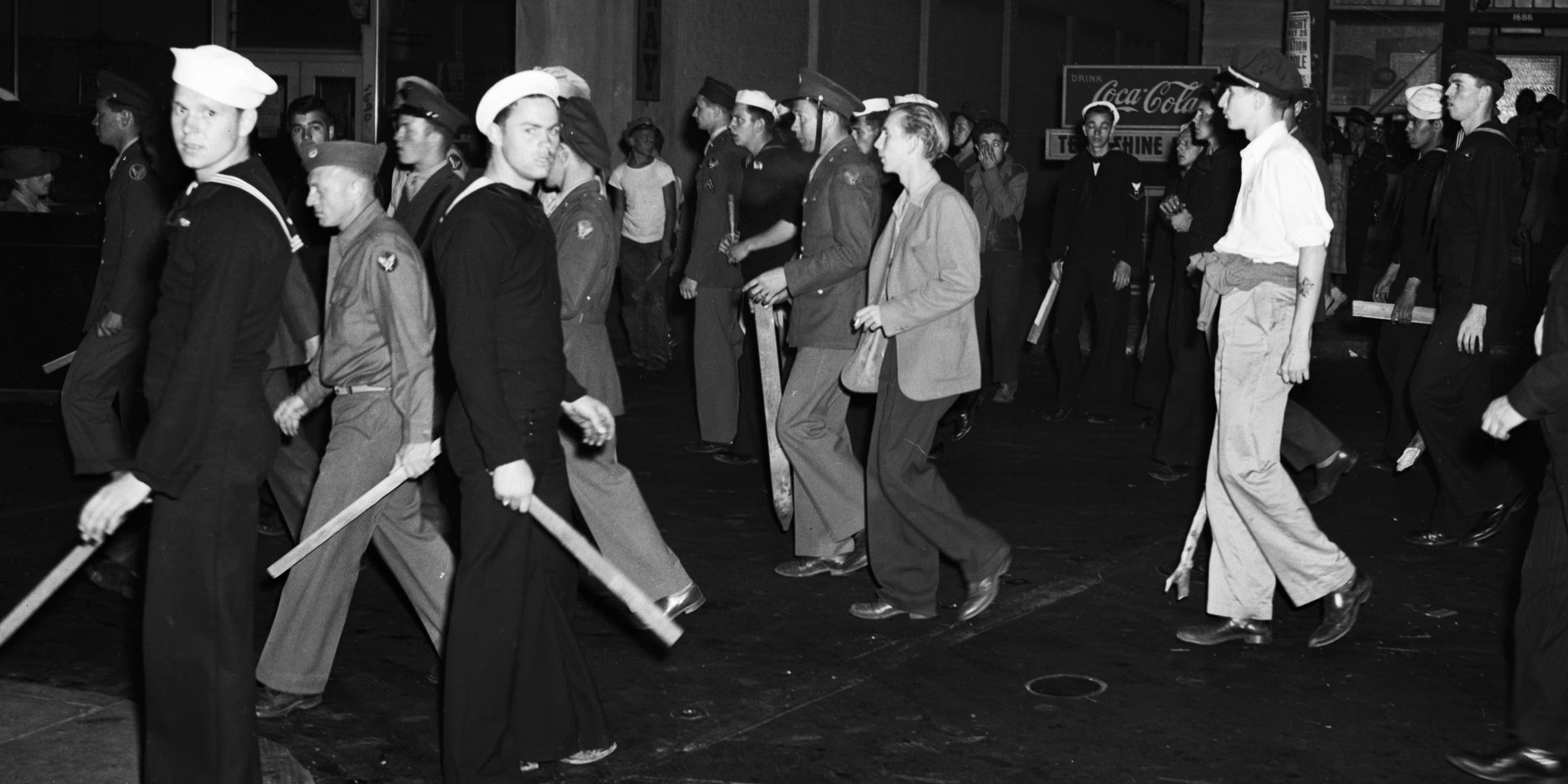
On June 3, 1943, violence exploded in L.A. as servicemen beat and stripped young Latinos in oversized coats and wide-legged pants.
What Happened?
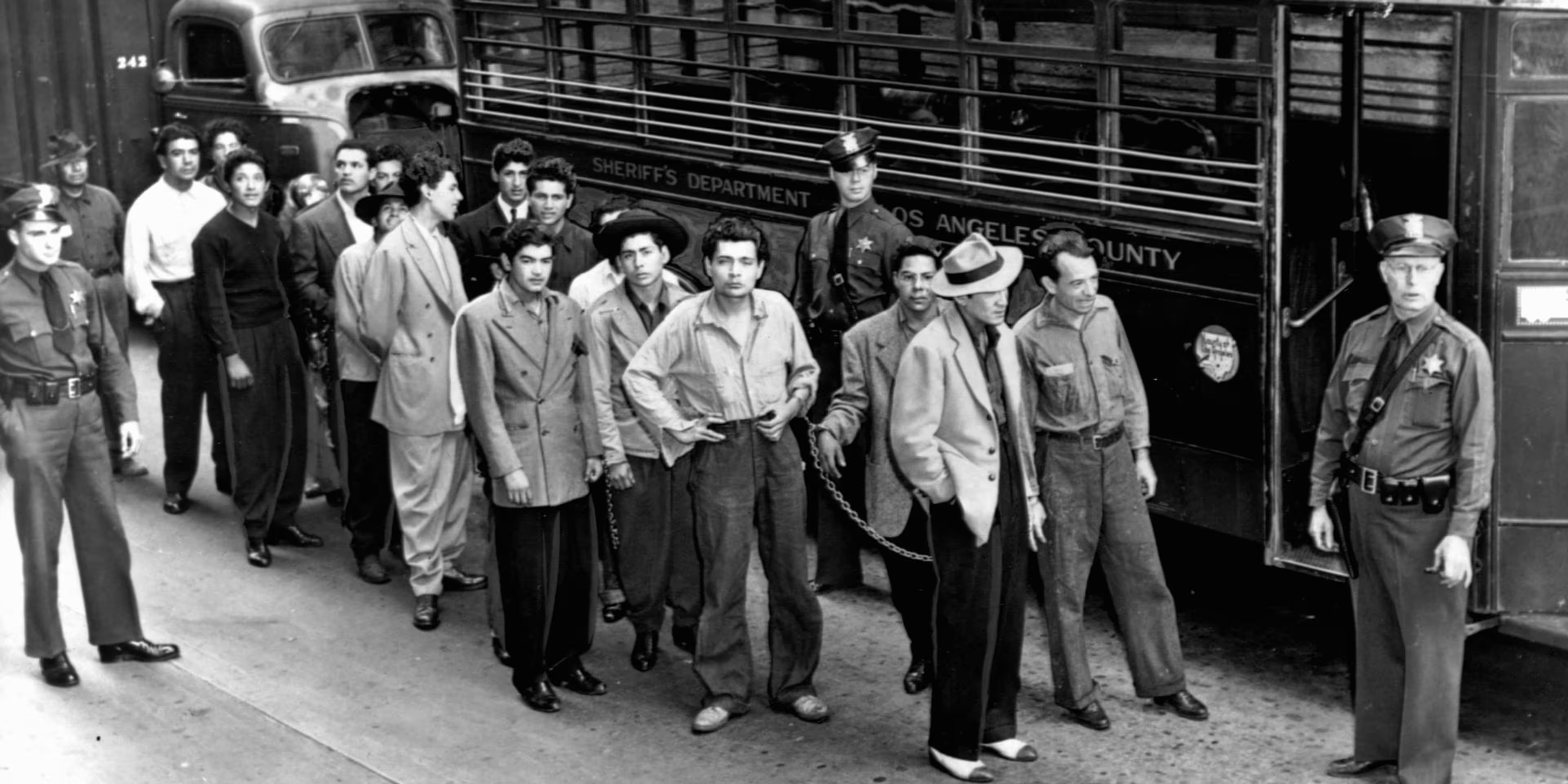
Downtown Los Angeles, summer of '43. American soldiers are fighting overseas in World War II, but back home, another kind of battle is brewing. A group of sailors armed with clubs roams the streets—not looking for enemy soldiers, but for teenagers wearing 'zoot suits.' The target? Mostly Mexican American youth, and anyone else who didn’t look white enough or patriotic enough.
Zoot suits were loud. They broke wartime fabric rules. They came with swagger, jazz, and cultural pride. And to many white Angelenos, they were seen as disrespectful and rebellious. Local media called them criminal. The police treated them like gang uniforms. But for the young people wearing them—Black, Latino, Filipino—they were a declaration: 'We’re here. We matter. You can’t ignore us.'
After a sailor claimed he was attacked by a group of zoot-suiters, the retaliation began. On June 3, around 50 sailors stormed downtown Los Angeles, hunting for kids in zoot suits. They dragged them out of bars and cafes, stripped their suits off, and left them bruised and bleeding in the street. Some victims were as young as 12.
Over the next five days, the violence spread like wildfire—to East L.A., to Watts, to other cities. Servicemen, off-duty cops, and even civilians joined in. Taxi drivers gave free rides to rioters. Police often stood by—or arrested the victims instead of the attackers.
By June 8, the military had to step in to stop the chaos. The Navy banned its men from the city. L.A. outlawed zoot suits. But nobody was killed—only brutalized. And nobody forgot.
The state’s investigation pointed to what many already knew: racism was at the root of it all. The media had stoked fear. The LAPD had looked the other way. And young people of color had paid the price—for wearing clothes that made them feel proud.
Years later, the zoot suit would appear on runways, album covers, and Broadway stages. But its original meaning—a bold refusal to be invisible—remains stitched into its seams.
Why It Matters
The Zoot Suit Riots showed that racism can wear a uniform—or a newspaper byline. It proved that fashion can be protest, and that claiming space, style, and pride can be a revolutionary act. These riots weren’t about clothes. They were about control. And the backlash was brutal.
?
Why do you think zoot suits were seen as such a threat by the mainstream in 1943?
Can clothing be political? What other fashion choices have sparked controversy or protest?
How did media coverage shape public opinion during the Zoot Suit Riots?
What parallels can you draw between the Zoot Suit Riots and more recent protests or uprisings?
Why do you think the city of L.A. chose to ban zoot suits instead of addressing the violence?
Dig Deeper
An eye-opening look at the racism, style, and injustice that sparked one of the most infamous civil unrest events in L.A. history.
Related
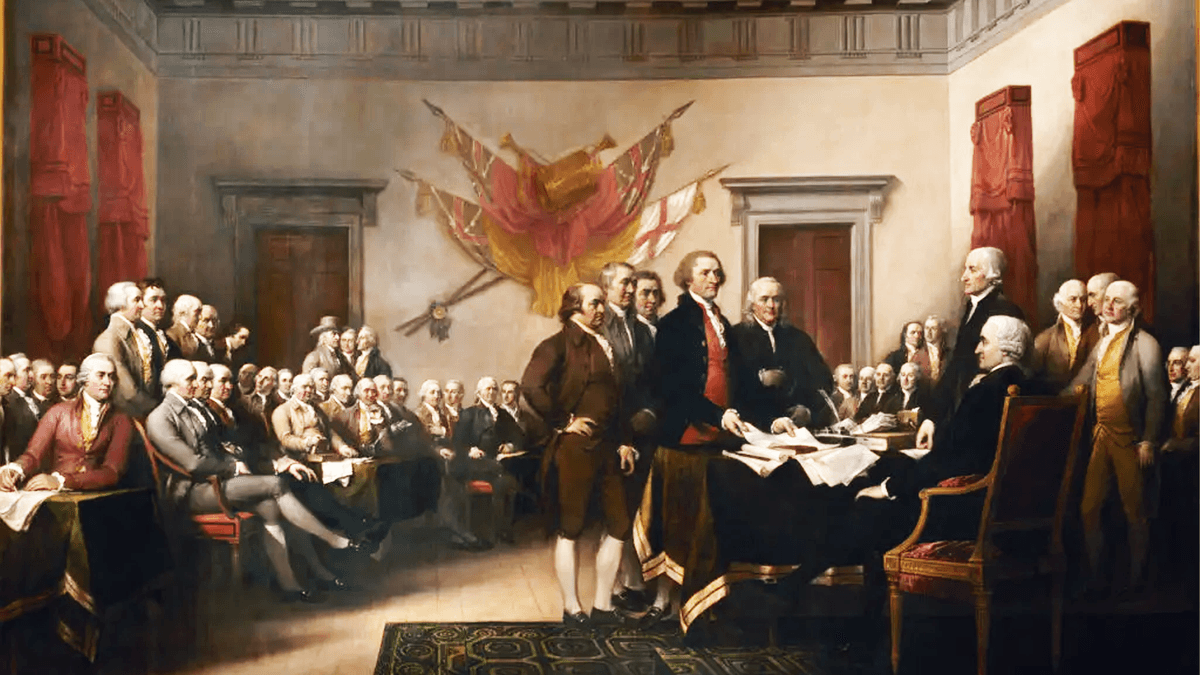
The Declaration of Independence: Ideas, Action, and Aftermath
When the colonies declared independence, they didn’t just start a war—they launched an idea that would echo across centuries. But did America live up to it?
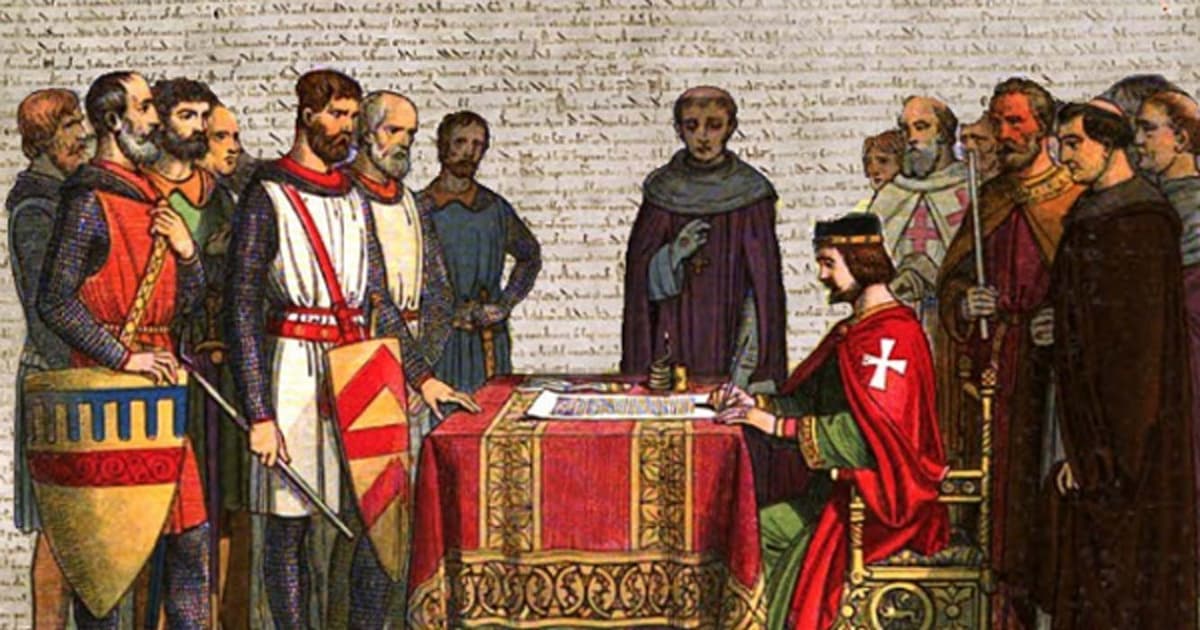
Magna Carta
On May 12, 1215, a gang of angry English barons forced King John into a corner—and launched a document that would echo across centuries. It wasn’t democracy, but it was a dent in the divine right of kings.
The First Amendment: America’s Blueprint for Freedom
The First Amendment protects freedoms of speech, religion, press, assembly, and petition. It’s the foundation of American democracy—but also a source of constant debate and interpretation.
Further Reading
Stay curious!