

Edward Snowden Blows the Whistle on the Surveillance State
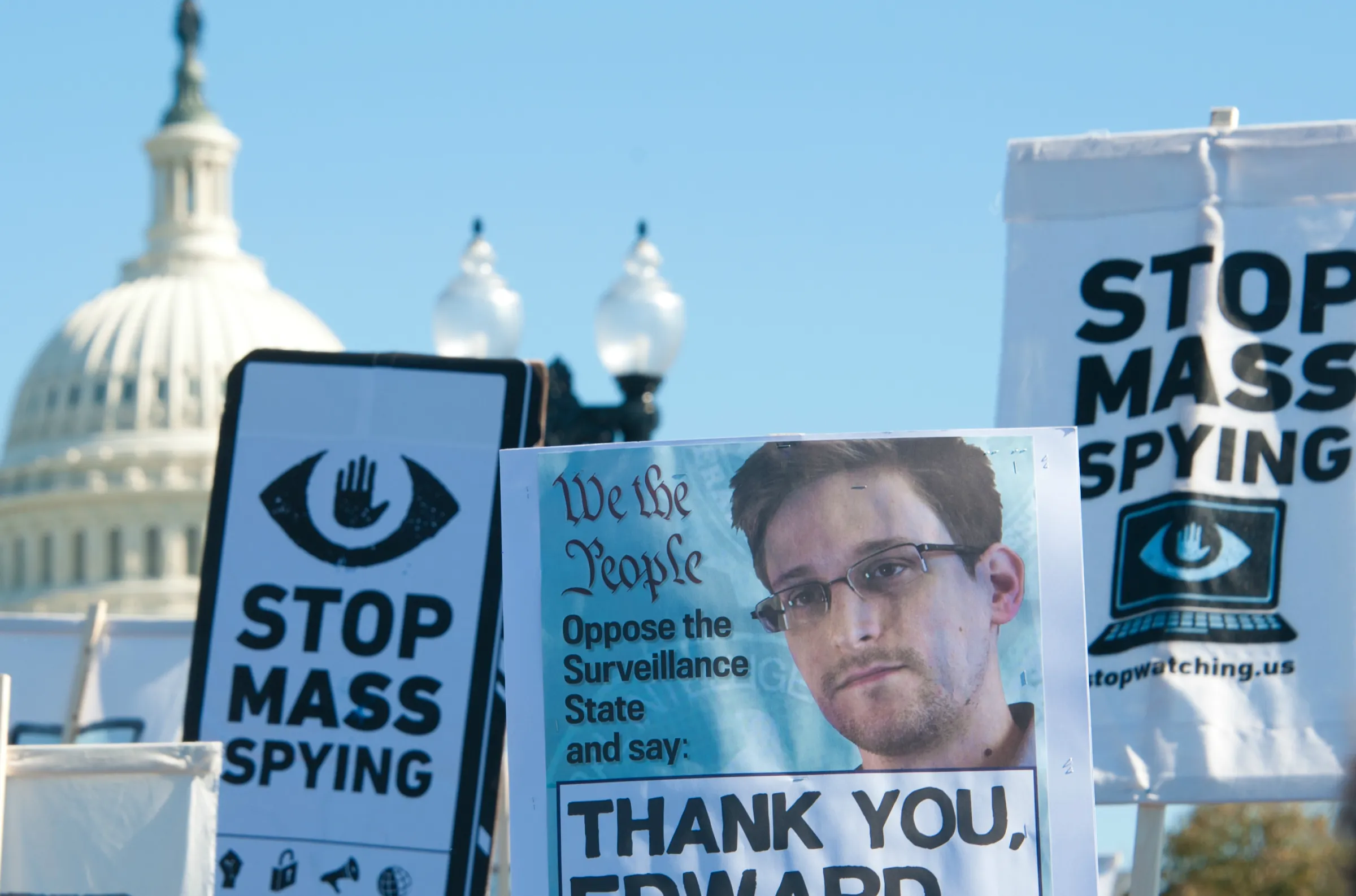
Edward Snowden didn’t leak for fame or fortune—he leaked for freedom.
What Happened?
On June 5, 2013, The Guardian dropped a bombshell: the NSA was collecting phone records of millions of Verizon customers—daily. Not suspected criminals. Not foreign agents. Regular people. It was the first of many revelations from Edward Snowden, a 29-year-old NSA contractor who had seen enough.
Over the coming days, more stories emerged. The PRISM program. Secret deals with tech giants like Google and Facebook. Tapping directly into undersea cables. Watching world leaders. It wasn’t just national security—it was total surveillance.
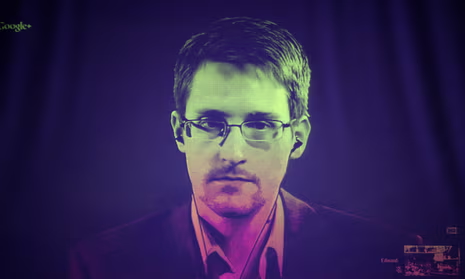
Three days later, Snowden stepped into the light: not a shadowy hacker, but a soft-spoken American with a strong sense of justice. He left behind a lucrative life in Hawaii, his partner, and his safety. His reason? A belief that Americans deserved to know what was being done in their name—and against their rights.
The backlash was swift. Some called him a hero. Others labeled him a traitor. Charged under the Espionage Act, Snowden fled to Hong Kong, then Russia, where he remains in exile today. He joined a long lineage of American whistleblowers who risked everything to speak truth to power.
Snowden’s leaks led to congressional hearings, international outcry, and small but real reforms in surveillance laws. Yet critics argue the changes were surface-level. The machinery of mass data collection kept humming along.
The bigger question remains: Can a democracy thrive in the age of total surveillance? Snowden’s answer was clear. Democracy dies behind closed doors. And privacy isn’t just about secrets—it’s about dignity, creativity, and freedom itself.
His actions made one thing undeniable: you don’t need a title or a badge to stand up for liberty. Sometimes, all it takes is a laptop, a conscience, and a willingness to walk away from everything you know for a world you still believe in.
Why It Matters
Snowden cracked open the black box of government surveillance and forced a global conversation about freedom, security, and the price of privacy in the digital age. In doing so, he reignited an old American tradition: whistleblowing in defense of democracy. His actions challenged us to decide what kind of society we want to live in—a world of watchers and watched, or one of rights, oversight, and meaningful consent.
?
What’s the difference between whistleblowing and leaking? Should intent matter when judging someone like Snowden?
How did the media influence the public’s view of Snowden—as a patriot, a criminal, or something in between?
Can mass surveillance ever be compatible with democracy? Who gets to decide where the line is?
What are the responsibilities of tech companies when it comes to government data requests?
Would you have done what Snowden did? Why or why not?
Dig Deeper
A breakdown of what Snowden’s leaks revealed—and why they still matter today.
NSA whistleblower Edward Snowden, the source behind the Guardian's NSA files, talks to Glenn Greenwald about his motives for the biggest intelligence leak in a generation.
Related
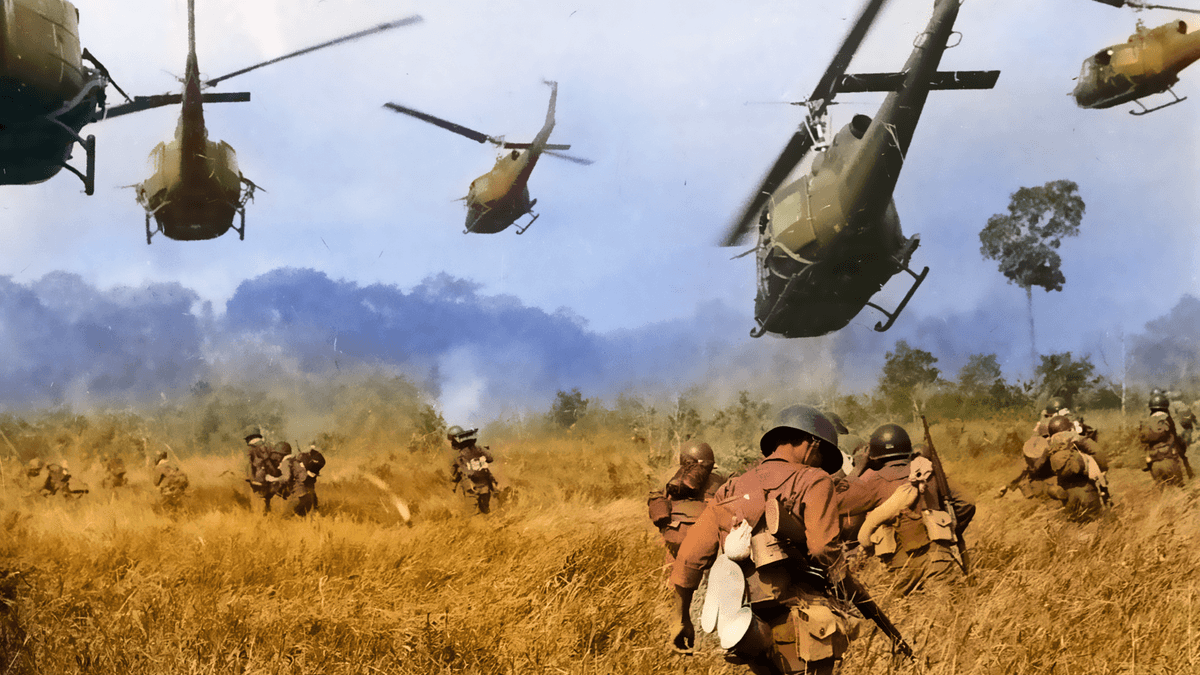
The Vietnam War: Conflict, Cold War, and Consequences
A complex war shaped by colonial history, Cold War fears, and powerful resistance—understand why the Vietnam War happened and why it still matters.
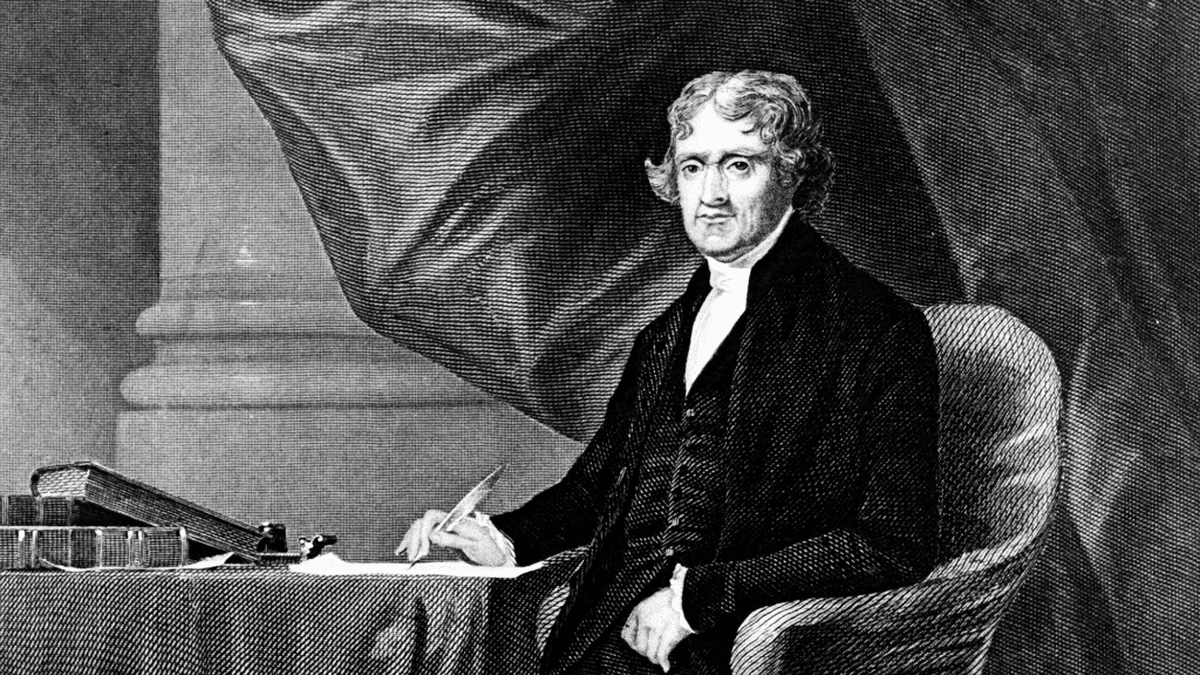
Thomas Jefferson’s Balancing Act: Power, Principles, and Pirates
He wanted smaller government. He ended up doubling the country. Jefferson’s presidency is the story of a man trying to shrink power—and finding out how complicated that gets when the world comes knocking.
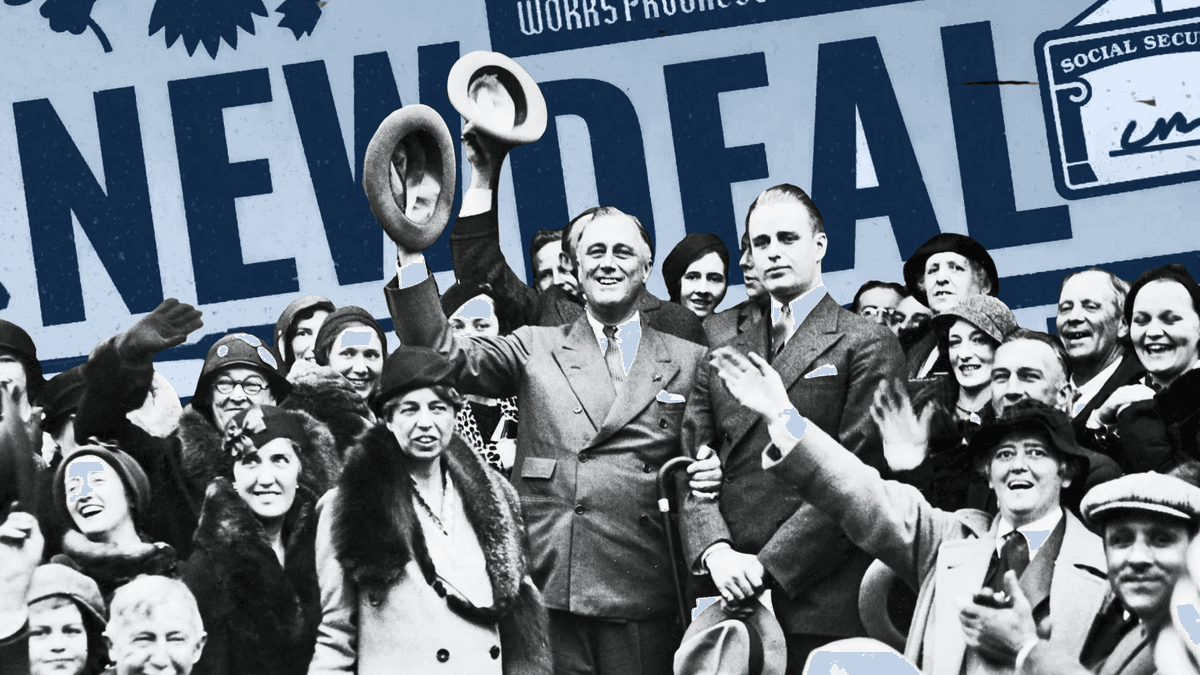
The New Deal: Fighting Depression with Bold Ideas
Faced with economic collapse, President Franklin D. Roosevelt launched a revolutionary plan to rebuild America from the ground up. The New Deal wasn’t just policy—it was a bold experiment in hope, action, and government responsibility.
Further Reading
Stay curious!