

Hollywood on Trial: When the FBI Named Names and Silenced Voices
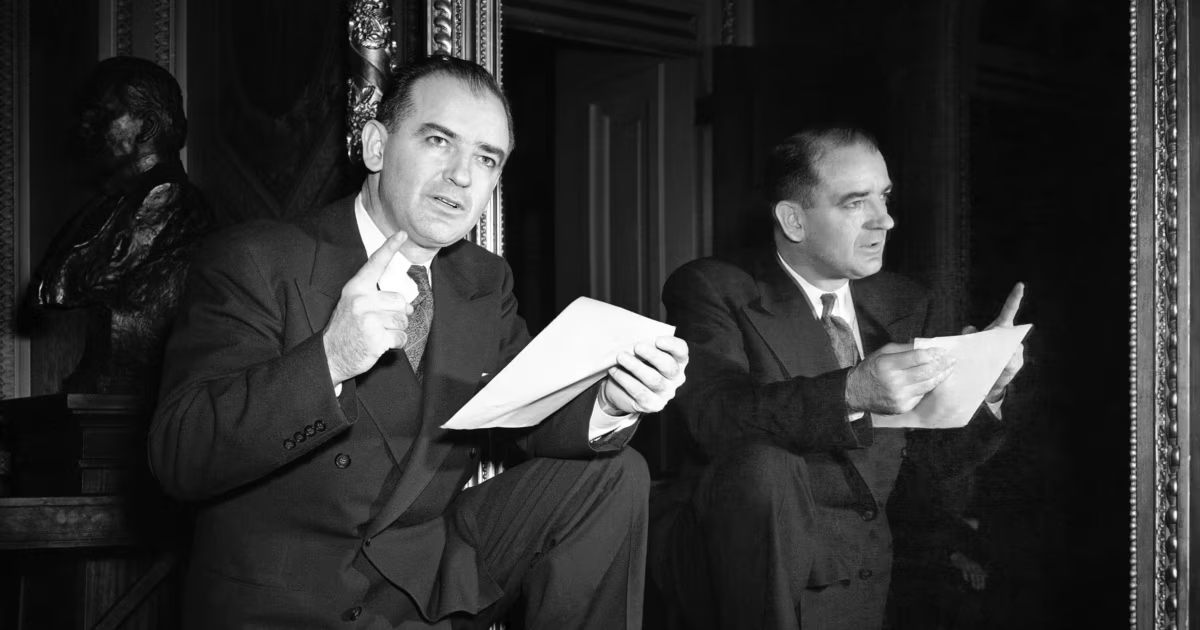
June 8, 1949, the FBI accused prominent Hollywood stars of communist sympathies, dragging the silver screen into the shadows of Cold War paranoia.
What Happened?
In postwar America, fear had a new face—and it looked a lot like your favorite movie star. On June 8, 1949, the FBI released a report naming actors Fredric March, Edward G. Robinson, Paul Muni, and John Garfield as alleged members of the Communist Party. Their crime? Speaking out against nuclear weapons. Supporting aid to a devastated Soviet Union. Questioning authority. In the eyes of J. Edgar Hoover and the House Un-American Activities Committee, that made them dangerous.
The report leaned heavily on anonymous 'informants' and vague accusations, but the damage was real. March, a decorated actor and activist, had worked alongside voices like Helen Keller and Danny Kaye in peace organizations. Robinson had spoken proudly of his patriotism. But the headlines screamed 'Red!' and careers were cut short.
This wasn’t the first time Congress had gone after Hollywood. In 1947, the 'Hollywood Ten'—writers and directors who refused to name names—were held in contempt and jailed. What followed was a blacklist that left actors, musicians, and filmmakers unemployable for years, all based on political suspicion.
This wasn’t justice. It was a cultural purge. People were erased not for what they did—but for what they believed, or who they were rumored to know. Scripts were censored. Lives were shattered. Free expression, a cornerstone of democracy, was gagged by whispers and subpoenas.
And it wasn’t just Hollywood. This moment was part of a larger campaign led by Senator Joseph McCarthy, who claimed to have lists of government officials tied to communism—without offering a shred of evidence. It would take one sharp rebuke—'Have you no sense of decency, sir?'—to unravel McCarthy’s reign. But by then, the damage was done.
Why It Matters
This wasn’t just a moment of political overreach. It was a test of the American conscience. When fear overrides fact and silence becomes the price of survival, democracy teeters. The Hollywood blacklist reminds us that freedom of thought and expression aren’t luxuries—they’re lifelines. And in every era, they must be protected from the machinery of suspicion.
?
Why do you think the U.S. government targeted artists and entertainers during the Red Scare?
How can media and culture be used to challenge—or reinforce—political narratives?
What would you have done if you were asked to name names to keep your job?
How did the actions of the Hollywood Ten influence future movements for civil liberties?
Are there modern parallels to the culture of surveillance and blacklisting during the McCarthy era?
Dig Deeper
In the 1950s, as part of a campaign to expose suspected Communists, thousands were aggressively investigated and questioned. This video traces how McCarthyism gripped—and nearly broke—American democracy.
Related
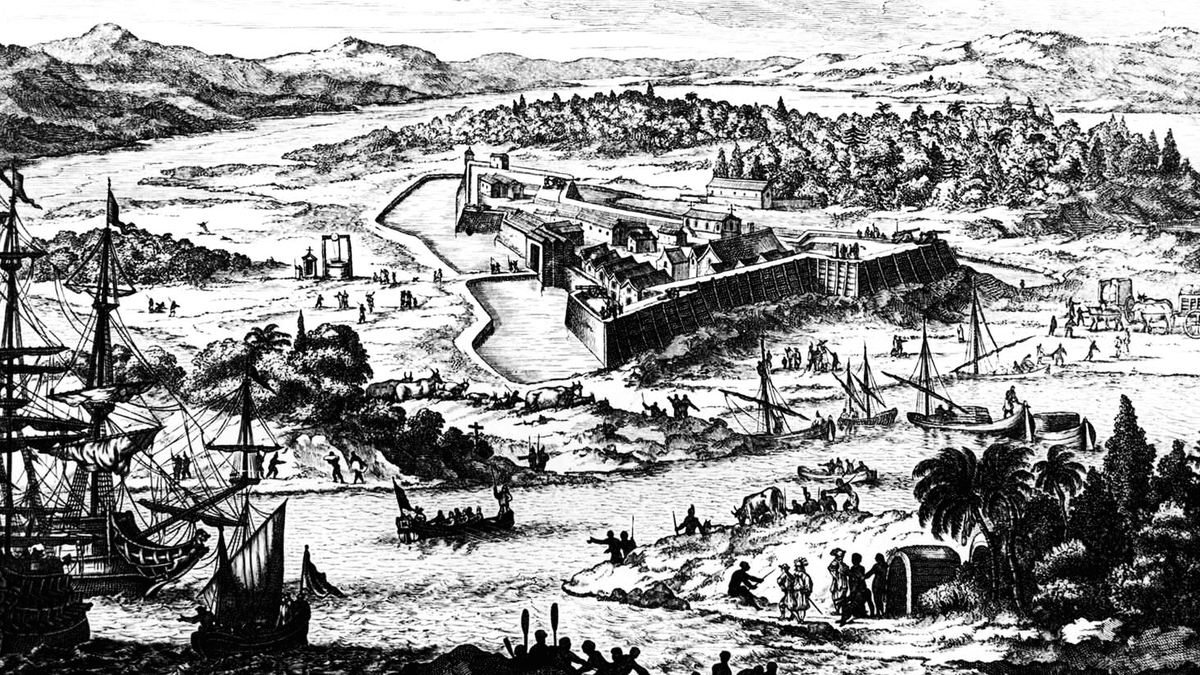
Life and Society in the Colonial Carolinas
Explore the rise of plantation agriculture, slavery, class divisions, and the shaping of daily life in the colonial South—particularly in North Carolina and South Carolina.
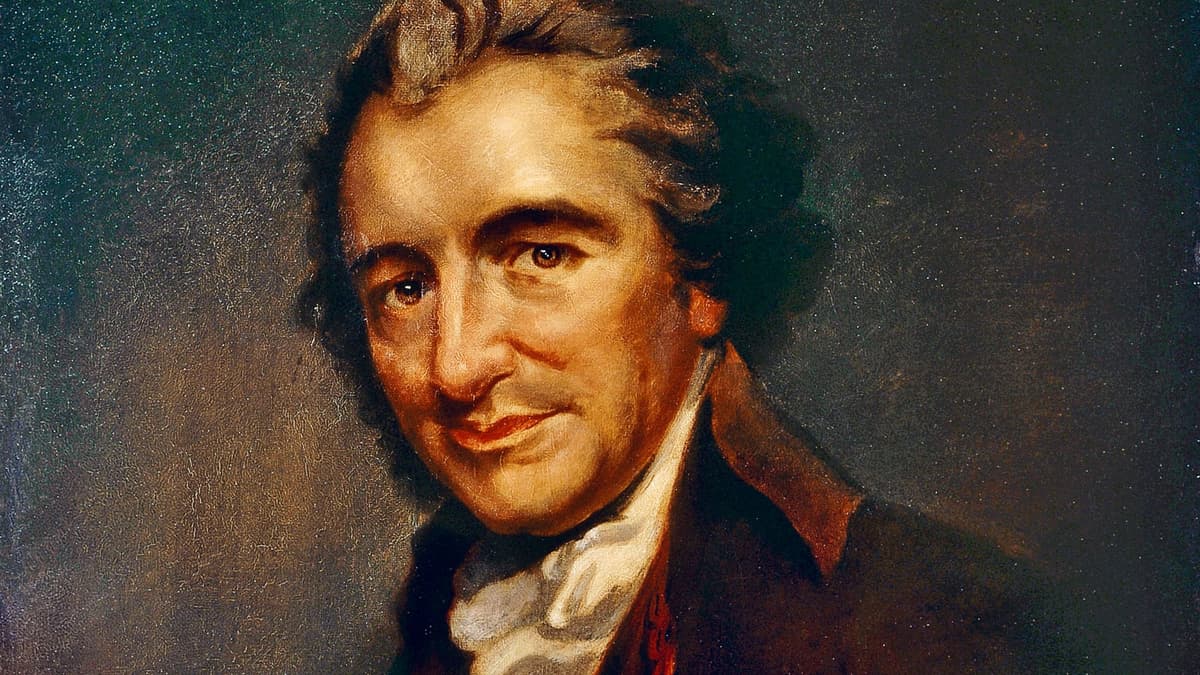
The Role of Ideas in Revolutionary Change
The Role of Ideas in Revolutionary Change: How can ideas and writings change the course of history?
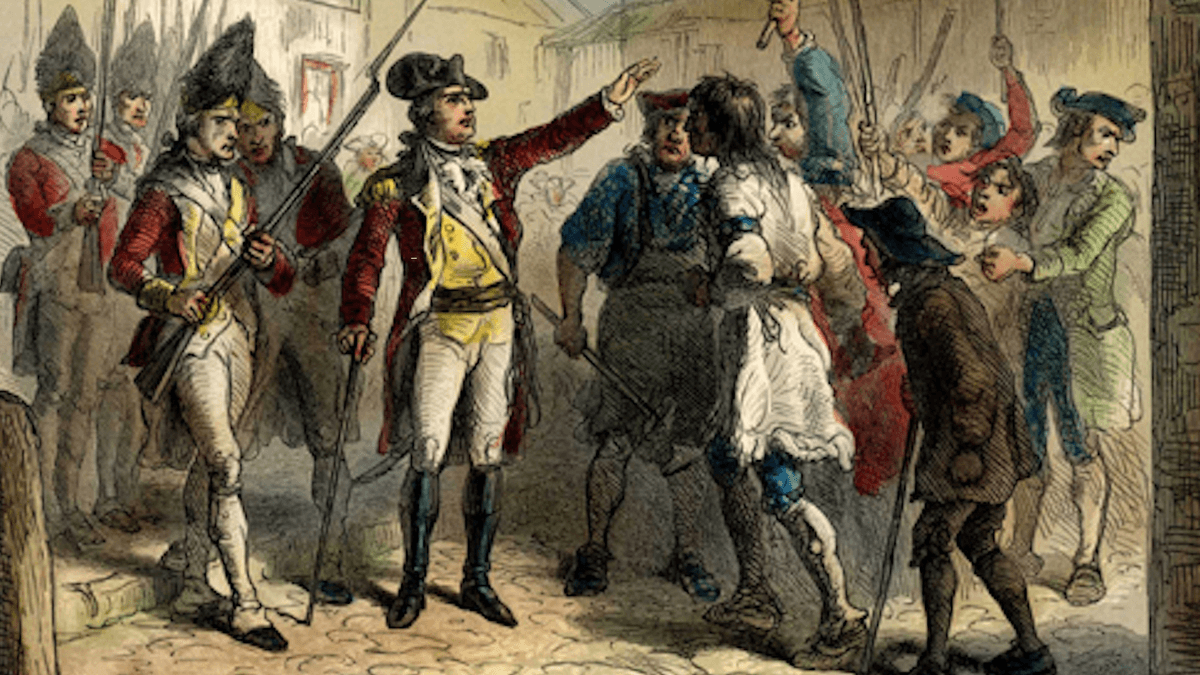
The Regulator Movement: Backcountry Rebellion Before the Revolution
Long before the American Revolution, farmers in North Carolina were already fighting corruption and demanding justice.
Further Reading
Stay curious!