

You Have the Right to Remain Silent: Miranda v. Arizona Redefines Justice
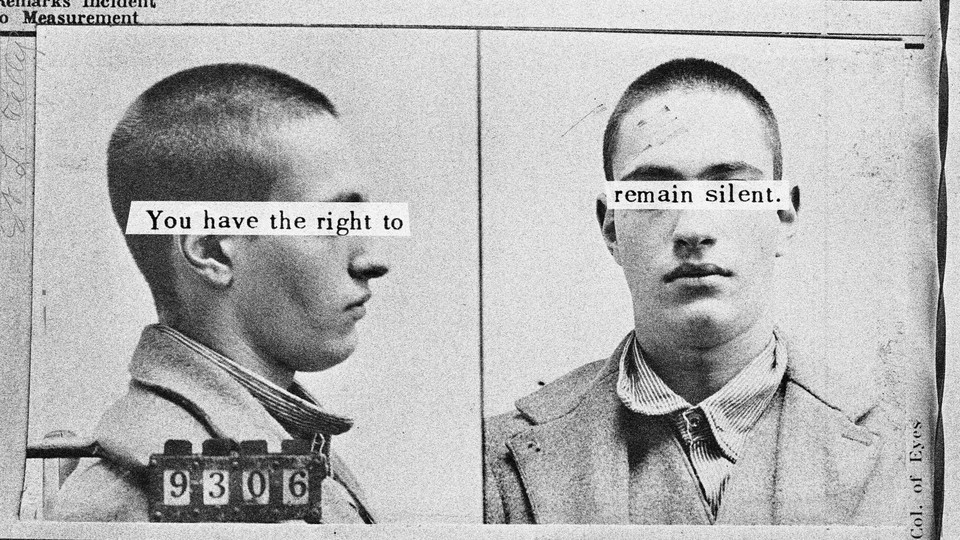
On this day in 1966, the justices ruled that suspects must be told they have the right to remain silent—and the right to a lawyer—before police can question them.
What Happened?
Before TV detectives read suspects their rights, before courtroom dramas echoed with legal catchphrases, there was Ernesto Miranda—a man who confessed under pressure without knowing he could’ve stayed silent.
Miranda’s 1963 arrest for kidnapping and rape led to a two-hour interrogation. No lawyer. No rights read. Just a signed confession, later used to convict him. But what the system saw as routine, the Supreme Court saw as a problem—a big one. In 1966, they ruled 5–4 that Miranda’s rights had been violated.
The Court declared that suspects in custody must be clearly informed of their Fifth and Sixth Amendment rights: the right to remain silent, and the right to legal counsel. Without these warnings, any confession is considered legally suspect—no matter how neatly it’s signed.
The ruling didn’t just apply to Miranda. It applied to four cases, across different states, where people had been interrogated in isolation, cut off from the outside world. The justices called out the ‘inherently coercive’ pressure of custodial interrogations, and demanded safeguards.
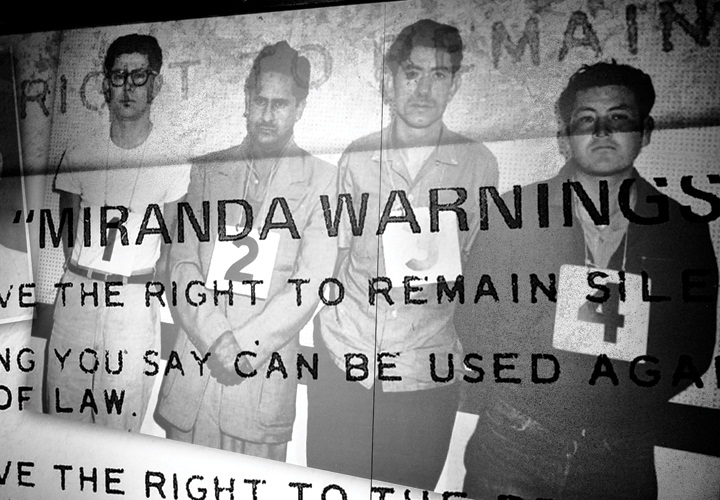
The result? The Miranda Warning. A legal ritual now etched into American culture: 'You have the right to remain silent. Anything you say can and will be used against you…'—a script designed to put power back in the hands of the accused. It’s not just a formality—it’s a firewall against abuse.
Miranda’s original conviction was overturned, but he was retried, convicted again, and served time. He was released in 1975—and stabbed to death just a month later. In a twist of fate, his suspected killer was read the Miranda rights. Nobody ever talked. Nobody was convicted.
Today, the Miranda Warning stands as a cornerstone of criminal justice. But in 2022, the Supreme Court ruled that police can’t be sued for failing to issue the warning. The rights still exist. The accountability? A little less certain.
Why It Matters
Justice doesn’t start in the courtroom—it starts at the moment of arrest. Miranda v. Arizona forced America to confront how easily rights can be trampled when power goes unchecked. It gave voice to the voiceless, clarity to the confused, and a shield to every citizen who finds themselves on the other side of a badge. But rights are only as strong as the systems that enforce them. And if we forget why this decision mattered, we risk silencing ourselves all over again.
?
Why is the Miranda Warning such a crucial part of due process?
How did the Supreme Court balance individual rights against police procedures in this case?
Do you think the 2022 ruling weakens or maintains the spirit of the Miranda decision?
What role do constitutional amendments play in shaping law enforcement procedures?
How do media portrayals of arrests and confessions shape public understanding of legal rights?
Dig Deeper
An engaging breakdown of what your Miranda rights really mean—and why they matter more than you think.
Related
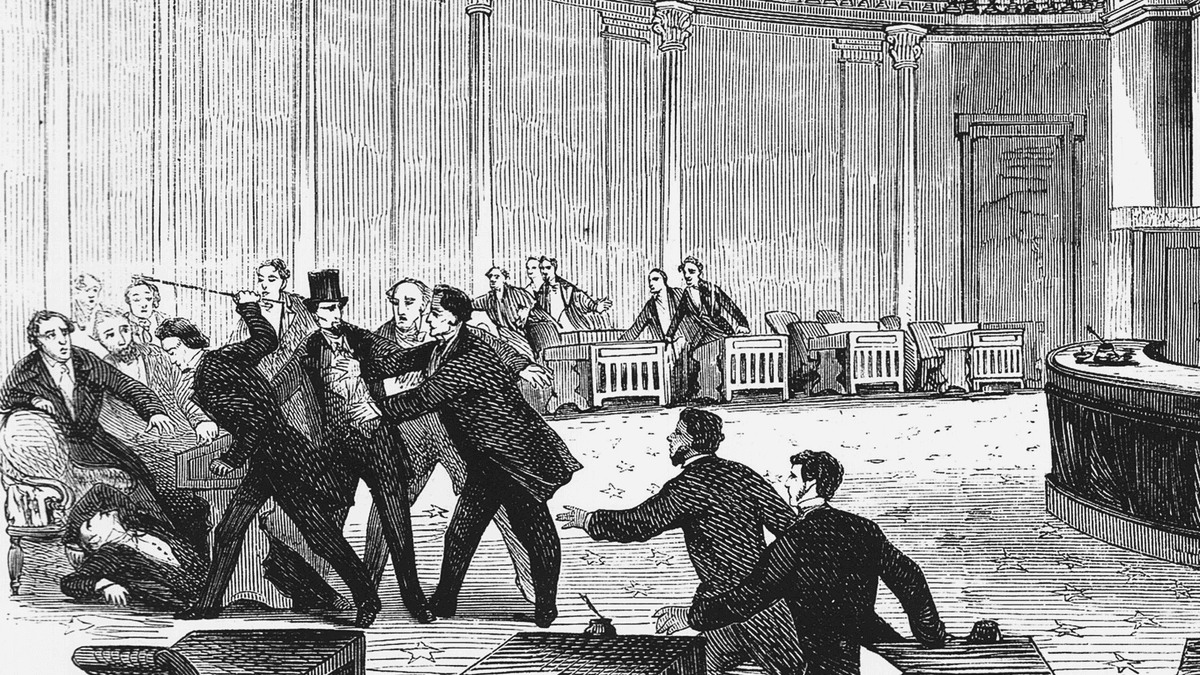
Prelude to War – Sectional Tensions and Failed Compromises
The uneasy balance between free and slave states collapsed in the 1850s, as 'compromises' like the Compromise of 1850 and Kansas-Nebraska Act inflamed tensions instead of easing them.
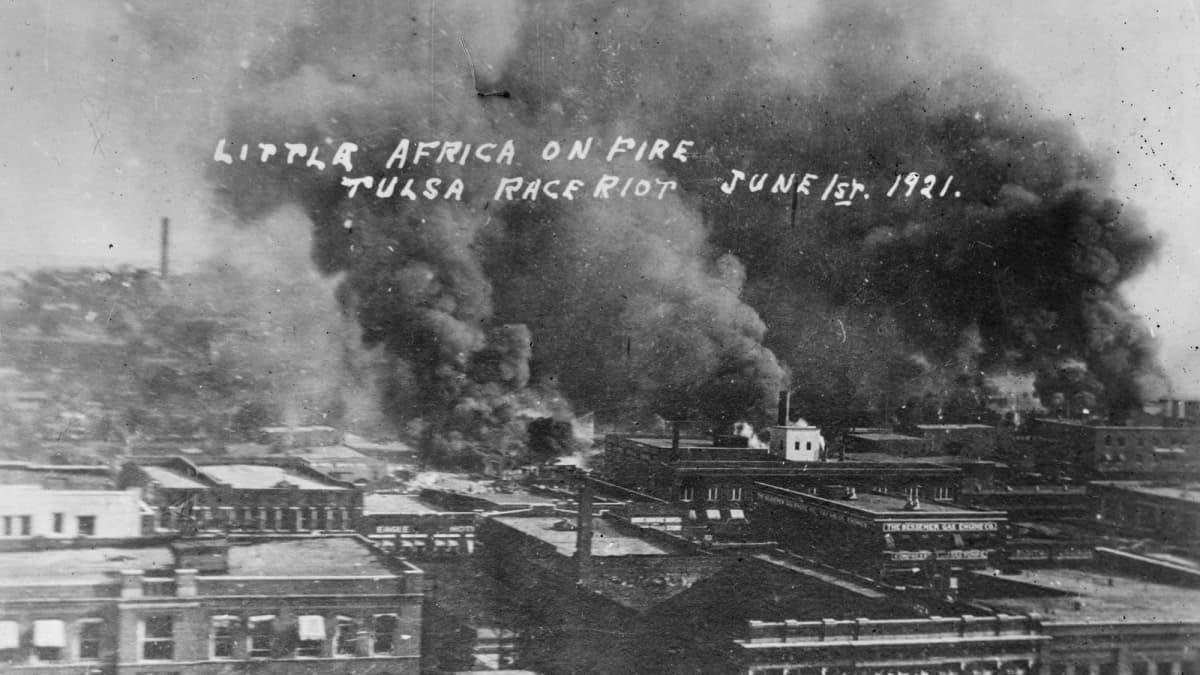
The Tulsa Race Massacre: Black Wall Street Burned
Greenwood was known as Black Wall Street—until a white mob burned it to the ground. The Tulsa Race Massacre wasn’t a riot. It was a coordinated attack. And it was nearly erased from history.
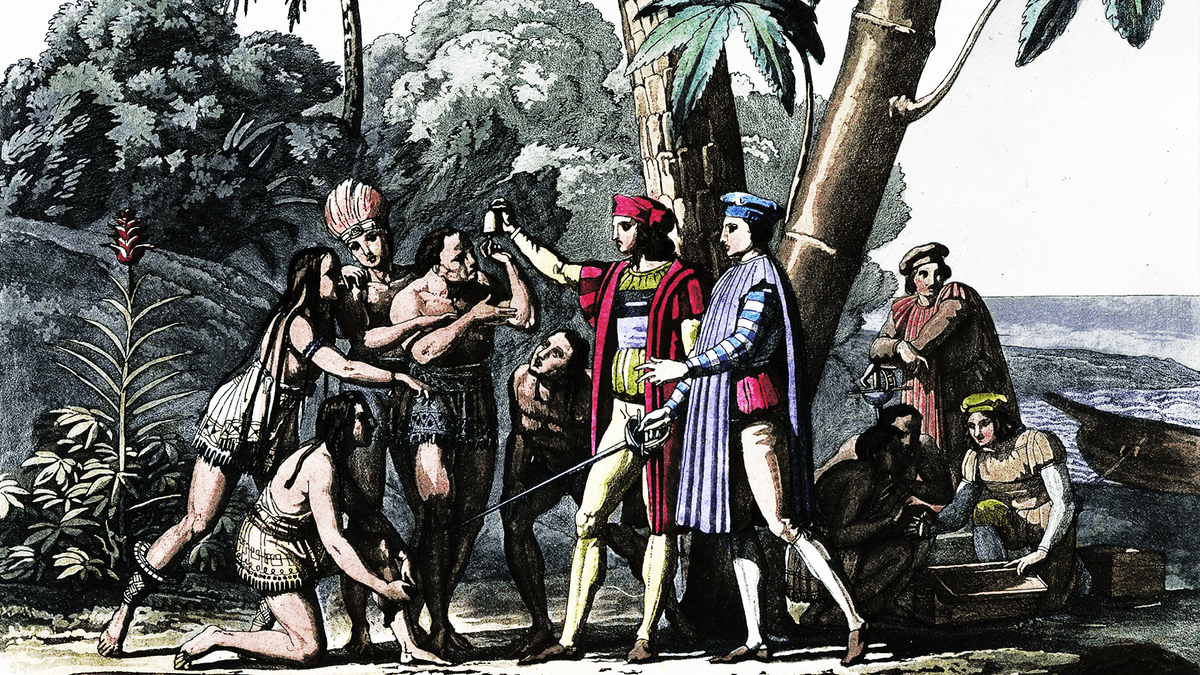
The Columbian Exchange: When Worlds Collided
When two previously isolated worlds collided in 1492, the resulting biological, cultural, and economic transformation reshaped every corner of the globe. The Columbian Exchange was not just a swap—it was a world-changing, world-breaking chain reaction.
Further Reading
Stay curious!