

Free Speech on Trial: Alien & Sedition Acts Passed

Political cartoon of President John Adams muzzling the press during the passage of the Alien and Sedition Acts.
What Happened?
As tensions with revolutionary France spiraled into an undeclared naval war—the so-called Quasi-War—Federalists in Congress, backed by Adams, passed the Alien and Sedition Acts to shield the country from foreign 'infiltration' and internal rebellion.
The first law, the Naturalization Act (June 18), extended the time immigrants had to live in the U.S. before becoming citizens—from 5 to 14 years. Federalists knew many recent immigrants leaned Democratic-Republican. This wasn’t just about loyalty—it was about votes.
Next came the Alien Friends Act and Alien Enemies Act, granting the president sweeping powers to deport foreign nationals—even without evidence or trial. The Sedition Act, signed on July 14, was the real lightning rod. It criminalized publishing anything 'false, scandalous, or malicious' about the president or Congress.
The ink hadn’t dried before editors were jailed, including Benjamin Franklin Bache—Franklin’s own grandson—and Republican Congressman Matthew Lyon, who was re-elected from his jail cell. Abigail Adams, never one to mince words, cheered the crackdown. Jefferson, by contrast, called it a 'reign of witches.'
Opponents—led by Jefferson and Madison—responded with the Virginia and Kentucky Resolutions, arguing that the federal government had overstepped its constitutional bounds and that states had the right to nullify unjust laws.
Public backlash was fierce. The laws exposed just how fragile civil liberties could be in the face of fear and political vengeance. By 1800, Adams was defeated, Jefferson won the presidency, and most of the acts were allowed to expire or were repealed—except the Alien Enemies Act, which still exists today and was used during World War II to justify internment.
The Alien and Sedition Acts didn’t just chill free speech—they defined the boundaries of American dissent. They forced the young republic to ask: Is liberty safe when government controls who belongs and who gets to speak?
Why It Matters
These laws may seem like ancient history, but the questions they raised are still in play. Who gets to belong? Who gets to speak? When fear knocks, does freedom cave? The Alien and Sedition Acts remind us that the Constitution is only as strong as the people who defend it—and that rights denied to some are a threat to all.
?
How did the Sedition Act challenge the First Amendment, and how was it defended by its supporters?
Why did Federalists target immigrants with the Naturalization and Alien Acts?
What role did the Alien and Sedition Acts play in the election of 1800?
How do today’s debates over immigration and free speech echo the conflicts of 1798?
What lasting legacy did the Alien Enemies Act leave on U.S. law and policy?
Dig Deeper
President John Adams greenlit the first of four laws—the Alien and Sedition Acts—that would ignite one of the first great battles over civil liberties in the young American republic.
This overview breaks down the four laws that sparked America’s first civil liberties crisis—and how the fight over free speech and immigration shaped the Constitution’s future.
Related
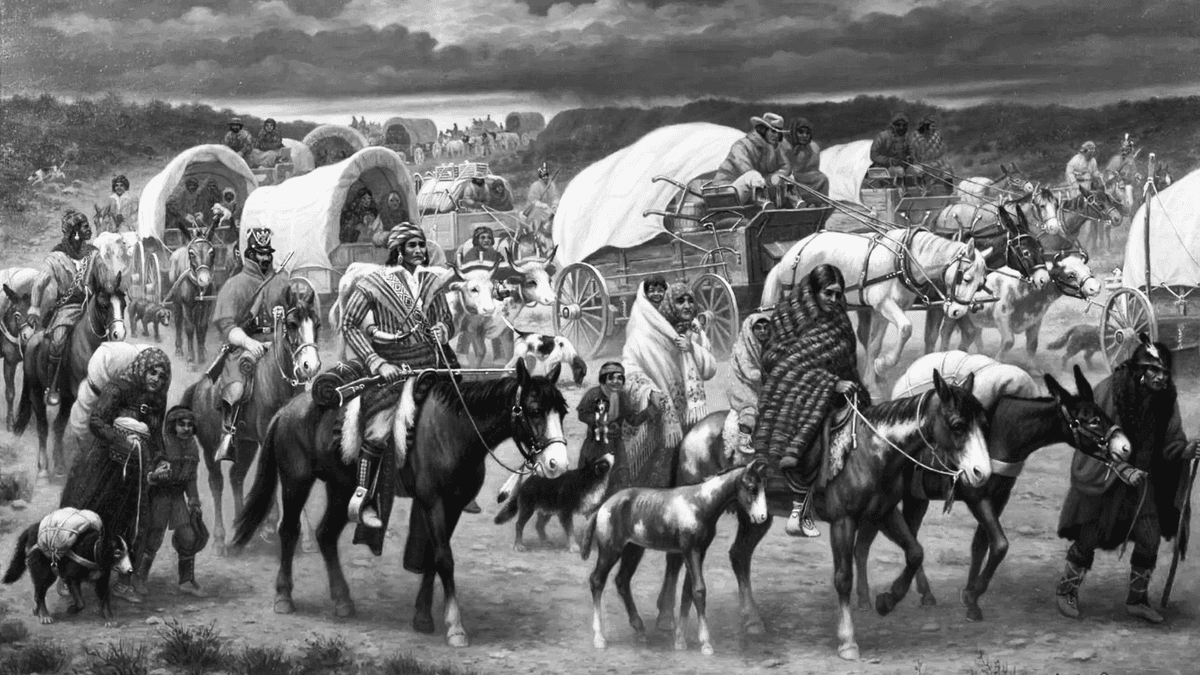
Indian Removal and the Trail of Tears
In the 1830s, the U.S. government forced thousands of Native Americans—including the Cherokee—off their ancestral lands, leading to a deadly westward march known as the Trail of Tears.

The Great Society: Government as a Force for Good
The Great Society wasn’t just a policy agenda, it was a radical vision of what America could be. With sweeping reforms in health care, education, civil rights, immigration, and the environment, President Johnson’s plan aimed to eliminate poverty and racial injustice once and for all.
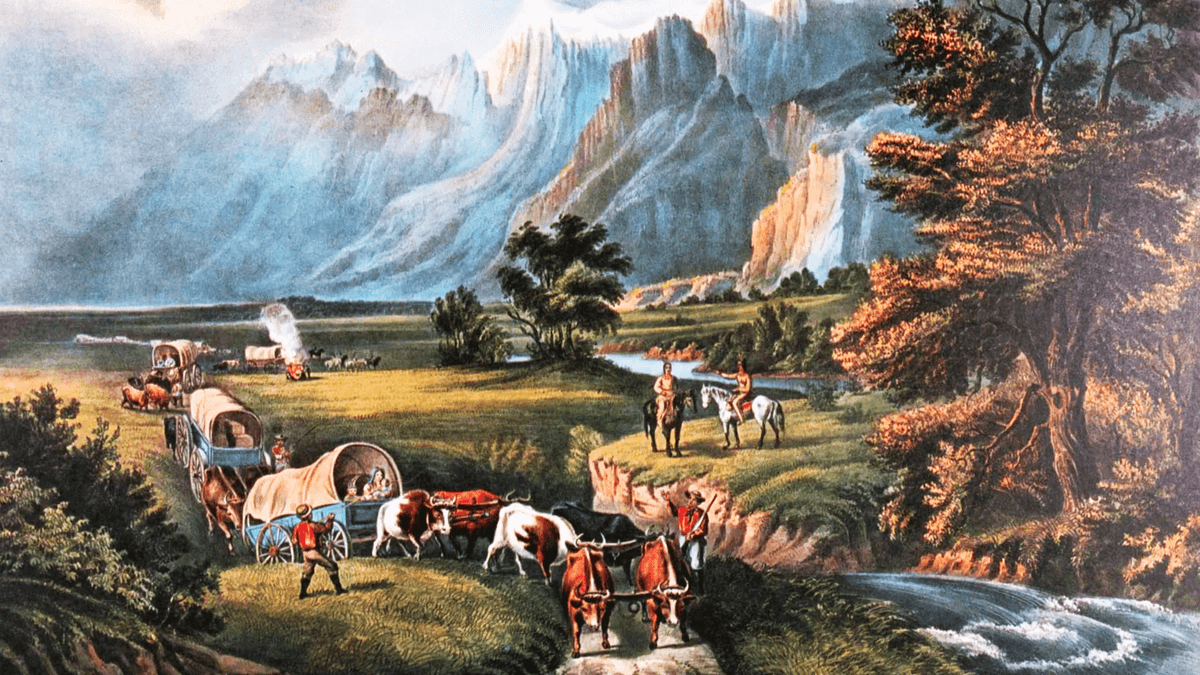
Westward Expansion, Sectionalism, and the Road to Civil War
Manifest Destiny fueled territorial growth, but it also deepened sectional divides—turning political disagreements over slavery and states’ rights into irreconcilable conflicts that led to civil war.
Further Reading

Stay curious!