

Ratified: The Constitution Becomes Law of the Land
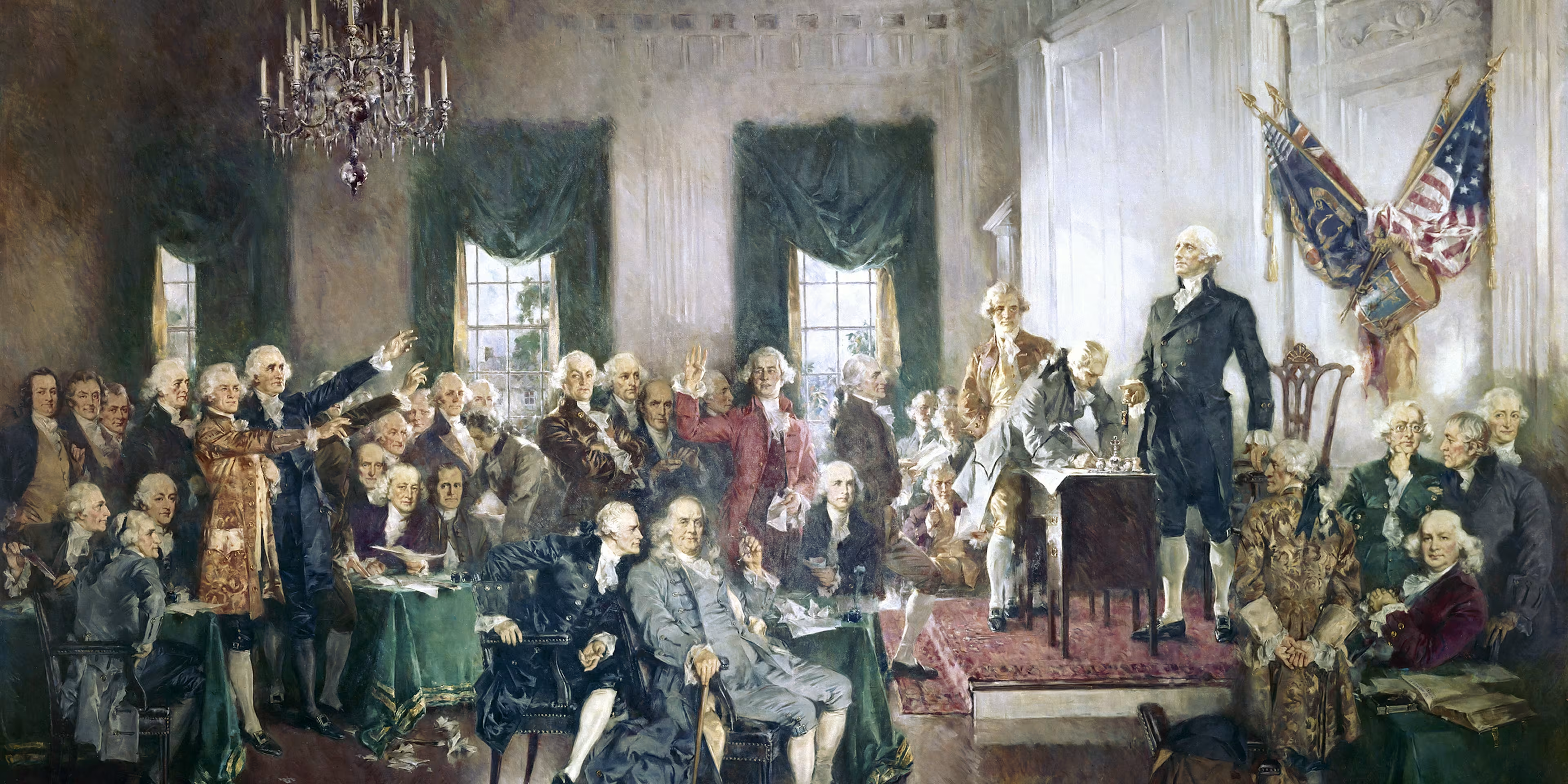
New Hampshire became the critical ninth state to ratify the U.S. Constitution. With that vote, the Founders’ blueprint for a stronger, more unified federal government took effect—introducing checks and balances, separation of powers, and an evolving framework still shaping nations across the globe.
What Happened?
America won its revolution—but governing the new nation was proving harder than defeating the British. The Articles of Confederation left the U.S. with a government too weak to tax, trade, or even hold itself together. Cue the Constitutional Convention of 1787, a secretive summer summit in sweltering Philadelphia that rewrote the rules of what a republic could be.
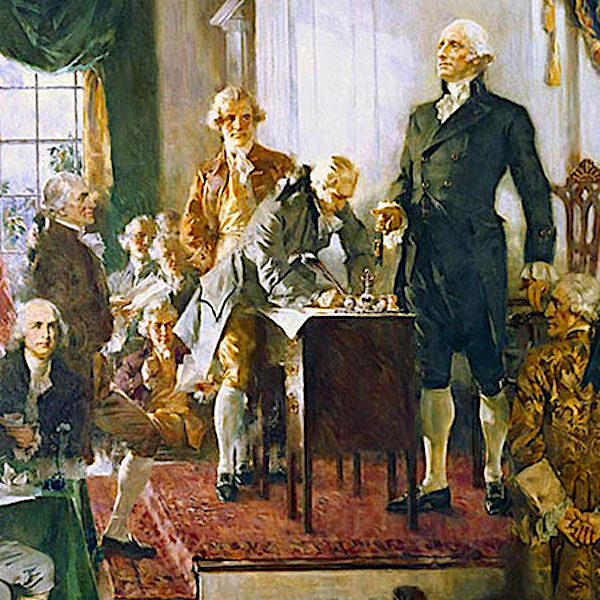
On September 17, 1787, 38 of 41 delegates signed a bold new document: the U.S. Constitution. But here’s the catch—it meant nothing until nine of the thirteen states agreed to it. And that took months of hard debate, bitter compromise, and one of the greatest PR campaigns in history: The Federalist Papers.
New Hampshire’s vote on June 21, 1788, tipped the scale. As the ninth state to ratify, it triggered Article VII—making the Constitution binding and real. A nation that had been more confederacy than country now had a framework that looked like, well, a government. Three branches. A system of checks and balances. Popular sovereignty. Flexibility through amendments. It wasn’t perfect—but it was revolutionary.
The journey didn’t end with ratification. States like Virginia and New York signed on only after fierce debates and promises of a Bill of Rights. North Carolina waited until November 1789. Rhode Island? They had to be threatened with economic exile before they caved in 1790.
What emerged was a living document that reshaped global ideas about law, liberty, and governance. The Constitution's DNA—separation of powers, judicial review, republicanism—became a playbook for other freedom movements, from the Philippines to France to Ghana.
Its longevity is no accident. The Constitution was built to bend but not break. Article V allows amendments, but the framers also gave us a court system and a culture of debate to interpret and reimagine what freedom looks like with each generation.
On June 21, 1788, the U.S. Constitution didn’t just become law—it became a challenge. A promise. An unfinished blueprint for a more perfect union, handed down to every citizen with the words: We the People.
Why It Matters
This wasn’t just a paperwork milestone. It was the day we stopped being a collection of squabbling states and became a United States. The Constitution didn't fix everything—but it gave us a system designed to evolve. June 21, 1788, wasn’t the end of revolution. It was the beginning of responsibility.
?
Why did the Articles of Confederation fail, and how did the Constitution fix those problems?
What were the major debates during the Constitutional Convention?
How did the Massachusetts Compromise help get the Constitution ratified?
In what ways has the U.S. Constitution influenced global democratic movements?
What are the strengths and weaknesses of the Constitution as a living document?
Dig Deeper
Discover how a handful of men—sitting in sweltering heat and shrouded by secrecy—changed the course of history for America in 1787.
John Green explains how the Constitution replaced the Articles of Confederation and why it’s still relevant today.
Related
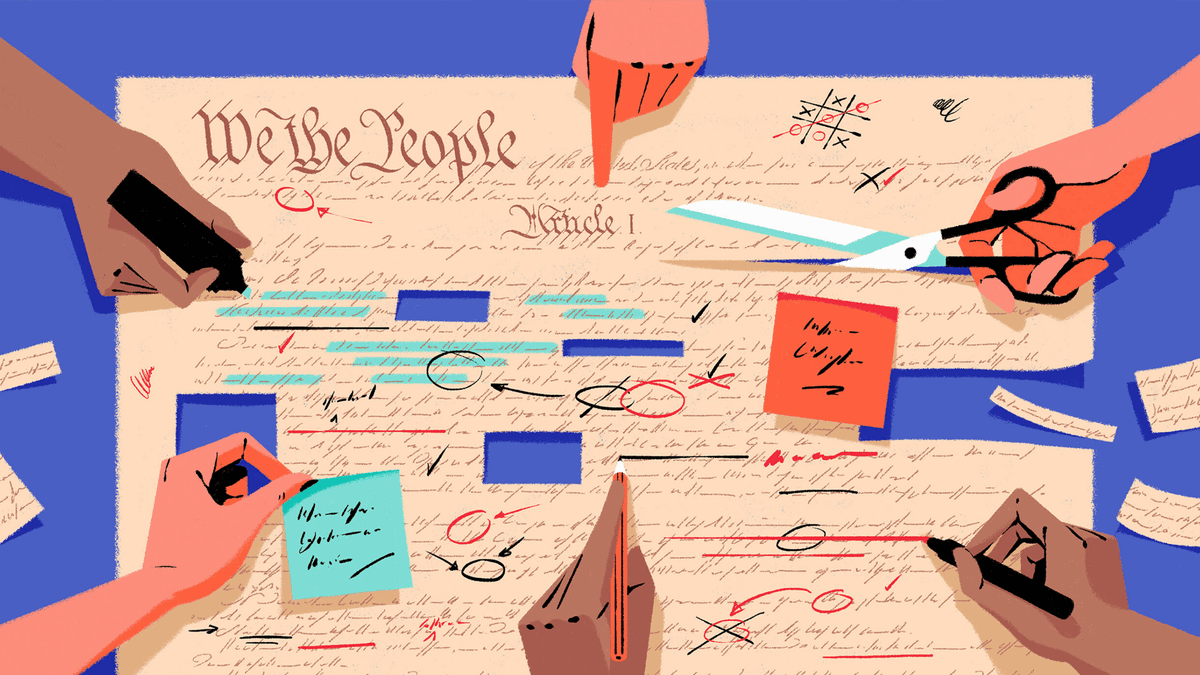
Building a New Nation: Foundations of State and National Government
From the shaky Articles of Confederation to the Constitution and Bill of Rights, discover how America’s founders navigated the turbulent waters of self-government—and why North Carolina took its time joining the party.
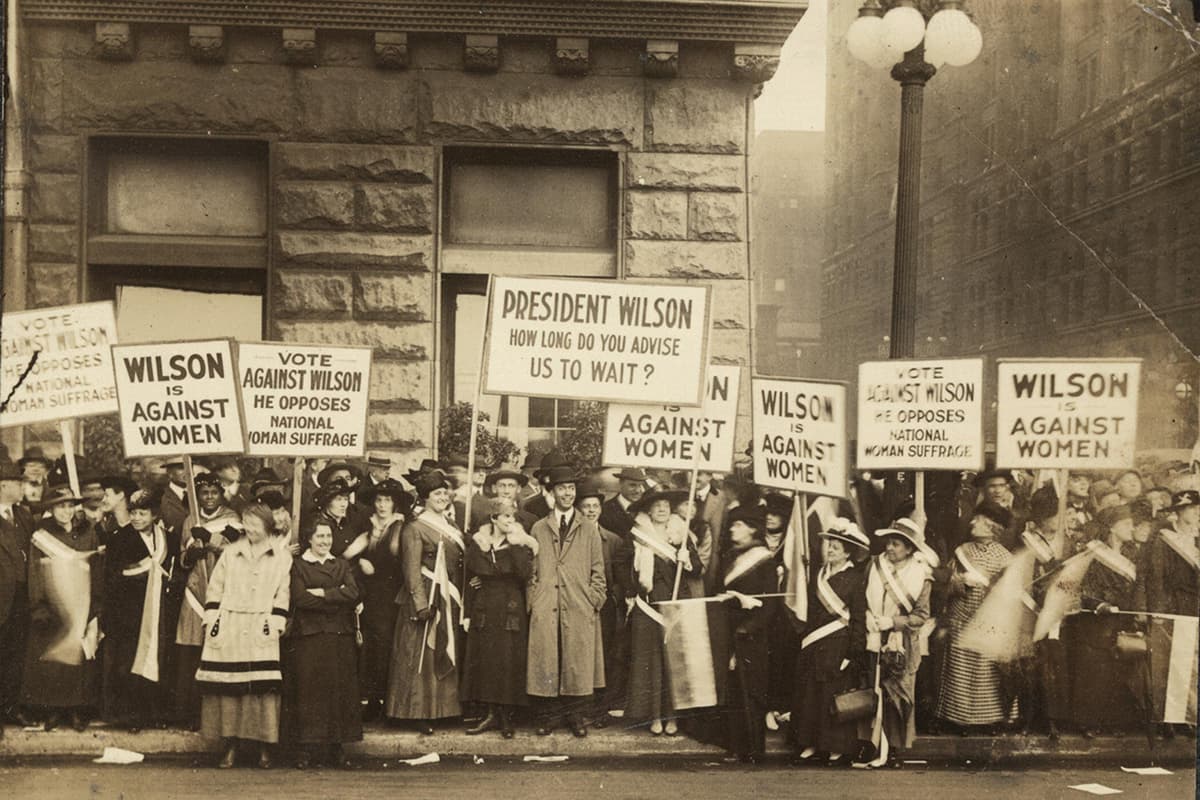
Votes for Women: The Fight for the 19th Amendment
It took more than 70 years of protests, petitions, and picket lines to win the right for women to vote in the United States. The 19th Amendment didn’t just expand democracy—it redefined it.
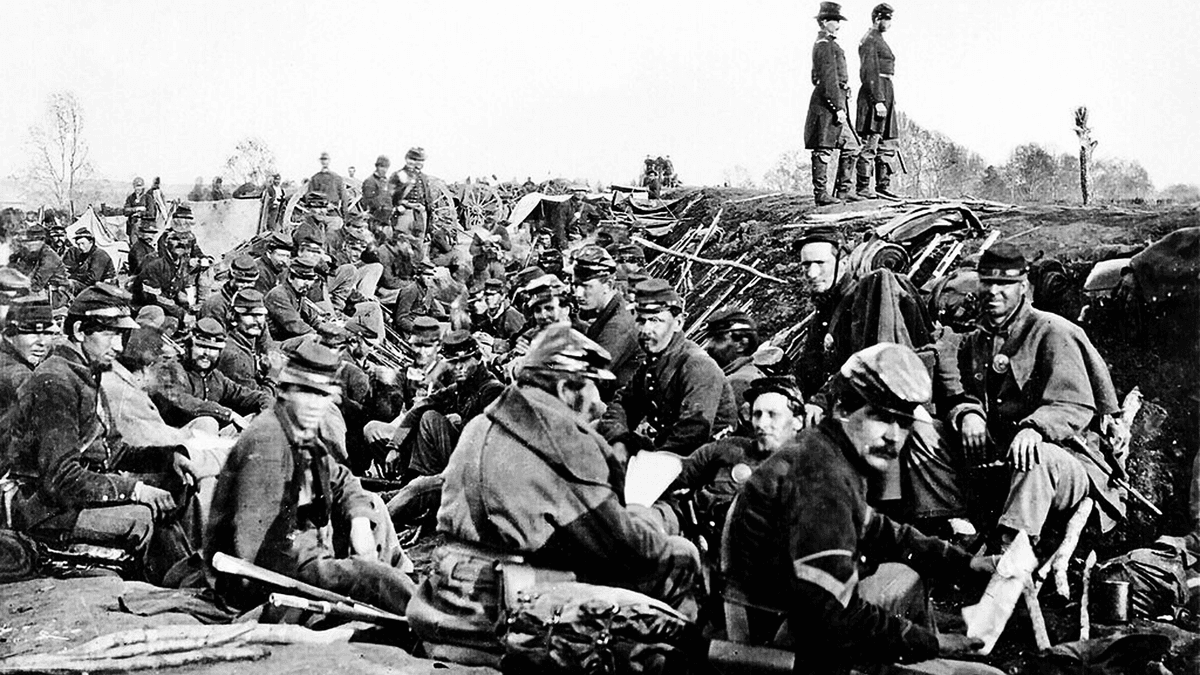
The American Civil War – A Nation Torn Apart
From Fort Sumter to Appomattox, the Civil War was the deadliest conflict in U.S. history, fought over the nation's most profound moral and political divisions.
Further Reading
Stay curious!