

Title IX: 37 Words That Changed Everything

Title IX cracked open the door to gender equity in American education..
What Happened?
June 23, 1972: President Richard Nixon signed the Education Amendments of 1972 into law—including Title IX, a short clause with revolutionary intent.
It declared: 'No person in the United States shall, on the basis of sex, be excluded from participation in, be denied the benefits of, or be subjected to discrimination under any education program or activity receiving Federal financial assistance.'
This seemingly simple sentence turned the tide for women and girls in schools across the country. Before Title IX, many colleges had male-only majors. Girls were steered away from math and science. Pregnant students were pushed out. Female athletes wore homemade uniforms while their male peers flew to games.
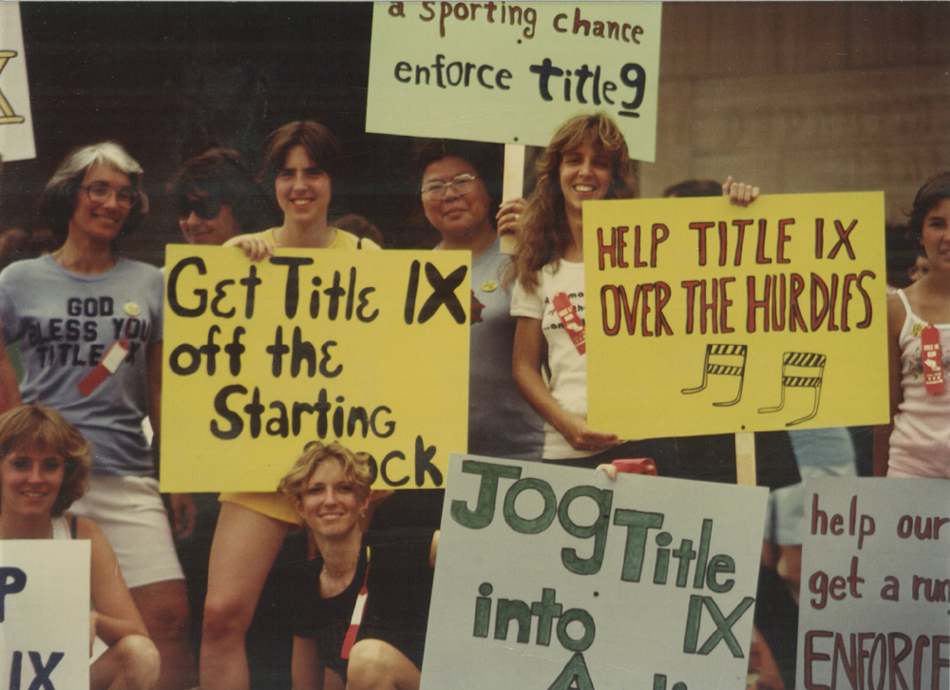
In sports, the contrast was especially stark. In 1972, fewer than 300,000 girls played high school sports. By 2016, that number soared past 3 million. In college athletics, women went from receiving 2% of athletic budgets to building powerhouse programs—and Olympic medal counts.
Title IX also laid the groundwork for addressing sexual harassment, gender-based violence, and LGBTQ+ protections on campus. It wasn’t perfect. And it wasn’t always enforced. But it gave people tools to demand better.
The law faced backlash—especially from institutions worried about men’s sports. The NCAA fought it. Politicians tried to narrow it. Legal challenges in the ’80s weakened its scope until Congress fought back with the Civil Rights Restoration Act of 1987.
Despite decades of progress, full compliance remains elusive. As of 2020, up to 80% of colleges were still not meeting Title IX standards. But the legacy of the law lives in every scholarship, every lawsuit, every girl who picks up a soccer ball and knows she belongs on the field.
As legal scholar Karen Hartman put it, Title IX proves that 'if you give opportunities, then you see how competitive and athletic all bodies can be, no matter if they're men or women.'
Why It Matters
Title IX wasn’t a gift—it was a demand. It reminded us that equality isn’t just about breaking barriers. It’s about building bridges. Title IX showed that inclusion takes more than laws—it takes vigilance, advocacy, and people brave enough to say, 'We deserve better.'
?
How did Title IX transform educational and athletic opportunities for women and girls?
What legal and political challenges has Title IX faced over the decades?
How does Title IX protect LGBTQ+ students and survivors of sexual violence today?
Why is enforcement of Title IX still an issue at many educational institutions?
How has Title IX influenced broader gender equity movements beyond education?
Dig Deeper
A breakdown of how 37 words in Title IX changed the game for generations of women and girls.
An overview of Title IX’s expanding impact—from sports to sexual violence protections to LGBTQ+ rights.
Related
Westward Expansion, Sectionalism, and the Road to Civil War
Manifest Destiny fueled territorial growth, but it also deepened sectional divides—turning political disagreements over slavery and states’ rights into irreconcilable conflicts that led to civil war.
Montgomery Bus Boycott, Greensboro Sit-In, and the Rise of MLK
From Montgomery’s buses to Greensboro’s lunch counters, ordinary citizens ignited extraordinary change — and a new national leader emerged.
The Monroe Doctrine
How a young United States told the world to stay out of the Western Hemisphere—and what that meant for the Americas.
Further Reading
Stay curious!