

Executive Order 8802
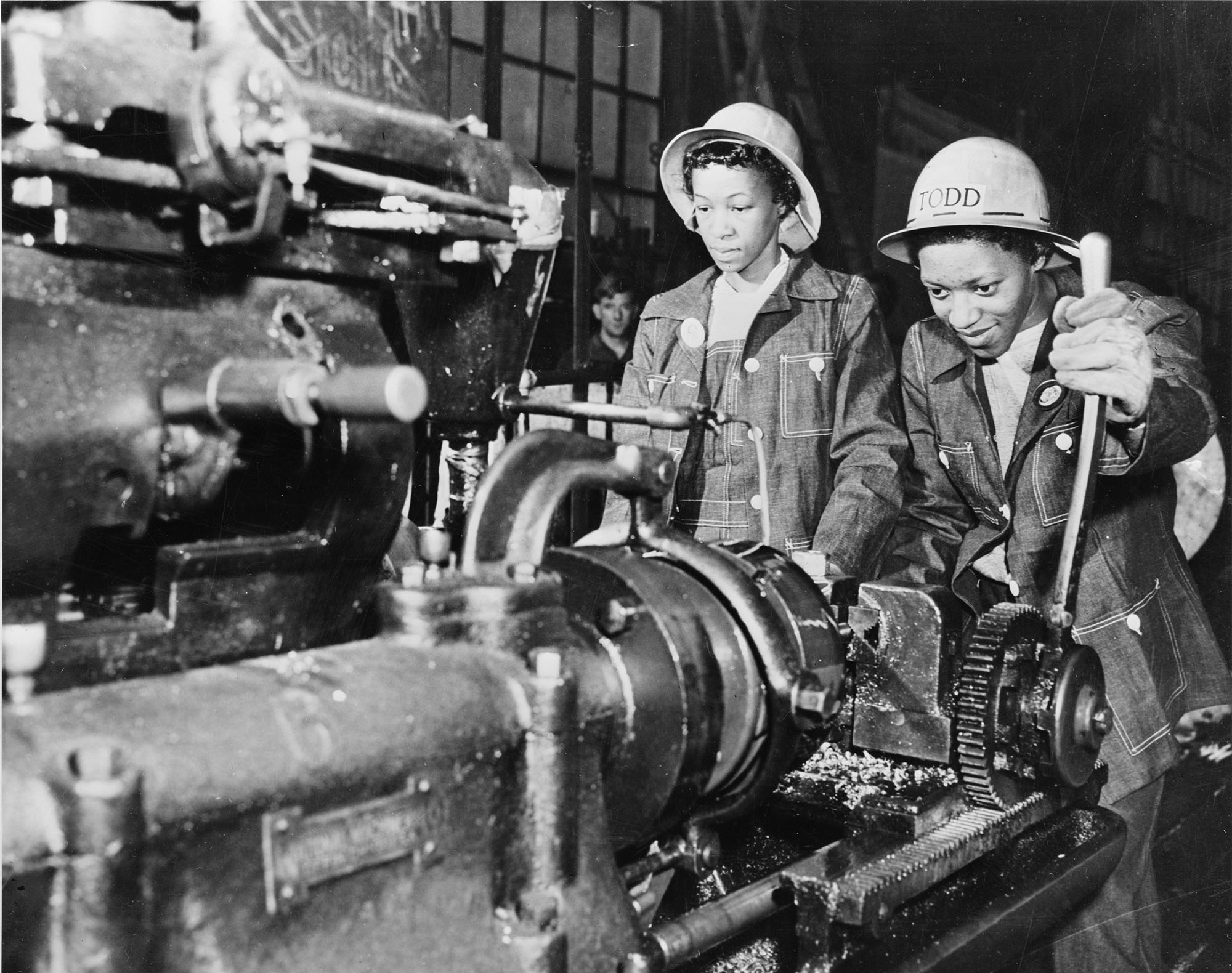
FDR signed Executive Order 8802, barring discriminatory hiring by government contractors in the booming wartime defense industry.
What Happened?
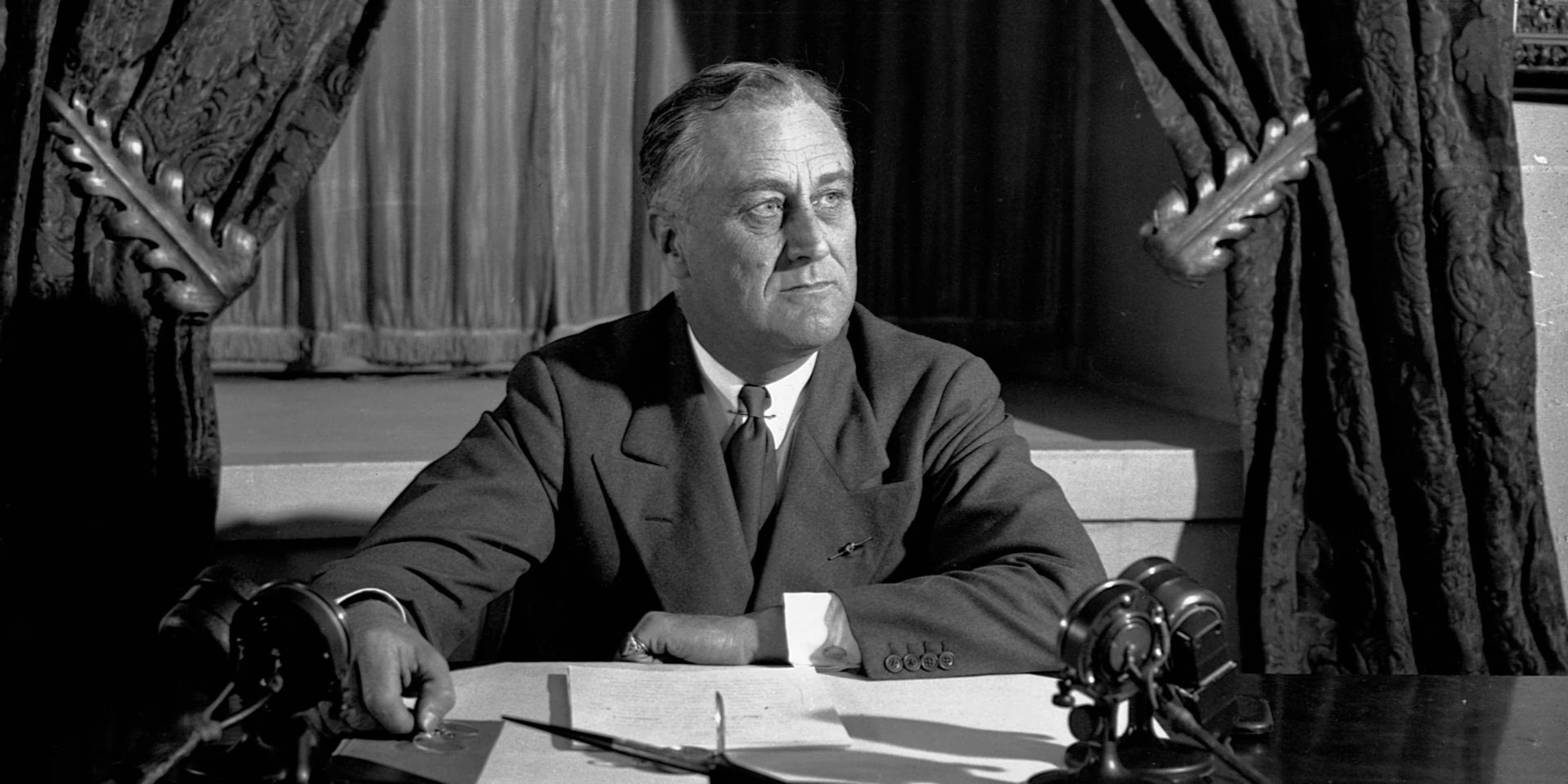
June 25, 1941: With war looming and the economy shifting into high gear, President Franklin D. Roosevelt signed Executive Order 8802. It banned racial, ethnic, and religious discrimination in the hiring practices of defense contractors and federal agencies.
This wasn’t born out of benevolence. Civil rights leader A. Philip Randolph had planned a 100,000-person March on Washington to protest racist hiring policies in the defense industry. His demands were clear: open the war effort to Black Americans, or face a massive public demonstration.
Factories were booming thanks to the Lend-Lease Act, but Black workers were largely locked out—shunted to janitorial roles or not hired at all. Many had migrated from the Jim Crow South during the Great Migration, hoping for opportunity in northern cities, only to face the same walls under new names.
Roosevelt, under pressure to avoid a political disaster on the eve of war, caved. He signed the order a week before the scheduled protest. It was the first federal action to confront job discrimination since Reconstruction—and it worked. The march was called off.
Executive Order 8802 created the Fair Employment Practice Committee (FEPC), tasked with investigating discrimination complaints and educating industries. Its original power was weak—critics compared it to David fighting Goliath. But it set a precedent.
By 1945, after a follow-up executive order expanded the FEPC’s reach, Black employment in defense industries had more than doubled. Black participation in federal jobs tripled. And although racism remained entrenched, the door wasn’t fully closed anymore.
It wasn’t enough. Congress killed the FEPC in 1946. But the order proved something powerful: direct action gets results. Civil rights weren’t won politely—they were demanded, organized for, and fought for.
EO 8802 didn’t end discrimination, but it proved the federal government could be pushed to act. It laid the groundwork for future policies—from Truman’s military desegregation in 1948 to Title VII of the 1964 Civil Rights Act and affirmative action mandates to come.
The war would change America’s role in the world. Executive Order 8802 helped start changing who America included in that vision.
Why It Matters
Executive Order 8802 was a turning point—not because it ended discrimination, but because it showed that federal policy could bend toward equity when pressured by organized resistance. It proved that civil rights are not granted from above; they are won by those who refuse to stay quiet.
?
Who was A. Philip Randolph, and why was his role so pivotal to Executive Order 8802?
What was the Fair Employment Practice Committee, and what were its limitations?
How did EO 8802 lay the groundwork for the Civil Rights Movement?
Why did the federal government resist stronger civil rights protections even after World War II?
What similarities exist between EO 8802 and later affirmative action policies?
Dig Deeper
CBS News looks back at how African Americans’ roles in defending the U.S. evolved—and how those early battles for equality shaped the military and the nation.
In 1948, Truman expanded the civil rights momentum started by EO 8802 by fully desegregating the U.S. Armed Forces.
Related
The Roaring Twenties: Prosperity, Culture, and Conflict
The 1920s were a decade of booming technology, jazz, and consumer culture—but beneath the excitement were deep social tensions and cultural conflicts.
The Declaration of Independence: Ideas, Action, and Aftermath
When the colonies declared independence, they didn’t just start a war—they launched an idea that would echo across centuries. But did America live up to it?
U.S. Geography: How the Land Shaped a Nation
Before the United States was born, geography shaped how people lived, worked, and fought over this land. From the Appalachian Mountains to the Great Plains, the natural landscape influenced settlement, culture, and history.
Further Reading
Stay curious!