

Einstein's Miracle Year Goes Boom
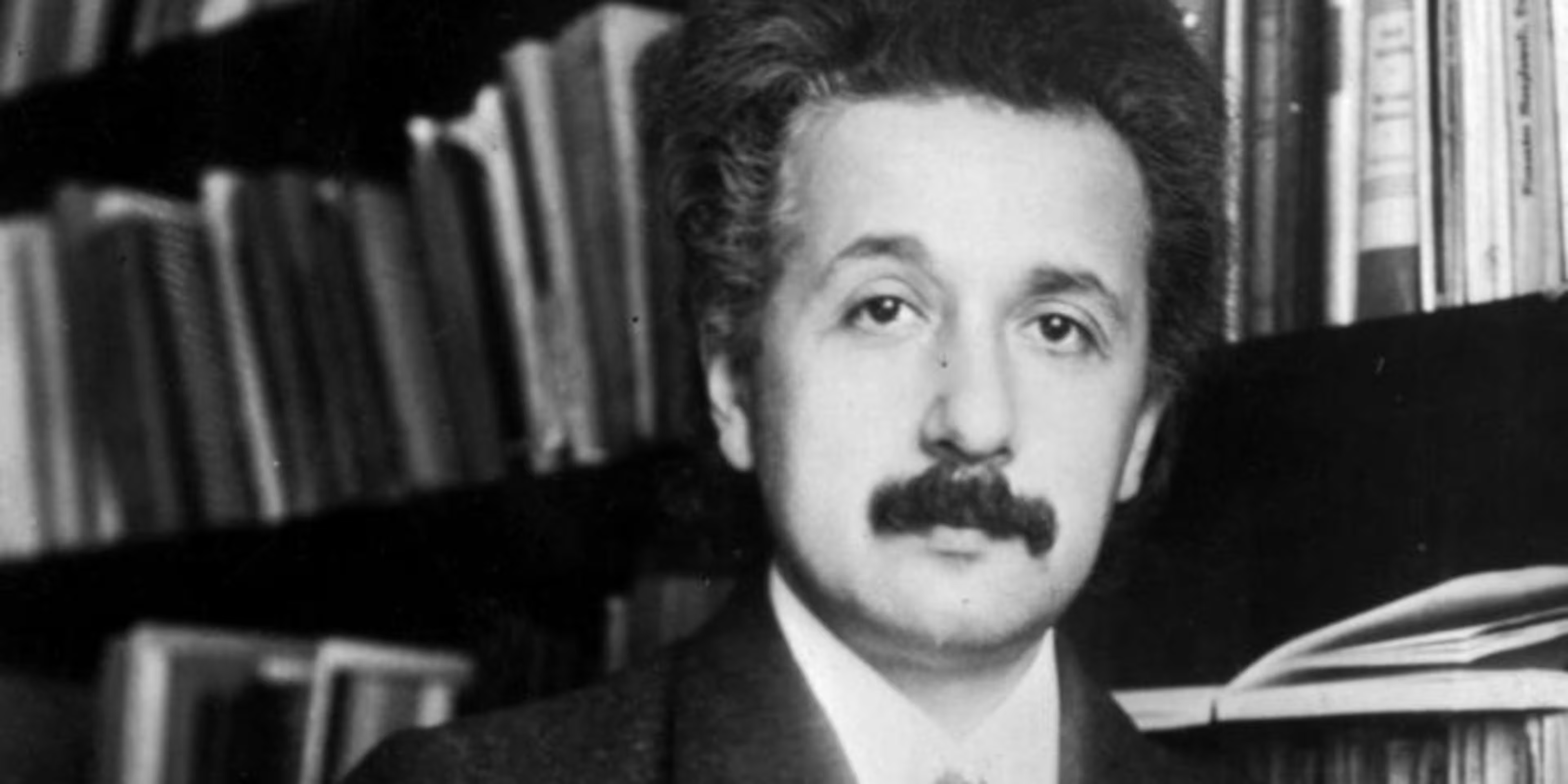
Albert Einstein revealed that time and space weren’t fixed, mass and energy were interchangeable, and nothing—not even your Wi-Fi connection—could move faster than light.
What Happened?
Einstein wasn’t a professor. He wasn’t in a lab. In 1905, he was a junior examiner at the Swiss patent office when he cracked the code of the cosmos.
On June 30, Einstein publishes 'On the Electrodynamics of Moving Bodies' in a German physics journal. With it, Einstein introduced what we now call special relativity, a theory so revolutionary it rewired how we understand space, time, and motion.
For centuries, the physics world bowed to Isaac Newton, who told us that time ticked forward the same for everyone, everywhere. Enter Einstein, who says, 'Actually… it’s relative.'
Special relativity argued that time and space are relative—what you measure depends on how fast you're moving. Which means that reality itself is personal. One universe, many timelines.
To explain it, Einstein used a thought experiment: imagine lightning strikes both ends of a moving train. A bystander on the platform might say they happened at the same time. But a passenger zooming along inside the train? They’d swear one came first. And both would be right. Because motion changes what we experience as ‘now.’
The core idea? The speed of light is the one true constant, and everything else—including time—bends to accommodate it. No matter where you are or how fast you’re moving, it’s always 186,282 miles per second. Everything else—including time itself—must bend to obey it.
A few months later, Einstein casually drops E = mc² into the world. The most iconic equation in history. It means mass and energy are equivalent—two forms of the same thing. That tiny squiggle of math led to nuclear energy, atomic bombs (which Einstein later came to deeply regret), and the device you’re using to read this right now.
All this came in one year. One year. Five groundbreaking papers in 1905, each one enough to build a legacy. Together, they became Einstein’s 'annus mirabilis'—his miracle year. It was less a year of breakthroughs and more a controlled explosion of human understanding.
Of course, even geniuses need collaborators. Einstein worked closely with friends like Michele Besso and Marcel Grossmann. Fun fact: Einstein once skipped so many classes he relied entirely on Grossmann’s notes to pass exams—and later, to shape the math behind relativity.
Einstein's general theory of relativity launched a revolution. A decade later, Einstein would expand his ideas into general relativity, showing that gravity isn’t a force but a bend in space-time itself. It would take solar eclipses, star maps, and a century of science to prove it all. But it started here. In a patent office. With a man, a pencil, and the wild courage to question everything.
Why It Matters
Einstein didn’t just rewrite physics—he reshaped how we see ourselves in the universe. Special relativity teaches us that perspective matters, speed warps time, and even ‘truth’ depends on where you’re standing. In a world that often demands certainty, Einstein reminded us that reality is relative—and curiosity is power.
?
Dig Deeper
Time dilation and Einstein’s theory of relativity go hand in hand. Albert Einstein is the most popular physicist, as he formulated the theory of relativity, which gave the Energy mass equivalence formula and is directly related to time dilation.
Almost everyone has heard of Albert Einstein, the Nobel prize-winning genius whose theories overturned centuries of scientific thought. But how much do you understand the work that made him really famous – his theory of general relativity?
Related
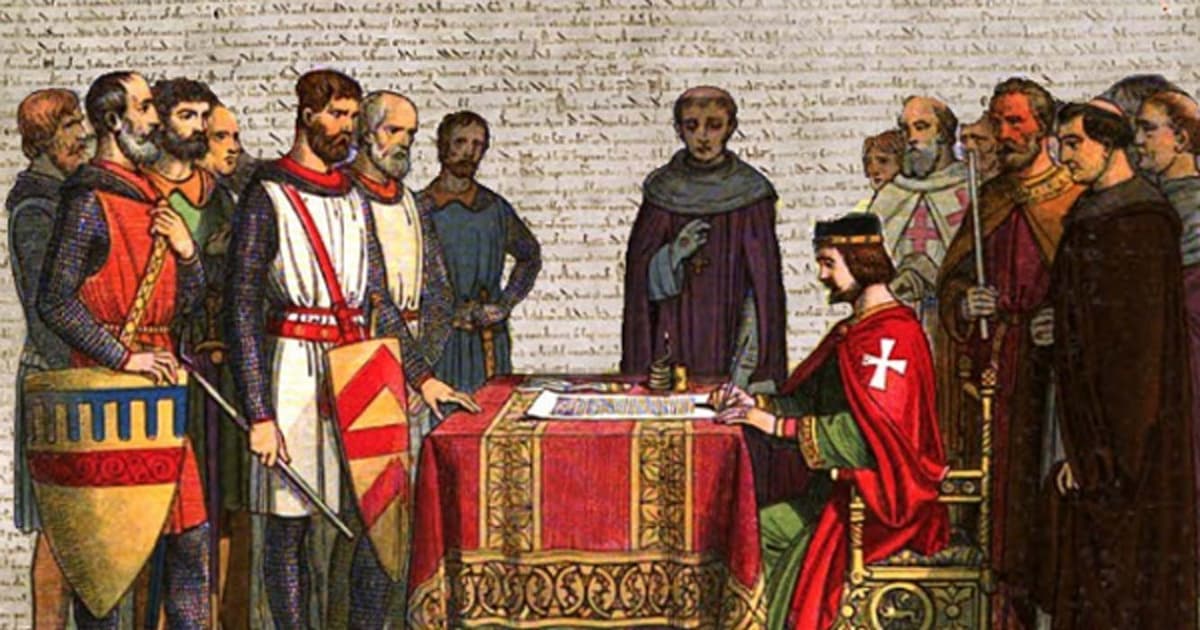
Magna Carta
On May 12, 1215, a gang of angry English barons forced King John into a corner—and launched a document that would echo across centuries. It wasn’t democracy, but it was a dent in the divine right of kings.
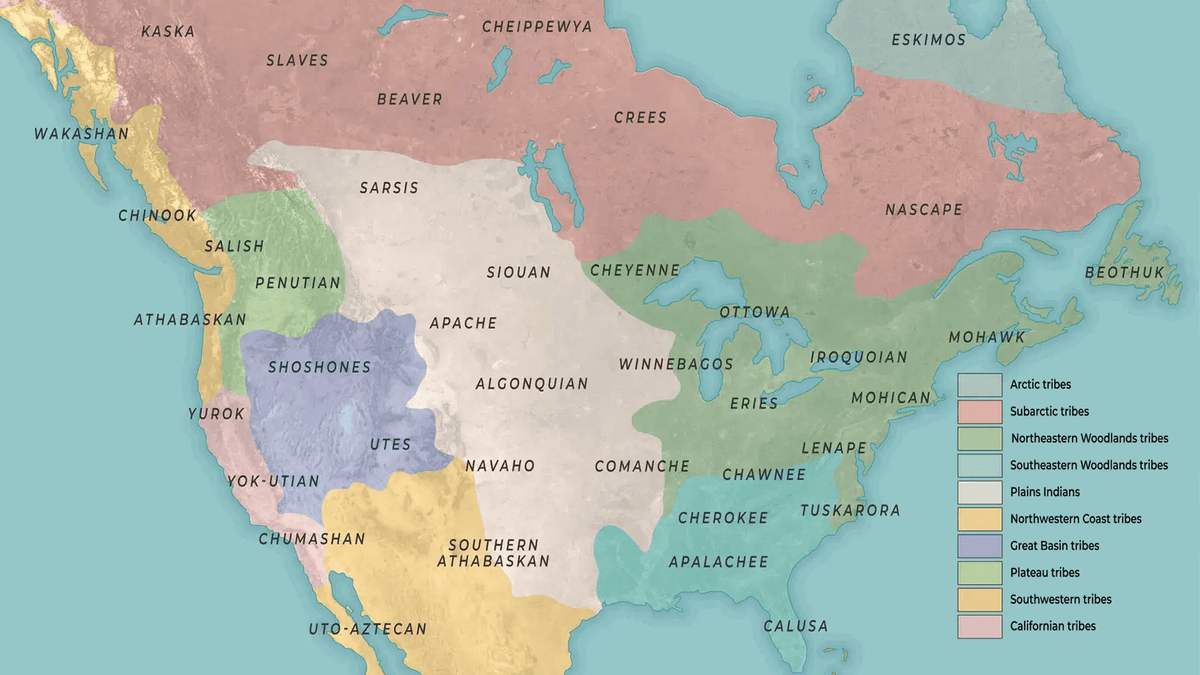
Indigenous Nations Before European Contact
Long before Columbus, Indigenous nations flourished across North America. From hunters following mammoths to farmers building vast trade networks, Native peoples shaped the land—and the land shaped them.
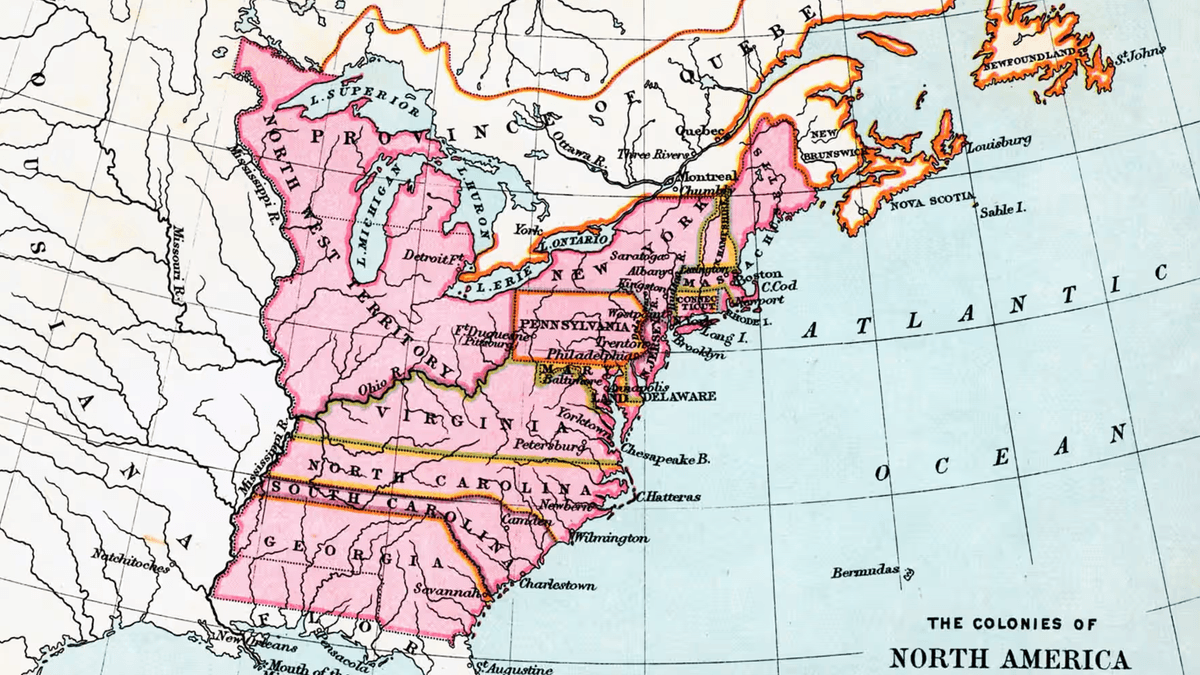
The 13 Colonies: Seeds of a New Nation
How did thirteen scattered colonies along the Atlantic coast grow into the foundation of a new nation?
Further Reading
Stay curious!