

The Day America Declared Independence
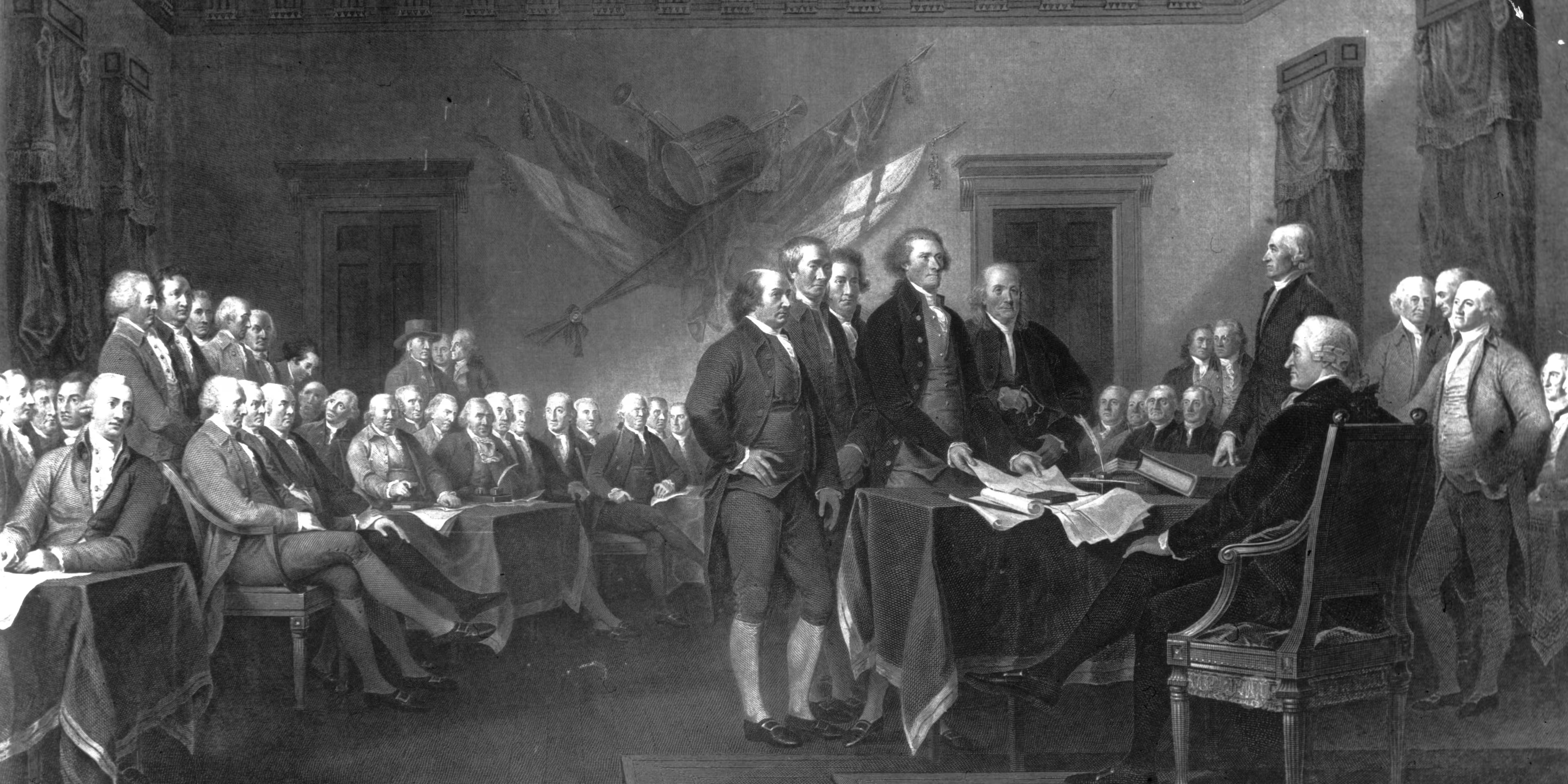
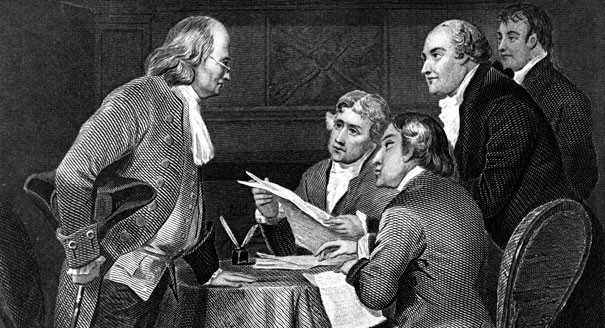
Signing of the Declaration of Independence in 1776
What Happened?
July 4, 1776. Inside a stuffy chamber in Philadelphia, delegates from 12 colonies (New York would sign later) voted to approve a revolutionary document: the Declaration of Independence. It wasn’t the start of war—that had already begun. But it was the moment the colonies said aloud, to the world and to themselves: we are free.
The road to this moment was long and lined with tension. After a decade of British taxes, colonial protests, and escalating violence—from the Stamp Act to the Boston Tea Party to the bloodshed at Lexington and Concord—the call for independence could no longer be ignored.
Earlier in 1776, Thomas Paine’s 'Common Sense' sold half a million copies and lit a match in the American imagination. Why should an island rule a continent? Why accept tyranny from a distant crown?
In June, the Continental Congress appointed a 'Committee of Five'—Jefferson, Adams, Franklin, Sherman, and Livingston—to draft a declaration. Jefferson took the lead, pulling from Enlightenment ideals and Virginia’s own Declaration of Rights. His draft declared that all men are created equal and endowed with unalienable rights—life, liberty, and the pursuit of happiness.
After edits (some of which Jefferson loathed, especially the removal of a clause criticizing the slave trade), the Congress approved the final version on July 4. The signing? That happened weeks later. But this was the day the document—and the radical idea it carried—was born.
The Declaration laid out a list of grievances against King George III and justified rebellion by declaring the colonies to be 'free and independent States.' It was part legal brief, part war cry, part philosophical manifesto.
John Hancock signed first, in letters big enough for the king to read without his spectacles. Eventually, 56 men would add their names, knowing they risked death for treason. As Franklin quipped, 'We must all hang together, or most assuredly we shall all hang separately.'
The war raged on for seven more years. But the ideals set forth on this day became a compass for future revolutions, civil rights struggles, and freedom movements worldwide. And the document itself became a symbol—not of perfection, but of potential. Of the work still to do.
Why It Matters
The Declaration of Independence wasn’t just a break-up letter with Britain—it was a bold, idealistic blueprint for a new kind of nation. It didn’t live up to its own promises—enslaved people remained in chains, women were excluded, Native nations ignored—but it planted a flag for liberty that generations would fight to make real.
?
Why was Thomas Jefferson chosen to draft the Declaration, and what influenced his writing?
What are some of the key grievances listed in the Declaration of Independence?
How did the ideas in the Declaration influence future social and political movements?
Why did some colonies hesitate to vote for independence?
What parts of the original Declaration were removed or edited—and why?
Dig Deeper
Explore the background, meaning, and legacy of the Declaration of Independence in this special episode from Crash Course.
Historian Kenneth C. Davis dives into lesser-known truths about the Declaration’s creation and long-term impact.
Related
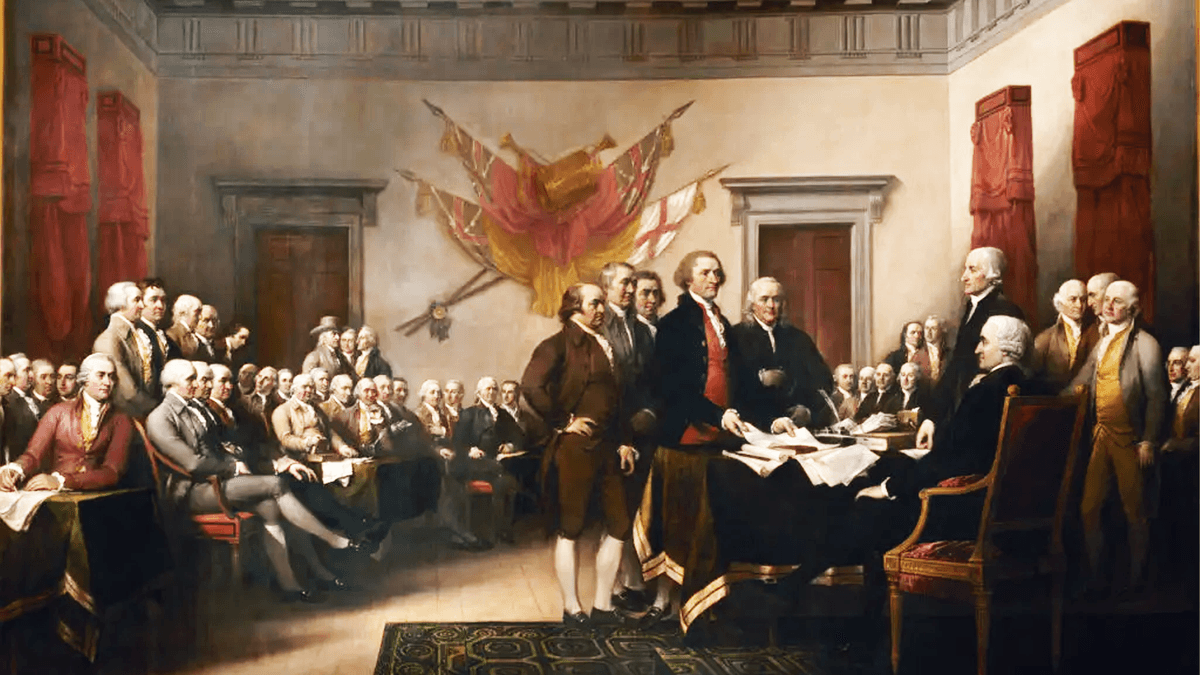
The Declaration of Independence: Ideas, Action, and Aftermath
When the colonies declared independence, they didn’t just start a war—they launched an idea that would echo across centuries. But did America live up to it?
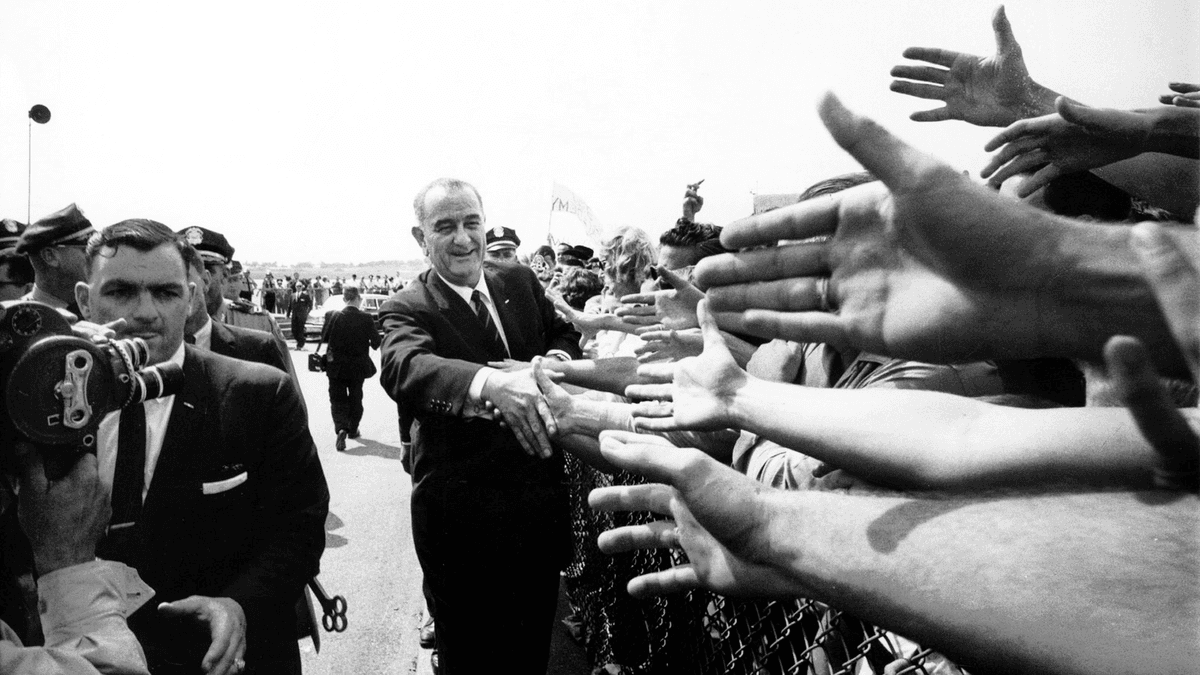
The Great Society: Government as a Force for Good
The Great Society wasn’t just a policy agenda, it was a radical vision of what America could be. With sweeping reforms in health care, education, civil rights, immigration, and the environment, President Johnson’s plan aimed to eliminate poverty and racial injustice once and for all.
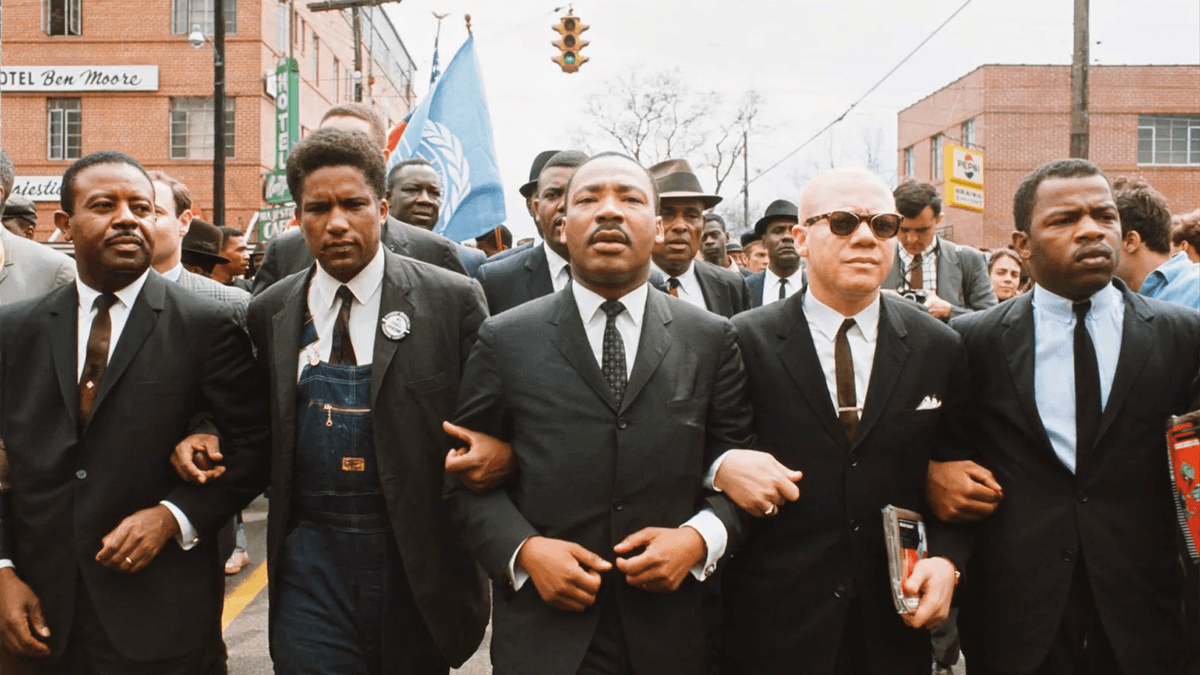
Montgomery Bus Boycott, Greensboro Sit-In, and the Rise of MLK
From Montgomery’s buses to Greensboro’s lunch counters, ordinary citizens ignited extraordinary change — and a new national leader emerged.
Further Reading
Stay curious!