

The U.S. Dollar Becomes Official
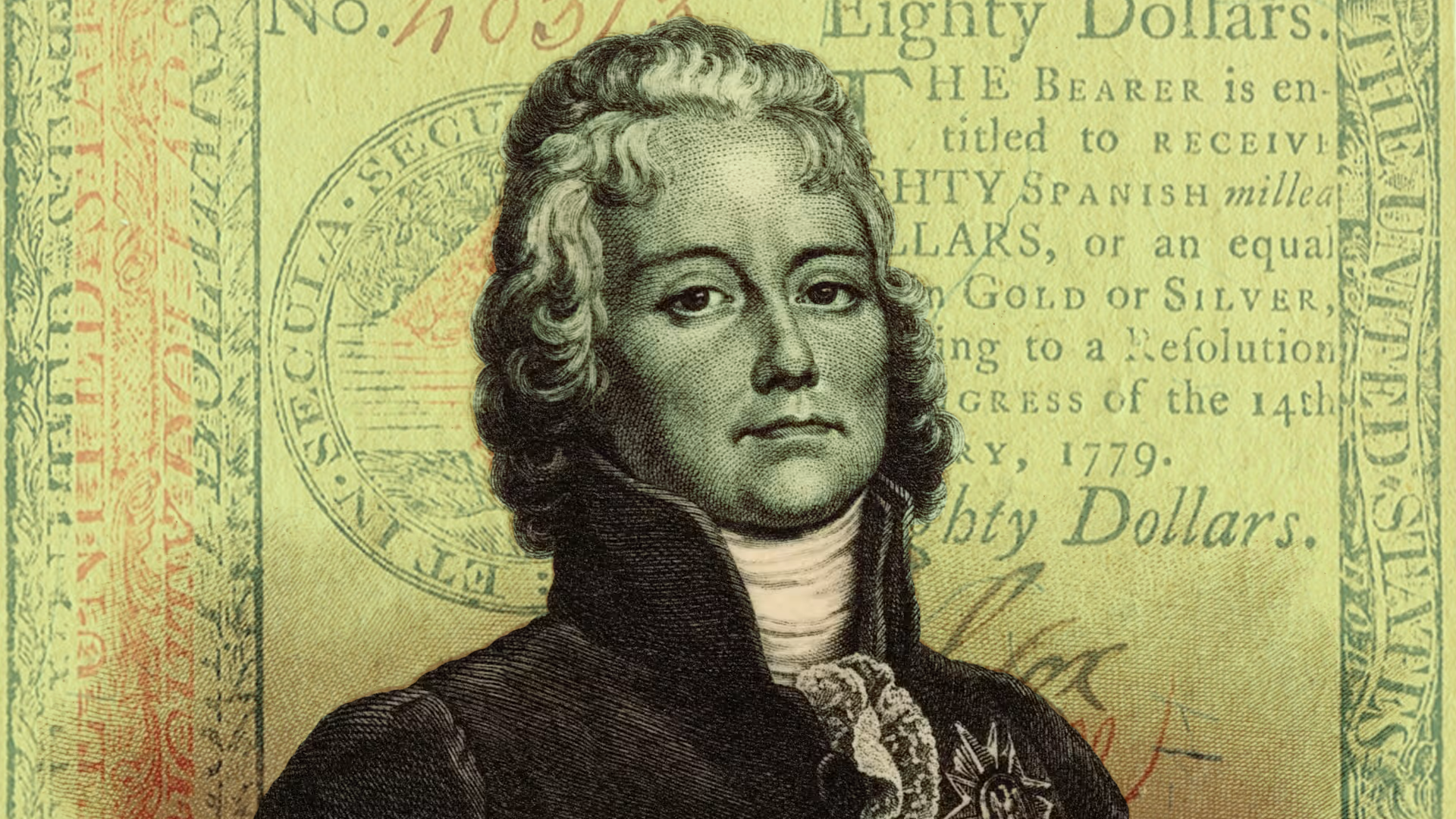
Fresh off revolution and knee-deep in economic instability, the United States made a bold move on July 6, 1785: it adopted the dollar as the nation's official currency.
What Happened?
In the aftermath of revolution, the United States needed more than freedom—it needed stability. One of its earliest acts as an independent nation was choosing its own money. On July 6, 1785, the Continental Congress officially adopted the dollar as the new country’s currency.
Before the dollar, the American economy was a chaotic stew of currencies. British pounds, Spanish silver, French coins, bartered goods like tobacco or wampum—it all depended on where you lived and who you traded with. Some colonies issued their own paper notes backed by land mortgages. Others just... hoped for the best.
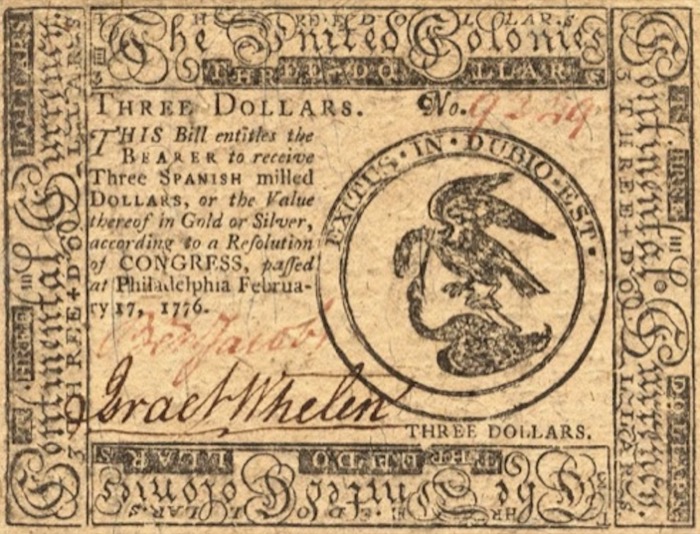
During the war, Congress tried to unite the colonies with a single currency—Continentals—but without real backing, they evaporated into worthlessness. By the end of the conflict, they were so devalued that 'not worth a Continental' became shorthand for junk.
When Congress adopted the dollar in 1785, it modeled the currency on the widely circulated Spanish silver peso and introduced a decimal-based, base-10 system. This decision brought clarity to a chaotic patchwork of colonial currencies and foreign coins. More than a practical reform, it marked a defining step in shaping a unified national economy. It signaled that the United States was ready to chart its own financial path, independent from European control.
The road ahead would still be bumpy. The U.S. Mint wouldn’t be created until 1792, and paper money wouldn’t stabilize until much later. But July 6, 1785 marked the moment the U.S. began shaping an economy as independent as its ideals.
Why It Matters
Adopting the dollar gave America more than currency, it gave it coherence. With one monetary language to speak across thirteen different states, the United States began to act a little more... united. The dollar became a symbol of national unity, economic aspiration, and democratic self-determination, an emblem of a country figuring out how to make freedom work.
?
Why did the Continental Congress choose the Spanish dollar as a model for U.S. currency?
How did the collapse of the Continental currency influence the decision to adopt a national dollar?
What are the advantages of a decimal-based currency system?
What role did Alexander Hamilton and the early Treasury Department play in stabilizing the dollar?
How has the role of the U.S. dollar changed in the global economy since 1785?
Dig Deeper
Follow the journey of the U.S. dollar from its origins in post-revolutionary America to its rise as the world’s most powerful currency.
Related
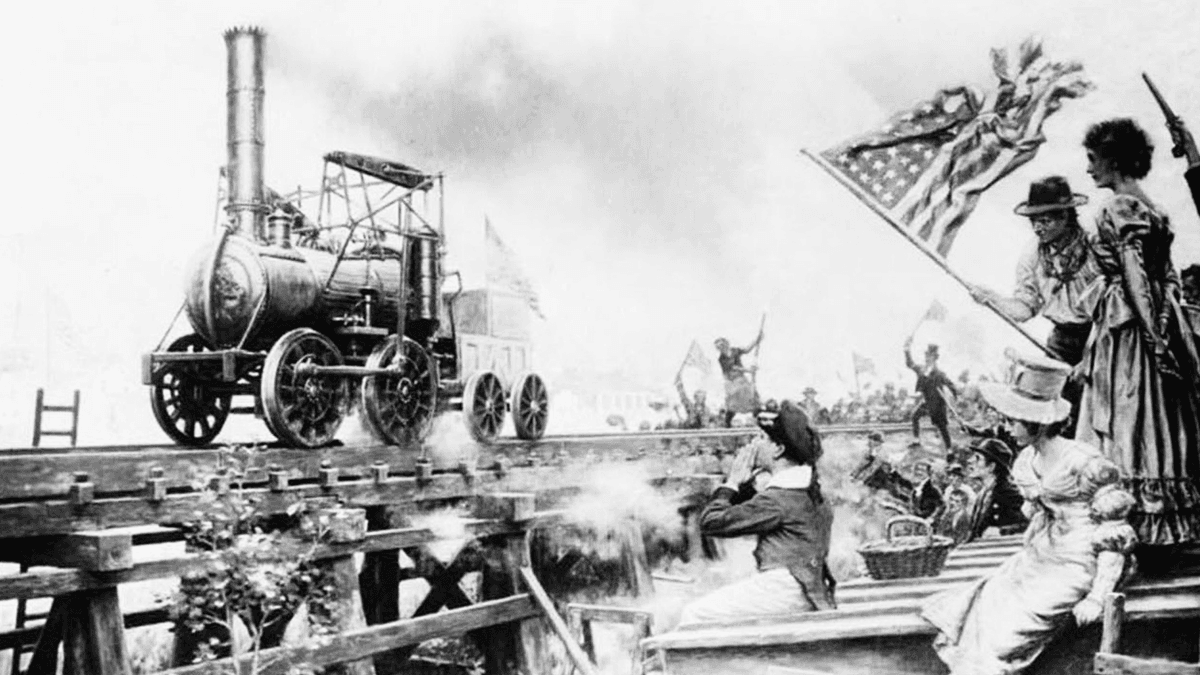
The Market Revolution: How Innovation Transformed America
In the early 1800s, America changed from a land of small farms to a booming nation of factories, railroads, and markets. The Market Revolution connected people, goods, and ideas—while also revealing deep inequalities in who benefited from progress.
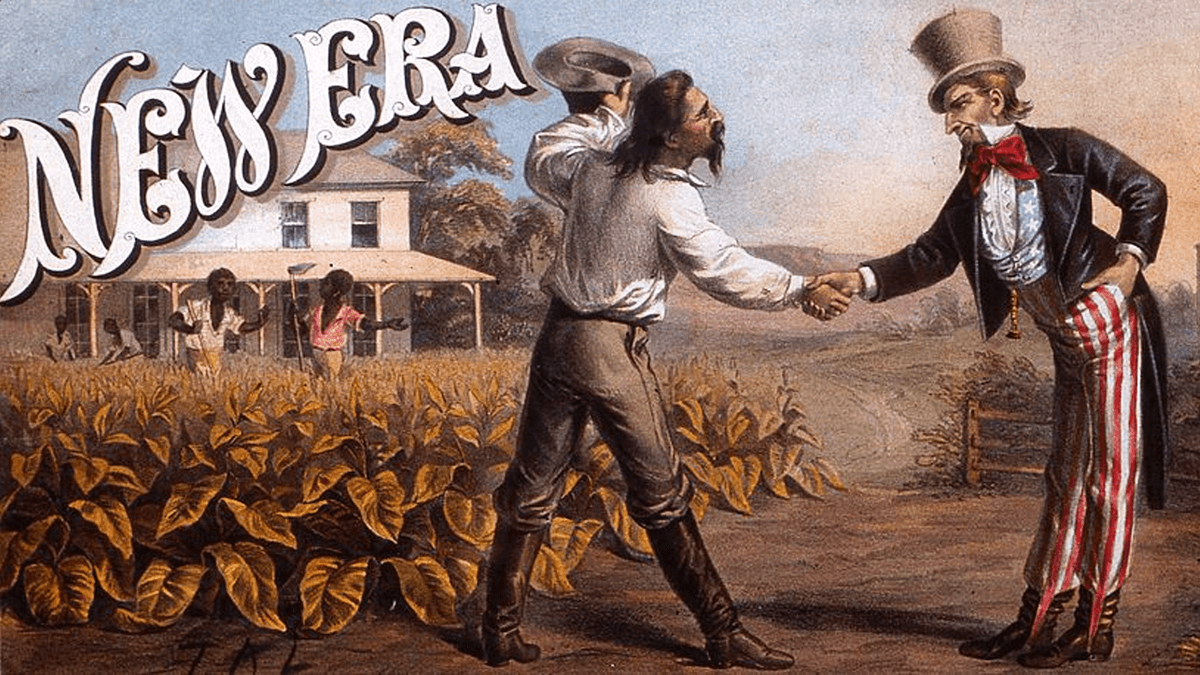
Reconstruction: Rebuilding a Nation and Redefining Freedom
After the Civil War, the United States faced the enormous task of reintegrating the South, securing rights for freedpeople, and redefining citizenship and equality. Reconstruction (1865–1877) was a bold experiment in democracy—filled with groundbreaking laws, historic firsts, and fierce backlash.
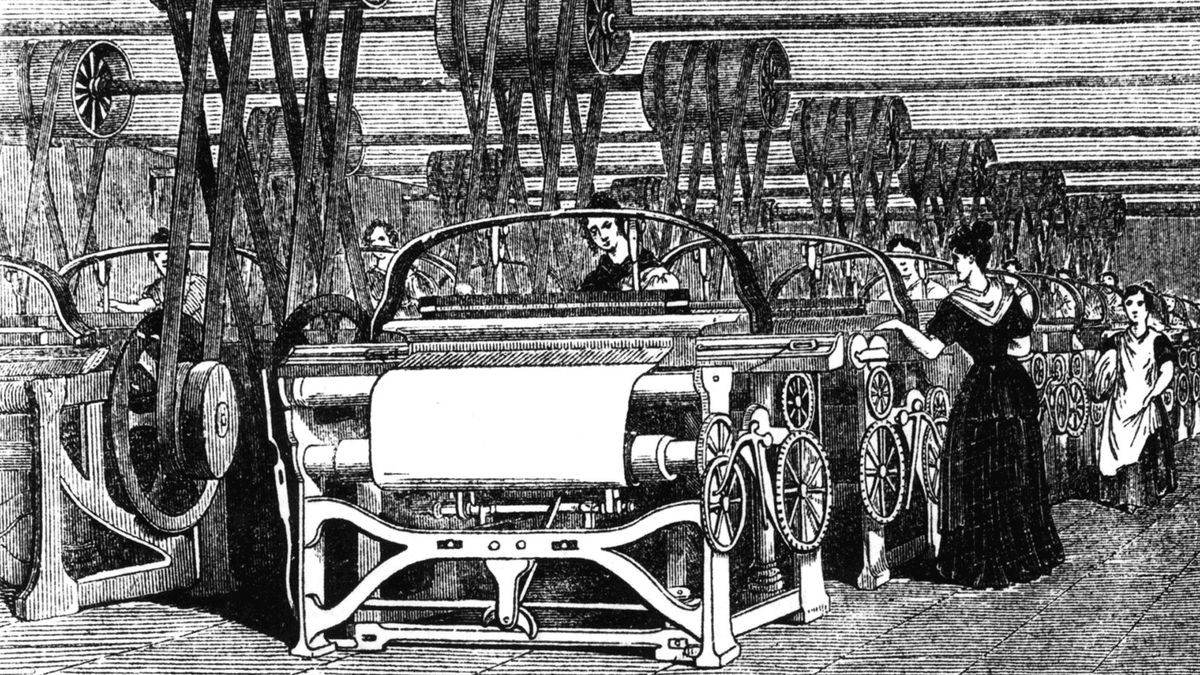
Early Industry and Economic Expansion (1800–1850)
From gold mines in North Carolina to textile mills and telegraphs, discover how the Market Revolution transformed the way Americans lived, worked, and connected in the early 19th century.
Further Reading
Stay curious!