

The First Impeachment Hits Congress
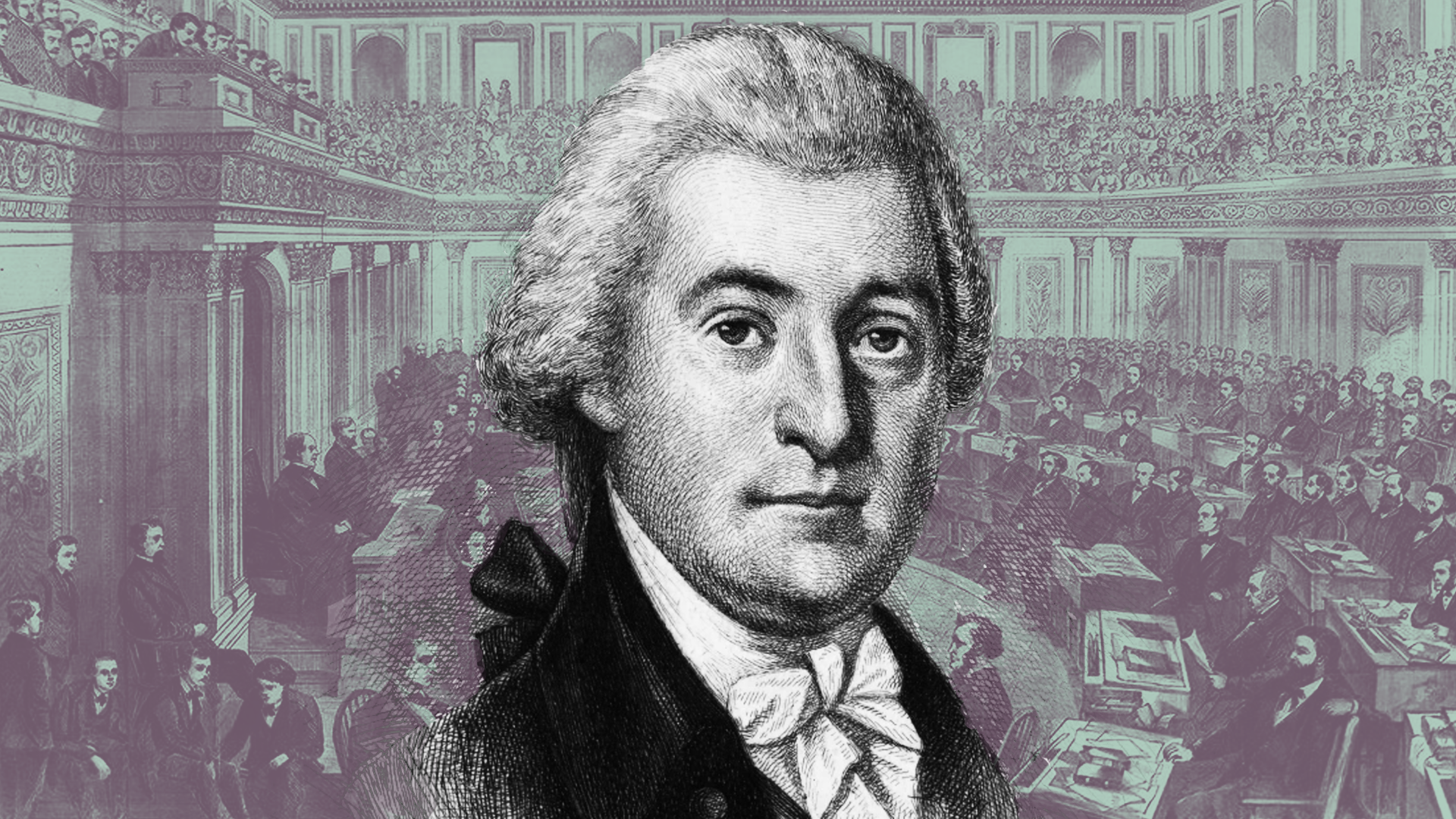
On July 7, 1797, Senator William Blount became the first member of Congress to face impeachment after conspiring with Britain to take Spanish land in North America.
What Happened?
William Blount had once been a Revolutionary War hero and a trusted leader in the young republic. He even signed the U.S. Constitution and helped bring Tennessee into statehood. But beneath the surface, Blount was drowning in debt from speculative land deals—and looking for a way out.
That exit plan turned into an international conspiracy. With Spain weakening in the Americas, Blount hatched a plot to help Britain take control of Spanish Florida and Louisiana. He tried to enlist frontiersmen and Native American allies, hoping to drive up the value of his land. But the plan fell apart when one of his letters landed on President John Adams’ desk.
On July 7, 1797, the House of Representatives voted to impeach Blount for behavior 'entirely inconsistent with his public duty.' The Senate expelled him the next day. But because impeachment was so new—and rarely used—Congress found itself deep in murky constitutional waters.
Was a Senator even a 'civil officer' under Article II of the Constitution? Could Congress impeach one of its own, or only executive and judicial officials? In 1799, the Senate, with Vice President Thomas Jefferson presiding, dismissed the charges, claiming it had no jurisdiction.
Blount returned to Tennessee and was elected to the state legislature, where he became speaker. The federal government never tried him again. His case remains a constitutional footnote with sharp edges: the first use of impeachment in American history—and the last time it was ever used on a member of Congress.
Why It Matters
Blount’s impeachment wasn’t just about one man’s scheme—it exposed one of the Constitution’s earliest blind spots. It pushed Congress to confront the boundaries of its own power and forced the country to ask: What exactly does 'accountability' look like in a democracy? The case set a precedent for expulsion over impeachment for legislators—and reminded the nation that even founders can betray the founding.
?
What was Senator Blount’s motivation for conspiring with British agents against Spain?
Why did the Senate expel Blount but refuse to convict him during impeachment?
What constitutional questions did Blount’s impeachment raise?
How has Congress handled expulsion and impeachment differently in the years since?
Why haven’t other members of Congress been impeached after Blount?
Dig Deeper
This animated explainer walks through the history and function of impeachment in the U.S. system, including how Blount’s case helped define its limits.
Related

Montgomery Bus Boycott, Greensboro Sit-In, and the Rise of MLK
From Montgomery’s buses to Greensboro’s lunch counters, ordinary citizens ignited extraordinary change — and a new national leader emerged.

Reed Gold Mine: The First American Gold Rush
The first gold rush in U.S. history began not in California, but in North Carolina—thanks to a doorstop, a 12-year-old boy, and a lucky find in a creek.

The War on Terror: A New Era of U.S. Power
After the September 11th attacks, the United States didn't just declare war on terrorism—it redefined national security, global alliances, and the limits of civil liberties.
Further Reading
Stay curious!