

Joe Hill Sentenced to Death
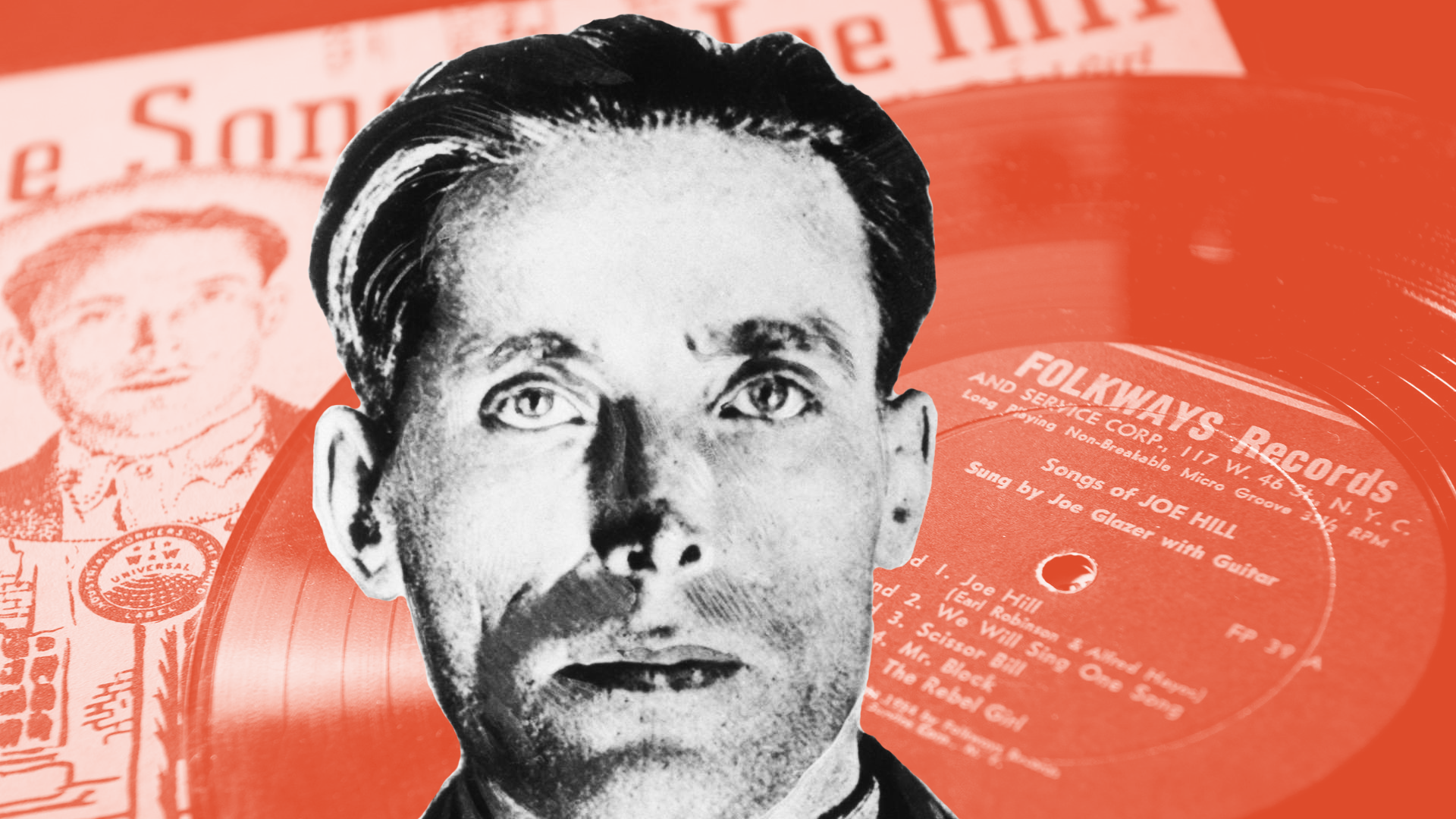
Portrait of Joe Hill, iconic labor activist and folk songwriter, who was sentenced to death by a Utah court, despite scant evidence tying him to the murder of a Salt Lake City grocer and his son.'
What Happened?
Joe Hill wasn’t born in America, but he became one of its most defiant voices. Born Joel Hägglund in Sweden, Hill immigrated to the U.S. in 1902 and joined the Industrial Workers of the World (IWW) in 1910. A traveling laborer with a sharp wit and a sharper pen, Hill turned protest into poetry, authoring songs that united workers from shipyards to smelters.
By 1914, Hill’s name rang out across picket lines—but fame made him a target. That January, two masked men killed a Salt Lake City grocer and his son. Days later, Hill showed up at a doctor’s house with a gunshot wound. He claimed it came from a fight over a woman and refused to name names. Authorities ignored alibis, skipped the forensics, and put Hill on trial. The evidence was flimsy. The verdict was death.
The trial raised red flags: a judge who chose jurors himself, witnesses with conflicting accounts, and a press eager to paint Hill guilty by ideology. But Hill, loyal to the IWW and protective of the woman’s identity, refused to mount a full defense. He was convicted and sentenced on July 8, 1914.
While awaiting execution, Hill wrote songs and letters from jail. His words transcended bars and borders. Despite appeals from President Woodrow Wilson and the Swedish ambassador, Utah Governor William Spry refused to halt the execution. On November 19, 1915, Hill faced a firing squad. 'Fire!' he shouted himself.
In death, Joe Hill became legend. His ashes were scattered across five continents and 47 states, but not Utah. His songs live on in every rallying chant, in every demand for dignity, wages, and justice. A century later, his message still sings: 'Don’t mourn, organize.'
Why It Matters
Joe Hill’s sentencing and execution were more than legal proceedings—they were a warning shot at the rising power of labor. Hill became the face of a system that feared dissent more than justice. His story reminds us that songs can be weapons, and solidarity can outlive bullets. In a world still battling for fair wages, safe workplaces, and the right to organize, Joe Hill’s ghost hasn’t gone quiet.
?
What were the core beliefs of the Industrial Workers of the World (IWW), and how did they differ from other labor unions of the time?
Why did Joe Hill refuse to reveal the identity of the person who shot him?
How did Joe Hill’s trial reflect broader fears about socialism and labor organizing in early 20th-century America?
What role did music and protest songs play in early labor movements?
How is Joe Hill remembered today, and what does his legacy tell us about labor rights and justice?
Dig Deeper
In 1915, the State of Utah executed labor icon and folk singer Joe Hill for a crime he may not have committed, putting Utah in the center of a media storm that's lasted a hundred years.
Related

The First Amendment: America’s Blueprint for Freedom
The First Amendment protects freedoms of speech, religion, press, assembly, and petition. It’s the foundation of American democracy—but also a source of constant debate and interpretation.
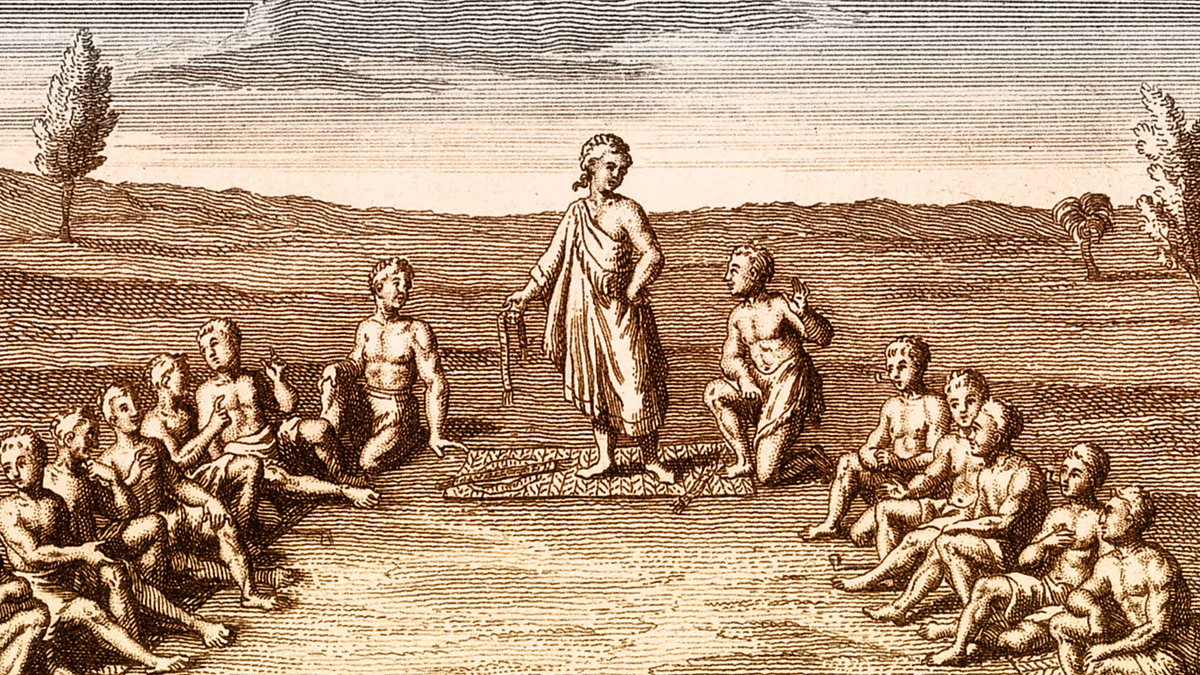
The Haudenosaunee Confederacy: Indigenous Roots of American Democracy
Long before the Founding Fathers gathered in Philadelphia, a league of Native Nations had already established one of the world’s oldest participatory democracies—an Indigenous blueprint for unity, peace, and governance.
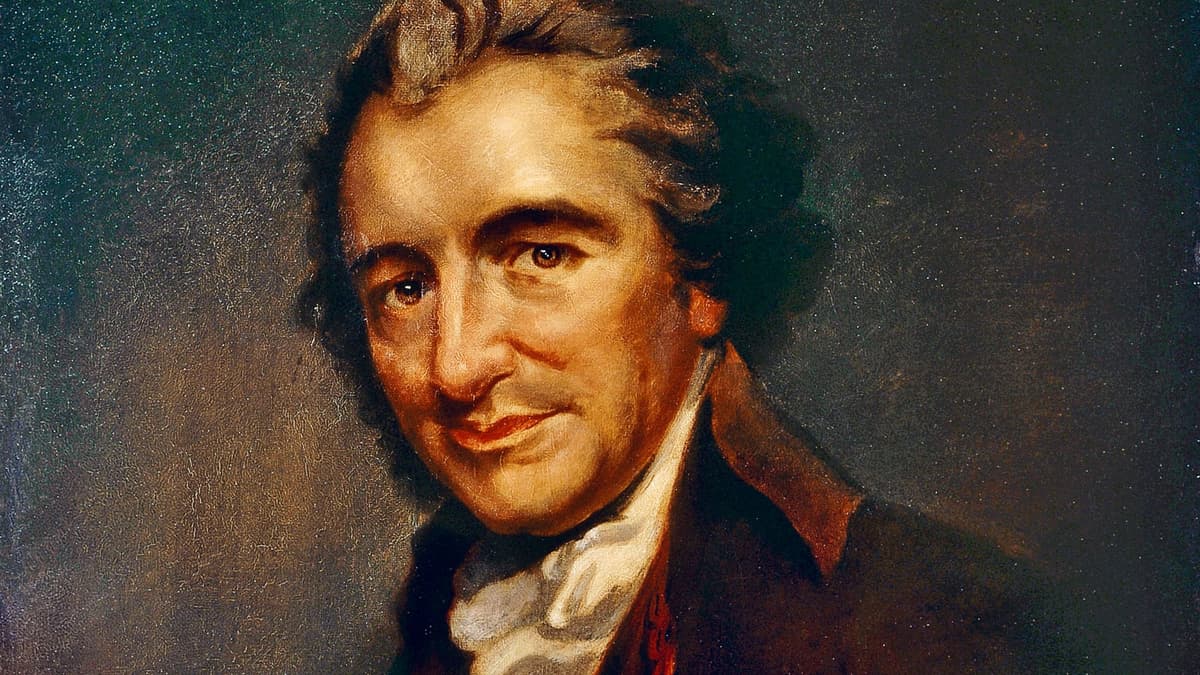
The Role of Ideas in Revolutionary Change
The Role of Ideas in Revolutionary Change: How can ideas and writings change the course of history?
Further Reading
Stay curious!