

Unlocking the Language of the Ancients
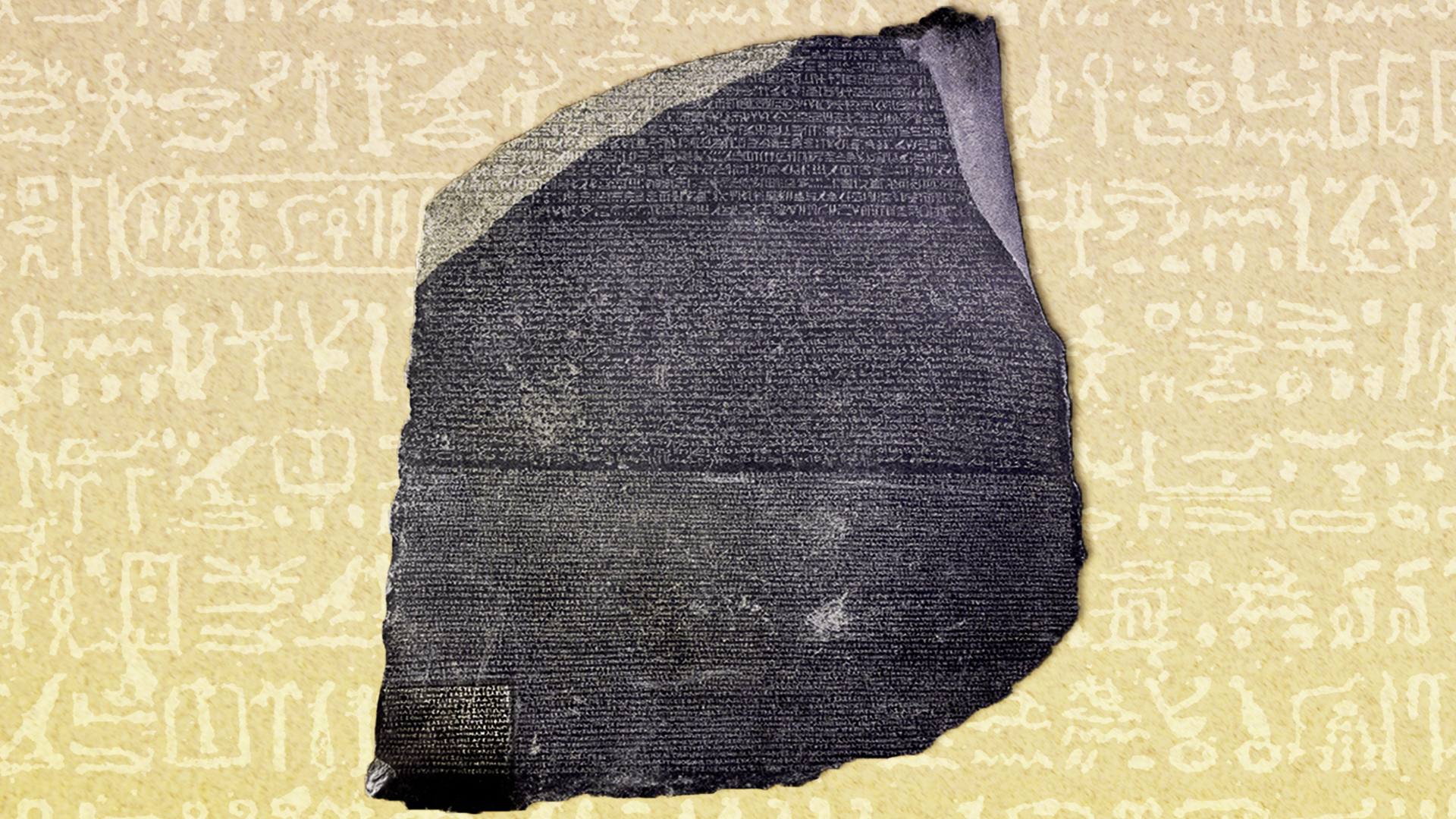
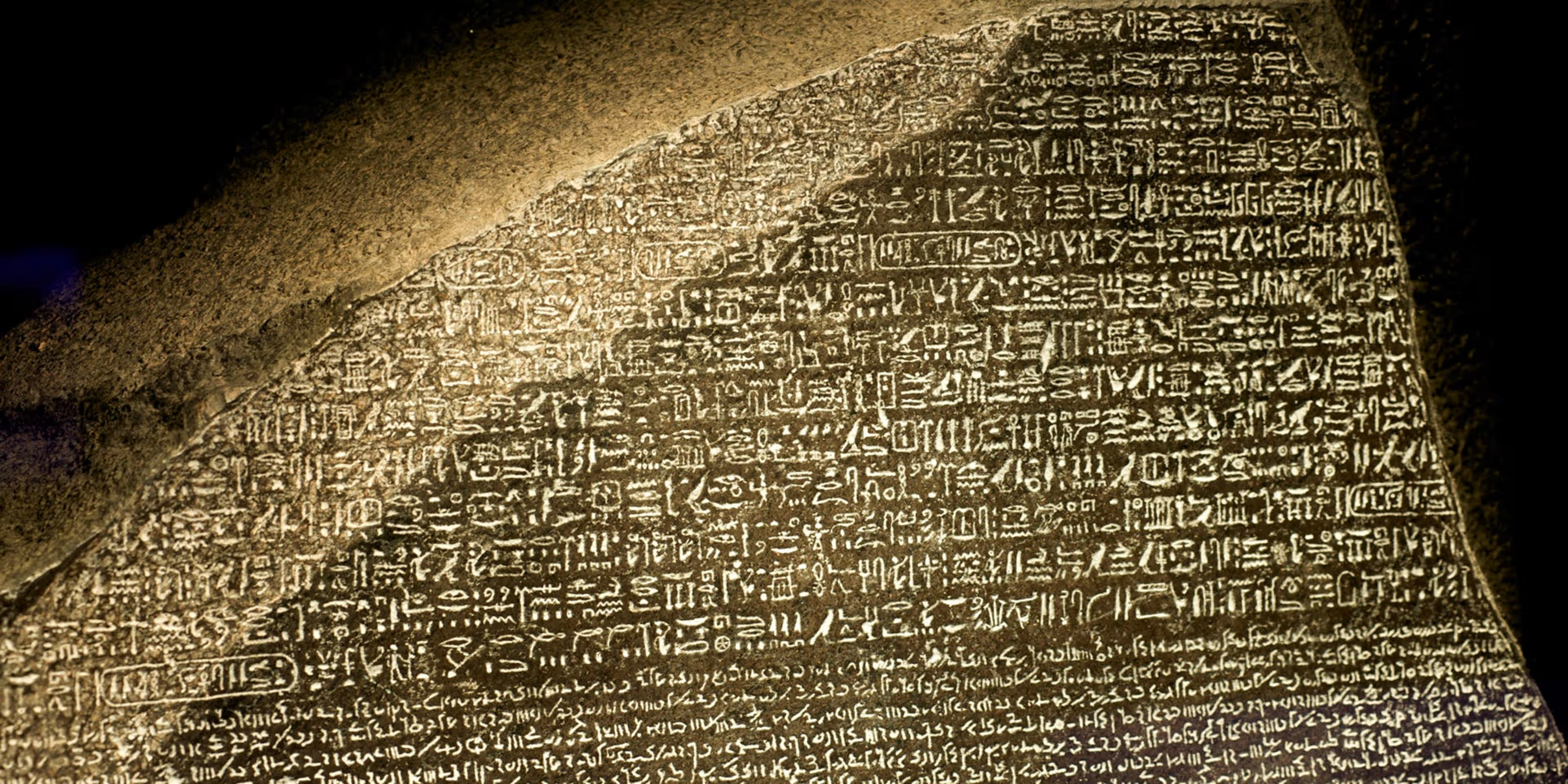
An image of the Rosetta Stone, featuring three distinct scripts carved into dark basalt: Greek, Demotic, and Egyptian hieroglyphics.
What Happened?
In July 1799, while digging near Fort Julien in the Nile Delta, French soldiers under Napoleon Bonaparte stumbled across a broken slab of dark stone. Measuring about 44 inches tall and covered in inscriptions, the Rosetta Stone would become one of the most significant archaeological finds in history. The key? The same decree was written three times: once in Greek, once in Demotic (the Egyptian script of everyday use), and once in hieroglyphics—a language that hadn’t been understood in nearly 2,000 years.
The Rosetta Stone’s text honored Ptolemy V, a young ruler in 196 BCE. But it wasn’t the message itself that mattered—it was the translation. By comparing the known Greek with the unknown Egyptian scripts, scholars could begin to decode the mysterious symbols that adorned tombs, temples, and artifacts across Egypt.
The deciphering took decades. English scientist Thomas Young made early progress by linking cartouches to royal names. But it was French linguist Jean-François Champollion who cracked the full system in 1822, proving that hieroglyphics were not just symbolic but phonetic as well. With that, a long-silent language began to speak again.
Today, the Rosetta Stone resides in the British Museum, a possession gained when Britain defeated Napoleon in 1801 and claimed the artifact under the Treaty of Alexandria. For many Egyptians, however, the stone is more than a historical breakthrough—it’s a national treasure taken under colonial terms. As global pressure grows for repatriation of cultural artifacts, the Rosetta Stone remains a flashpoint in the ongoing debate over who owns history.
Why It Matters
The Rosetta Stone wasn’t just a key to a lost language—it opened the door to understanding an entire civilization. It proved that knowledge can be hidden in plain sight, waiting for the right minds to decode it. But its story also reveals how colonial conquest shaped modern museums. The stone helped the world read the past, but it also forces us to ask: who gets to keep the pieces of it?
?
Why was the Rosetta Stone critical to deciphering hieroglyphics?
What does the story of the Rosetta Stone reveal about the relationship between colonialism and archaeology?
Who was Jean-François Champollion and why is he important to the history of language?
Should artifacts taken during colonial rule be returned to their countries of origin? Why or why not?
How did the discovery of the Rosetta Stone shape the modern field of Egyptology?
Dig Deeper
Learn how the Rosetta Stone was discovered, deciphered, and transformed the world's understanding of ancient Egypt.
Related
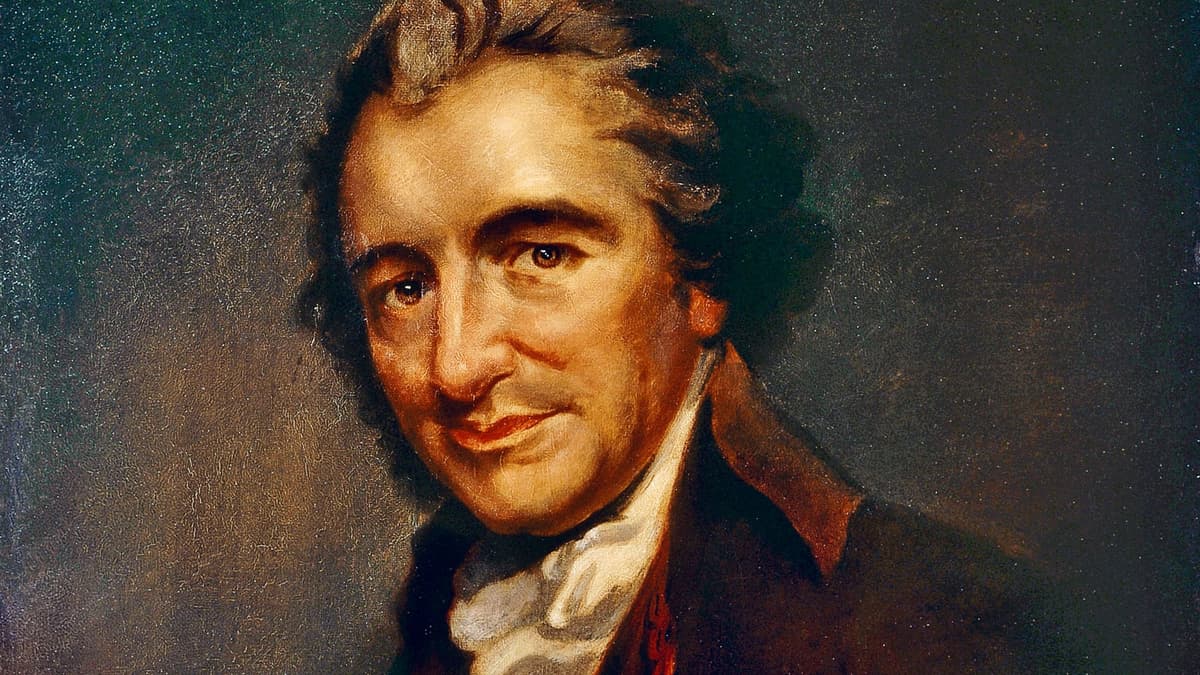
The Role of Ideas in Revolutionary Change
The Role of Ideas in Revolutionary Change: How can ideas and writings change the course of history?
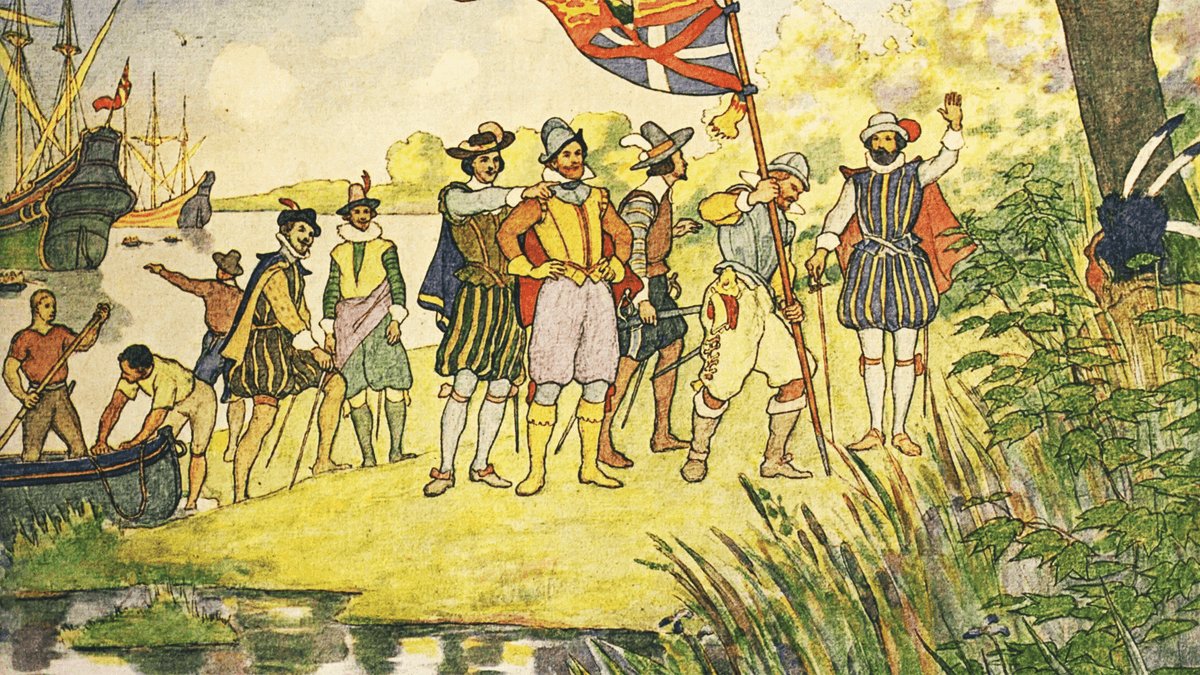
Joint-Stock Companies: Capitalism, Colonization, and Risk
Without joint-stock companies, there might be no Jamestown, no thirteen colonies—and no United States. These early capitalist ventures let investors fund risky New World settlements without bankrupting the Crown.
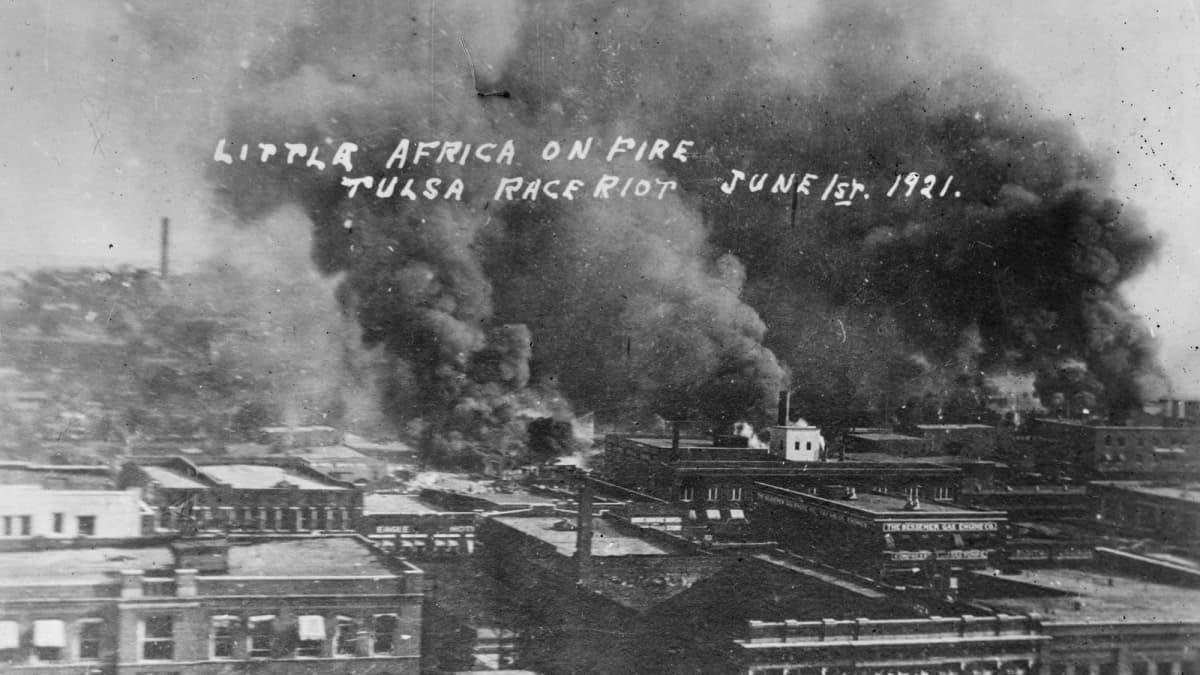
The Tulsa Race Massacre: Black Wall Street Burned
Greenwood was known as Black Wall Street—until a white mob burned it to the ground. The Tulsa Race Massacre wasn’t a riot. It was a coordinated attack. And it was nearly erased from history.
Further Reading
Stay curious!