

Breaking Tradition: FDR Nominated for a Third Term
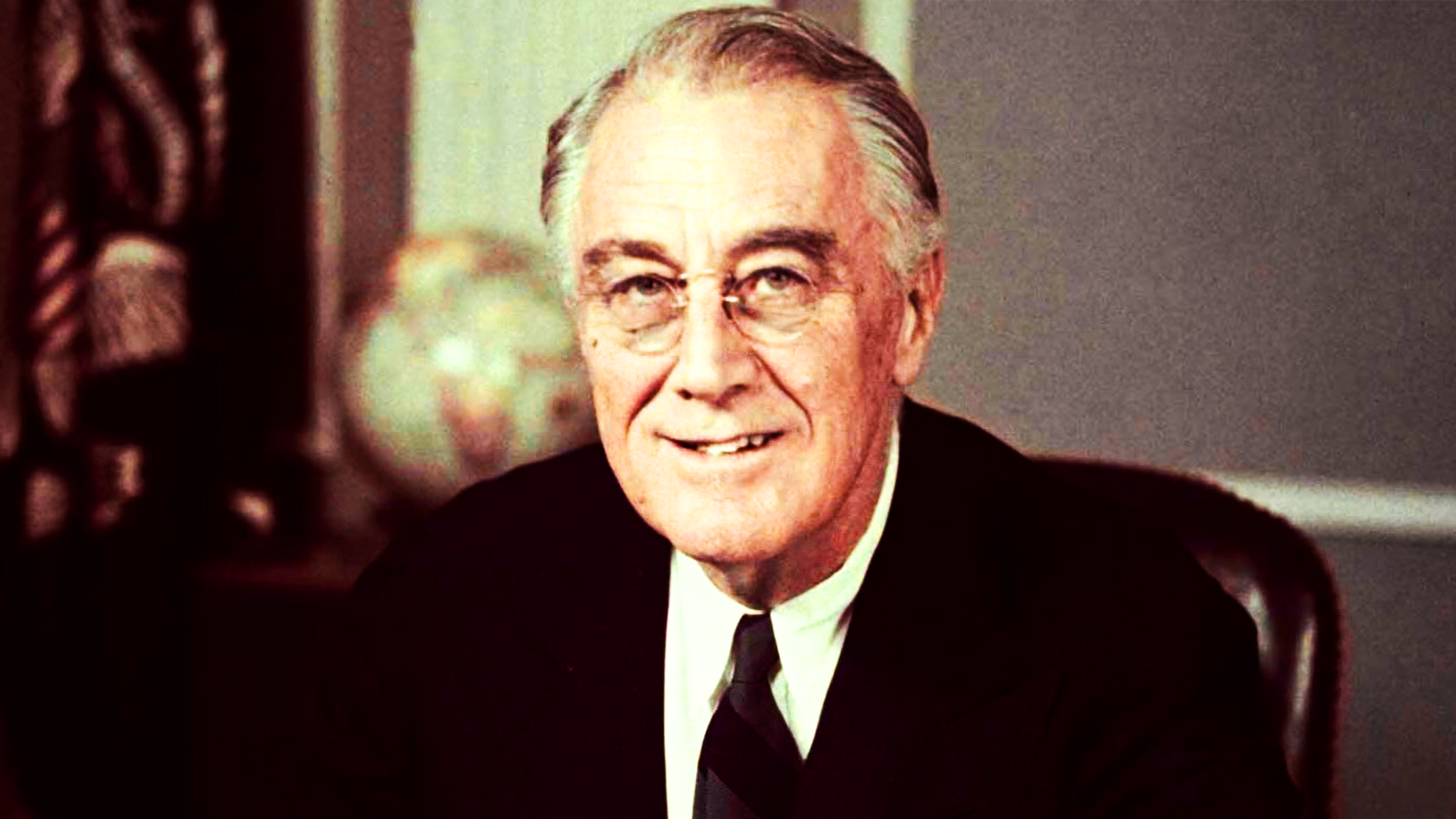
Franklin D. Roosevelt's third-term nomination shattered the unwritten rule of two terms set by George Washington—and marked a turning point in presidential power, wartime leadership, and America's role on the global stage.
What Happened?
Franklin D. Roosevelt was no stranger to crisis. First elected in 1932 during the depths of the Great Depression, FDR delivered the New Deal, an unprecedented expansion of federal power aimed at stabilizing the economy, reforming the financial system, and providing relief to millions of struggling Americans.
By 1940, the Depression had eased but democracy faced a new threat: fascism abroad. With Hitler marching through Europe, many Americans feared that the world was on the brink of another catastrophic war. Roosevelt, already a two-term president, decided that continuity and leadership mattered more than tradition.
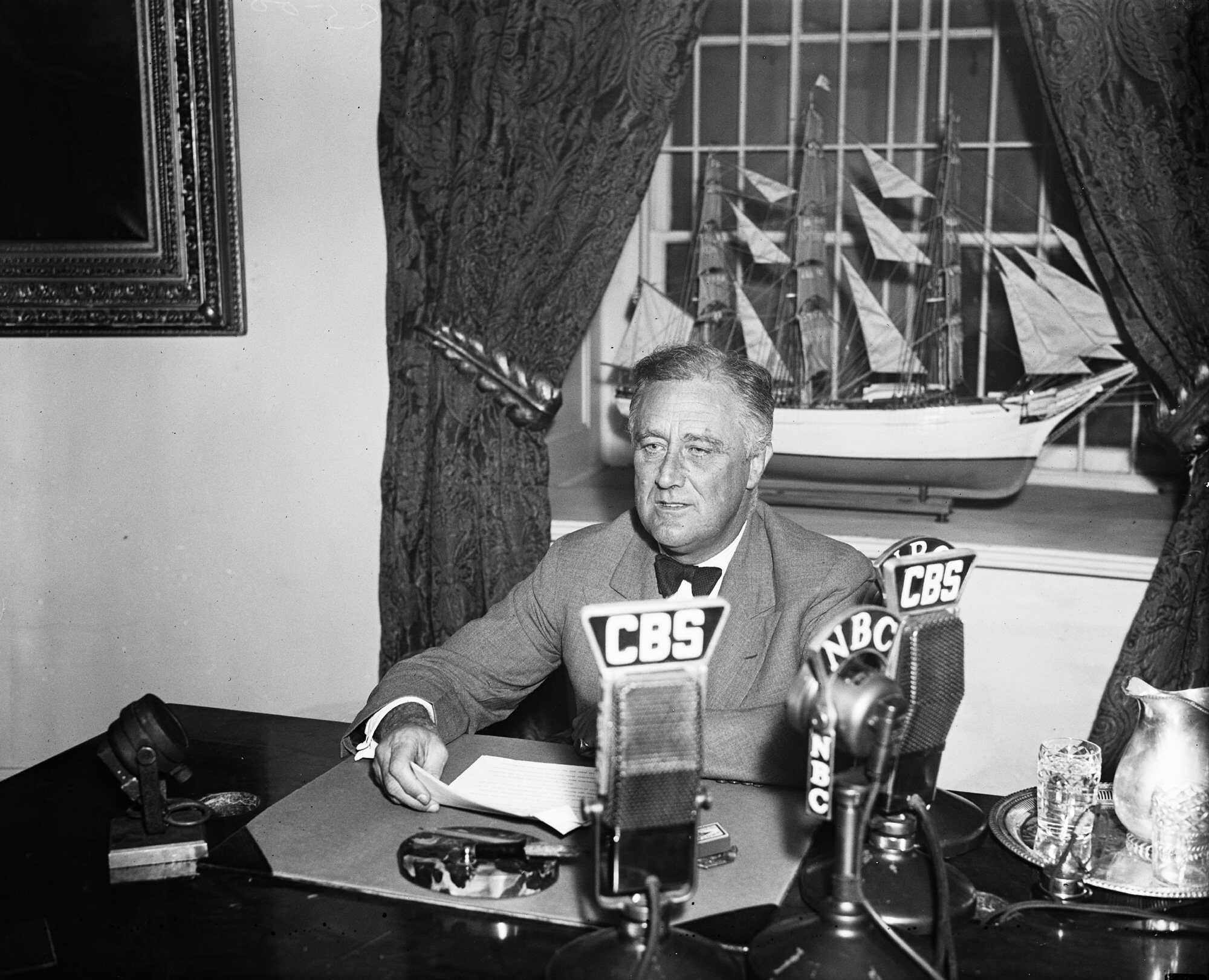
On July 18, 1940, at the Democratic National Convention in Chicago, FDR accepted the party’s nomination for a third term. It was a moment of political and constitutional rupture, an open challenge to the two-term precedent George Washington had established in 1796 and every president had honored since.
FDR faced both criticism and admiration. Supporters believed he was the only leader prepared to guide America through global instability. Detractors warned of executive overreach and creeping authoritarianism. But in the general election, Roosevelt defeated Republican Wendell Willkie and stayed at the helm.
FDR would go on to lead the nation through most of World War II, transforming the presidency into an engine of global strategy and domestic mobilization. His death in office in 1945, during his fourth term, led to the 22nd Amendment, which formally limited future presidents to two terms.
More than a break from tradition, FDR’s third-term nomination signaled a shift in American expectations of presidential leadership. In times of crisis, the people demanded not just policy but vision, continuity, and boldness. Roosevelt delivered all three.
Why It Matters
FDR’s third term was more than a historical anomaly, it was a pivot point for the presidency, federal authority, and America’s global leadership. It proved that during moments of extraordinary crisis, tradition might bend—but democracy, when led with principle, can endure and even evolve.
?
Why did George Washington step down after two terms, and how did this precedent shape early American democracy?
What concerns did critics raise about FDR seeking a third term?
How did FDR's presidency expand the role and expectations of the executive branch?
In what ways did World War II shape FDR’s third and fourth terms?
What impact did the 22nd Amendment have on future presidencies, and why was it passed after FDR’s death?
Dig Deeper
A short documentary on the life, legacy, and leadership of Franklin D. Roosevelt—the only U.S. president to serve four terms.
A fast-paced overview of the New Deal—FDR’s sweeping response to the Great Depression—and how it reshaped the federal government’s role in American life.
Related
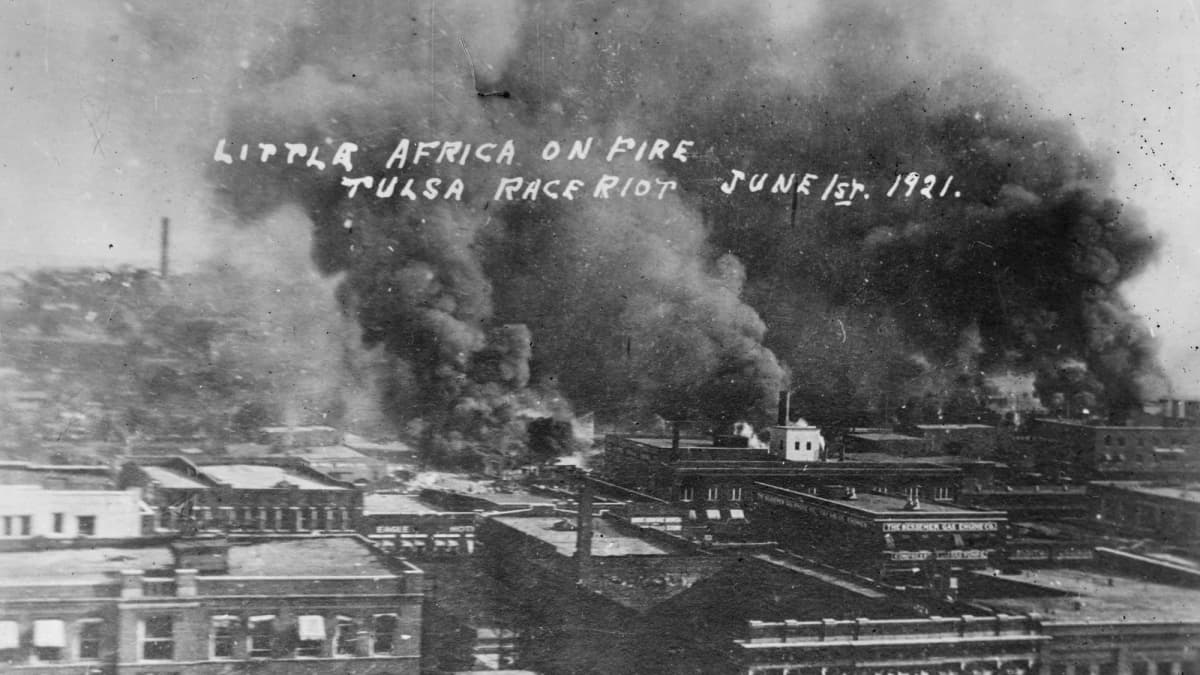
The Tulsa Race Massacre: Black Wall Street Burned
Greenwood was known as Black Wall Street—until a white mob burned it to the ground. The Tulsa Race Massacre wasn’t a riot. It was a coordinated attack. And it was nearly erased from history.
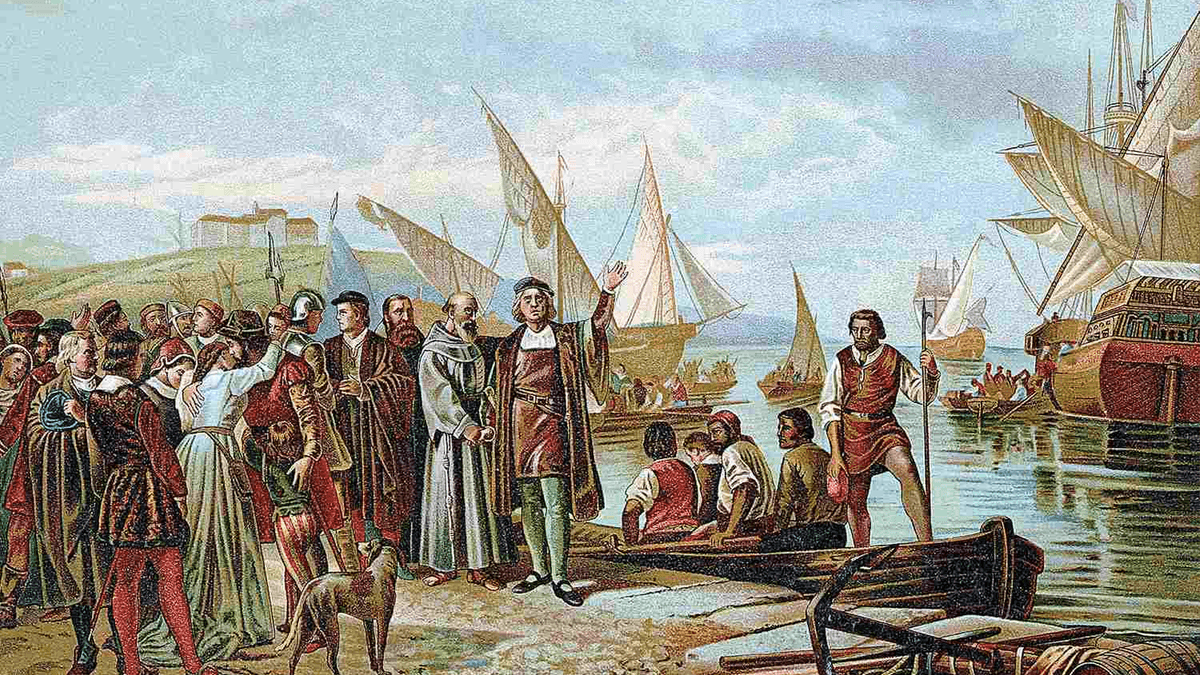
European Exploration of the Americas
When European explorers set sail across the Atlantic, they weren’t just chasing trade routes—they were rewriting the world’s future. But discovery for some meant devastation for others.
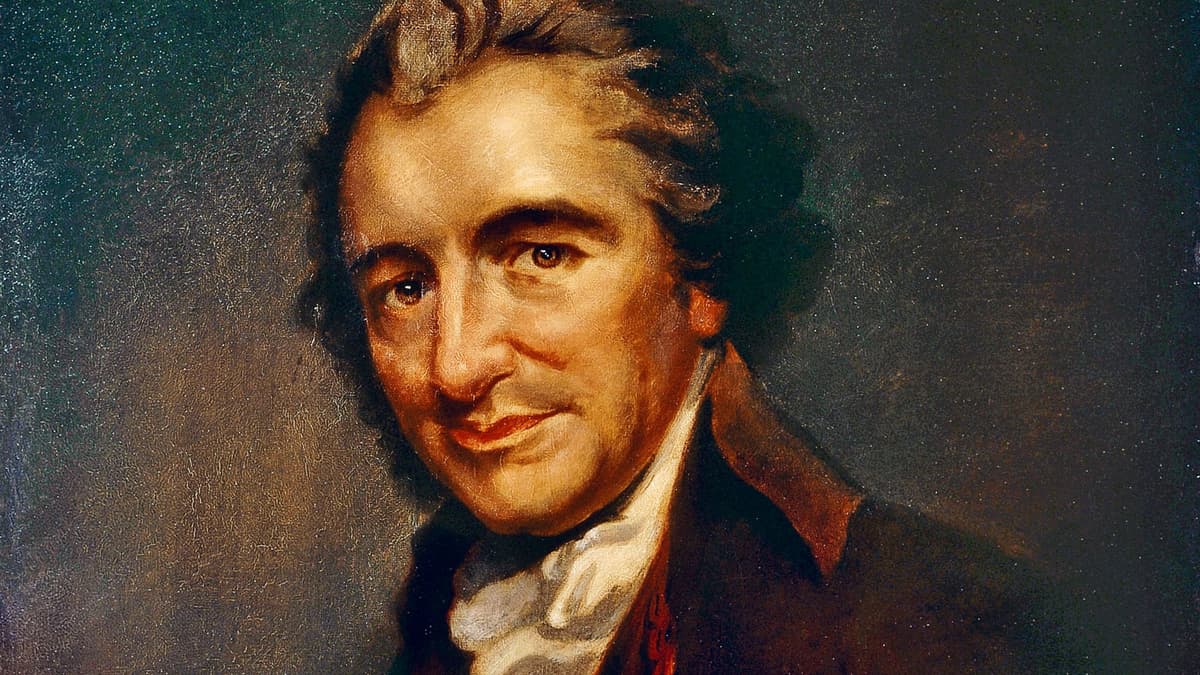
The Role of Ideas in Revolutionary Change
The Role of Ideas in Revolutionary Change: How can ideas and writings change the course of history?
Further Reading
Stay curious!