

The 1967 Detroit Uprising Begins
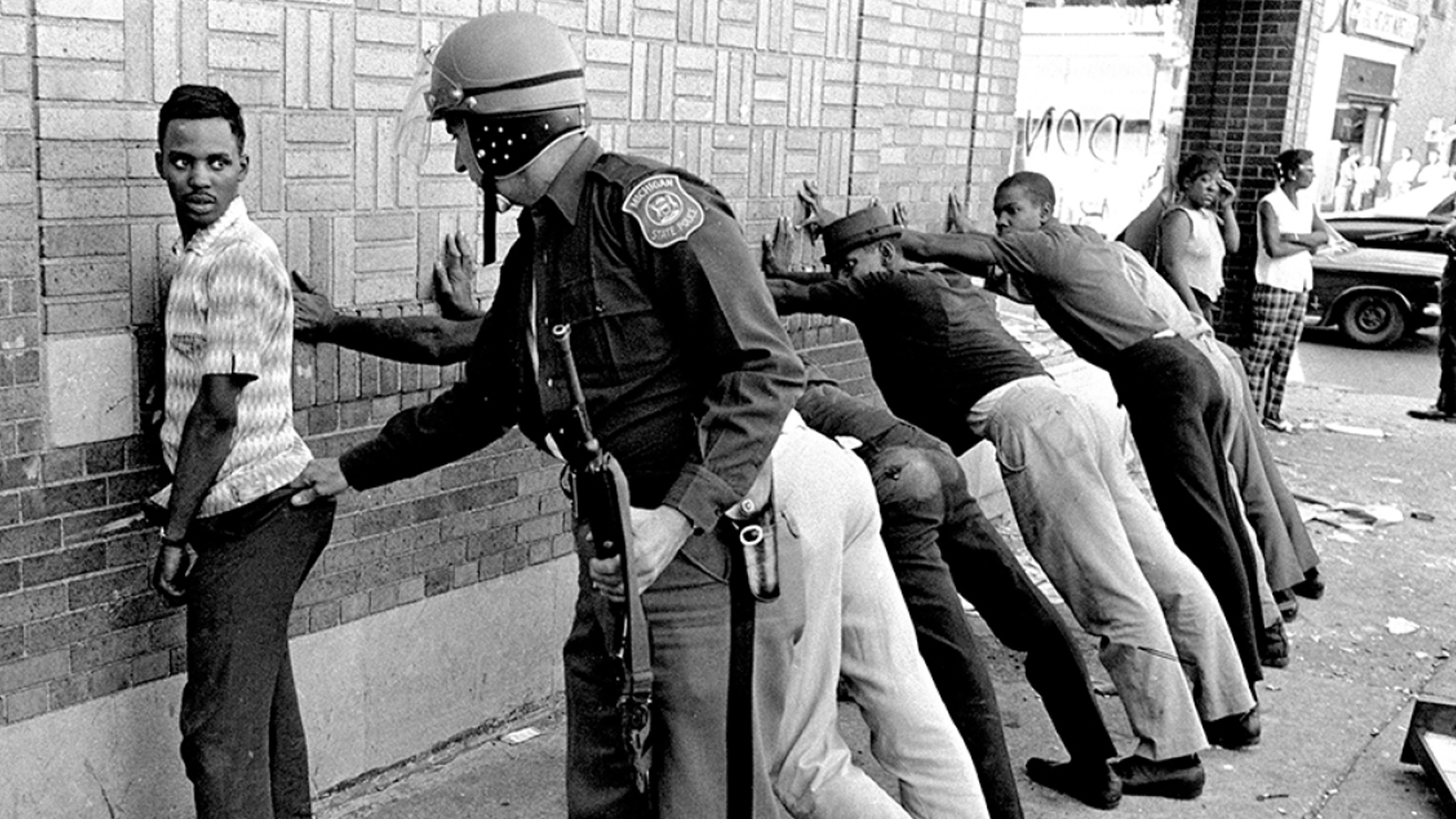
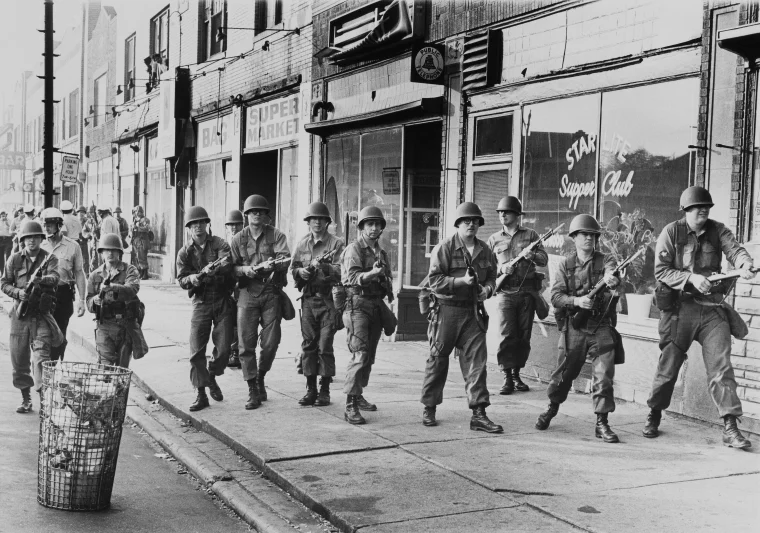
National Guard troops and tanks patrol the streets of Detroit amid smoke, rubble, and burnt-out buildings during the 1967 uprising.
What Happened?
At 3:15 a.m., Detroit’s vice squad stormed a 'blind pig' on 12th Street, arresting over 80 partygoers—many of them Black veterans just returned from Vietnam. Onlookers watched. Tensions mounted. Then came the crash of a brick through a police car window—and suddenly, a neighborhood long simmering with anger erupted.
Looting, fires, and mass confrontation overwhelmed police within hours. By dawn, the first building blazed. By nightfall, the city was burning. For five days, Detroit became an urban battlefield—sniper fire echoed through the streets, federal troops rolled in, and residents bore the brunt of indiscriminate force.
But this wasn’t just a riot. This was a rebellion—a collective cry from a city whose Black population had faced segregation in housing and schools, exploitation in factories, and daily humiliation from a mostly white police force that often acted like an occupying army. The spark was the raid—but the fuel was structural racism.
White flight had hollowed out the city. Black neighborhoods like Virginia Park had replaced Jewish enclaves but were denied resources and policed with brutality. Detroit’s east side had lost 70,000 industrial jobs post-WWII, and the demolition of Black Bottom and Paradise Valley destroyed the cultural heart of the Black community.
The uprising left 43 people dead, over 7,200 arrested, and nearly 1,400 buildings damaged or destroyed. The National Guard, State Police, and U.S. Army restored a version of order—but the scars remained. In the aftermath, President Lyndon Johnson formed the Kerner Commission, whose report declared: 'White racism is essentially responsible for the explosive mixture.'
The rebellion also changed Detroit’s political trajectory. In its wake came movements for justice, organizations like Focus: HOPE and New Detroit, and the election of the city’s first Black mayor, Coleman Young. Yet it also accelerated disinvestment and deepened inequality, as systemic racism proved more durable than fire.
Why It Matters
The Detroit Uprising of 1967 wasn’t just about a police raid—it was about dignity, inequality, and the explosive consequences of ignoring systemic racism. It forced America to confront its urban crisis, even as policymakers chose policing over justice. But Detroiters—through revolt, activism, and community power—refused to be erased.
?
How did the 1967 Detroit Rebellion compare to other uprisings of the 1960s?
What role did housing segregation and deindustrialization play in the uprising?
What was the Kerner Commission and how did it assess the root causes of the riots?
How did Detroit's political leadership change after the rebellion?
What connections exist between the 1967 uprising and modern-day movements against police brutality?
Dig Deeper
A short history of the Detroit uprising—its roots in racial injustice, the events of July 1967, and the long-term impact on the city and the nation.
Related
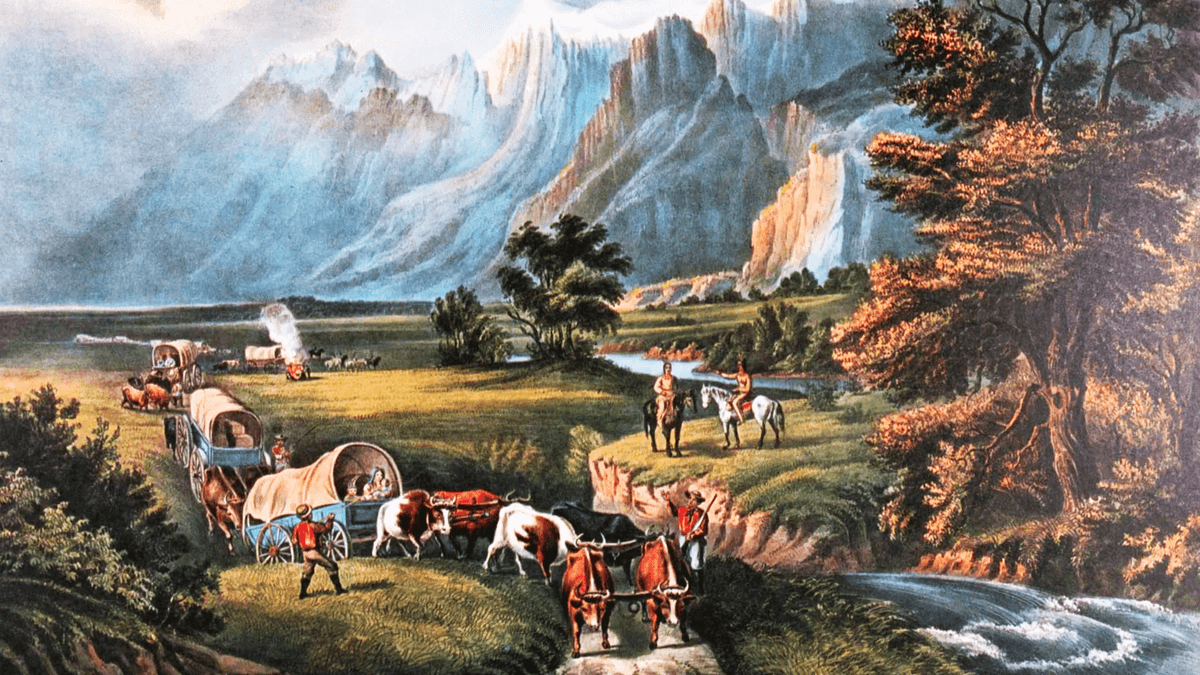
Westward Expansion, Sectionalism, and the Road to Civil War
Manifest Destiny fueled territorial growth, but it also deepened sectional divides—turning political disagreements over slavery and states’ rights into irreconcilable conflicts that led to civil war.
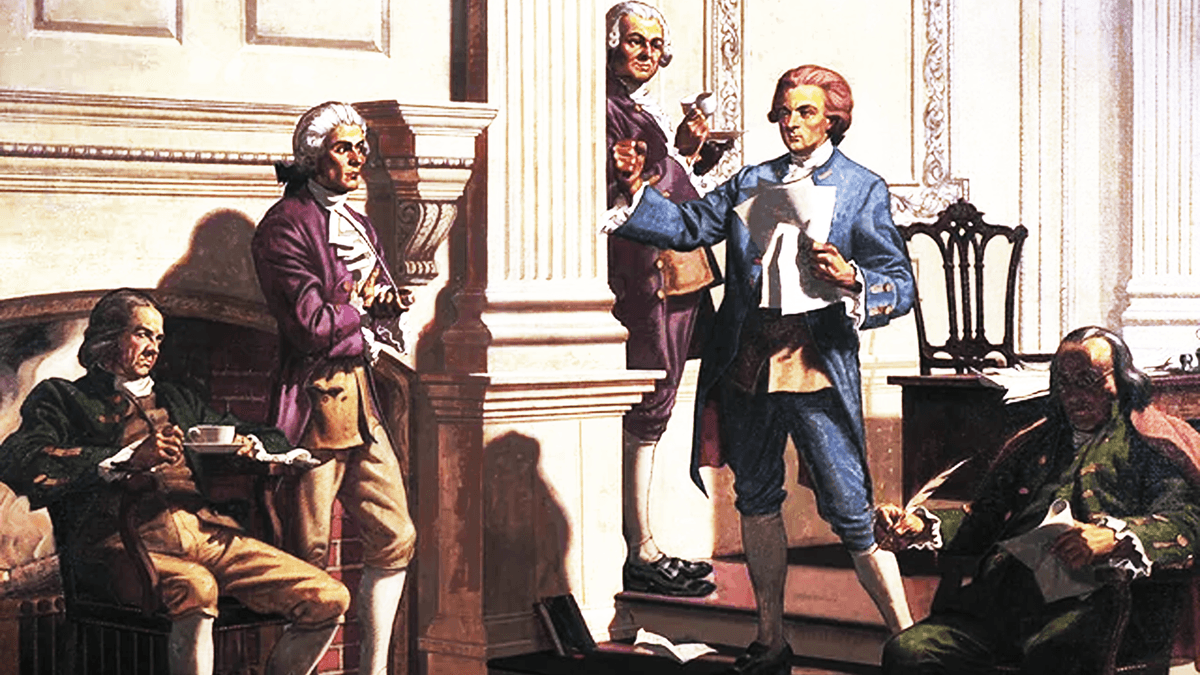
Halifax Resolves and the Road to Revolution
How North Carolina went from protest to the first official call for full independence from Britain.
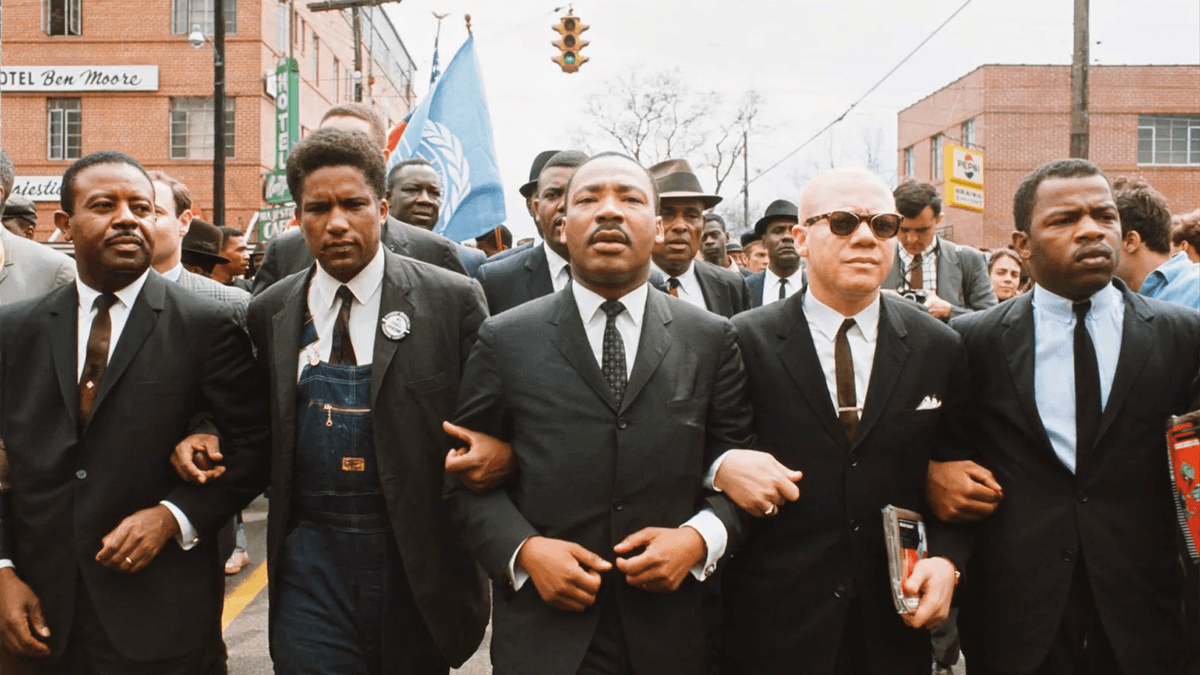
Montgomery Bus Boycott, Greensboro Sit-In, and the Rise of MLK
From Montgomery’s buses to Greensboro’s lunch counters, ordinary citizens ignited extraordinary change — and a new national leader emerged.
Further Reading
Stay curious!