

Unveiling Machu Picchu: Hiram Bingham's Encounter with the Inca Citadel
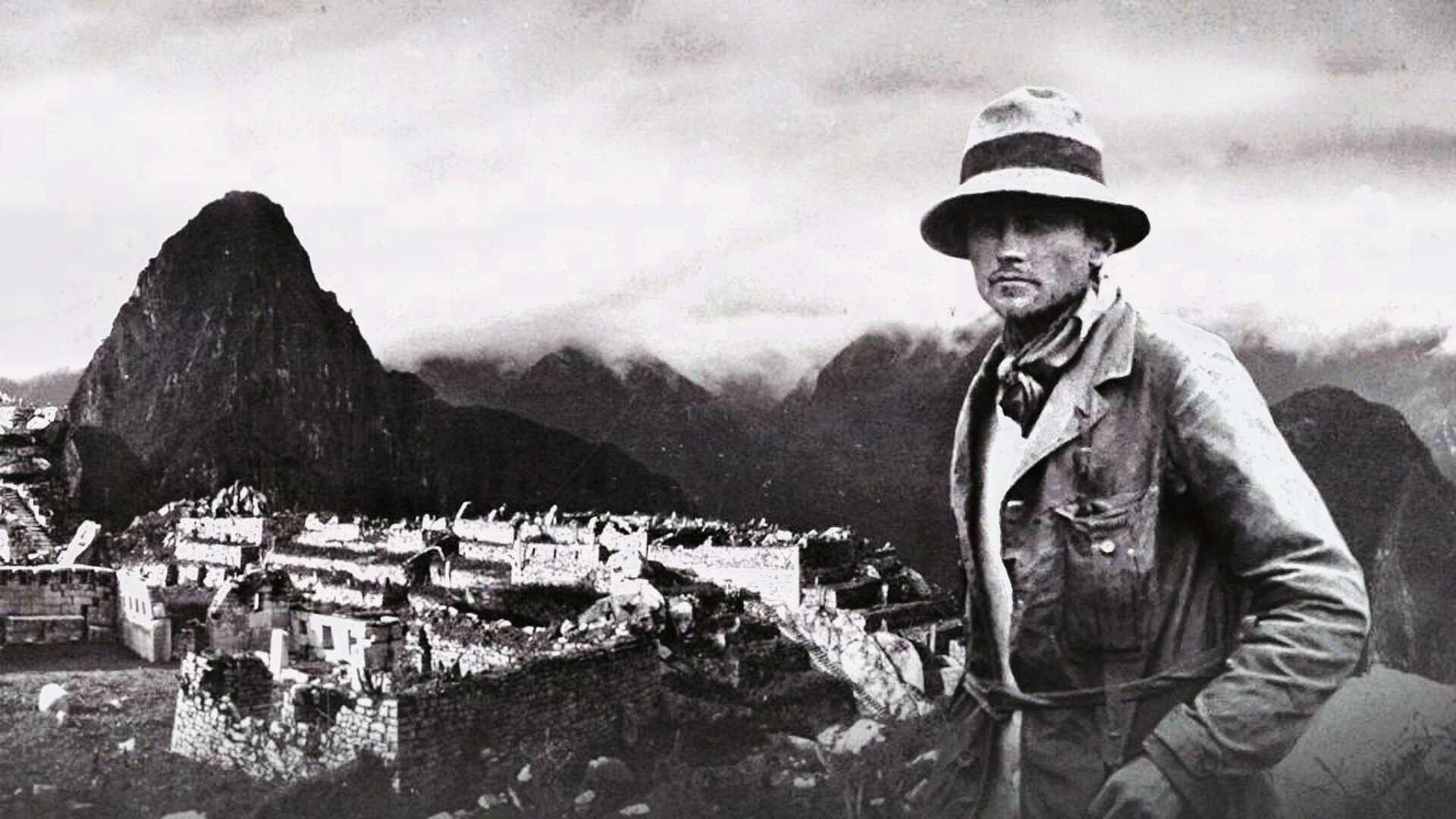
With help from locals, Bingham stepped into a lost world of temples, terraces, and sacred stonework that had been hidden for centuries.
What Happened?
Bingham, a Yale professor with a hunger for uncovering lost civilizations, set out to find Vilcabamba—the last Inca refuge from the Spanish conquest. But on July 24, 1911, he found something far more remarkable: the moss-covered stonework of Machu Picchu, long known to locals but unknown to the outside world.
Escorted by landowner Melchor Arteaga, Sergeant Carrasco, and an 11-year-old boy from a nearby farming family, Bingham crossed a precarious bridge and scaled the mountain. There, amid thick jungle and towering peaks, he found what he called the 'Lost City of the Incas'—though it was never truly lost to the people who lived nearby.
Bingham's writings and photographs, amplified by Yale University and the National Geographic Society, turned Machu Picchu into an international sensation. His expeditions unearthed aqueducts, terraces, temples, and tombs—evidence of a sophisticated Inca civilization that honored the land, the sun, and their ancestors.
But the 'discovery' came with controversy. Peruvian guide Agustín Lizárraga had documented the site years earlier, and many questioned Bingham’s removal of thousands of artifacts to Yale—an act that sparked a century-long debate over cultural ownership and restitution.
Today, Machu Picchu is not just a tourist destination. It’s a sacred symbol of Indigenous resilience and architectural genius. Its exact purpose remains debated—perhaps a royal retreat, a spiritual sanctuary, or a monument to Inca cosmology. But its global impact is clear: one man’s expedition awakened the world to a hidden masterpiece—and to the voices long excluded from its story.
Why It Matters
Machu Picchu’s 'rediscovery' reshaped global understanding of pre-Columbian civilizations and sparked a movement of archaeological exploration across South America. But it also raises deeper questions about cultural memory, colonial narratives, and who gets credit for uncovering the past. Bingham brought Machu Picchu to the world—but the world is still reckoning with what that means.
?
Why was Machu Picchu never found by Spanish conquistadors, and how did that help preserve it?
How did Hiram Bingham's relationship with Yale and the National Geographic Society shape public perception of Machu Picchu?
What do modern archaeologists believe was the true purpose of Machu Picchu?
Why is Agustín Lizárraga considered by many Peruvians to be the true discoverer of Machu Picchu?
What lessons does the story of Machu Picchu teach us about Indigenous knowledge and historical erasure?
Dig Deeper
Follow the journey of Hiram Bingham through the cloud forests of Peru to the ancient stone terraces of Machu Picchu in this National Geographic deep dive.
Related
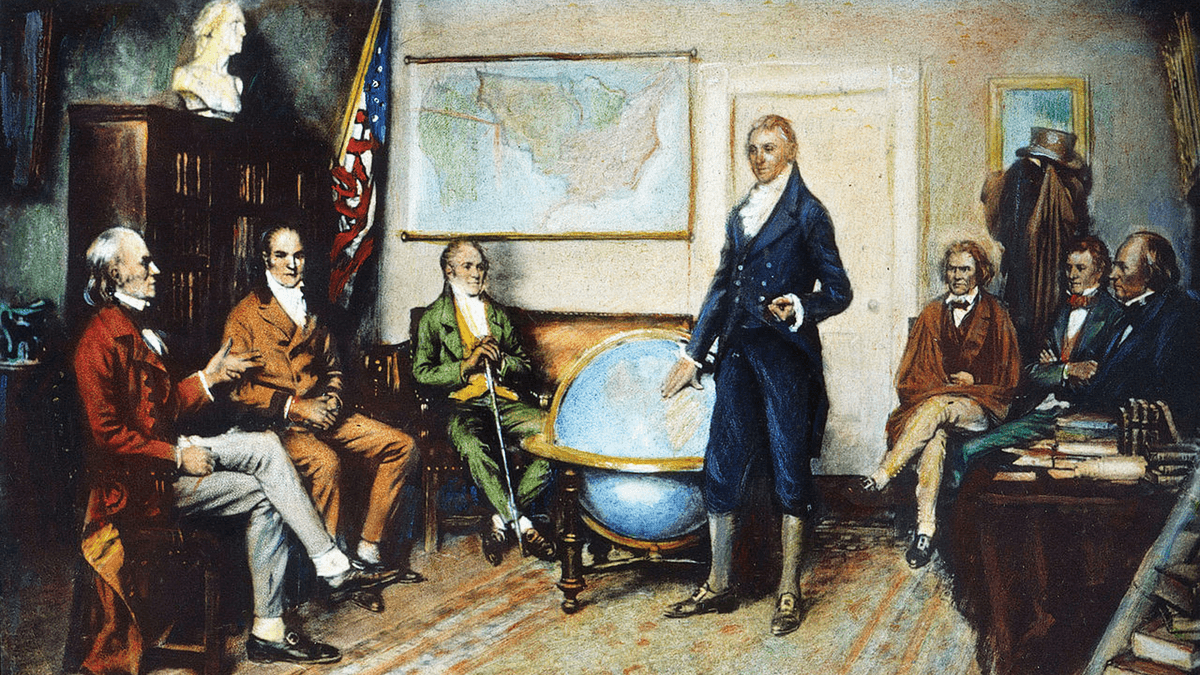
The Monroe Doctrine
How a young United States told the world to stay out of the Western Hemisphere—and what that meant for the Americas.
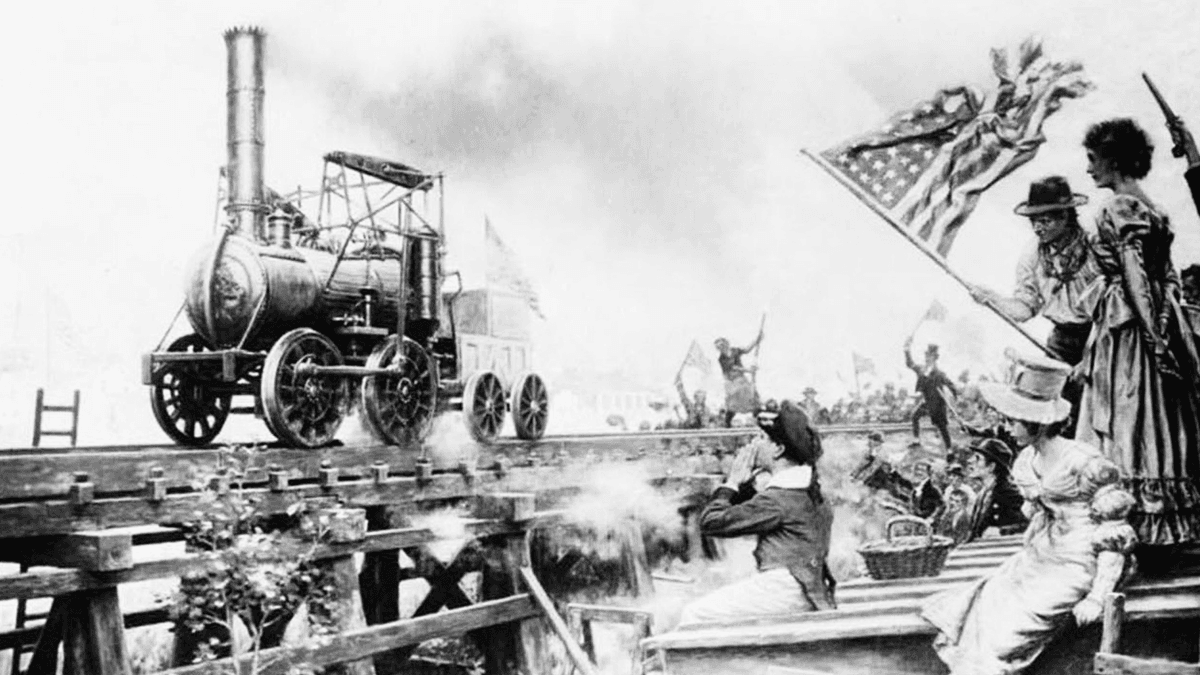
The Market Revolution: How Innovation Transformed America
In the early 1800s, America changed from a land of small farms to a booming nation of factories, railroads, and markets. The Market Revolution connected people, goods, and ideas—while also revealing deep inequalities in who benefited from progress.
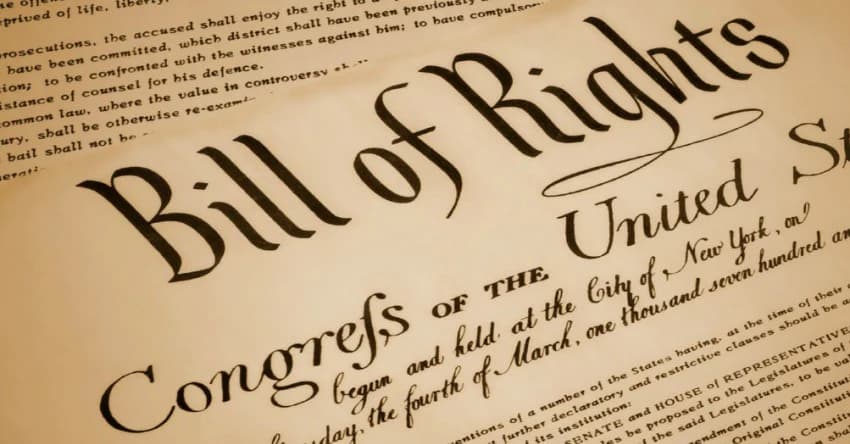
The Bill of Rights: What Is It and What Does It Actually Do?
The Bill of Rights wasn’t added to the Constitution because everything was going great, it was added because the people didn’t trust the government. And they had every reason not to.
Further Reading
Stay curious!