

U.S. Prison Population Tops One Million
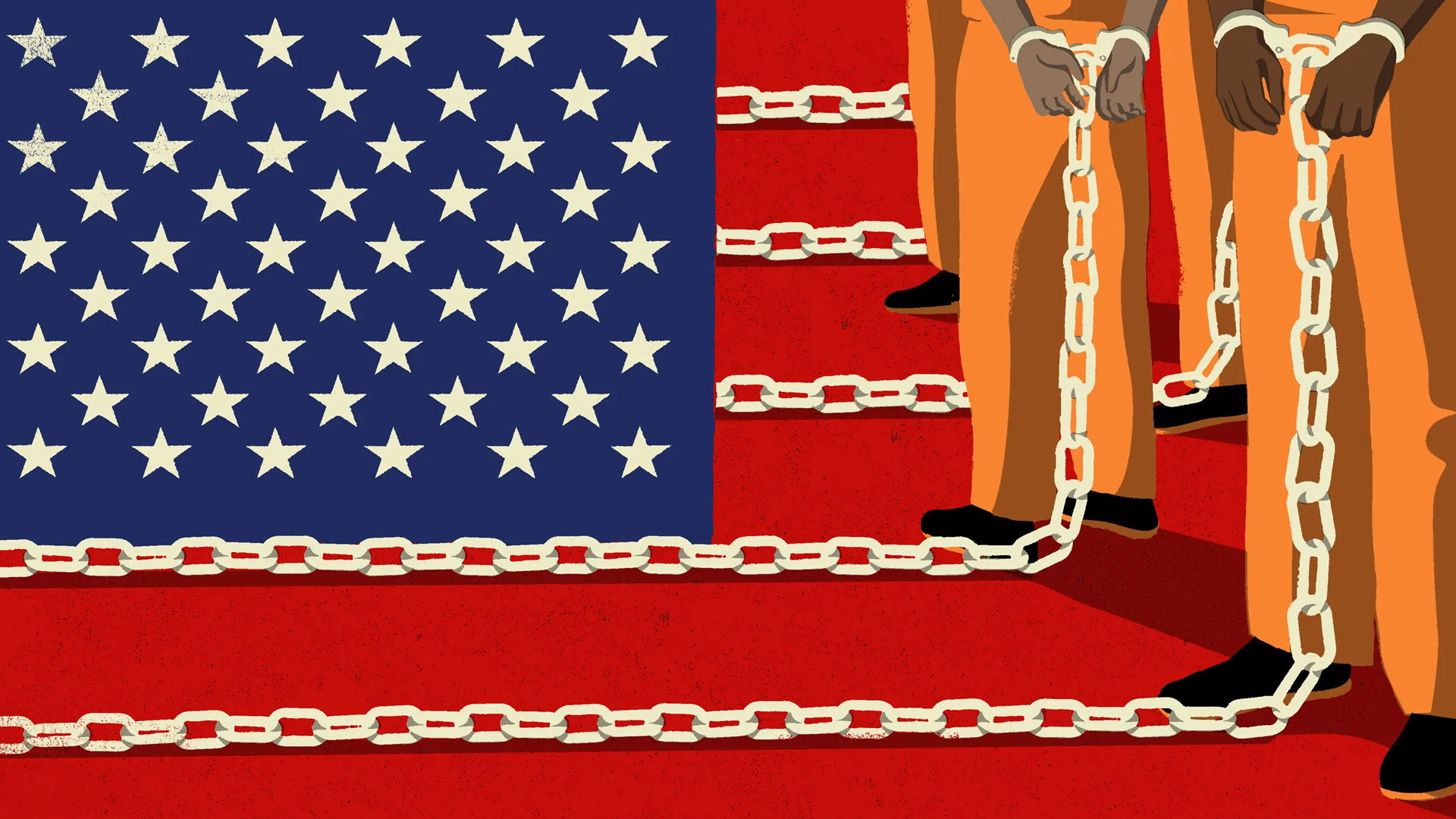
Tougher sentencing laws, the War on Drugs, and policies like mandatory minimums and three-strikes rules steadily grew prison and jail populations from the 1970s to the 1990s.
What Happened?
In 1994, the United States crossed a historic threshold: more than one million people were in state and federal prisons, not counting roughly half a million more in local jails. This marked a turning point in American history, when incarceration became not just a response to crime, but an entire industry. By the mid-1990s, the U.S. had one of the highest incarceration rates in the world, far outpacing most democracies, and it would soon take the top spot.
This growth didn’t happen by accident. Starting in the 1970s, laws like mandatory minimums, truth-in-sentencing rules, and three-strikes policies dramatically increased the number of people behind bars. The War on Drugs turned addiction and poverty into criminal issues, sending thousands to prison for nonviolent offenses. While people of all races used drugs at similar rates, Black and Latino communities faced far harsher policing and sentencing. By 1994, more than half of all people in prison were Black, even though Black Americans made up only about 13% of the total U.S. population.
But this story isn’t just about laws, it’s about profit. As prisons filled, the government began turning incarceration into an industry. Private prison companies signed contracts guaranteeing high occupancy rates, while corporations used prison labor to manufacture products, process food, and handle customer service calls for pennies per hour. This system became known as the Prison Industrial Complex (PIC): the web of government agencies, private companies, and investors that all benefited from keeping prisons full.
Inside prisons, incarcerated people often worked long hours for little or no pay, producing everything from military equipment to office furniture to license plates. While this was described as ‘rehabilitation through work,’ it also provided cheap labor that kept costs low for major corporations and state governments alike. Critics argue that this system created an incentive to imprison more people, not for public safety, but for profit.
Mass incarceration reshaped American life. Families were torn apart, children grew up without parents, and communities, especially Black and poor neighborhoods, lost generations of stability and opportunity. Formerly incarcerated people faced barriers to jobs, housing, and voting, trapping many in cycles of poverty and re-incarceration. Meanwhile, taxpayers spent billions each year to maintain overcrowded prisons, even as studies showed that longer sentences did little to reduce crime.
By the late 1990s, crime rates had begun to drop, but incarceration kept rising. Even the least punitive U.S. states imprisoned more people per capita than many nations. This made it clear that mass incarceration wasn't a response to rising crime, it was the result of policy choices and an economy that profited from punishment. Civil rights advocates, scholars, and reformers began pushing for change: fair sentencing, treatment instead of punishment for addiction, and programs that focused on prevention and rehabilitation.
Today, the legacy of 1994 remains visible. The United States still has the highest incarceration rate in the world, and private prison corporations continue to profit from detention centers and prison labor. Understanding how the prison system grew into an industry helps us ask essential questions about justice, equality, and the kind of society we want to build.
Why It Matters
When the U.S. prison population passed one million in 1994, it wasn’t just a statistic, it was the moment America’s approach to justice shifted from rehabilitation to mass incarceration. This milestone exposed how decades of policy choices, political fear campaigns, and profit motives had turned punishment into a booming industry. The rise of the Prison Industrial Complex revealed how incarceration could be used not only to control crime, but also to generate revenue through private prisons, cheap prison labor, and contracts that made human confinement a business. It also deepened racial and economic divides, disproportionately impacting Black, Brown, and poor communities while offering little proven benefit to public safety. Understanding this moment helps us see that mass incarceration isn't an inevitable response to crime, it’s the result of choices. And if it was built by policy, it can be changed by policy. Reimagining justice means shifting resources from punishment to prevention: investing in education, housing, mental health care, and community support. True public safety doesn’t come from cages, it comes from opportunity, fairness, and dignity.
?
What policies from the 1970s–1990s caused prison populations to grow so quickly?
How did the War on Drugs affect different communities differently?
What are some community-based alternatives to incarceration that improve safety?
Why do long sentences often have diminishing returns for public safety?
How do other countries handle crime and punishment differently from the U.S.?
Dig Deeper
How companies profit from incarceration—and what that means for safety and reform.
A clear, visual explanation of how prison became a normal life event for some communities.
Related

Fair and Unfair Laws: Justice, Equality, and the Power of Rules
Laws shape how societies function, but not all laws are fair. Understanding the difference between fair and unfair laws helps citizens protect justice and equality.

Everyday Ethics: How We Decide What’s Right
Ethics isn’t just for philosophers—it shows up in everyday choices. Learn how to think through right and wrong using real-world frameworks.

Civics vs. Ethics
Civics explains the rules of society. Ethics asks whether those rules are right.
Further Reading
Stay curious!