

‘War of the Worlds’ on the Air
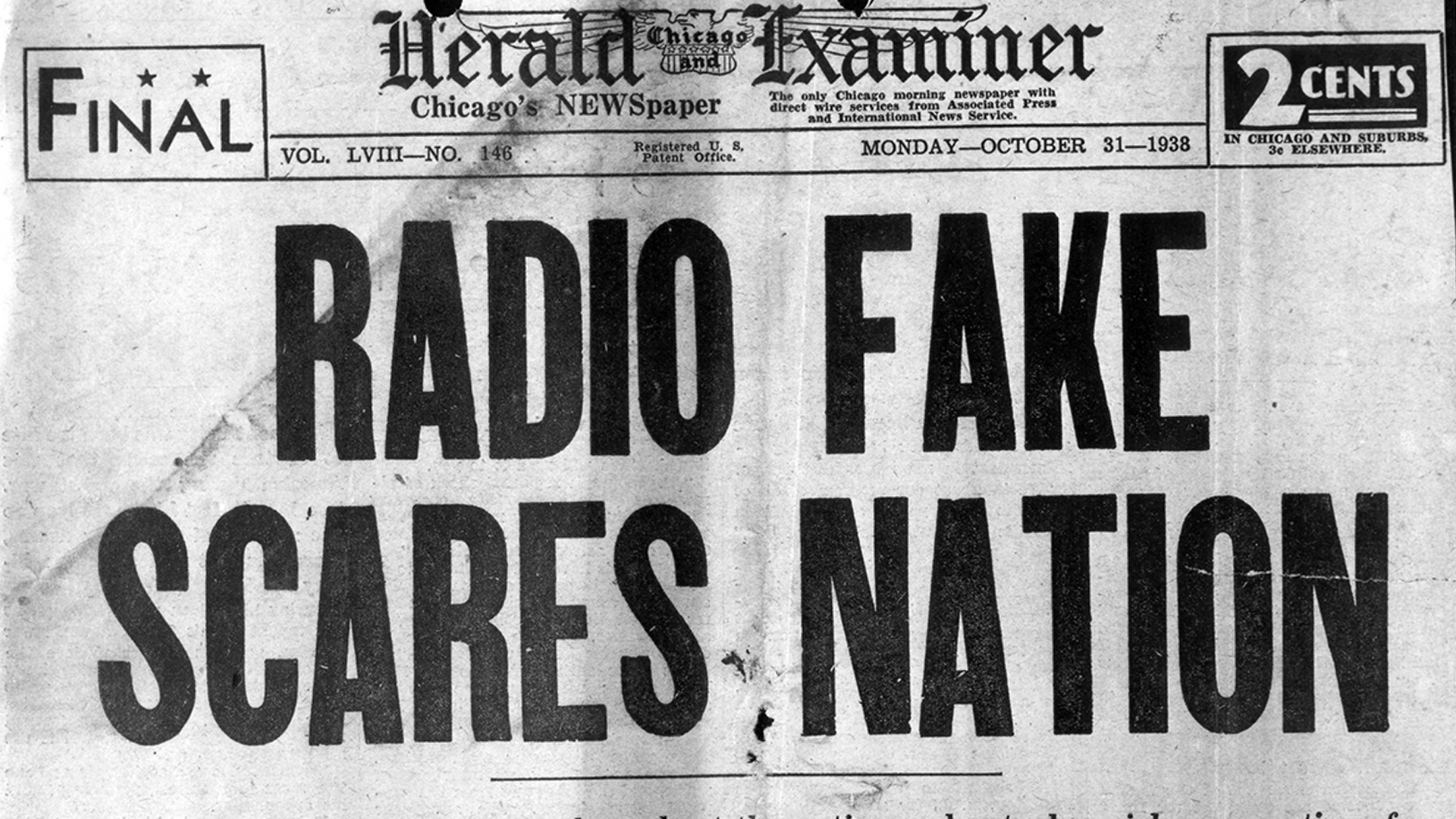
On October 30, 1938, 23-year-old Orson Welles and the Mercury Theatre aired a realistic ‘news bulletin’ version of H. G. Wells’s The War of the Worlds.
What Happened?
Radio was the main way families got news and entertainment in 1938. Millions gathered around living-room sets each night, trusting voices that sounded official. Orson Welles understood this power and adapted H. G. Wells’s novel as if it were live breaking news, not a normal play.
The program opened with calm: a weather report and ballroom music from a hotel orchestra. Then, “We interrupt this program…”, bulletins arrived about strange explosions on Mars and a ‘meteor’ landing in Grover’s Mill, New Jersey. The quick switches between music and ‘news’ made the story feel real-time.
Reporters in the drama described heat rays, tripods, and choking gas in breathless detail. ‘Experts’ (played by actors) offered scientific commentary. Because these were familiar radio habits during real emergencies, many listeners who tuned in late missed the fiction disclaimer and briefly believed the updates.
So, did the whole country panic? Probably not. Some people were frightened and called police or newspapers, but later research shows the scale was far smaller than the famous headlines suggested. Newspapers, fighting radio for advertising dollars, had reason to portray radio as irresponsible.
The broadcast still mattered. It taught audiences and broadcasters that realism can blur lines between fact and fiction. The Federal Communications Commission reviewed the incident (no laws were broken), and networks promised clearer warnings when programs used ‘news bulletin’ styles.
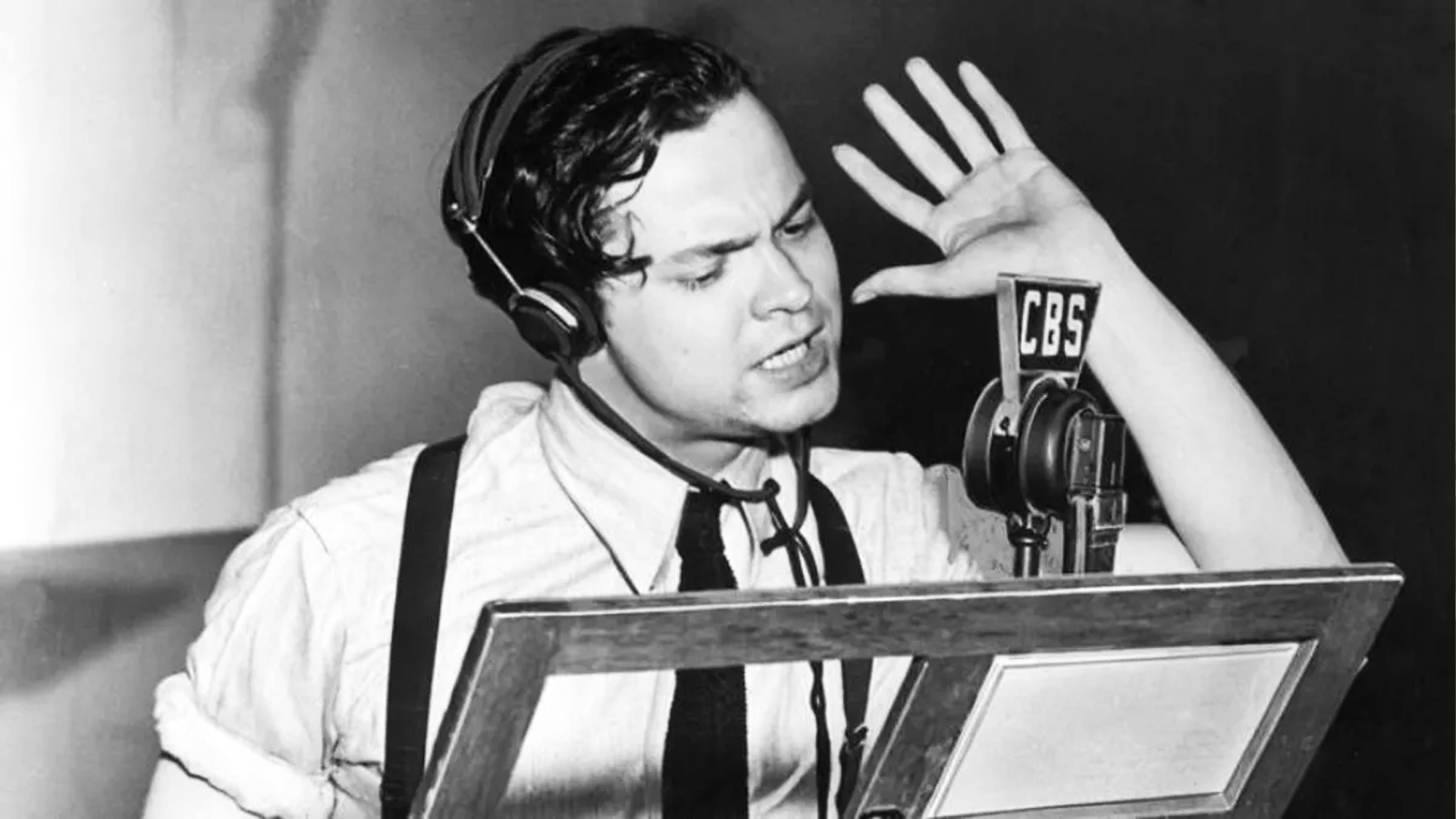
For Orson Welles, the night was career-changing. His bold storytelling led to a Hollywood contract and, three years later, Citizen Kane. For the public, it became a case study in how storytelling techniques like sound effects, expert voices, and location cut-ins shape what we think is true.
The lesson for today is media literacy. When a message feels urgent, we’re more likely to share it without checking. Slowing down, asking ‘Who is the source?’ and ‘What evidence is shown?’ helps us separate story from reality, on radio then, and on social media now.
In short, War of the Worlds wasn’t only a spooky Halloween broadcast. It was a live experiment in trust, technology, and attention, showing how easily our brains can be tricked when fiction borrows the voice of authority.
Why It Matters
This broadcast shows that how a message is delivered can be as powerful as the message itself. Understanding the 1938 ‘panic’ helps students see why source checks, context, and skepticism are essential civic skills. Media literacy protects communities from rumor and manipulation, whether the ‘breaking news’ comes from a vintage radio or today’s phone screen.
?
Why did the ‘news bulletin’ format make a fictional story feel more believable?
What clues could careful listeners have used in 1938 to realize the show was a drama?
How do urgent alerts on social media today compare to radio bulletins in 1938?
Why might newspapers have exaggerated reports of panic after the broadcast?
What habits can you use to verify a surprising claim before sharing it?
Dig Deeper
A short explainer on what aired in 1938, what listeners heard, and how the ‘mass panic’ story grew.
Related
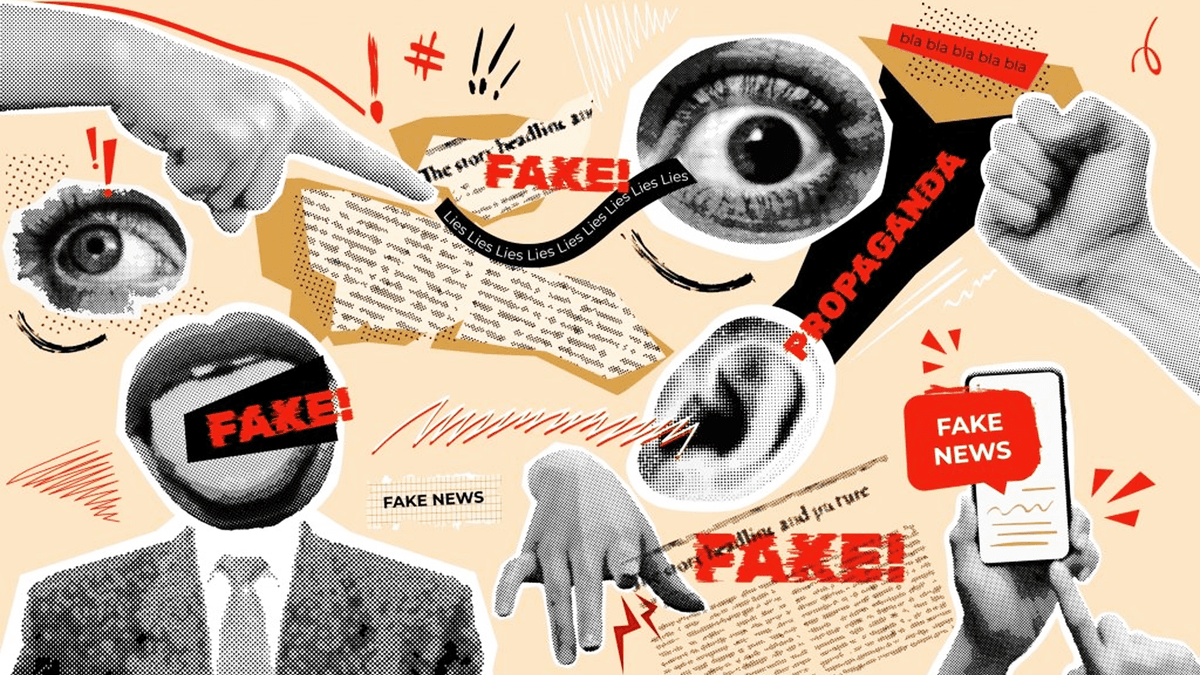
How to Spot Misinformation
Misinformation is the lie that dresses like the truth—and learning to spot it is a civic survival skill.

Media, Public Opinion & the Battle for Truth
From newspapers and television to TikTok and algorithms, media shapes how people understand the world, form opinions, and participate in democracy.
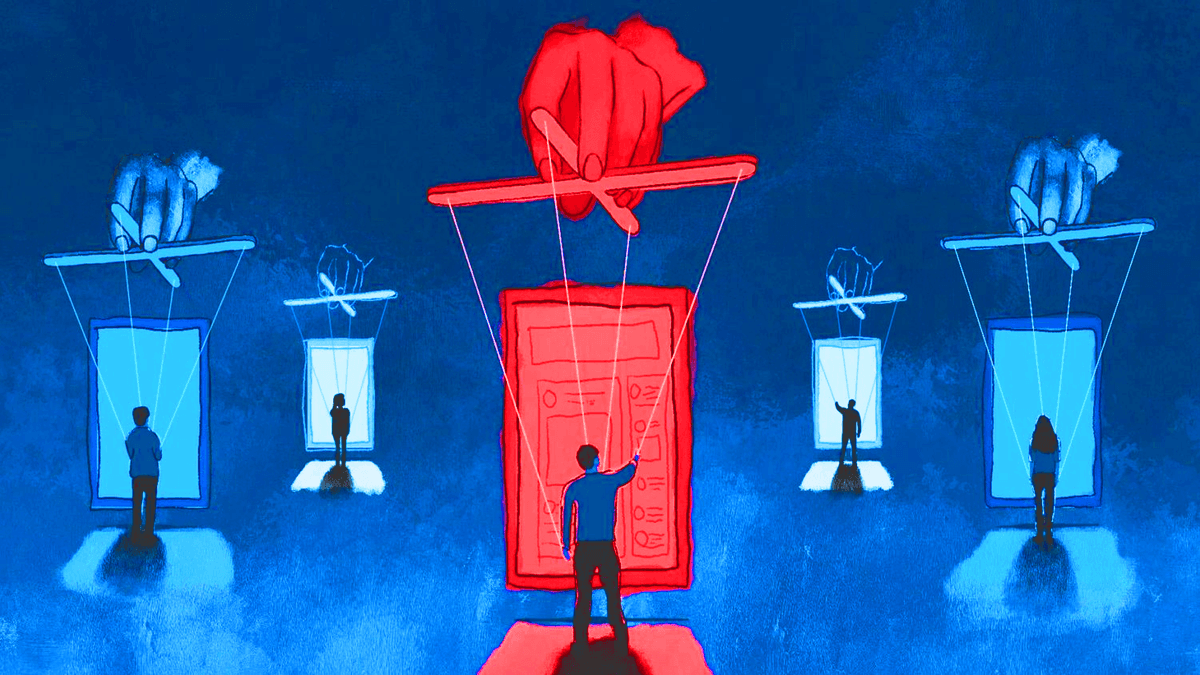
The Role of Social Media in Shaping Public Opinion
Social media is a powerful tool that influences public opinion on a global scale, but its impact isn't always positive. What does it mean for democracy, and how can we address the challenges of misinformation and echo chambers?
Further Reading
Stay curious!