

Bitcoin’s First Spark: Satoshi’s White Paper and the Idea of Digital Cash
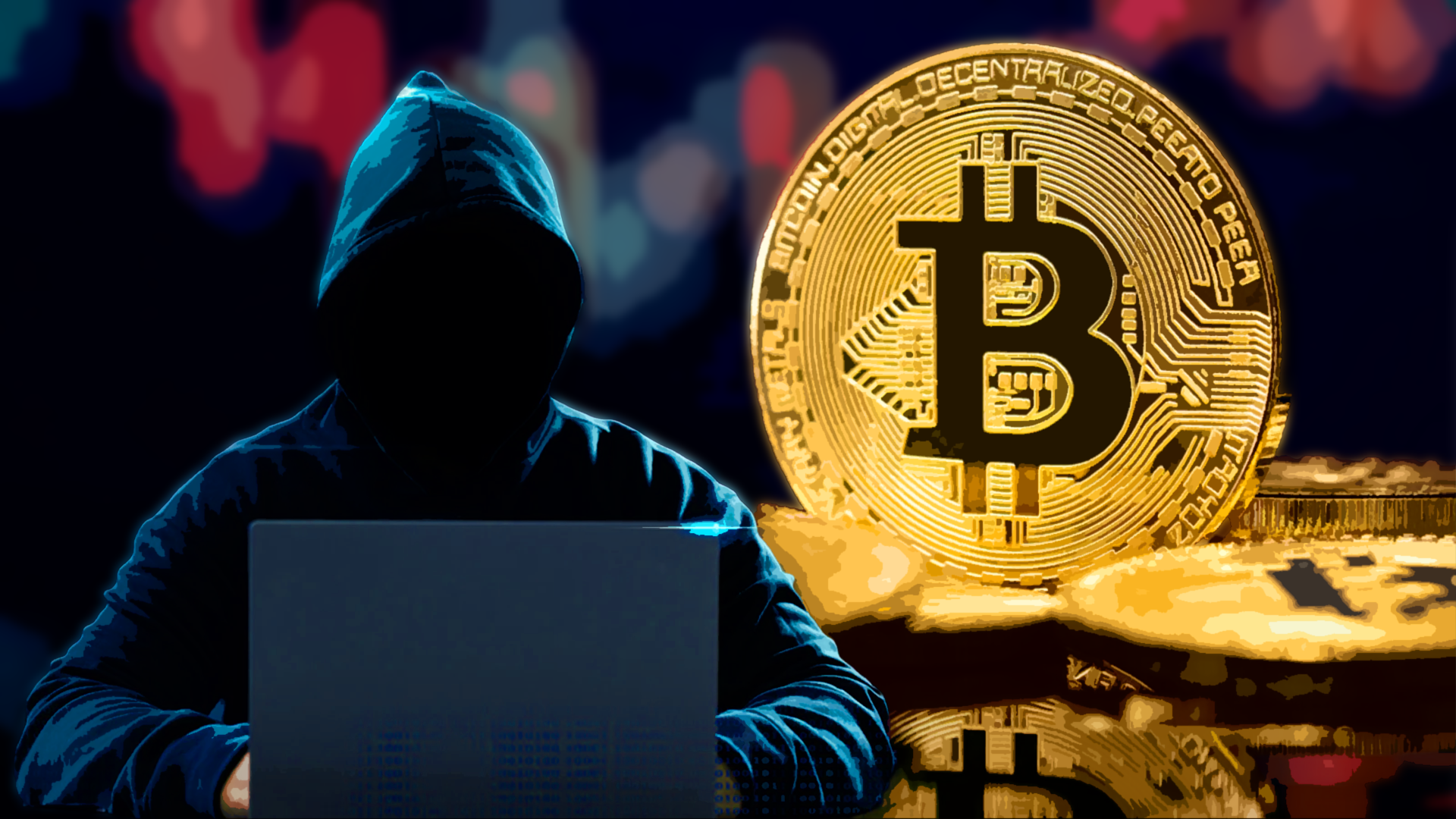
Bitcoin introduced the world to blockchains, mining, and a new way to build trust online.
What Happened?
In the autumn of 2008, as the global financial system trembled, an anonymous figure using the name Satoshi Nakamoto published a paper titled “Bitcoin: A Peer-to-Peer Electronic Cash System.” It was only nine pages long, yet it proposed something radical: a form of digital money that could move freely between people without relying on banks, governments, or any central authority to keep the books.
Satoshi’s vision introduced both a currency and a new kind of trust. Instead of a central ledger held by a bank, Bitcoin would use a public record called a blockchain. This blockchain functions like a shared digital notebook that is copied across thousands of computers around the world. Every time a transaction occurs, all participants verify it together. Once a page is confirmed, it is sealed with cryptographic code, making it nearly impossible to alter without everyone noticing.
The paper addressed one of the biggest challenges in digital money: the problem of double spending. Unlike physical coins, digital files can be duplicated infinitely. If money could be copied, it would lose its meaning. Satoshi solved this by designing a transparent system where every transaction is time-stamped and publicly recorded, preventing any single coin from being spent twice.
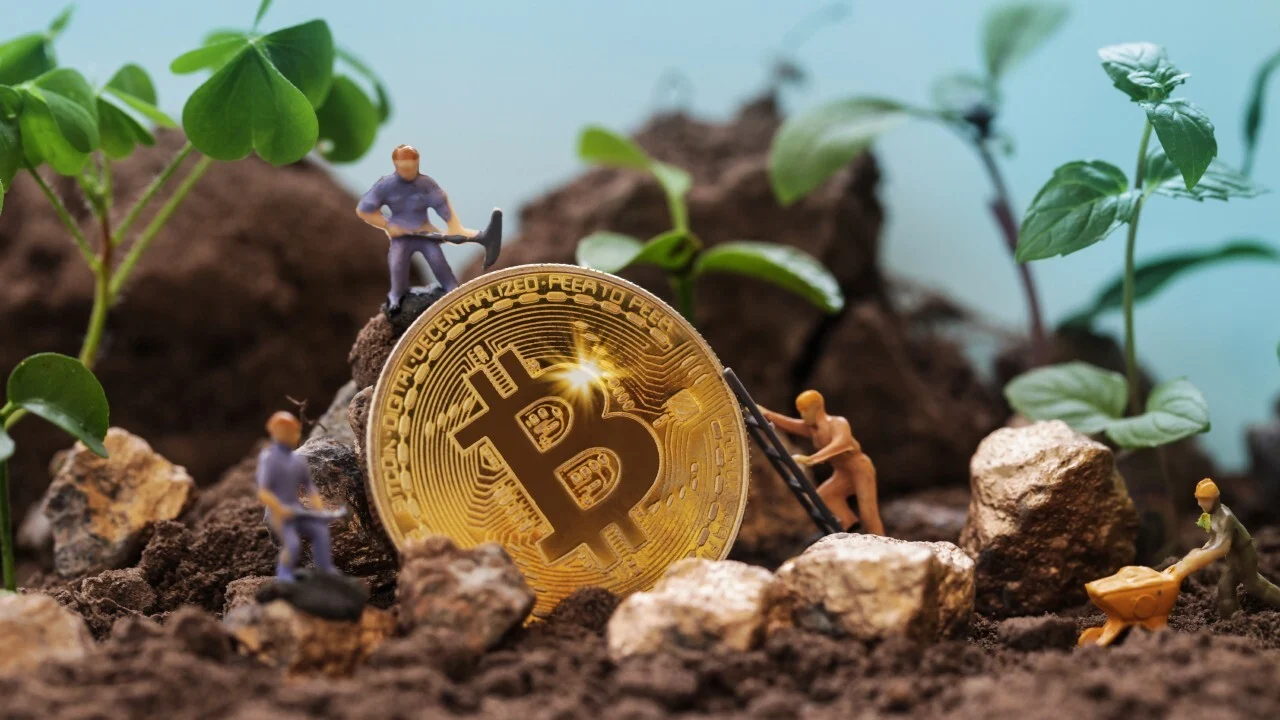
To keep the network running, Satoshi proposed a process called mining. Computers around the world compete to solve complex mathematical problems, and the first to solve one earns the right to add a new block of transactions to the blockchain. As a reward, that computer receives newly created bitcoin. This design slowly releases new coins into circulation and ensures that no more than 21 million bitcoins will ever exist, preserving their scarcity.
What made Bitcoin revolutionary wasn't just the technology but the philosophy behind it. It removed the need for middlemen and placed trust in code and collective agreement instead of institutions. No government, corporation, or single person controls it. Anyone with an internet connection can participate in verifying transactions and maintaining the system. For the first time, value could be exchanged directly between individuals on a global scale.
Economically, Bitcoin has reshaped conversations about money, markets, and freedom. Its price has soared and collapsed multiple times, attracting both believers and skeptics. Supporters call it 'digital gold' and see it as a defense against inflation and political instability. Critics warn of its volatility and the risks of unregulated speculation. Around the world, governments are still debating how to integrate or contain it within existing financial systems.
The system’s impact on the environment has also become a major point of discussion. Bitcoin’s mining process consumes vast amounts of electricity, much of it still drawn from fossil fuels. This has raised concerns about carbon emissions and sustainability, pushing innovators to explore renewable energy and alternative consensus methods that could make future digital currencies cleaner and more efficient.
Beyond economics, the ideas in Satoshi’s paper sparked an entire movement. Bitcoin inspired thousands of other cryptocurrencies and demonstrated how blockchain technology could be used beyond money, from securing medical records to verifying votes. It shifted how people think about trust, authority, and ownership in the digital age.
Satoshi Nakamoto’s identity remains unknown, but their ideas have transformed the modern world. What began as a quiet online paper became a global experiment in technology, economy, and human belief. It challenged one of the oldest questions in civilization: what gives money its value, and who decides who holds it?
Why It Matters
Bitcoin’s white paper is a civic-tech milestone. It introduced a way to build trust with rules everyone can see instead of a single authority. It’s a window into how cryptography, incentives, and open networks can reshape money, and why every design has trade-offs (like security, energy use, and consumer protection). Learning how Bitcoin works builds digital literacy: you’ll better spot hype, understand risk, and ask smart questions about the tools that may power tomorrow’s economy.
?
How does a blockchain act like a shared class notebook, and why is that helpful for preventing cheating?
What is the double-spend problem, and how does Bitcoin’s network solve it?
Why might a fixed supply (21 million coins) matter for the value of bitcoin over time?
What are the pros and cons of proof-of-work mining for people and the planet?
If there’s no bank to call, what safety steps should a person take to protect a digital wallet?
Dig Deeper
A quick primer on what Bitcoin is, why it was created, and how it works in practice.
A deeper look at the mechanics, benefits, and risks of Bitcoin and other cryptocurrencies.
Related

How to Spot Misinformation
Misinformation is the lie that dresses like the truth—and learning to spot it is a civic survival skill.

Trickle-Down Economics
For decades, politicians have promised that cutting taxes for the rich would benefit everyone. But does the wealth really 'trickle down'—or does it just stay at the top? A deep dive into the history, evidence, and impact of trickle-down economics.
The New Deal: Fighting Depression with Bold Ideas
Faced with economic collapse, President Franklin D. Roosevelt launched a revolutionary plan to rebuild America from the ground up. The New Deal wasn’t just policy—it was a bold experiment in hope, action, and government responsibility.
Further Reading
Stay curious!