

The Paris Agreement Takes Effect
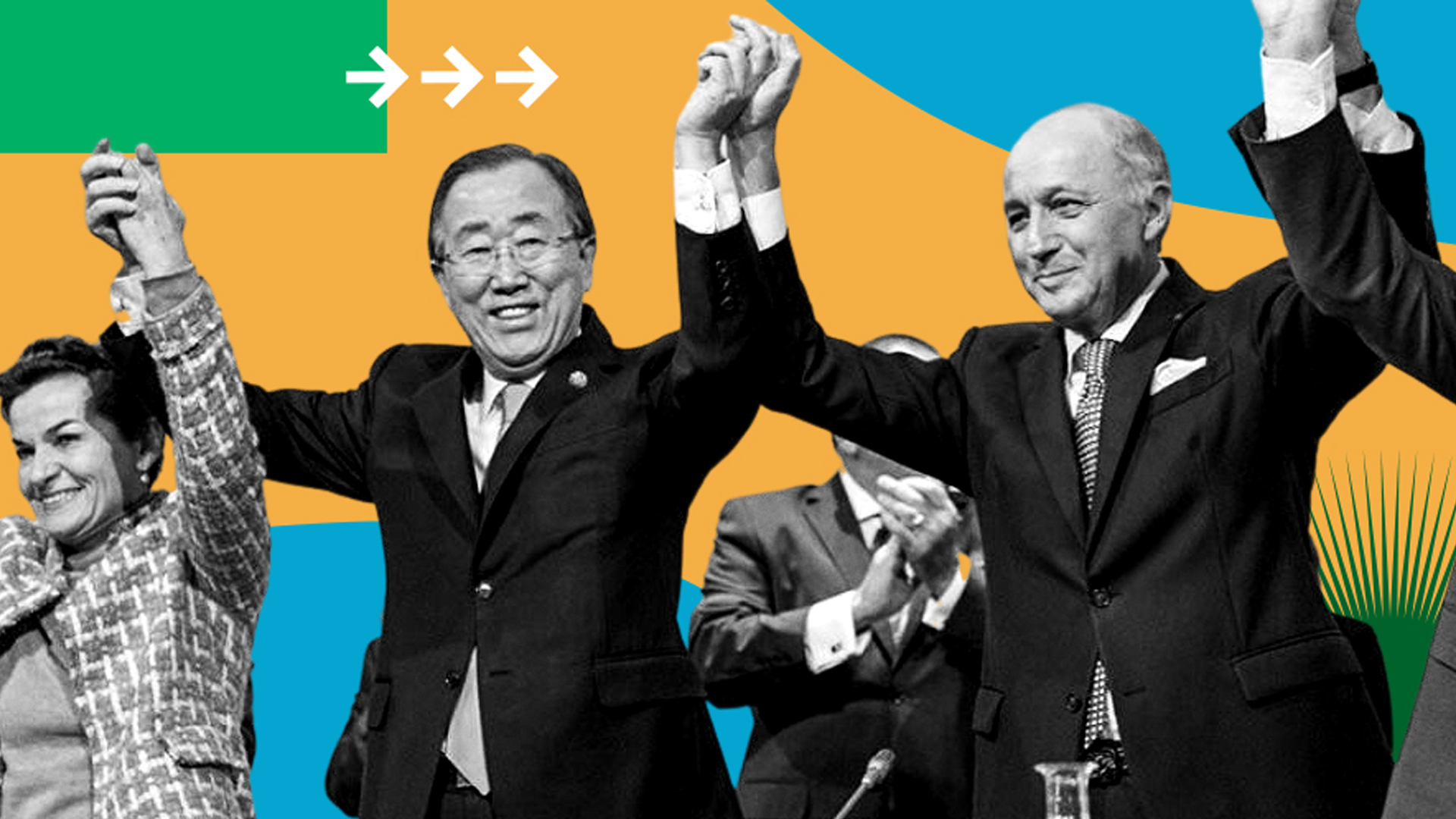
Global leaders standing in front of a world map with the words Paris Agreement.
What Happened?
On November 4, 2016, the Paris Agreement officially took effect, uniting nearly every country on Earth under one ambitious goal: to slow global warming and protect life on our planet. It marked the first time in history that so many nations agreed to take shared responsibility for Earth’s climate future.
At the heart of the agreement is a simple but powerful target: keep the planet’s average temperature from rising more than 2°C above pre-industrial levels, and ideally limit the increase to 1.5°C. That half-degree difference may sound small, but it’s the line between survival and crisis for many island nations, coral reefs, and coastal communities already threatened by rising seas.
Every country creates its own plan, called a Nationally Determined Contribution (NDC). These plans outline how each nation will cut greenhouse gases, transition to cleaner energy, and prepare for heatwaves, droughts, wildfires, and floods. No two plans are the same, but together, they form a global roadmap for change.
The Paris Agreement works like a living promise. Every five years, countries report their progress, compare results through a process called the Global Stocktake, and commit to doing even more the next time around. This cycle of transparency and accountability is meant to turn good intentions into real action.
The treaty also recognizes that not every nation has the same resources. Wealthier countries are expected to lead by example by sharing technology, providing financial aid, and helping vulnerable regions build resilience through better infrastructure, agriculture, and disaster response systems.
The story of the Paris Agreement is also a reminder of how fragile progress can be. The United States joined in 2016, withdrew in 2017, and rejoined in 2021. Yet the movement didn't stop. Cities, businesses, and communities around the world continued to innovate, proving that climate action doesn't depend on one leader or one nation.
Scientists warn that to stay near the 1.5°C goal, global emissions must reach their peak before 2025 and drop nearly in half by 2030. This means rapid shifts toward renewable energy, reforestation, cleaner transportation, and smarter cities. Changes that touch nearly every part of modern life.
Since it took effect, the Paris Agreement has helped spark a wave of low-carbon innovation. Solar and wind energy costs have plummeted, electric vehicles have surged, and climate education has expanded. Yet, extreme weather events, from record heat to massive storms, remind us that our window to act is closing fast.
Why It Matters
The Paris Agreement represents humanity’s most unified response to a global emergency. It transforms the science of climate change into an action plan built on cooperation, fairness, and accountability. By inviting every nation, rich and poor, to take part, it recognizes that protecting Earth’s climate isn't just a scientific or political challenge, but a moral one. It teaches us that progress is possible when we act collectively, guided by evidence and empathy. It offers a powerful lesson that even the biggest problems can begin to change when people, communities, and countries choose to work together for the common good.
?
Why is the difference between 2°C and 1.5°C so important for people and ecosystems?
What kinds of actions can go into a country’s NDC to reduce emissions and adapt to impacts?
How does the five-year global stocktake help countries become more ambitious over time?
What role do cities, schools, and families play in reaching national climate goals?
How can climate finance and technology sharing make the transition fair for poorer countries?
Dig Deeper
A quick explainer on the basics of the Paris Agreement and why it matters.
How countries negotiated a global plan to reduce emissions and build resilience.
A look at the psychology that makes long-term climate action challenging and how to overcome it.
Related
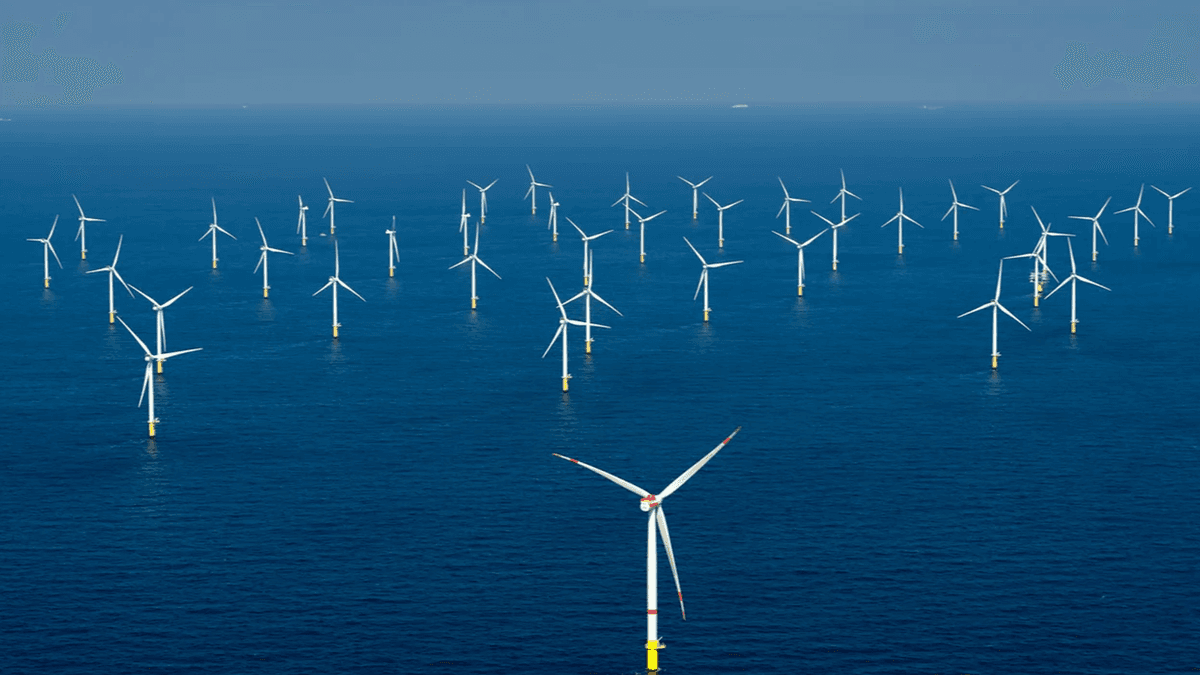
Harnessing the Power of Offshore Wind
Offshore wind energy is one of the fastest-growing renewable energy sources, capable of delivering massive amounts of clean electricity right where people live: along coastlines.
Climate Change and Its Impact on the Future
Climate change is reshaping our planet. From rising temperatures to more extreme weather events, what can we do to mitigate its effects and create a sustainable future?
Powering the Future: Energy and Renewable Solutions
From sunbeams to spinning turbines, renewable energy is shaping our planet’s future. Learn how energy works, where it comes from, and how engineers are helping build a cleaner, brighter tomorrow.
Further Reading
Stay curious!