

The Bolsheviks Seize Power in Russia
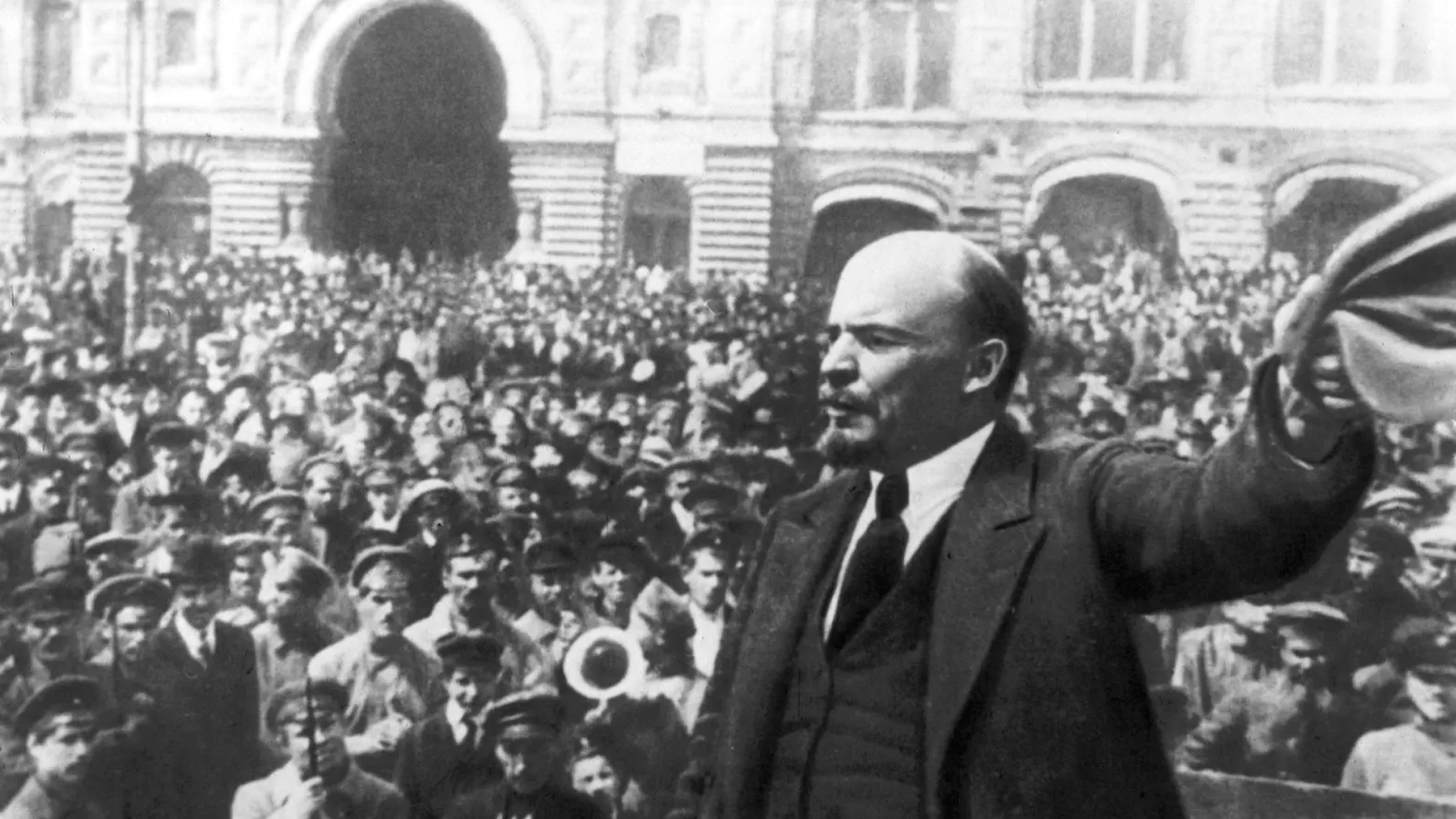
Russia’s second revolution of 1917 replaced a struggling temporary government with a new one led by the Bolsheviks, who promised peace, land, and bread.
What Happened?
By the fall of 1917, Russia was a nation at its breaking point. Years of war had emptied its granaries and drained its people of both strength and faith. The czar had been overthrown earlier that year, replaced by a Provisional Government that promised reform but delivered little. Soldiers were still dying in World War I, peasants still lacked land, and city workers still faced hunger and cold. Many Russians began to believe that real change would never come through speeches or committees but through action.
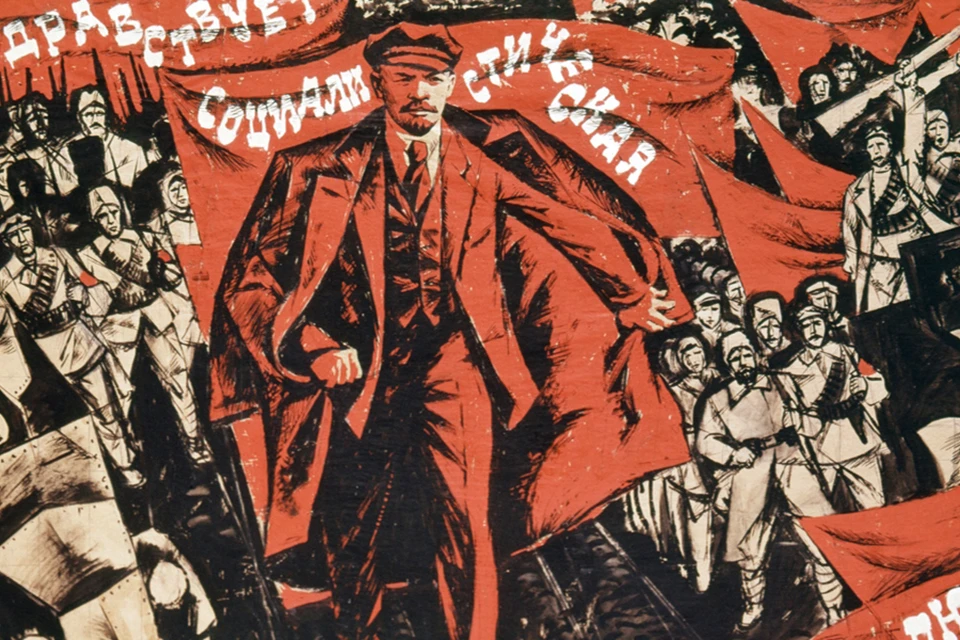
Into this moment stepped Vladimir Lenin and the Bolsheviks, a revolutionary group who spoke directly to the people’s struggles. Their message was clear and urgent: end the war, give land to those who farm it, and let councils of workers and soldiers (called Soviets) run local life. The slogan “All power to the Soviets” captured the spirit of the moment. In cities like Petrograd and Moscow, it became both a demand and a rallying cry for those who had lost faith in traditional politics.
On the night of November 6, 1917, Lenin’s followers made their move. Red Guards (armed workers and sympathetic soldiers) quietly took control of bridges, telegraph offices, and key buildings across Petrograd. By the next morning, they surrounded the Winter Palace, where the Provisional Government had gathered. Without large-scale bloodshed, the government collapsed, and the Bolsheviks declared victory. A new power had taken hold of Russia.
The Bolsheviks quickly organized a new cabinet, the Council of People’s Commissars, with Lenin at its head. They issued decrees that turned revolutionary promises into policy: peace negotiations to end the war, land for the peasants, and worker control of factories. For many, it felt like a new dawn, where ordinary people could finally shape their own future.
To make good on their promise of peace, Lenin’s government signed the Treaty of Brest-Litovsk with Germany in March 1918. The agreement cost Russia vast amounts of land and resources, but it also brought millions of soldiers home. The Bolsheviks argued that this sacrifice was necessary to rebuild the country and end the bloodshed of World War I.
Peace on the battlefield, however, didn't mean peace at home. Civil war soon erupted between the Bolsheviks (now known as the Red Army) and their opponents, the Whites, a coalition of monarchists, liberals, and foreign-backed forces. The fighting was brutal. Hunger, disease, and violence tore through the population, leaving deep scars that would last for generations. Eventually, the Red Army triumphed, but at an enormous human cost.
As they consolidated power, the Bolsheviks tightened control over the country. They created a secret police force called the Cheka to suppress dissent and dissolved a newly elected assembly that had not given them a majority. What had begun as a revolution for freedom and equality increasingly became a one-party state. The tension between revolutionary ideals and the demands of control shaped the early Soviet government.
In 1922, after years of turmoil, the Union of Soviet Socialist Republics (USSR) was officially established. It became the world’s first Marxist state, an experiment in creating a society without traditional class divisions. The Russian Revolution inspired movements for change around the globe, from workers’ strikes to anti-colonial uprisings. Yet it also raised difficult questions that are still studied today: How do you build justice after chaos? Can power ever be truly shared once it has been seized? The story of 1917 reminds us that revolutions begin with hope, but must wrestle with what happens after victory.
Why It Matters
The Bolshevik Revolution shows how war, poverty, and weak leadership can open the door to dramatic change. It helps us study how powerful promises can mobilize people, how new governments use laws and force to survive, and how choices made to end one kind of suffering can create new kinds of hardship. Understanding 1917 gives us the tools to think about leadership, legitimacy, and the balance between rights and security when a country is under pressure.
?
Why did the Provisional Government lose support so quickly in 1917?
How did the Bolsheviks use simple ideas like “peace, land, bread” to gain power?
What trade-offs did Russia face when it left World War I?
How did civil war change the way the new government treated rights and opposition?
What lasting effects did the 1917 revolution have on Russia and the wider world?
Dig Deeper
Learn about the Revolutions of 1917, the rise of Lenin, Trotsky, and the Bolsheviks, and the Reussian Civil War and the creation of the Soviet Union.
This video covers all the major events of Russia's TWO revolutions of 1917– the February Revolution that ended Tsarist rule in Russia, and the October Revolution, that brought the Bolsheviks to power.
Related
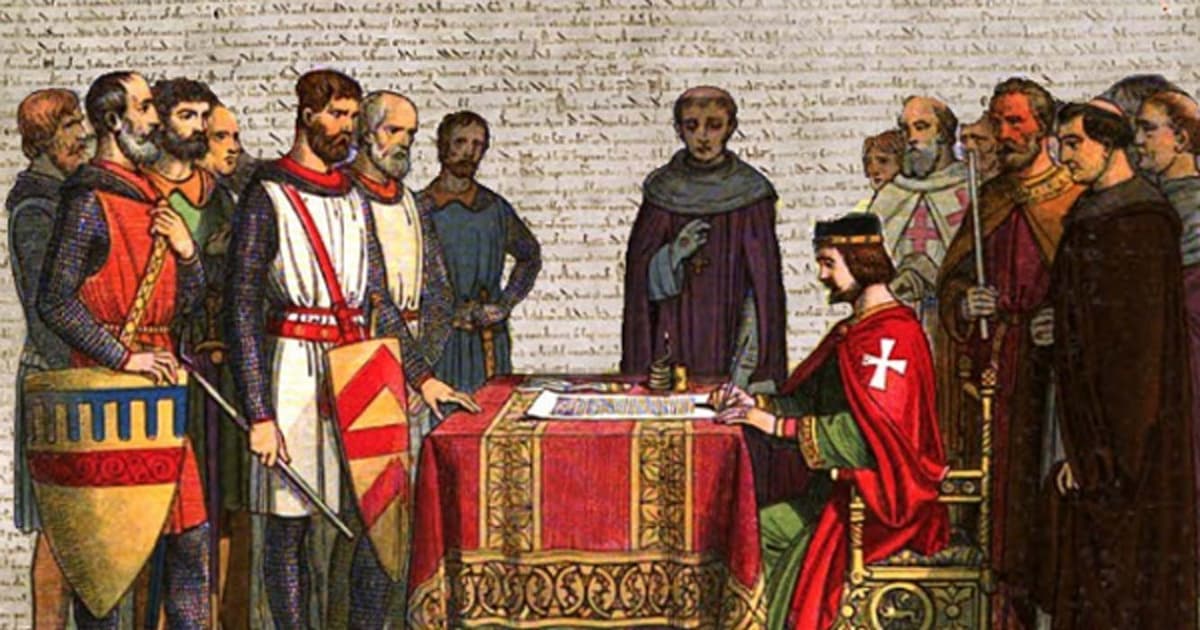
Magna Carta
On May 12, 1215, a gang of angry English barons forced King John into a corner—and launched a document that would echo across centuries. It wasn’t democracy, but it was a dent in the divine right of kings.
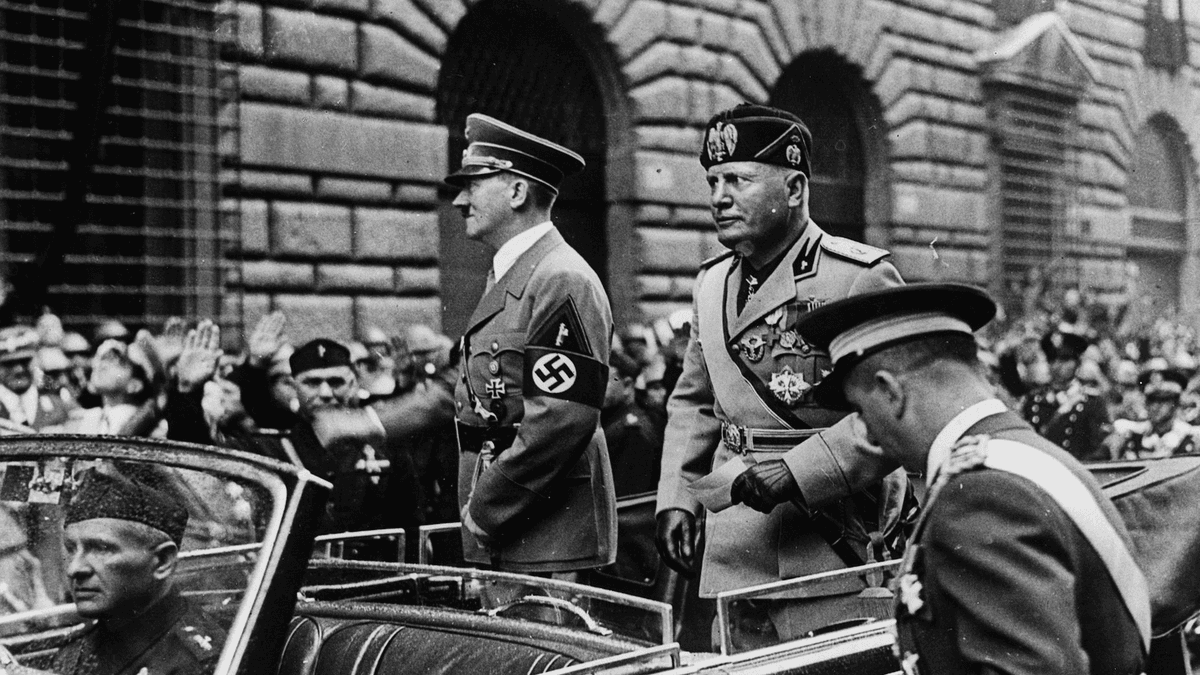
Fascism: Power, Propaganda, and the Fall of Democracy
Fascism emerged from the ruins of World War I and found its foothold in fear, nationalism, and economic despair. It promised unity, but delivered control, conformity, and catastrophe.
Bridging America’s Civic Knowledge Gap
Many Americans struggle to understand how their government works. Learning civics builds not only knowledge but also the confidence to be an engaged citizen.
Further Reading
Stay curious!