

Jeannette Rankin Becomes the First Woman in Congress
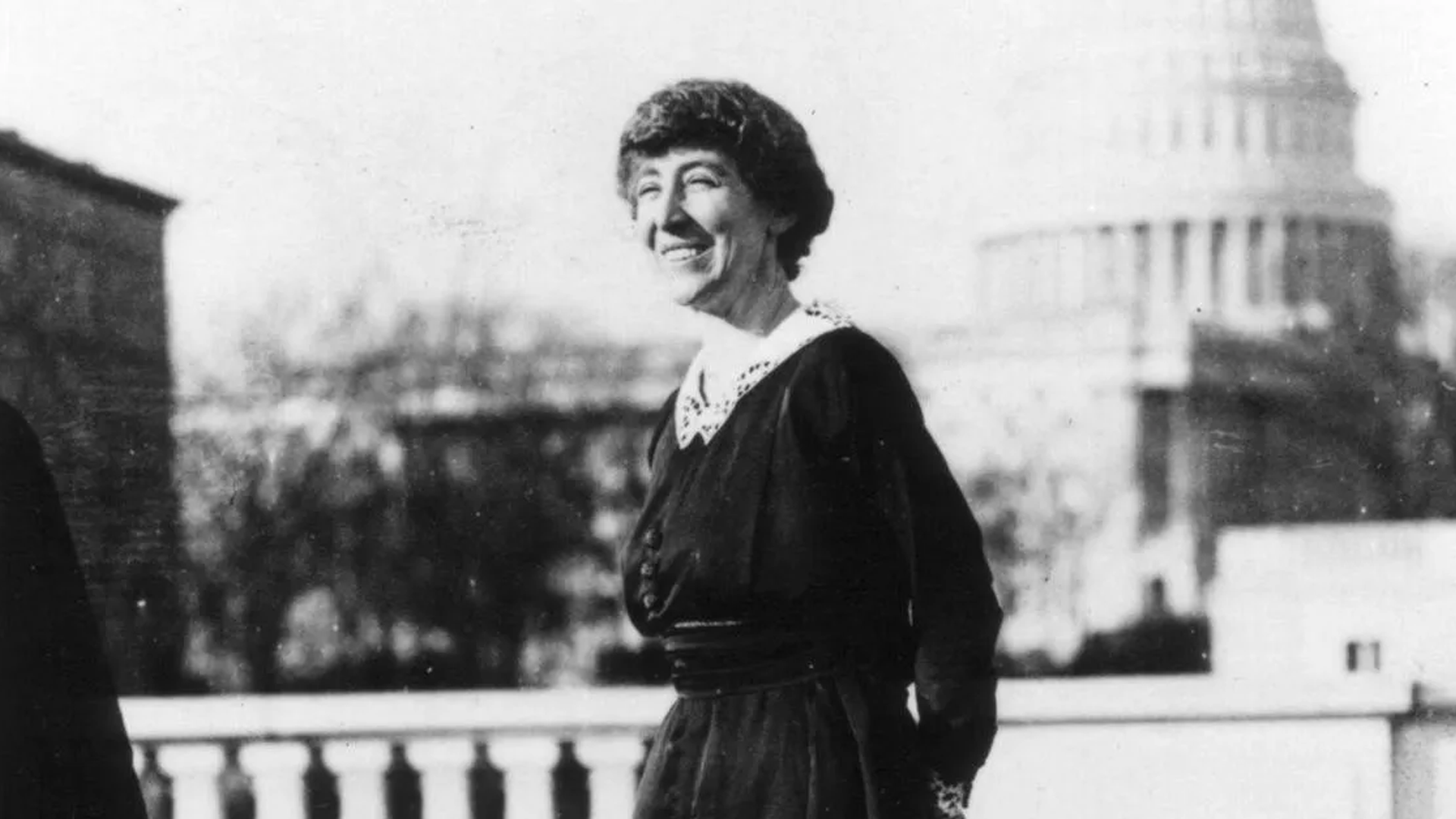
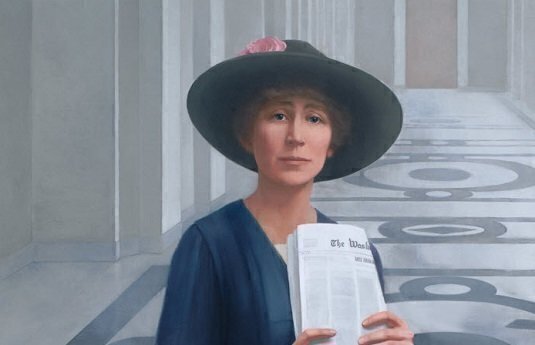
Montana reformer Jeannette Rankin won a U.S. House seat on November 7, 1916, becoming the first woman ever elected to the federal Congress.
What Happened?
Jeannette Rankin’s story began on a Montana ranch, where hard work, self-reliance, and practical problem solving were part of everyday life. Those early lessons shaped her belief that public service should be rooted in understanding ordinary people’s needs. After earning a college degree and working in social reform, Rankin joined the growing national movement for women’s voting rights. Her leadership helped Montana become one of the first states to grant women suffrage in 1914, setting the stage for her own groundbreaking political career.
With women newly enfranchised in her state, Rankin decided to run for one of Montana’s two seats in the U.S. House of Representatives in 1916. She campaigned tirelessly, traveling by car and train to rural towns and isolated communities. Her message centered on child welfare, workplace safety, and government transparency. People admired her direct, steady approach and the sense that she listened before she spoke. When the votes were counted, she made history as the first woman ever elected to the U.S. Congress.
Rankin took her seat in 1917 determined to bring women’s perspectives into national politics. She introduced a constitutional amendment for women’s suffrage and worked through committees to promote better health care for mothers and infants and safer conditions for workers. Her focus on human well-being over profit and partisanship reflected her belief that good government begins with compassion.
That same year, when President Woodrow Wilson asked Congress to declare war on Germany, Rankin faced her first great test. She voted against entering World War I, explaining that she could not in good conscience support sending others to die in a conflict she believed the nation could avoid. Although fifty other representatives also voted no, the press singled her out because she was the only woman. Her courage in standing alone revealed both the power and the cost of breaking barriers.
After losing her next election, Rankin turned her energy toward activism. She worked for peace organizations, investigated unsafe working conditions, and collaborated with the National Consumers League and the Women’s International League for Peace and Freedom. Her efforts showed that leadership isn't limited to elected office, rather it's defined by consistency of values.
In 1940, Montana voters returned Rankin to Congress. Following the attack on Pearl Harbor, she once again stood apart from her colleagues, casting the sole vote against declaring war on Japan. Rankin knew that decision would end her political career, but she believed conscience should outweigh popularity. Her vote became one of the most controversial acts of principle in American history.
Rankin’s achievements went far beyond her famous “no” votes. In 1917 she persuaded the House to create a special committee on woman suffrage, paving the way for the amendment that granted American women the right to vote in 1920. Her work proved that representation changes not just who sits in power, but what stories and struggles are heard in those rooms.
Jeannette Rankin’s life reminds us that democracy depends on courage—the courage to listen, to dissent, and to stand for what one believes is right even when standing alone. By bringing the experiences of women, workers, and families into national debate, she expanded the boundaries of American democracy and redefined what leadership could look like.
Why It Matters
Rankin proved that inclusion strengthens democracy. She showed that a representative can be both responsive to voters and faithful to a personal code, even when that is costly. Her elections signaled that women didn't just deserve the ballot. They could win office, introduce major ideas, and help pass the change that made voting rights national. Her story helps us think about courage, accountability, and how diverse voices make policy more complete.
?
How did women’s suffrage in western states help Rankin win in 1916?
Why did some people react differently to Rankin’s vote against World War I than to the 55 men who also voted no?
What does it mean to vote your conscience in a representative democracy?
How did Rankin use committees and hearings to push for reforms beyond suffrage?
What lasting changes did Rankin help set in motion for women in government?
Dig Deeper
A short profile of Rankin’s path from suffrage organizer to history-making lawmaker and her votes during two world wars.
Related
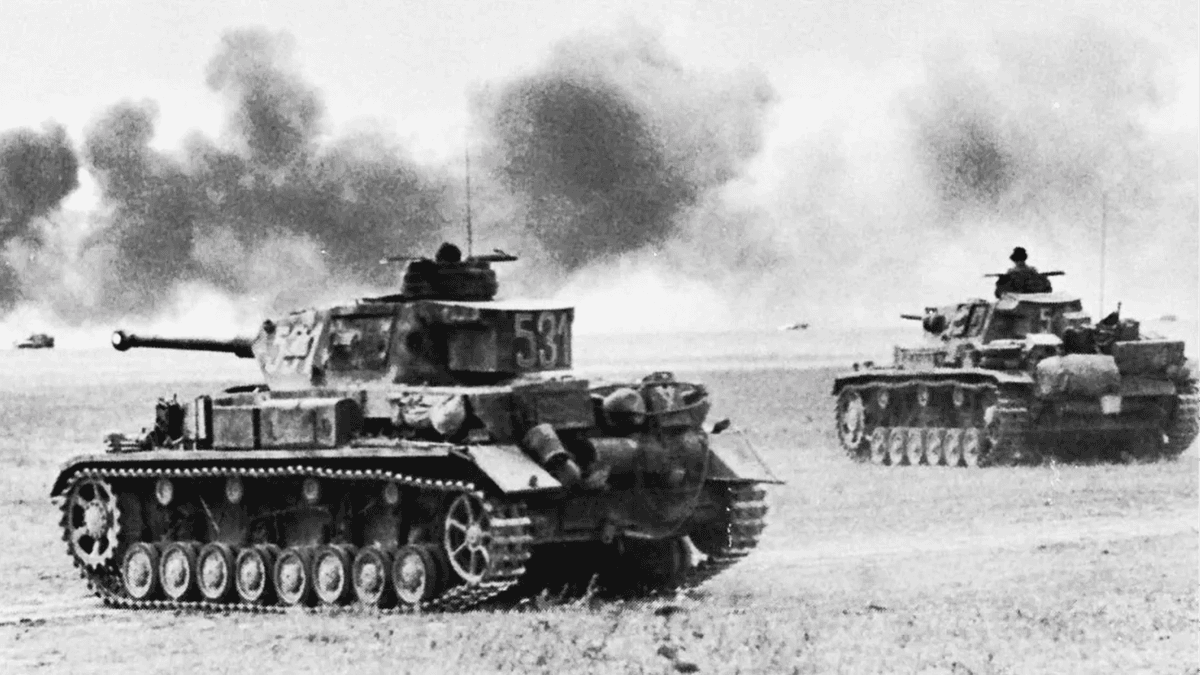
World War II: Causes, Conflict, and Consequences
A global war shaped by unresolved tensions, devastating conflict, and consequences that still define our world today.
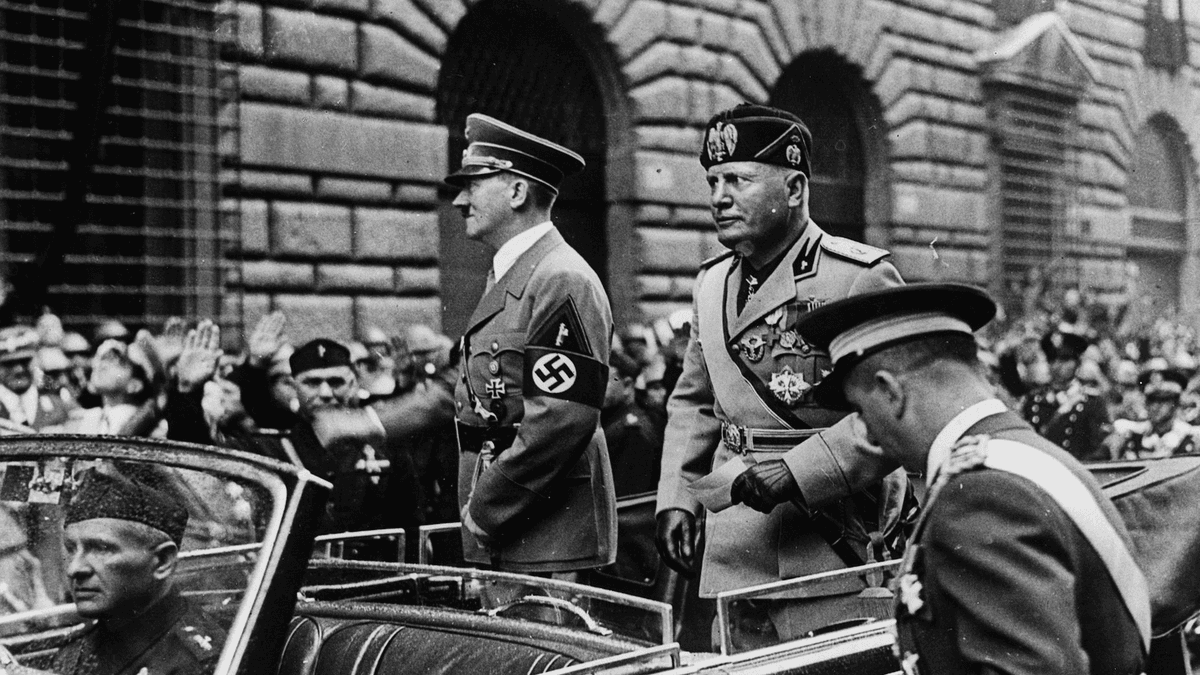
Fascism: Power, Propaganda, and the Fall of Democracy
Fascism emerged from the ruins of World War I and found its foothold in fear, nationalism, and economic despair. It promised unity, but delivered control, conformity, and catastrophe.
How a Bill Becomes a Law
From idea to law, every bill takes a long journey through Congress—full of debate, revision, and compromise—before landing on the president’s desk.
Further Reading
Stay curious!