

Wilhelm Röntgen Makes the Invisible Visible

Röntgen’s accident in a darkened lab opened a new window into the human body and launched modern medical imaging.
What Happened?
In November 1895, German physicist Wilhelm Röntgen was experimenting in his laboratory with glass tubes filled with gas and electric currents when he noticed something strange. A nearby fluorescent screen began to glow even though the tube was covered. Some invisible form of energy was passing through solid objects and lighting up the screen. Intrigued, Röntgen shut himself in his lab for weeks to figure out what was happening.
He discovered that these mysterious rays could travel through human flesh but not through denser materials like bone or metal. To test his finding, Röntgen placed his wife Bertha’s hand in front of a photographic plate and exposed it to the new rays. The result was the first X-ray image in history, showing the outline of her bones and her wedding ring in clear detail. For the first time, humans could see inside the body without making a single cut.
Röntgen called the rays 'X-rays' because their nature was still unknown, the 'X' standing for mystery. News of his discovery spread quickly around the world. Within a year, doctors were using X-rays to locate broken bones, detect bullets, and diagnose illnesses, transforming medical care almost overnight.
The excitement was enormous, but the dangers were not yet understood. Early scientists believed X-rays were harmless and often handled them without protection. Many suffered burns, hair loss, or more serious injuries from radiation exposure before the need for shielding and safety rules was fully recognized. These early lessons helped establish safer laboratory practices for future generations.
Röntgen’s discovery also changed how people thought about light and energy. X-rays were found to be part of the electromagnetic spectrum, the same family as visible light, radio waves, and microwaves, but with much shorter and more powerful wavelengths. His research opened the door to further discoveries, including gamma rays and radiation treatments for cancer.
In 1901, Röntgen received the first Nobel Prize in Physics for his remarkable work. Despite his fame, he remained humble. He refused to patent X-rays or profit from them, believing that scientific discoveries should be shared freely for the good of humanity. He even donated his Nobel Prize money to his university to support new research.
Today, X-rays are used in hospitals, dental offices, airports, and laboratories around the world. They help doctors diagnose injuries, engineers inspect materials for flaws, and scientists study fossils, artworks, and even the structure of DNA. Modern technologies like CT and MRI scans grew directly from Röntgen’s original experiments and ideas.
Why It Matters
Röntgen’s story reminds us that curiosity and persistence can turn an unexpected observation into a world-changing discovery. What began as a strange glow in a dark laboratory continues to help people see and understand what was once invisible.
?
Why did Röntgen call them X-rays, and what did he do to figure out what they could do?
How do X-rays pass through some materials but not others?
What early safety mistakes did people make with X-rays, and how do we protect patients and workers today?
How did Röntgen’s choice not to patent his discovery affect the spread of X-ray technology?
What modern tools (like CT scans) grew from the basic idea of X-rays?
Dig Deeper
A kid-friendly explainer on what X-rays are and how machines create images.
A short profile of Röntgen’s life and why his discovery still matters.
Related
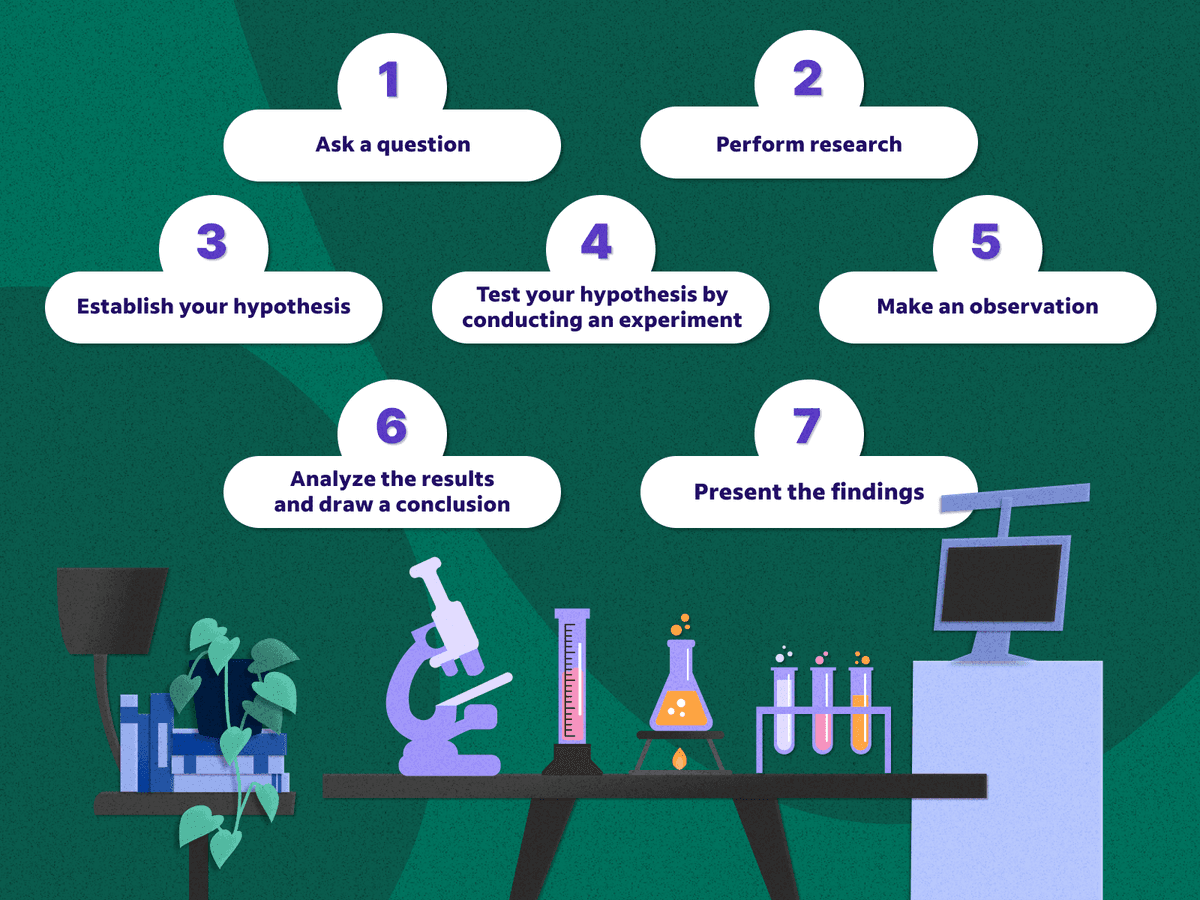
The Scientific Method
What do curiosity, logic, and a good notebook have in common? They're the foundation of the scientific method—a system that turns wonder into wisdom.

Scientific Observation: Where All Good Questions Begin
Before the hypothesis, before the experiment, there’s one essential step: observing the world around you. Scientific observation is where wonder becomes investigation.

Classification: How We Make Sense of a Wild and Wonderful World
Before we can protect nature—or understand it—we have to organize it. Classification is the science of finding patterns, drawing lines, and asking: What belongs where, and why?
Further Reading

Stay curious!