
Kristallnacht: The Night of Broken Glass
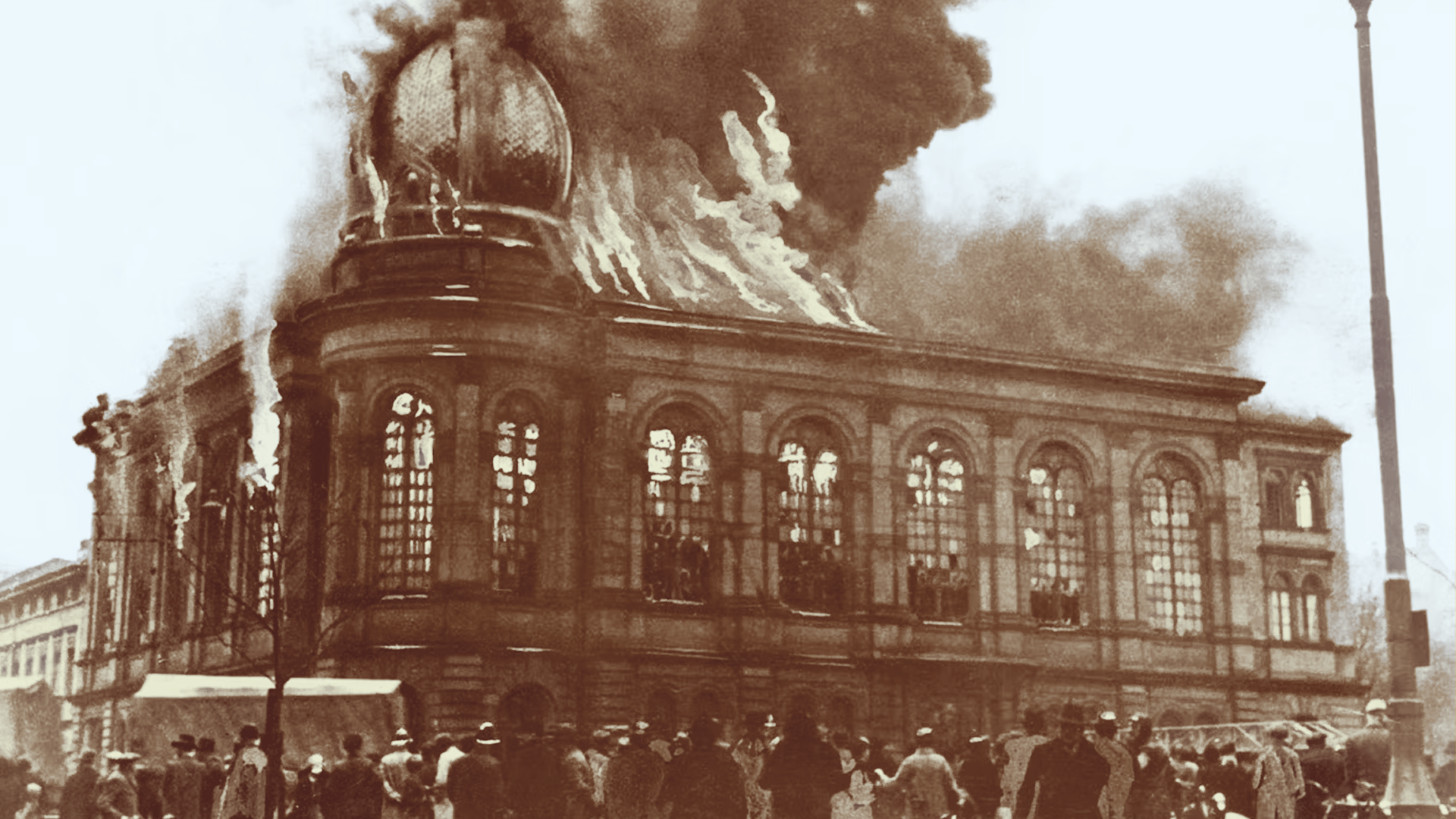
A destroyed Jewish shop with shattered glass after Kristallnacht.
What Happened?
Late on November 9, 1938, fires burned across Germany and Austria as Nazi stormtroopers and civilians attacked Jewish homes, businesses, and synagogues. The streets were littered with shattered glass from smashed windows, giving the event its grim name: Kristallnacht, meaning the Night of Broken Glass.
The Nazis claimed the violence was spontaneous outrage after a German diplomat was killed in Paris by a 17-year-old Jewish boy, Herschel Grynszpan, whose parents had been deported. In reality, Nazi leaders like Joseph Goebbels had carefully planned the attacks and ordered police to stand aside while mobs looted, burned, and destroyed Jewish communities.
Over the course of two days, more than 1,400 synagogues were set on fire, thousands of Jewish-owned shops were vandalized, and homes were raided. Jewish schools, hospitals, and cemeteries were desecrated. At least 100 Jewish people were murdered, and many others were beaten, humiliated, or driven to suicide.
Police arrested around 30,000 Jewish men and sent them to concentration camps such as Dachau, Buchenwald, and Sachsenhausen. Many were beaten and forced to sign away their businesses or agree to leave Germany. It was the first time Nazi Germany had arrested people on a mass scale simply for being Jewish.
Afterward, the Nazi government blamed Jewish people for the damage and fined the Jewish community one billion Reichsmarks and seized insurance payments for the wrecked properties. The victims were forced to pay for the destruction of their own lives and livelihoods.
Kristallnacht marked a turning point in Nazi policy. Before this, Jewish citizens had been stripped of rights, barred from jobs, and socially isolated. After Kristallnacht, violence became the official language of Nazi rule. The event showed that Jewish people in Germany were no longer safe anywhere, not even in their homes.
Around 100,000 Jews fled Germany in the months following the attacks, seeking safety in other countries. Some nations, such as Great Britain, began rescue efforts like the Kindertransport, which brought thousands of Jewish children to safety. But most of the world looked on in outrage and did little to intervene.
The Night of Broken Glass shattered not only buildings but also any illusion that Nazi violence would stop on its own. It signaled the beginning of an era of systematic persecution that would lead to the Holocaust, where six million Jews were murdered across Europe.
Remembering Kristallnacht helps us understand how prejudice, hate, and silence can grow into tragedy when ordinary people choose to look away. It reminds us that defending human rights requires courage, compassion, and truth, even when it is dangerous to speak out.
Why It Matters
Kristallnacht was more than a night of broken glass, it was the breaking point of humanity’s moral conscience. It marked the moment when hatred turned from words and laws into organized violence and terror. When leaders spread lies, weaken the rule of law, and reward cruelty, ordinary people can be pressured to join in or remain silent. Understanding Kristallnacht helps us see how propaganda, fear, and prejudice can be weaponized by governments. It also challenges us to recognize the warning signs of injustice in our own time and to speak up before violence becomes accepted as normal.
?
Why did the Nazis plan Kristallnacht to look like a spontaneous public riot?
How did Kristallnacht change the lives of Jewish families in Germany and Austria?
What role did propaganda and fear play in encouraging ordinary people to join the violence?
How did other countries respond to Kristallnacht, and what does that tell us about global responsibility?
Why is it important to study and remember Kristallnacht today?
Dig Deeper
A historical overview of the Night of Broken Glass and how it signaled the Nazi regime’s path toward genocide.
Survivors recall their experiences of Kristallnacht and reflect on its lasting impact 80 years later.
Related
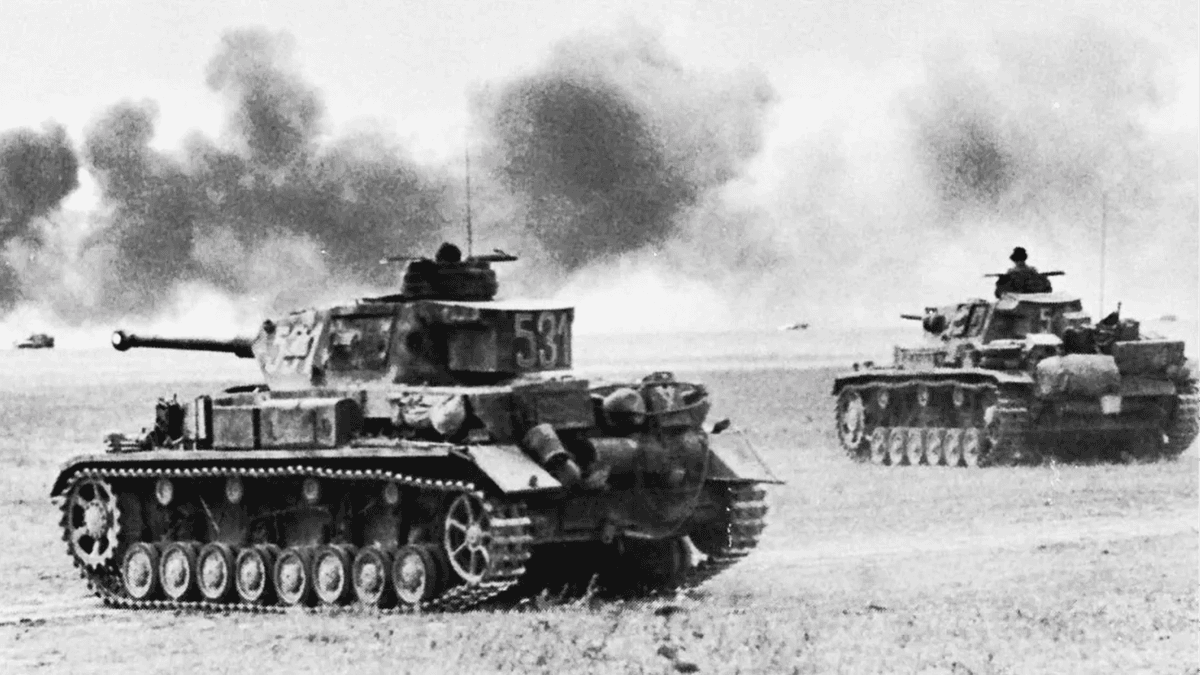
World War II: Causes, Conflict, and Consequences
A global war shaped by unresolved tensions, devastating conflict, and consequences that still define our world today.
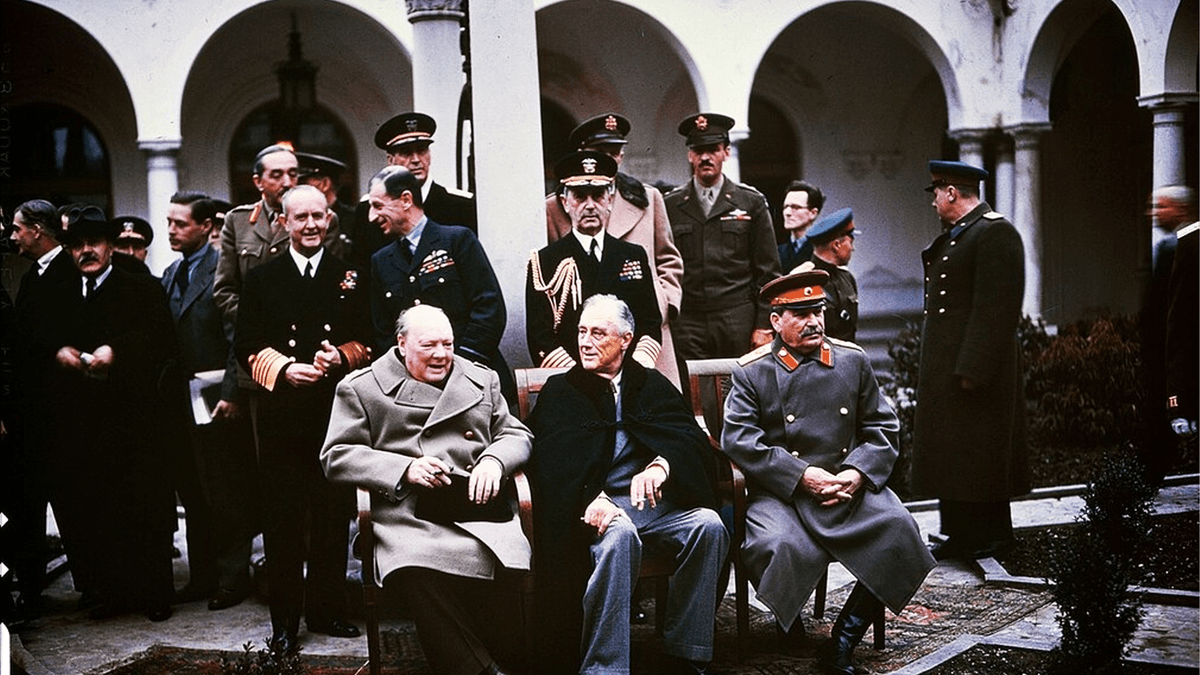
The Cold War & Fear at Home: Ideology, Power, and Public Anxiety
A global rivalry shaped by fear, ideology, and the constant tension between freedom and security.
World War II & the Home Front (1941–1945)
A global war that reshaped American society—expanding opportunity, exposing injustice, and redefining the meaning of freedom at home.
Further Reading
Stay curious!