

November 12, 1954: Ellis Island Closes Its Doors
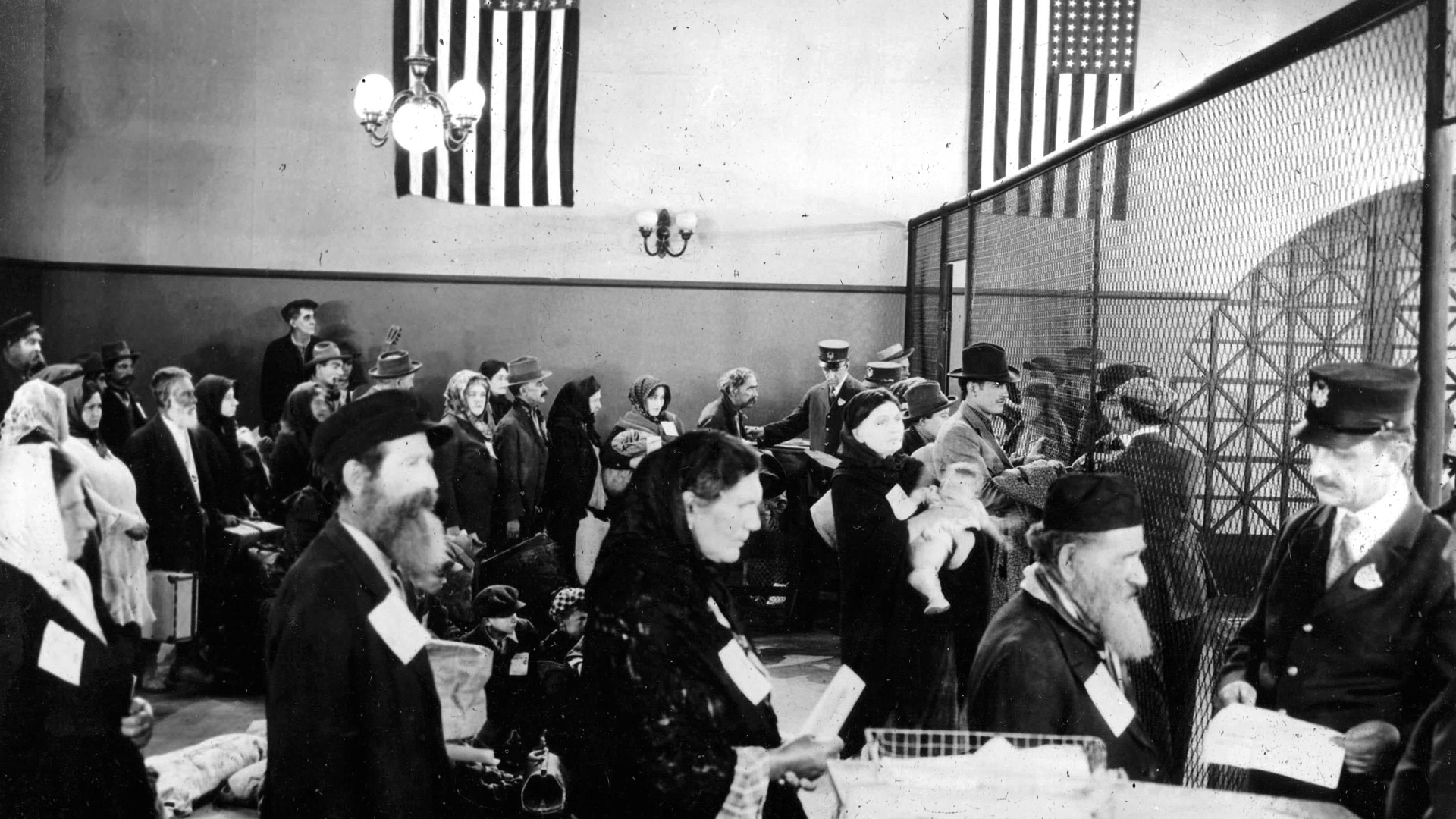
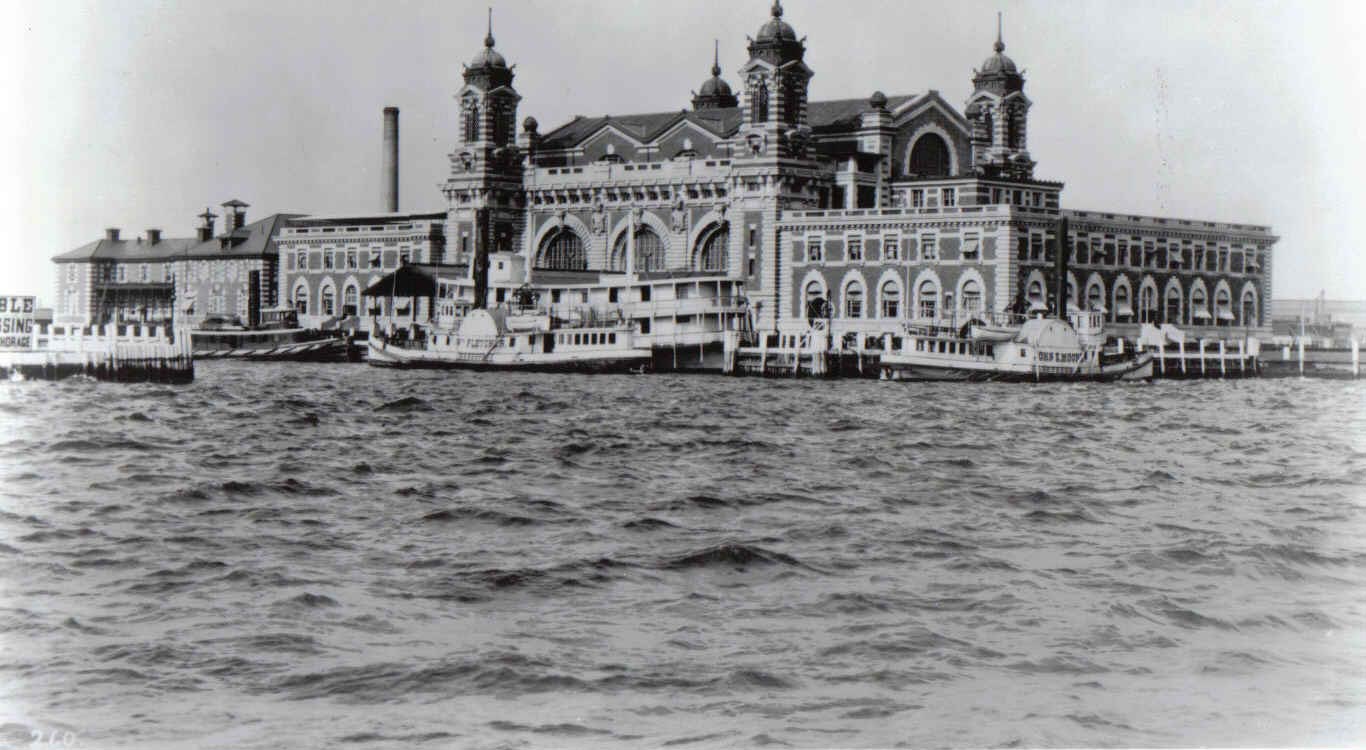
Immigrants arriving at Ellis Island in the early 1900s, carrying luggage and hope.
What Happened?
Between 1892 and 1954, Ellis Island served as the gateway to America for more than 12 million immigrants. Located in New York Harbor near the Statue of Liberty, it represented both opportunity and uncertainty. For many, it was the first place they stepped foot on American soil after weeks at sea, their dreams of a better life just beginning to take shape.
Before Ellis Island opened, immigration was handled by individual states. But as millions of Europeans fled poverty, persecution, and war in the late 1800s, the U.S. government needed a larger, organized system. President Benjamin Harrison designated Ellis Island as the first federal immigration station, and on January 2, 1892, a 15-year-old Irish girl named Annie Moore became its first immigrant.
The process at Ellis Island was rigorous but efficient. First- and second-class passengers were inspected quickly aboard their ships, but third-class travelers, often called steerage passengers, were ferried to the island for medical and legal screening. Doctors checked for contagious diseases, and officials reviewed documents to ensure each person could work and support themselves. Despite fears, only about two percent were ever turned away.
The peak years between 1892 and 1924 saw waves of immigrants from Italy, Poland, Russia, Greece, and other nations. They brought their languages, food, music, and traditions, helping to transform America into a more diverse and dynamic society. In 1907 alone, more than one million people passed through Ellis Island, each with their own story of courage and hope.
Not all chapters of the island’s history were joyful. During World War I, Ellis Island was used as a detention center for suspected enemies, and after new immigration laws in 1924 limited entry, the island’s purpose changed. It became a holding site for those facing deportation, a hospital for wounded soldiers, and even a Coast Guard training center during World War II.
When the last detainee, a Norwegian sailor named Arne Peterssen, was released in November 1954, Ellis Island officially closed. By then, the immigration process had shifted to U.S. consulates abroad, where new arrivals were screened before traveling to America.
In 1990, after a massive restoration project, the Ellis Island Immigration Museum opened to the public, transforming the old inspection halls into a place of memory and learning. Today, nearly 40% of Americans can trace their ancestry to someone who passed through its doors.
Ellis Island is more than a landmark—it is a mirror of the American story. It reminds us that the United States was shaped not by one people, but by many, and that the strength of a nation lies in the dreams, skills, and determination of those who seek a better life.
Why It Matters
The closing of Ellis Island marked the end of an extraordinary chapter in America’s story. A chapter written by millions who left behind everything familiar to chase the promise of freedom and opportunity. Their arrival reshaped the nation’s culture, economy, and identity, proving that diversity is one of America’s greatest strengths. Remembering Ellis Island encourages us to see immigration not as a statistic, but as a human journey filled with courage, sacrifice, and hope. It challenges us to uphold the values of hospitality and inclusion that welcomed generations of people who helped shape our nation.
?
Why was Ellis Island built, and how did it change the way immigration was handled in the United States?
What kinds of challenges did immigrants face when arriving at Ellis Island?
How did the people who came through Ellis Island influence American culture and society?
Why did immigration laws change after World War I, and how did that affect Ellis Island?
Why is it important for modern Americans to remember Ellis Island’s history?
Dig Deeper
An estimated 40% of Americans are descended from people who passed through the Ellis Island immigration station. Discover what the journey was like for the millions who arrived seeking a new beginning.
Related
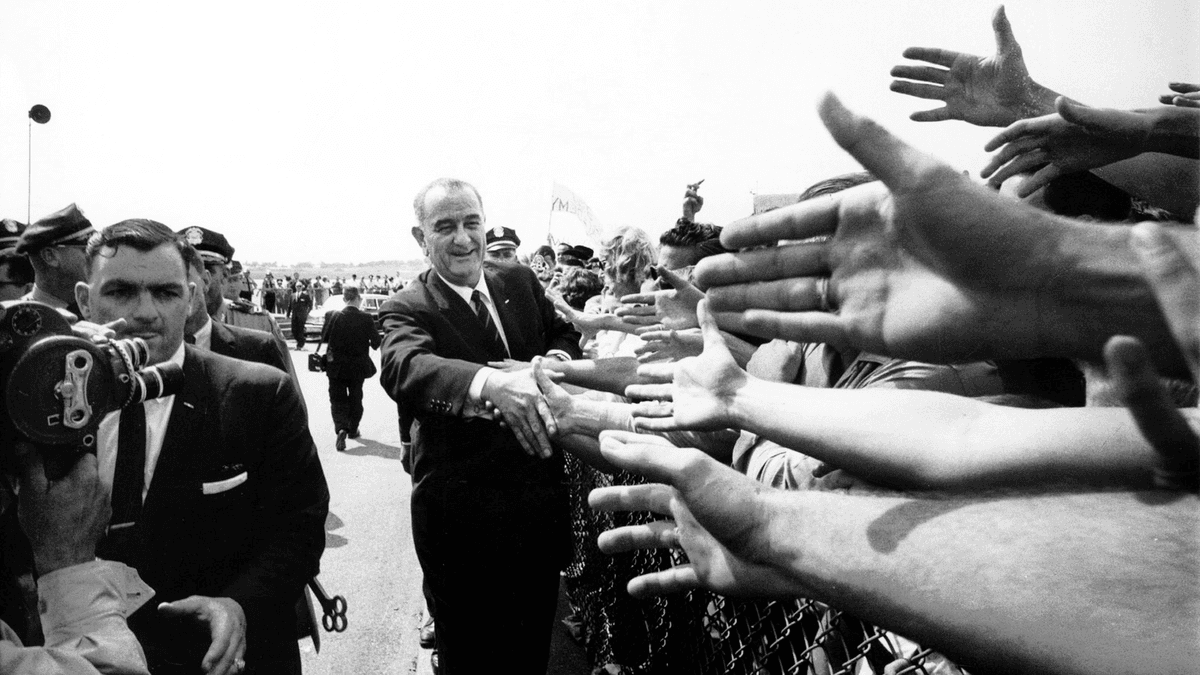
The Great Society: Government as a Force for Good
The Great Society wasn’t just a policy agenda, it was a radical vision of what America could be. With sweeping reforms in health care, education, civil rights, immigration, and the environment, President Johnson’s plan aimed to eliminate poverty and racial injustice once and for all.
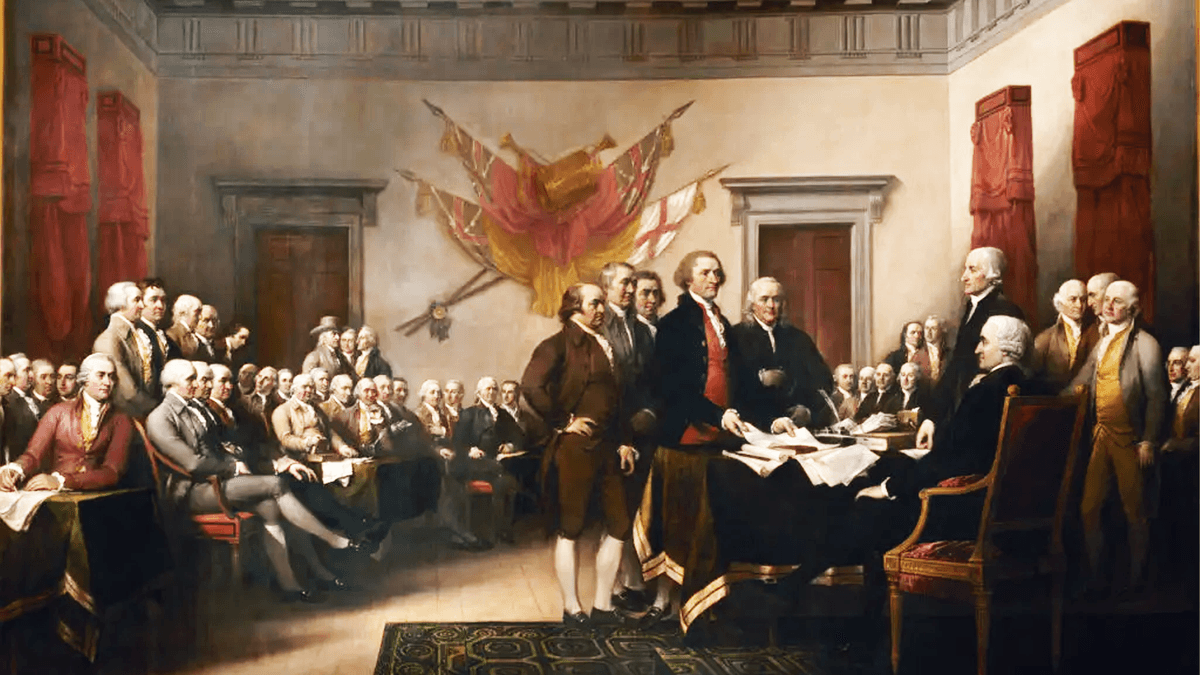
The Declaration of Independence: Ideas, Action, and Aftermath
When the colonies declared independence, they didn’t just start a war—they launched an idea that would echo across centuries. But did America live up to it?
Birthright Citizenship: The Right of the Soil and the Right of the Blood
From English common law to the Fourteenth Amendment, birthright citizenship has shaped who belongs in America — and who is excluded.
Further Reading
Stay curious!