

The Articles of Confederation Adopted
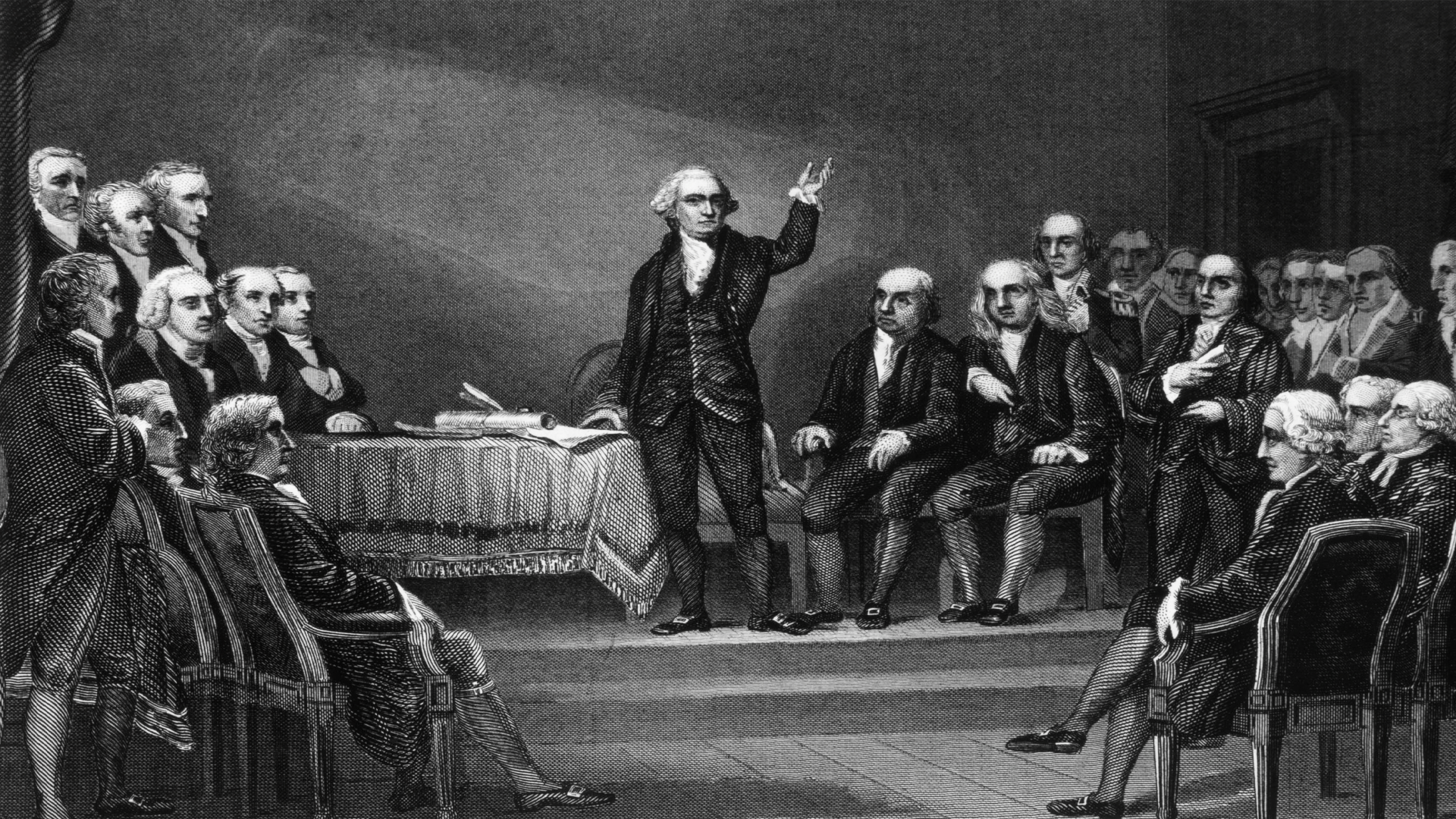
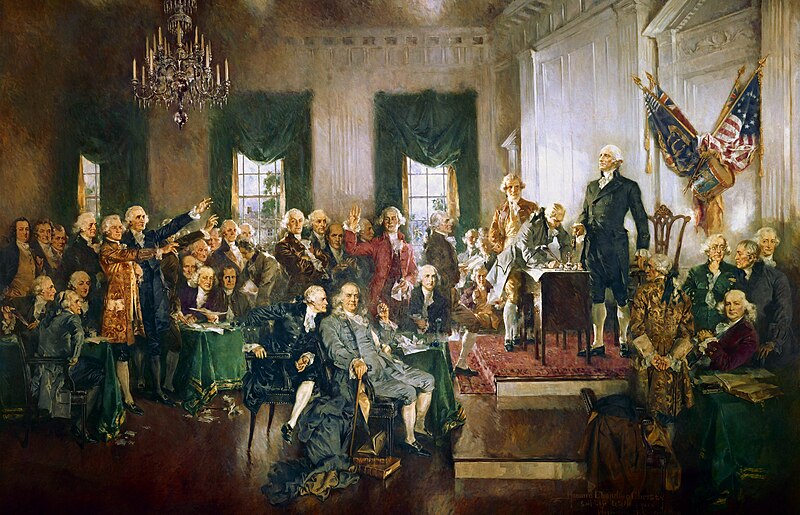
Continental Congress delegates debating the Articles of Confederation in 1777.
What Happened?
By 1777 the American colonies were still fighting for independence from Britain, but they already knew they needed rules to hold the new nation together. Having just broken away from a king, many leaders were afraid of creating another strong central authority. They wanted a government that would protect state independence while still allowing cooperation for war, diplomacy, and trade.
The result was the Articles of Confederation, drafted mainly by John Dickinson and adopted by the Continental Congress on November 15, 1777, in York, Pennsylvania. The Articles created a 'firm league of friendship' between thirteen sovereign states. Each state kept most of its own power and sent delegates to a national Congress that could make decisions for the common good.
Under the Articles, Congress could declare war, make peace, manage foreign affairs, and run the postal service. But it could not collect taxes, regulate trade between states, or enforce its laws. Every state, large or small, had one vote, and major changes required unanimous agreement among all thirteen states.
Ratification took years. Maryland refused to approve the Articles until states with western land claims, like Virginia, agreed to give up some of their territory for the common benefit. When Maryland finally signed on March 1, 1781, the Articles officially became the law of the land, and the Continental Congress became the Congress of the Confederation.
The Articles worked well enough to guide the young republic through the final years of the Revolutionary War, but peacetime exposed their weaknesses. Congress had no power to collect money, so it could not pay soldiers, settle debts, or build a stable economy. Each state printed its own money, set its own trade rules, and sometimes even refused to honor agreements made by others.
By the mid-1780s, many Americans—including George Washington, Alexander Hamilton, and James Madison—feared that the country could not survive without a stronger central government. Rebellions like Shays’ Rebellion in Massachusetts revealed the dangers of a system that could not maintain order or respond to crises.
In 1787, delegates from twelve states met in Philadelphia to revise the Articles. Instead, they wrote a completely new document: the U.S. Constitution. It created a federal government with separate branches—legislative, executive, and judicial—balancing national power with states’ rights.
The transition from the Articles of Confederation to the Constitution marked one of the most important turning points in American history. It showed that the founders were willing to learn from experience, correct their mistakes, and build a government strong enough to last but limited enough to protect liberty.
Between 1776 and 1789, Americans went from living under a monarch, to living in sovereign states, to becoming one sovereign people. That evolution—from subjects to citizens—defined the American Revolution and laid the foundation for the democracy that still stands today.
Why It Matters
The Articles of Confederation were America’s first experiment in self-government. They reflected the Revolution’s ideals of independence and distrust of tyranny but also exposed the challenges of building unity among diverse states. By studying the Articles, we can see how failure became a teacher, showing that freedom requires not only independence but cooperation, compromise, and a balance between local and national power.
?
Why were early Americans afraid to give the national government too much power?
What powers did Congress have under the Articles of Confederation, and what powers did it lack?
Why was unanimous approval from all 13 states required to amend the Articles?
What problems during the 1780s showed that the Articles of Confederation were too weak?
How did the U.S. Constitution fix the weaknesses of the Articles while still protecting states’ rights?
Dig Deeper
A clear, student-friendly explanation of how America’s first government worked—and why it failed.
Explore how delegates replaced the Articles of Confederation with the U.S. Constitution.
Related
Building a New Nation: Foundations of State and National Government
From the shaky Articles of Confederation to the Constitution and Bill of Rights, discover how America’s founders navigated the turbulent waters of self-government—and why North Carolina took its time joining the party.
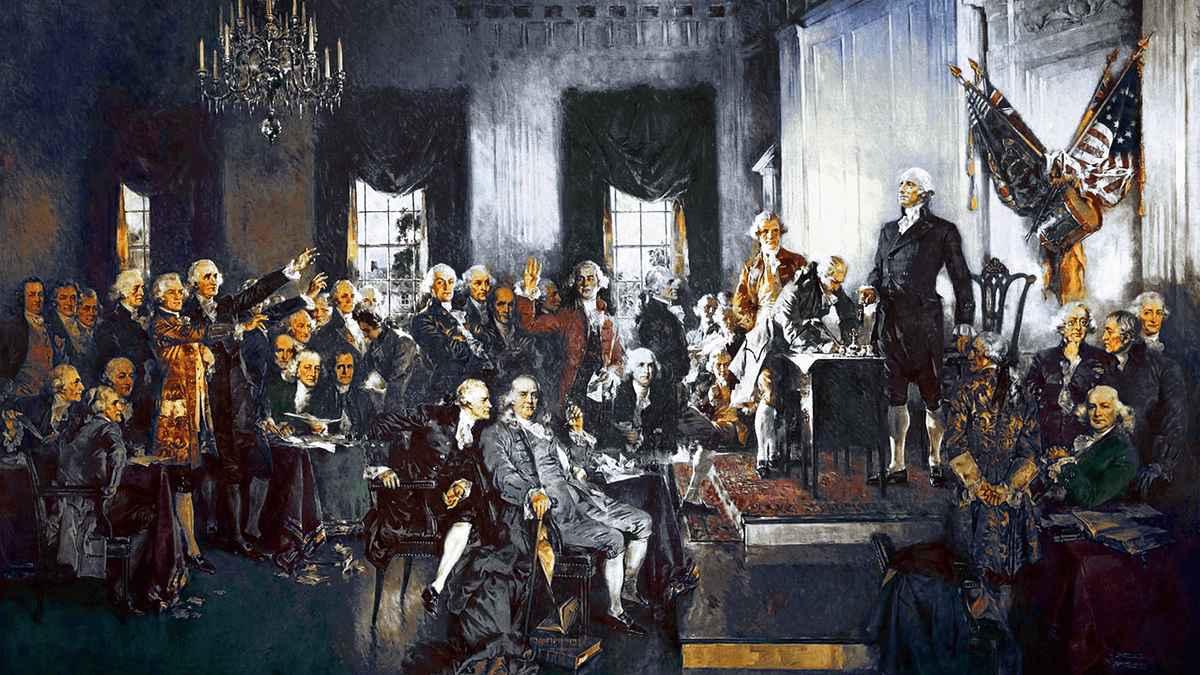
Federalists vs. Anti-Federalists: The Battle That Built the Constitution
One side feared chaos. The other feared tyranny. Together, they gave us the Constitution—and the Bill of Rights.
Halifax Resolves and the Road to Revolution
How North Carolina went from protest to the first official call for full independence from Britain.
Further Reading
Stay curious!