

Darwin Publishes "On the Origin of Species"
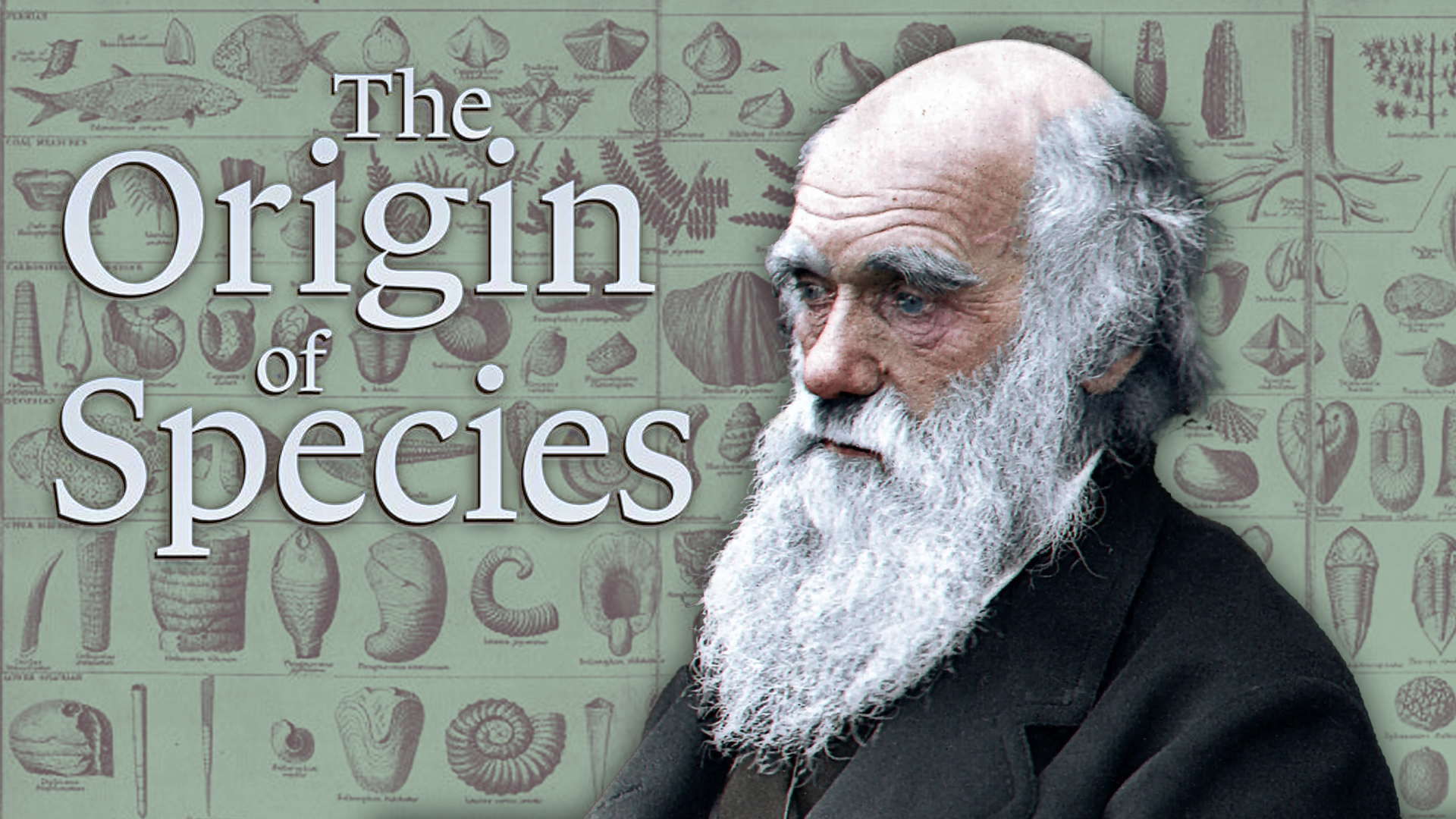
Charles Darwin's' book "On the Origin of Species" completely changed how people understood life on Earth
What Happened?
When Charles Darwin published "On the Origin of Species" on November 24, 1859, he was releasing more than two decades of careful research, quiet reflection, and scientific hesitation. Darwin had developed the core idea of natural selection as early as the 1840s, but he held back from publishing because he wanted his evidence to be solid—and because he knew his conclusions challenged long-standing beliefs about creation and the natural world.
The final push to publish came in 1858 when naturalist Alfred Russel Wallace sent Darwin a paper outlining nearly the same theory of evolution. This unexpected moment led to a joint presentation of their ideas at the Linnean Society of London and convinced Darwin it was time to finally write his book. He worked intensely for more than a year, turning his vast notes, experiments, and observations into a readable, persuasive volume for both scientists and the educated public.
When the book finally appeared, it sold out on the first day—proof that Victorian readers were eager, curious, and maybe a little nervous about what Darwin had to say. "On the Origin of Species" didn't discuss human evolution directly, but many readers immediately saw the implications. Darwin’s arguments were supported with examples from geology, animal breeding, fossil records, and his famous observations of the Galápagos Islands, making the book feel both scientific and accessible.
The scientific community responded quickly. Many biologists embraced Darwin’s explanation because it provided a unifying framework that made sense of puzzling patterns in nature like why certain fossils appeared where they did, why species on different continents shared similarities, and why domesticated animals could change so dramatically under selective breeding. For the first time, there was a coherent, evidence-based explanation for how species changed over time.
At the same time, the book sparked strong opposition, especially from religious leaders who felt Darwin’s ideas contradicted traditional teachings about creation. The debate was loud and public. Some critics argued from theology, while others questioned Darwin’s scientific method. But despite the controversy, Darwin’s work quickly became part of mainstream scientific discussion.
Over the next several decades, as more evidence accumulated, from fossil discoveries to the early science of heredity, Darwin’s theory became widely accepted. Although modern evolutionary biology has expanded far beyond what Darwin knew, the book remains a foundational scientific text.
Today, "On the Origin of Species" is recognized as one of the most influential books ever written. Its publication marked a turning point in scientific history, reshaping how people understood life on Earth and launching new fields of research that continue to evolve more than 160 years later.
Why It Matters
The publication of "On the Origin of Species" changed how we understand ourselves and the living world. Darwin’s theory of evolution by natural selection showed that life on Earth isn't fixed but constantly changing, and that all species, humans included, are part of a shared family tree. This shift encouraged people to ask evidence-based questions, to test ideas using observation and data, and to separate scientific explanations from religious belief. Learning about Darwin’s work helps us see how powerful careful observation, patience, and curiosity can be, and why good science must be open to new evidence, even when it challenges long-held assumptions.
?
How did Darwin’s observations of finches in the Galápagos Islands help him develop his idea of natural selection?
Why did Darwin wait so long to publish "On the Origin of Species," and what does that tell us about the relationship between science and society?
In your own words, how does natural selection explain why some traits become more common in a species over time?
How did later discoveries in genetics, like Gregor Mendel’s work, help strengthen and expand Darwin’s theory?
Why do you think Darwin’s ideas still cause debate today, and how should schools and students handle topics that are both scientifically important and personally sensitive?
Dig Deeper
A short explainer on how Charles Darwin developed his theory of evolution by natural selection and why it changed biology forever.
Related
The Scientific Method
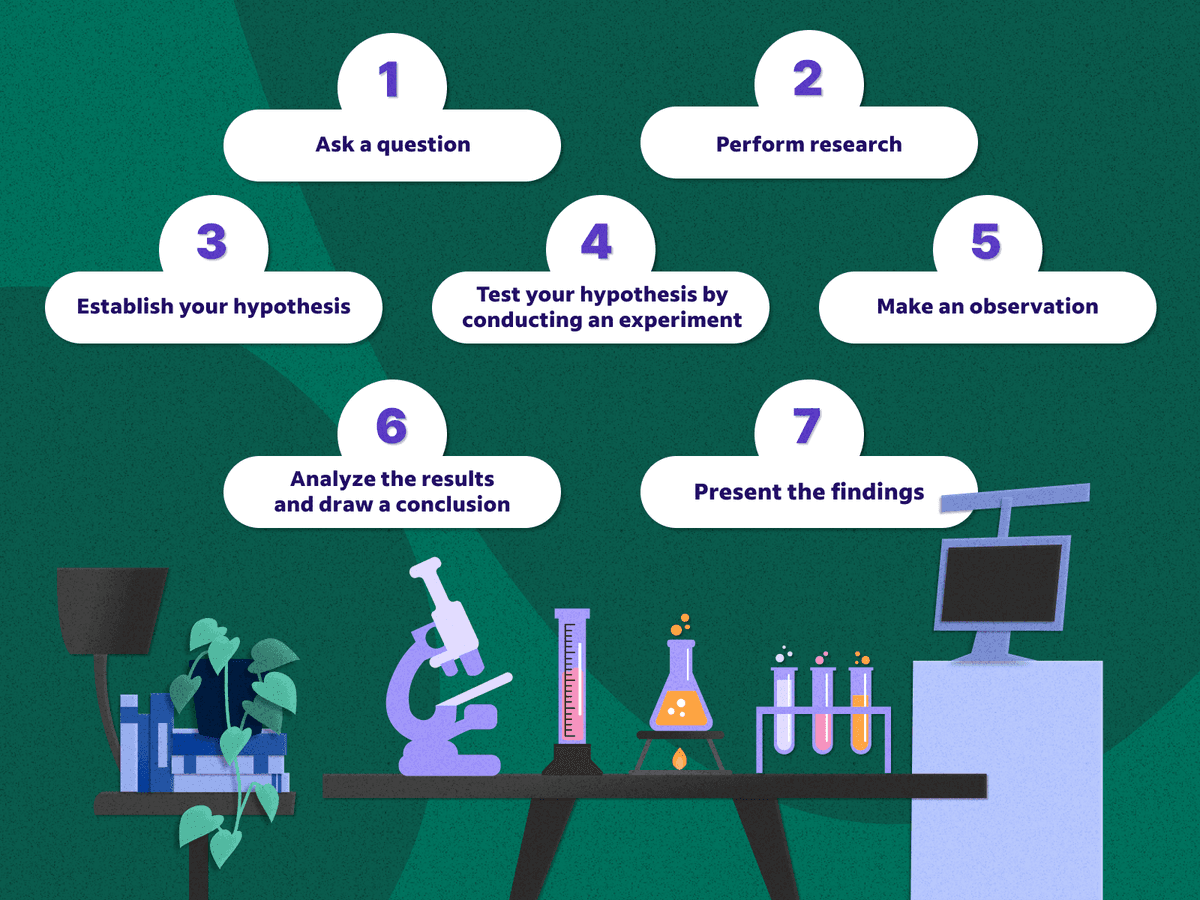
What do curiosity, logic, and a good notebook have in common? They're the foundation of the scientific method—a system that turns wonder into wisdom.

Classification: How We Make Sense of a Wild and Wonderful World
Before we can protect nature—or understand it—we have to organize it. Classification is the science of finding patterns, drawing lines, and asking: What belongs where, and why?

Scientific Observation: Where All Good Questions Begin
Before the hypothesis, before the experiment, there’s one essential step: observing the world around you. Scientific observation is where wonder becomes investigation.
Further Reading
Stay curious!