

New Zealand Women Vote in a National Election for the First Time
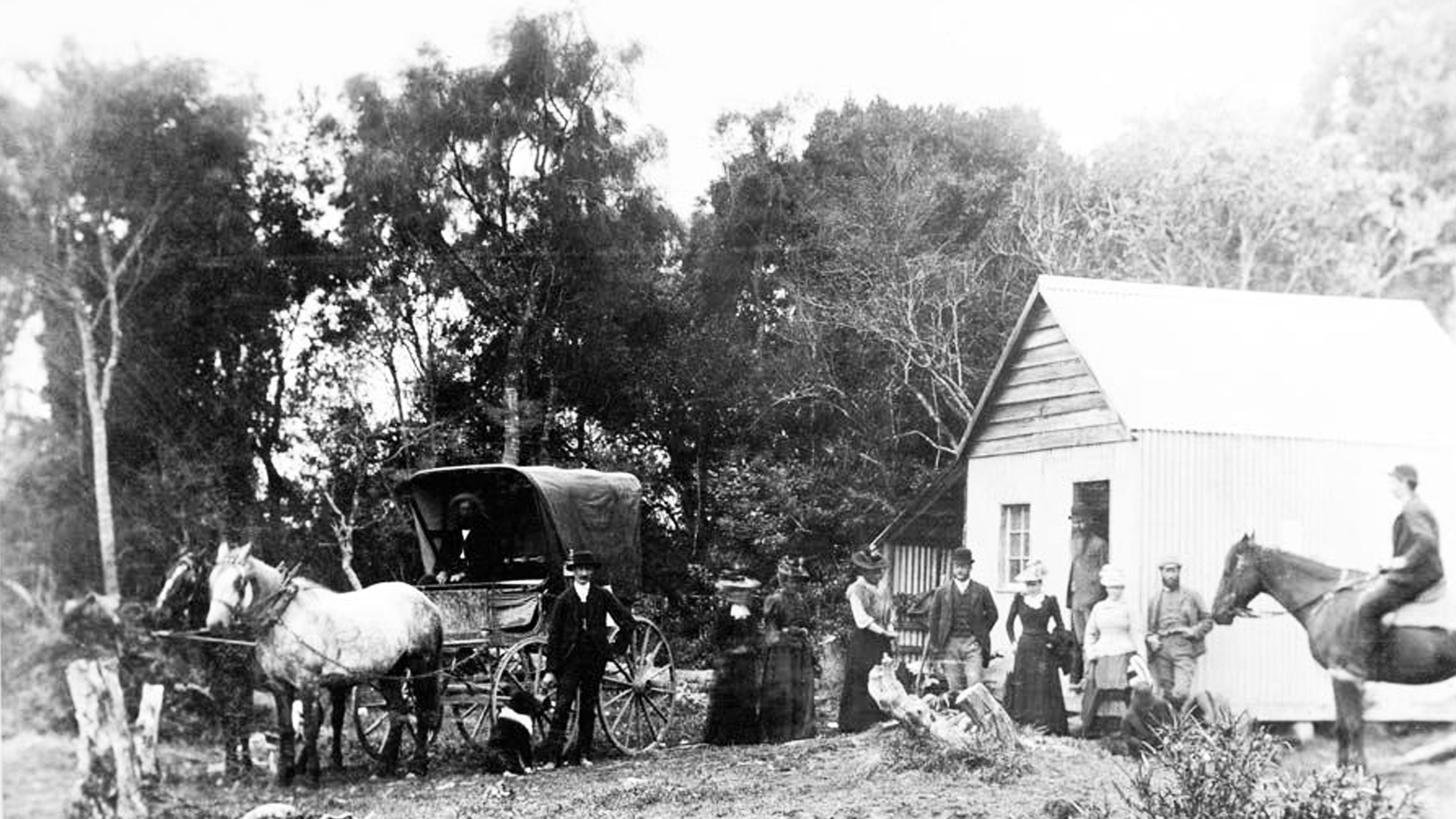
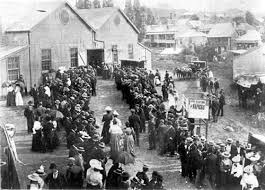
Illustration of New Zealand women proudly lining up to cast their ballots in the 1893 election
What Happened?
On November 28, 1893, streets and polling places across Aotearoa New Zealand looked different than ever before: women were lining up to cast ballots in a national election for the very first time. Just ten weeks earlier, Governor Lord Glasgow had signed the Electoral Act 1893, making New Zealand the first self-governing country in the world where women could vote in parliamentary elections. The time between the law and the election was short, but the change it represented had been building for decades.
For most of the 1800s, politics in New Zealand was officially a men-only space. The New Zealand Constitution Act of 1852 allowed only certain men who met property rules to vote, and the Māori Representation Act 1867 created four Māori seats, but again, only for male voters and candidates. Many people at the time believed that women belonged only in the home and that “serious” political questions should be left to men. Women could pay taxes and follow laws, but had no say in choosing the people who made those laws.
By the late 19th century, that attitude was being challenged. Better access to education, church work, and community organizations helped more women see themselves as public thinkers and leaders. The women’s suffrage movement in New Zealand grew as part of a wider international push for women’s rights, inspired by thinkers like John Stuart Mill and by the work of the Women’s Christian Temperance Union (WCTU). In Aotearoa, wāhine Māori and Pākehā women both took part, linking the fight for the vote with other goals like protecting families, limiting alcohol abuse, and shaping a more moral and fair society.
Women won the right to vote because they organized relentlessly. Led by figures like Kate Sheppard, suffragists spent seven years collecting signatures on petitions that traveled from kitchen tables and church halls to the very floor of Parliament. In total, 13 petitions gathered 31,872 signatures, with the largest 1893 petition alone holding 25,519 names, almost a quarter of the adult European women in the country. Wāhine Māori also pushed for the right to vote and to stand in Māori political spaces such as Te Kotahitanga, the Māori Parliament, making clear that their voices belonged in every level of decision-making.
Inside Parliament, the debate was intense. Some male leaders, including John Hall and John Ballance, supported women’s suffrage, while others (like Richard Seddon and allies of the liquor industry) fought hard against it, afraid that women voters would support alcohol bans or upset the political balance. Opponents warned that giving women the vote would destroy “natural” gender roles and used fear-based campaigns and even fake signatures on anti-suffrage petitions. Suffragists responded with huge petitions, packed public meetings, and the simple but powerful symbol of the white camellia worn in supporters’ buttonholes.
In 1893, after years of narrow defeats and sneaky amendments, the Electoral Bill finally passed. An attempt by opponents to block it in the Legislative Council backfired when two members changed their votes, partly to embarrass Seddon, and the bill squeaked through 20–18. On 19 September 1893, Lord Glasgow signed it into law. All women who were British subjects aged 21 and over, including Māori women, could now vote. Though some groups, such as Chinese women, were still excluded by nationality rules, showing that the victory was historic but not yet fully equal.
Election day on November 28 proved many critics wrong. In the weeks before, 109,461 women (about 80% of eligible women) managed to register despite the tight deadline. On the day itself, around 90,290 of them voted, giving women an 82% turnout compared with about 70% for registered men. Instead of chaos at the polls, newspapers described a calm, even joyful atmosphere; one Christchurch paper said the streets looked like a “gay garden party,” with women’s dresses and smiles brightening the polling booths. The feared “boorish and half-drunken men” harassing “lady voters” didn't appear.
New Zealand’s achievement quickly drew attention around the world. In many other democracies, including Britain and the United States, women would not gain the right to vote until after World War I. New Zealand’s early move helped build its reputation as a “social laboratory”, a place willing to test bold ideas about fairness and democracy. Suffrage leaders overseas wrote to congratulate New Zealand women, saying their success gave “new hope and life” to women still struggling for the vote in their own countries.
The 1893 election was a beginning, not the finish line. New Zealand women could vote, but they could not stand for Parliament until 1919, and the first woman MP, Elizabeth McCombs, wasn't elected until 1933. Over time, more milestones followed: Iriaka Rātana became the first wāhine Māori MP in 1949, Jenny Shipley became the country’s first woman prime minister in 1997, and Georgina Beyer became the world’s first openly transgender MP in 1999. By 2023, women held just over half of all seats in Parliament, turning that early right to vote into real representation.
Why It Matters
The first national vote by New Zealand women is a reminder that democracy isn't a gift handed down from above, rather it's something people build, protect, and improve through courage, organizing, and the belief that every voice deserves to be heard. The women of New Zealand voting in the 1893 election showed the world that democracy could be expanded, not just protected. Their victory proves that everyday people signing petitions, speaking up, and demanding fair laws can reshape who gets to participate in political life. Understanding this story helps us see that voting rights were hard-won and that political equality is something we have to keep strengthening, not take for granted. When we remember the long journey from “no women voters at all” to women sharing power in Parliament, we are reminded that our own participation matters for the future of our communities.
?
Why do you think New Zealand became the first self-governing country to give women the right to vote, while many other countries waited decades longer?
How did petitions and public organizing help suffragists convince Parliament to change the law?
What roles did wāhine Māori play in the suffrage movement, and why is it important to include their stories when we talk about voting rights?
Why were some groups, like liquor industry leaders and certain politicians, so strongly opposed to women voting?
How did the peaceful, ‘garden party’ atmosphere of the 1893 election challenge stereotypes about women as voters?
In what ways is gaining the right to vote different from gaining full political equality, and what steps did New Zealand still have to take after 1893?
How can young people today honor the legacy of the suffrage movement, even before they are old enough to vote themselves?
Dig Deeper
A short biography of Kate Sheppard, highlighting her leadership in New Zealand’s suffrage movement and how her work helped make New Zealand the first country to grant women the vote.
An overview of how New Zealand women won the right to vote and what happened when they went to the polls for the first time in the 1893 election.
A TED-Ed style lesson tracing how voting rights expanded in the United States, useful for comparing New Zealand’s early suffrage win with other countries’ longer struggles.
Related
MLK the Disrupter and the Poor People’s Campaign
Dr. Martin Luther King Jr.’s final chapter was about more than civil rights—it was a bold demand for economic justice that challenged the nation’s values at their core.
European Exploration of the Americas
When European explorers set sail across the Atlantic, they weren’t just chasing trade routes—they were rewriting the world’s future. But discovery for some meant devastation for others.
Deinstitutionalization
Deinstitutionalization was a movement that closed psychiatric hospitals in favor of community care. But without enough resources, it led to homelessness, incarceration, and untreated illness.
Further Reading
Stay curious!