

The Monroe Doctrine Declared
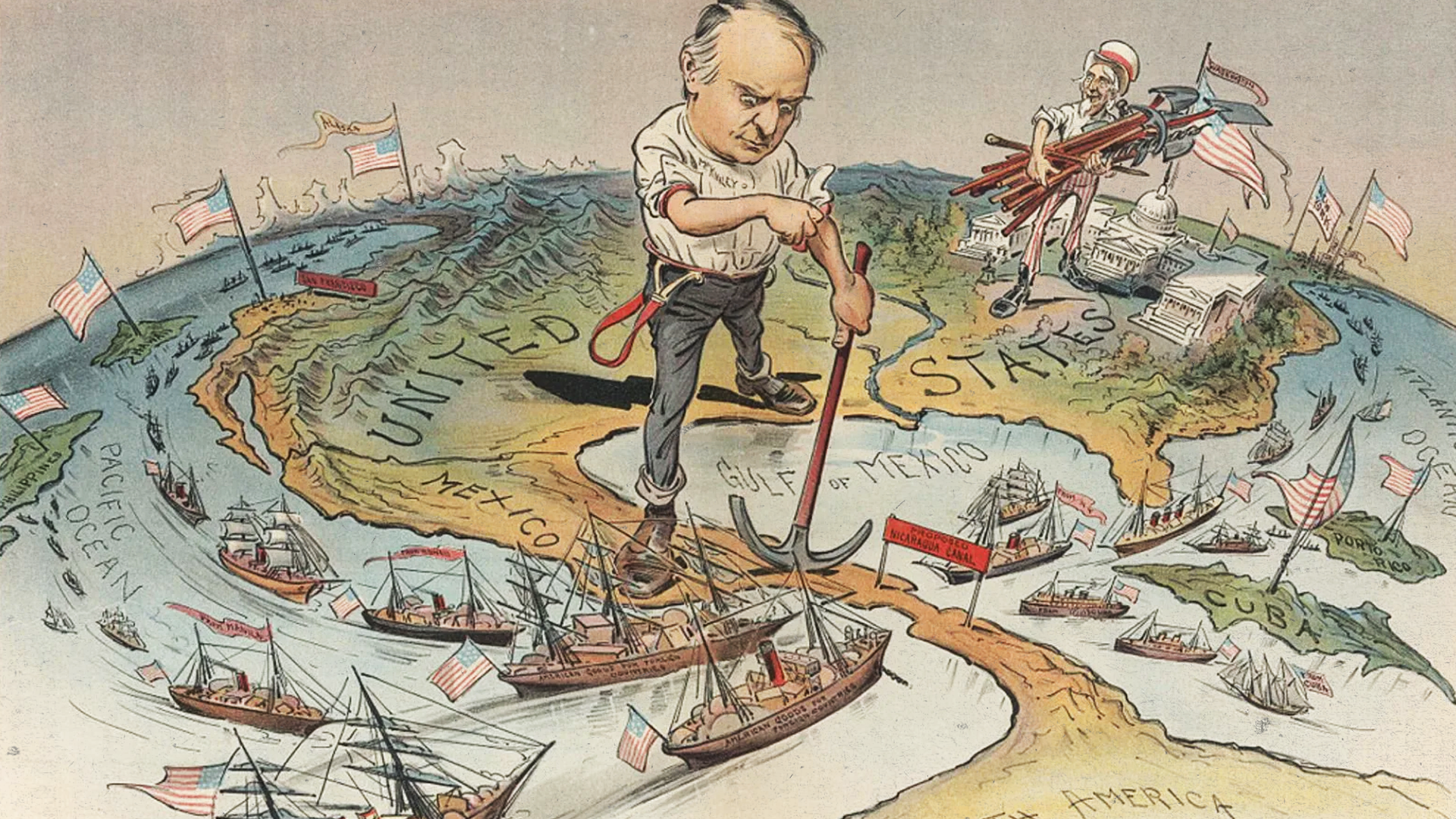
President James Monroe declared that the Western Hemisphere was off-limits to new European colonization or interference.
What Happened?
In the early 1820s, many Latin American nations had just won their independence from Spain and Portugal, and leaders in the United States worried that powerful European empires might try to take them back. At the same time, Russia was pushing down into Alaska and the Pacific Northwest, and Great Britain was looking for ways to maintain influence in the region. The Western Hemisphere was suddenly full of political tension and possibility.
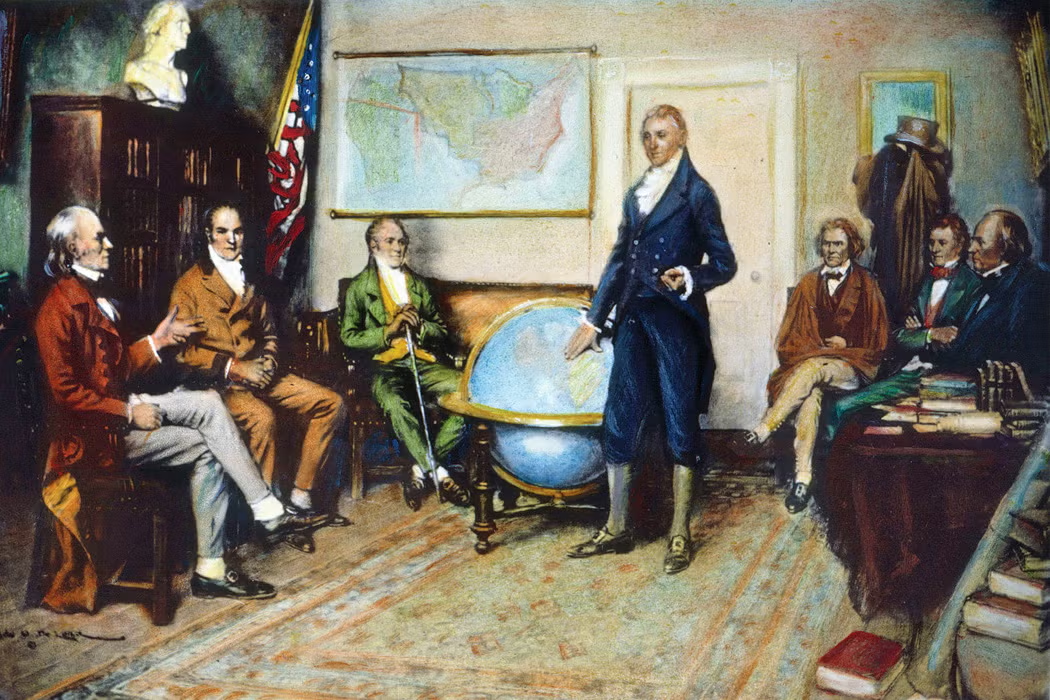
President James Monroe worked closely with his Secretary of State, John Quincy Adams, who did most of the writing, to create a strong U.S. response. Instead of joining Britain in a shared warning to Europe, Adams argued that the United States should make its own statement. This was a big deal: America was still small, without a huge army or navy, but it wanted to claim its own diplomatic voice.
When Monroe delivered his annual message to Congress on December 2, 1823, he laid out what would become known as the Monroe Doctrine. He declared that the continents of North and South America were now ‘free and independent’ and should not be considered places for future European colonization. In simpler terms: Europe needed to stay out of the Western Hemisphere.
Monroe also promised that the United States would stay out of European wars and not interfere with existing European colonies. The idea was that the world should have two separate ‘spheres’, the Old World of Europe and the New World of the Americas. For a young nation still defining itself, this was a bold claim about where U.S. influence reached, and where it didn't.
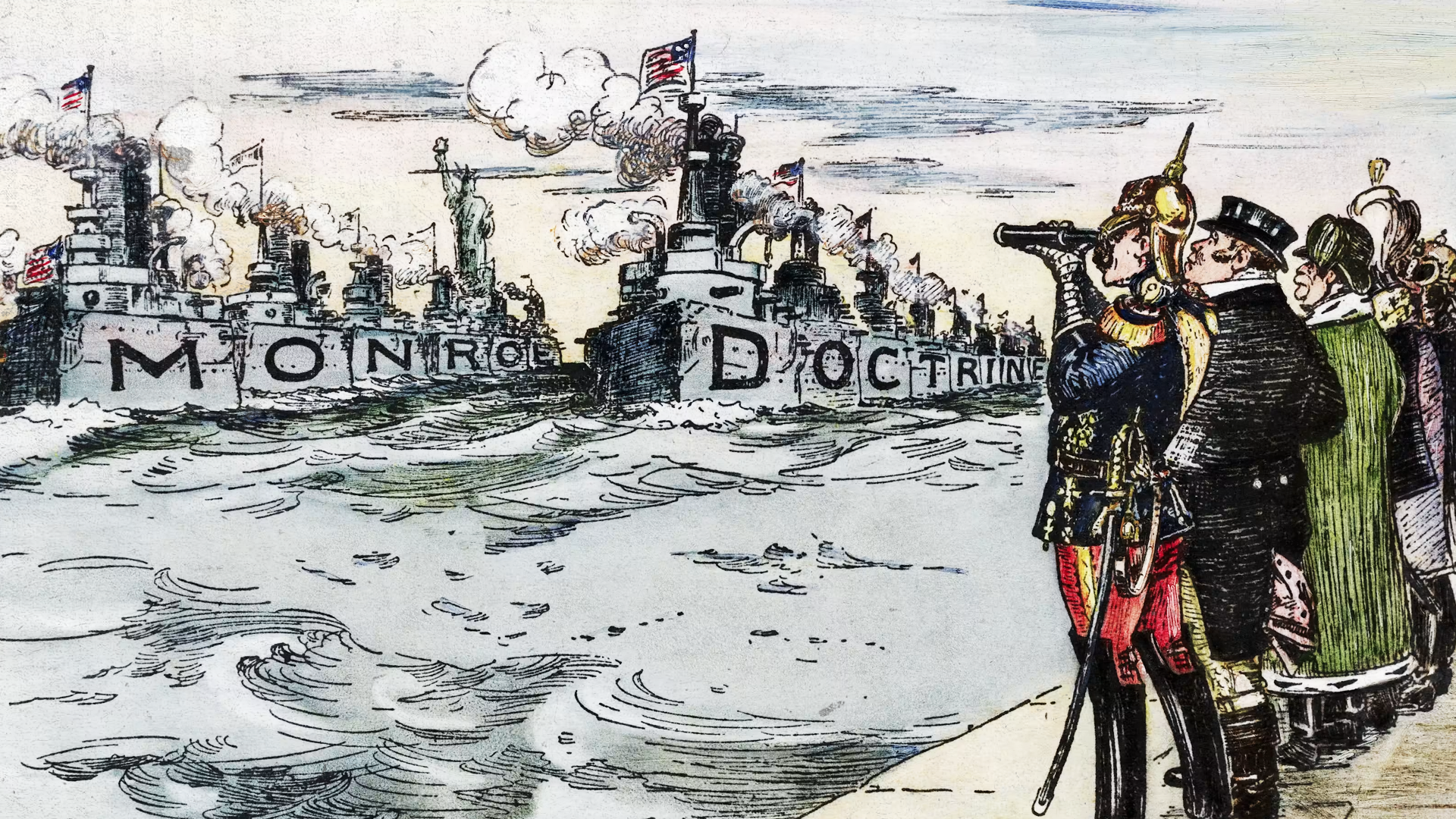
Although the Monroe Doctrine was bold, it didn’t have much immediate impact. The United States didn’t yet have the military power to enforce it, and European nations mostly ignored Monroe’s announcement. But the statement itself mattered because it planted a new idea: that the U.S. had a special responsibility in the Western Hemisphere.
Over the next several decades, as the United States grew richer and stronger, the Monroe Doctrine became more powerful in practice. American leaders pointed to it in moments of conflict, such as when the U.S. helped push out France’s attempt to put a European-backed emperor in Mexico in the 1860s. By then, the message that Europe should stay out of the Americas had become a widely recognized U.S. position.
In 1904, President Theodore Roosevelt expanded the Monroe Doctrine with what became known as the Roosevelt Corollary. He argued that the U.S. could intervene in Latin American countries to prevent European involvement. This turned the doctrine from a shield against European interference into a tool the U.S. sometimes used to justify its own interventions. A legacy that still shapes discussions about American foreign policy today.
During the Cold War, the Monroe Doctrine appeared again, especially during the 1962 Cuban Missile Crisis, when President John F. Kennedy used its principles to oppose Soviet missiles in Cuba. Even into the late 20th century, presidents used the doctrine to explain U.S. involvement in places like Nicaragua, El Salvador, and Panama.
Today, historians debate the Monroe Doctrine's complicated legacy. On one hand, it helped protect newly independent nations from European recolonization. On the other hand, it became a justification for U.S. dominance in Latin America, often without the consent of the nations involved. Understanding the Monroe Doctrine helps us see how foreign policy statements can evolve far beyond what their creators imagined.
Why It Matters
The Monroe Doctrine shows how powerful ideas can be in shaping the behavior of nations. It challenged the world to see the Americas as a place where independence should be respected, and it raised big questions about responsibility, fairness, and influence. Monroe’s message helped define the United States’ role in the Western Hemisphere and shaped its relationships with Latin America for generations. While it sometimes protected new nations from European control, it was also used to justify U.S. intervention, reminding us that power can protect or overreach. Understanding the Monroe Doctrine helps us see that foreign policy isn’t just about borders on a map. It’s about values, choices, and how nations decide to use their power in an interconnected world.
?
Why did the United States worry about European countries returning to the Americas in the 1820s?
How did John Quincy Adams influence the creation of the Monroe Doctrine?
What does it mean for a country to have a ‘sphere of influence’?
Why was the Monroe Doctrine bold for such a young nation to declare?
How did the meaning of the Monroe Doctrine change when Theodore Roosevelt added the Roosevelt Corollary?
How do you think Latin American nations viewed the Monroe Doctrine when the U.S. used it to justify interventions?
Dig Deeper
A simple explanation of the Monroe Doctrine, why it was created, and how it shaped early U.S. foreign policy toward Europe and Latin America.
An overview of how U.S. power expanded over time, including key policies like the Monroe Doctrine that influenced America's role in the world.
Related
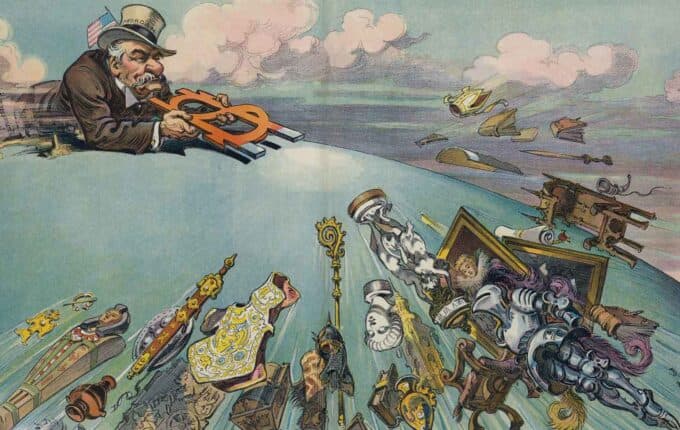
Oligarchy
As the wealth and influence of a few ultra-wealthy individuals continue to shape American politics, we must ask ourselves: What is the cost of an oligarchy, and can democracy truly survive under the control of the few?
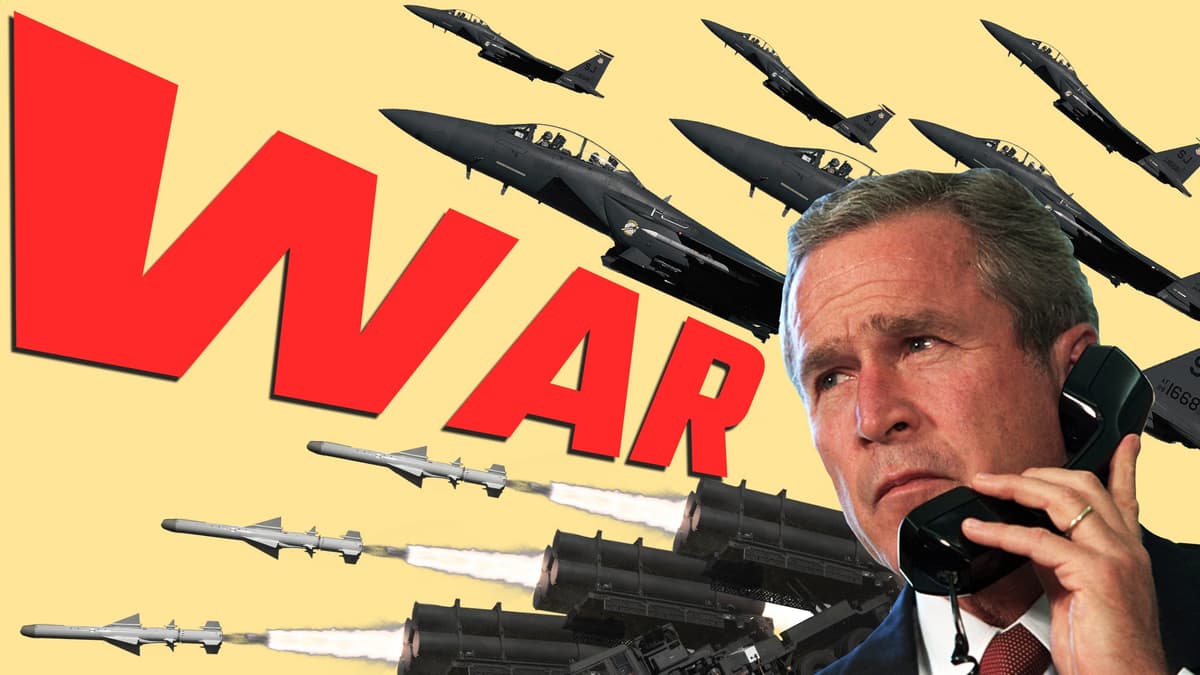
The War on Terror: A New Era of U.S. Power
After the September 11th attacks, the United States didn't just declare war on terrorism—it redefined national security, global alliances, and the limits of civil liberties.
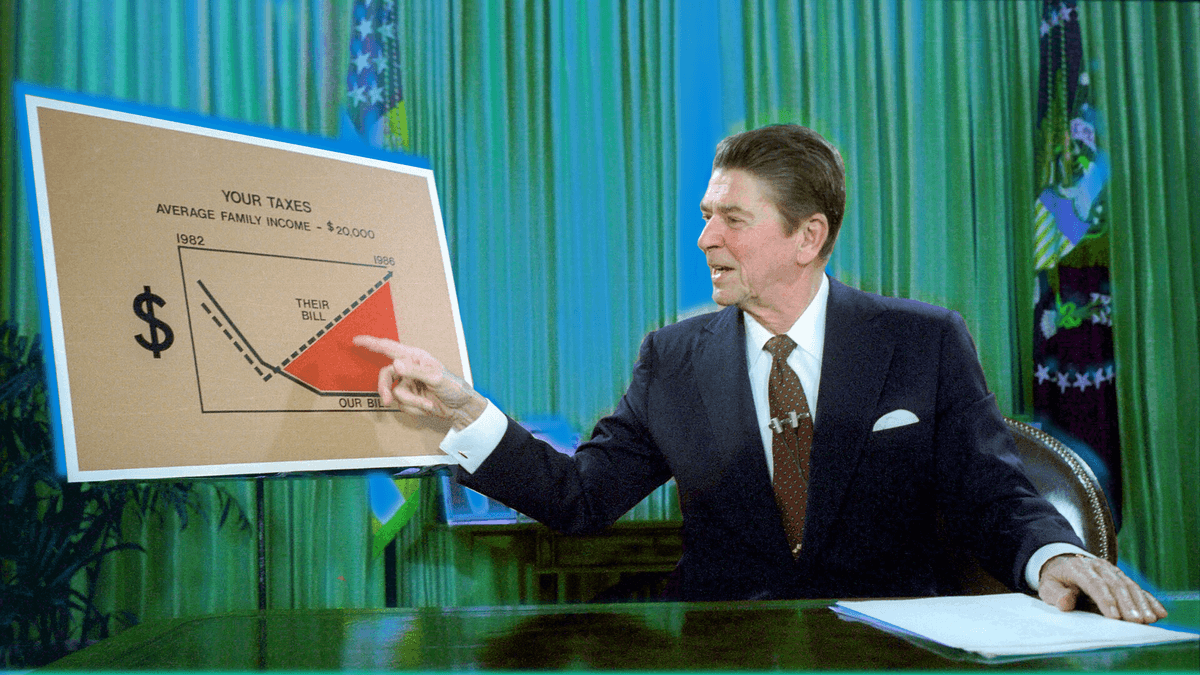
Free Market Fever: The Deregulation Debate
When is government the problem—and when is it the solution? Deregulation reshaped the U.S. economy, slashing rules and reshuffling power in the name of freedom and efficiency.
Further Reading
Stay curious!