

Frederick Douglass Publishes the First Issue of 'The North Star'
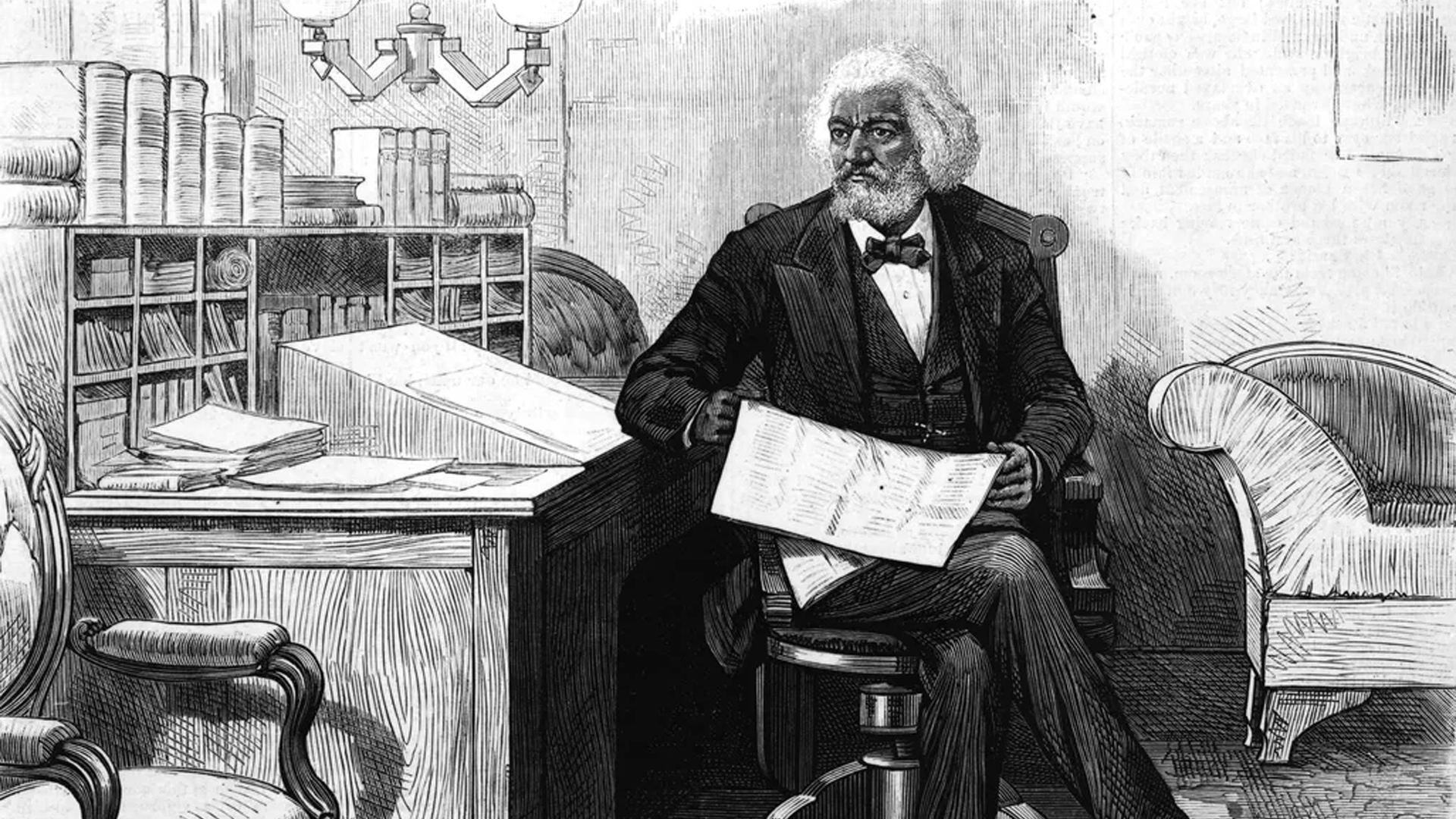
Frederick launched 'The North Star' to give Black Americans a powerful voice in the fight against slavery and injustice.
What Happened?
On December 3, 1847, Frederick Douglass published the first issue of 'The North Star', a weekly newspaper he created to confront slavery, racism, and inequality in the United States. He chose the name to honor the bright star that guided many enslaved people to freedom in the Northern states. The title reminded readers that hope and direction can exist even in the darkest times.
Douglass had escaped slavery and taught himself to read and write, becoming one of the most respected speakers and thinkers of his time. He believed that Black Americans deserved a newspaper created by their own hands and shaped by their own experiences. He wanted readers to see that their communities had voices worth hearing and ideas worth spreading, not only about suffering but also about pride, strength, and the possibility of a better future.
The newspaper offered far more than reports on events. It included essays, poems, speeches, book reviews, and strong arguments for the complete end of slavery. Its motto read, 'Right is of no sex, Truth is of no color, God is the Father of us all, and we are brethren.' These words taught readers that fairness and truth are not limited by race or gender. They encouraged people to imagine a society where every person is valued equally.
By creating his own newspaper, Douglass showed a remarkable level of courage and confidence. At that time, many white abolitionists believed that formerly enslaved people should not lead political conversations. Douglass refused to accept this idea. Instead, he demonstrated that Black leadership wasn't only possible but necessary. His writing proved that African American voices carried insight, intelligence, and moral authority that the nation needed to hear.
Although the fight against slavery was the paper’s main mission, 'The North Star' also explored topics related to women's rights, unfair laws, mistreatment of immigrants, and discrimination in schools and public spaces. Douglass understood that freedom must be shared by all people, and he used the newspaper to show how different struggles for fairness were connected. This approach helped readers understand that justice grows stronger when communities support one another.
Keeping the newspaper alive required constant effort. Douglass faced high printing costs and limited financial support. He earned money through lectures and often paid the bills himself. Despite these difficulties, he refused to give up because he knew the paper offered a powerful platform. Over time, 'The North Star' became one of the most respected abolitionist newspapers in the country and attracted a loyal audience that believed in Douglass’s vision.
In 1851, Douglass merged his paper with another antislavery publication to form 'Frederick Douglass’ Paper'. This decision allowed the newspaper to reach new readers while continuing its mission to challenge injustice. Douglass used the expanded platform to discuss political change, human rights, and the growing movement to end slavery throughout the nation.
The creation and success of 'The North Star' reveal how determined Douglass was to use every tool available to fight oppression. His work as a newspaper publisher, combined with his speeches, books, and activism, helped shape the entire abolitionist movement. His example reminds future generations that words can be powerful, that ideas can inspire courage, and that one person’s voice can help guide a country toward justice.
Why It Matters
Frederick Douglass did more than escape slavery. He used his voice, his pen, and his determination to reshape the national conversation about freedom and equality. By creating 'The North Star', he showed that information is power and that communities become stronger when they can speak for themselves. His newspaper reminded readers that justice grows when people share truthful stories, challenge harmful beliefs, and refuse to stay silent in the face of injustice. Understanding Douglass’s work helps us see how writing, reporting, and honest communication can guide entire societies toward fairness. It also teaches us that when marginalized people take control of their own stories, they do more than make history. They light the way for others to follow.
?
Why do you think Douglass believed it was important for African Americans to publish their own newspaper?
How can writing and journalism help spark social change?
What does the motto of 'The North Star' tell us about Douglass’s beliefs?
How might reading Douglass’s newspaper have inspired people during the abolition movement?
In what ways can young people today use their voices to stand up for justice?
Dig Deeper
A clear and engaging overview of Douglass’s life, from slavery to becoming an international voice for human rights.
Related

Understanding Triggers
Triggers aren’t just reactions, they’re messages from our past asking to be understood.
McCarthyism: Fear, Power, and the Red Scare
In the 1950s, fear of communism gripped America. Senator Joseph McCarthy fueled this fear by accusing hundreds of people of being communist traitors—often without proof. The result was a national panic that tested the meaning of truth, justice, and freedom.
Reconstruction: Rebuilding a Nation and Redefining Freedom
After the Civil War, the United States faced the enormous task of reintegrating the South, securing rights for freedpeople, and redefining citizenship and equality. Reconstruction (1865–1877) was a bold experiment in democracy—filled with groundbreaking laws, historic firsts, and fierce backlash.
Further Reading
Stay curious!