

Prohibition Ends: The 21st Amendment Repeals the 18th

The ratification of the 21st Amendment marked the end of Prohibition.
What Happened?
When the 21st Amendment was ratified on December 5, 1933, it officially ended Prohibition and closed one of the most dramatic chapters in American history. Thirteen years earlier, the nation had banned the manufacture, sale, and transportation of alcohol in the hope of reducing crime, protecting families, and improving public health. Supporters believed that removing alcohol would strengthen communities, but the results proved far more complex.
Prohibition began with the 18th Amendment and the Volstead Act, which created strict rules for enforcing the nationwide ban. Although these laws made it illegal to produce or sell alcohol, they didn't end the desire for it and unintentionally created a thriving underground market.
Because legal alcohol wasn't available anymore, criminal groups quickly filled the gap. Bootleggers smuggled liquor across state lines, while speakeasies (secret bars) appeared in major cities and small towns alike. Organized crime expanded its power as gangs built profitable networks around illegal alcohol. Figures such as Al Capone became infamous symbols of the era as violence and corruption increased.
Government officials often struggled to enforce Prohibition. Local police and politicians were frequently bribed to ignore illegal activities, and federal agencies didn't have enough staff to keep up with the massive underground trade. At the same time, the government lost valuable tax revenue that had once come from legal alcohol sales, making the law even harder to support.
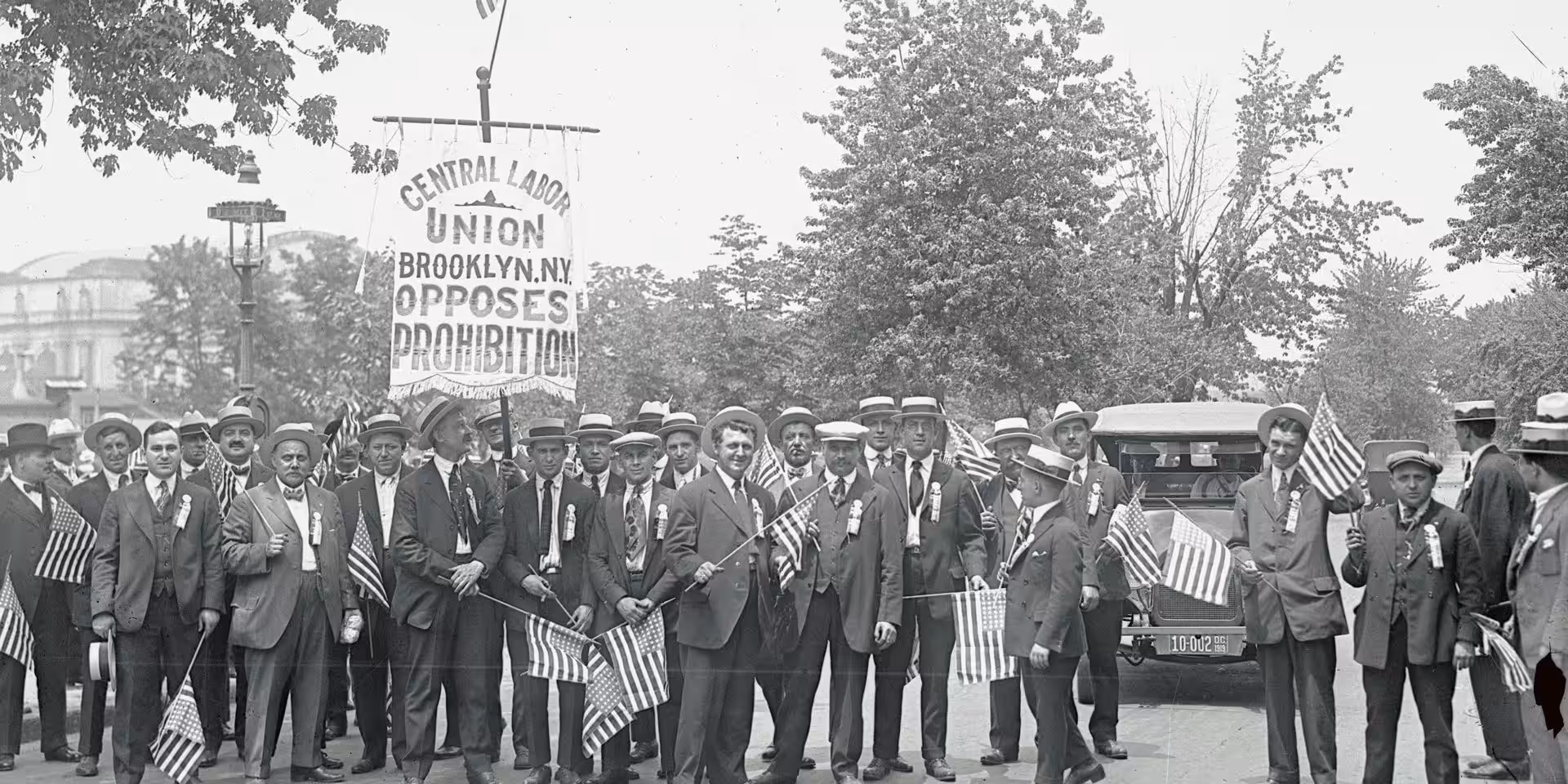
By the early 1930s, many Americans agreed that Prohibition had failed to achieve its goals. Instead of reducing crime, it had allowed organized crime to grow stronger. Instead of creating a more orderly society, it had encouraged lawbreaking on a wide scale. During the hardships of the Great Depression, people recognized that legalizing alcohol again could help create jobs and restore tax income.
In 1932, Franklin D. Roosevelt ran for president promising to repeal Prohibition, and public support for change was overwhelming. On December 5, 1933, Utah became the 36th state to ratify the 21st Amendment, reaching the required three-fourths majority. For the first time in U.S. history, one constitutional amendment canceled another, reversing the national alcohol ban.
Although the 21st Amendment ended federal Prohibition, it gave states the authority to create their own alcohol laws. Many states continued strict rules for years, and some communities remain partially or fully dry even today. This patchwork of laws reflects the ongoing debate about how to balance personal freedom with public safety.
The end of Prohibition opened the door for legal businesses to return, reduced the reach of criminal networks, and encouraged Americans to rethink how major policies should be designed and enforced.
Why It Matters
The end of Prohibition shows how a nation learns from its mistakes. The story of the 21st Amendment reminds us that laws must be effective, realistic, and flexible enough to change when a nation learns from experience. It's a reminder that laws must protect people without taking away their freedoms, and that big ideas must work in real life, not just on paper. Understanding this chapter of history helps us see how democracy corrects itself, how public opinion shapes policy, and why thoughtful debate is essential when deciding what is best for the country.
?
Why did some people originally believe banning alcohol would improve society?
How did Prohibition unintentionally increase crime and corruption?
Why did the Great Depression make people more willing to repeal Prohibition?
What does it mean for one amendment to repeal another?
How does the 21st Amendment show the importance of balancing freedom and responsibility in a democracy?
Dig Deeper
Explore the rise, challenges, and consequences of Prohibition, from the goals of the temperance movement to the unexpected growth of organized crime.
Related
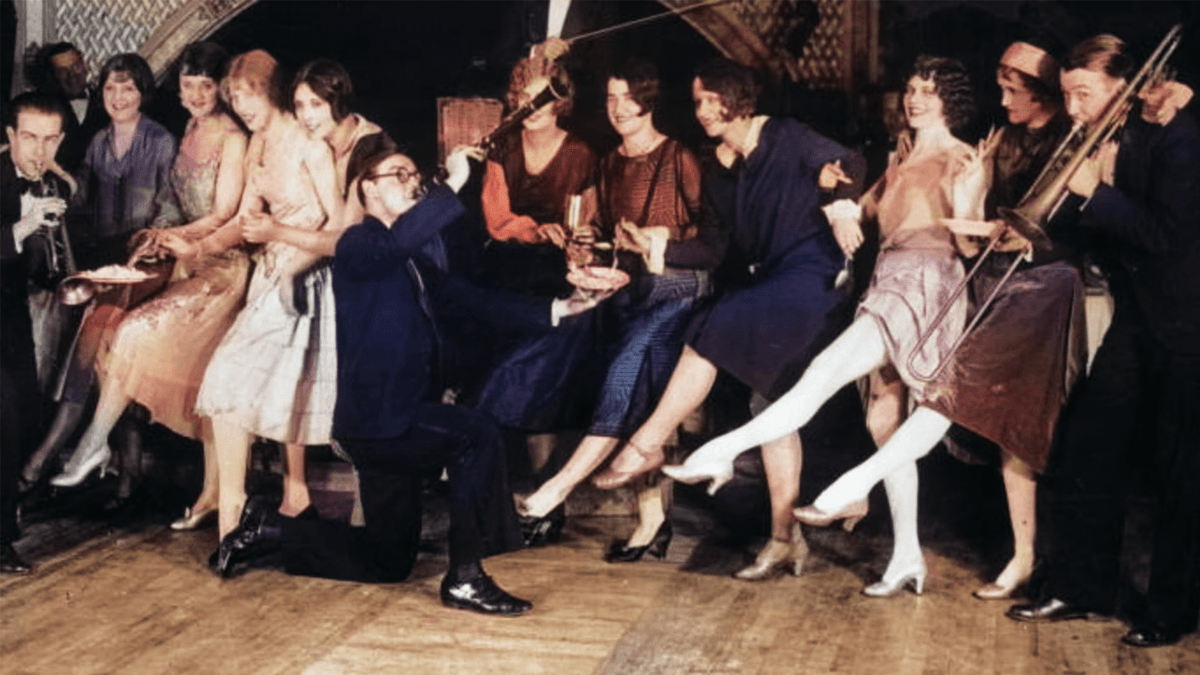
The Roaring Twenties: Prosperity, Culture, and Conflict
The 1920s were a decade of booming technology, jazz, and consumer culture—but beneath the excitement were deep social tensions and cultural conflicts.
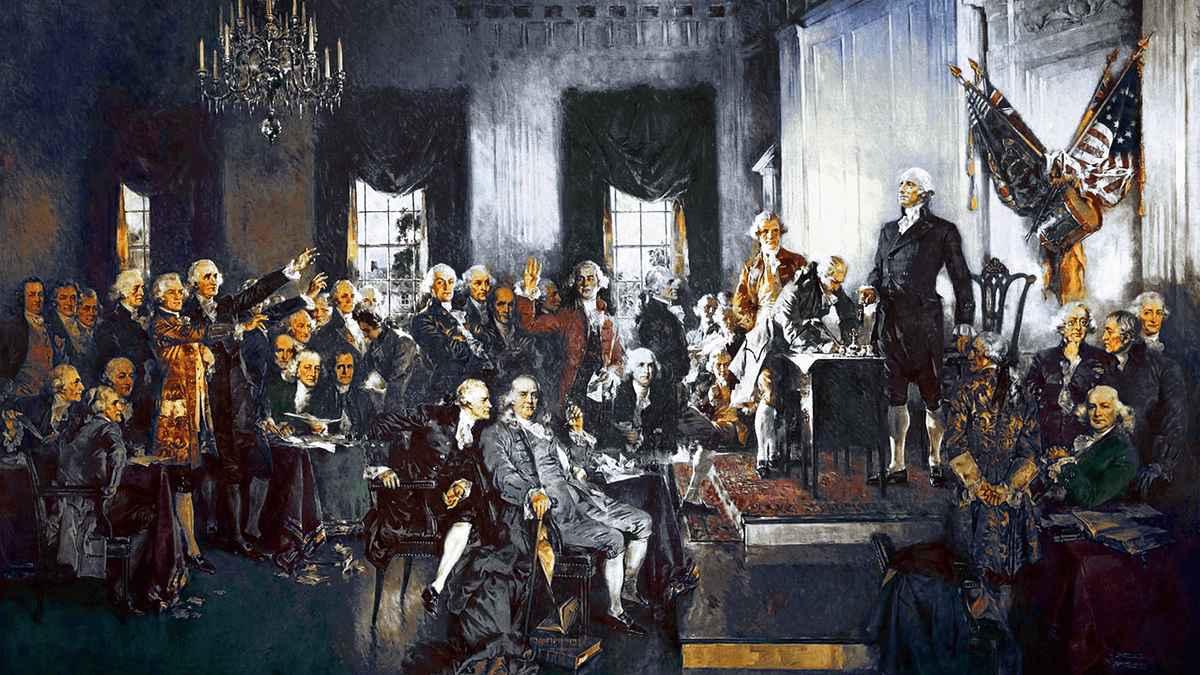
Federalists vs. Anti-Federalists: The Battle That Built the Constitution
One side feared chaos. The other feared tyranny. Together, they gave us the Constitution—and the Bill of Rights.
The First Amendment: America’s Blueprint for Freedom
The First Amendment protects freedoms of speech, religion, press, assembly, and petition. It’s the foundation of American democracy—but also a source of constant debate and interpretation.
Further Reading
Stay curious!