

The Attack on Pearl Harbor
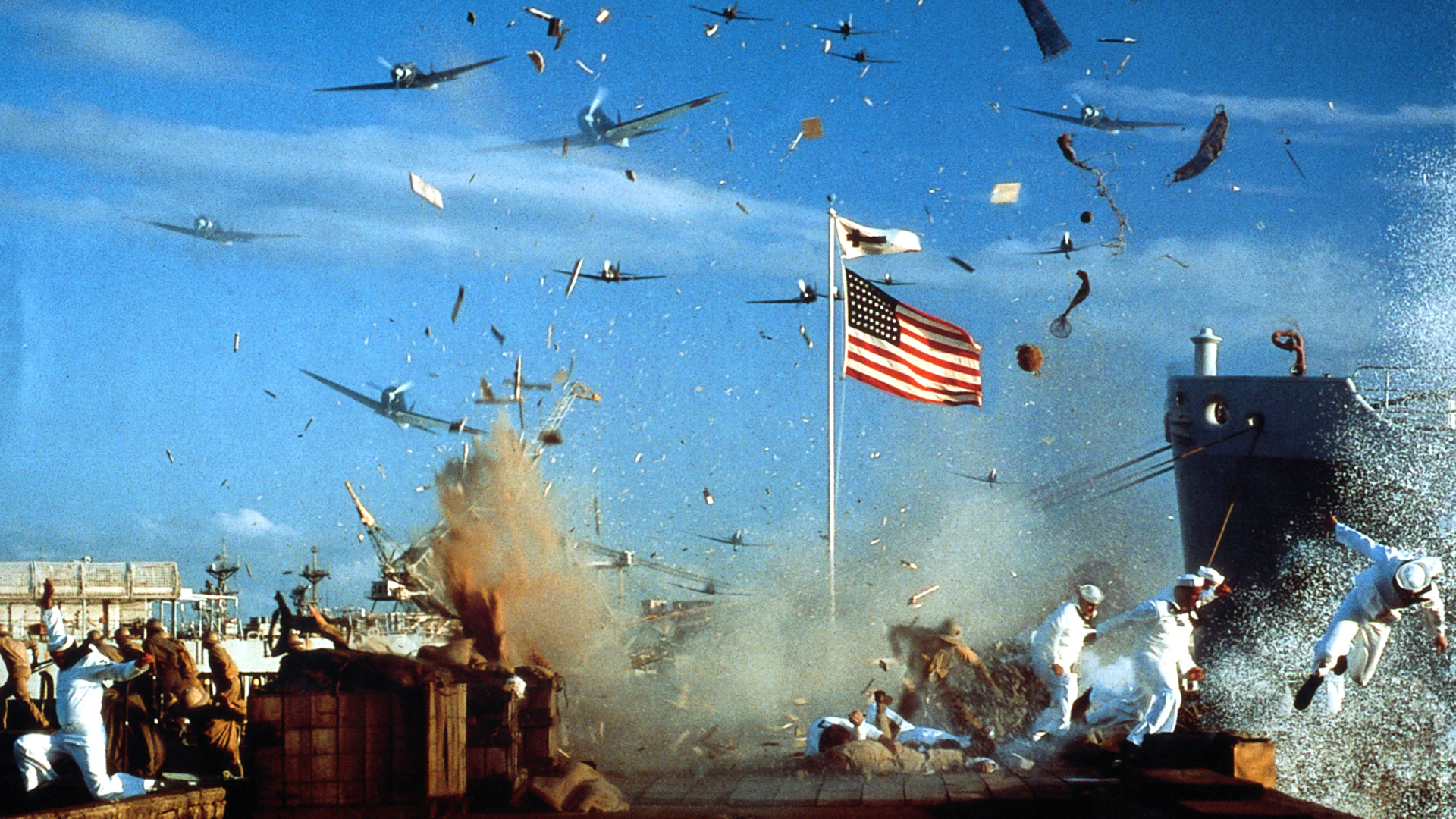
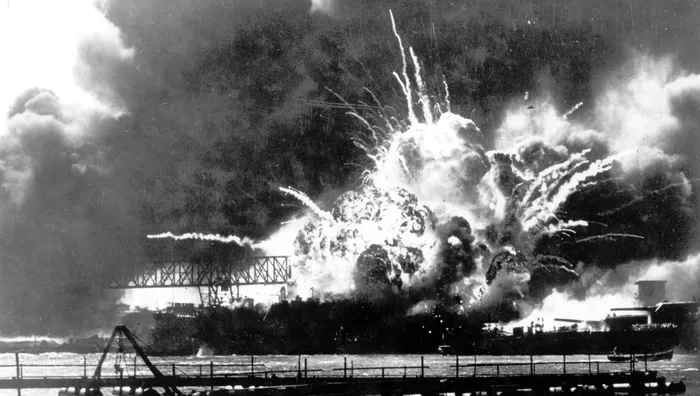
Japanese aircraft attacking the U.S. naval base at Pearl Harbor on December 7, 1941.
What Happened?
On the quiet Sunday morning of December 7, 1941, life at Pearl Harbor seemed calm and ordinary. That changed at 7:55 a.m. when Japanese aircraft suddenly appeared in the sky over the Hawaiian island of Oahu. Within moments, waves of bombers and fighters were diving toward the U.S. naval base, catching nearly everyone by surprise. The attack was designed to strike fast and hard, hoping to weaken the United States before a larger war unfolded across the Pacific.
Tensions between the United States and Japan had been growing for years as Japan expanded its control over parts of Asia. American leaders strongly disliked Japan’s actions in China and responded with trade restrictions that limited Japan’s access to vital materials such as oil. Instead of backing down, Japan chose a military path and planned a strike that it hoped would prevent the United States from interfering with further expansion.
Because American officials expected any attack to occur in places much closer to Japan, such as the Philippines or parts of Southeast Asia, Pearl Harbor wasn't prepared. Many ships were lined up closely together, and aircraft were parked wing-to-wing on the airfields. When Japanese planes arrived, they faced little resistance. Bombs and torpedoes quickly struck battleships like the USS Arizona and USS Oklahoma, causing massive explosions and tragic loss of life.
In less than two hours, the attack damaged or destroyed nearly 20 American ships and hundreds of airplanes. More than 2,400 Americans were killed and over 1,000 were wounded. Yet the Japanese attack didn't achieve everything it had planned. None of the American aircraft carriers were at the base that day, and important fuel storage and repair facilities were not hit. These resources helped the United States recover more quickly than Japan expected.
News of the attack spread across the country with shock and sadness. On December 8, President Franklin D. Roosevelt addressed Congress, calling December 7 “a date which will live in infamy.” His speech explained that the attack had been sudden and deliberate, and he asked Congress to declare war on Japan. Both the Senate and the House overwhelmingly agreed, marking the moment when the United States officially entered World War II.
The attack on Pearl Harbor united Americans in a way few events ever had. People from all backgrounds prepared to support the war effort, whether by serving in the military, working in factories, rationing supplies, or volunteering in their communities. Only one member of Congress, Representative Jeannette Rankin, voted against declaring war, staying true to her lifelong belief in nonviolence.
Pearl Harbor didn't weaken the United States in the long run. Instead, it became a turning point. Six months later, American forces won a major victory at the Battle of Midway, shifting the balance of power in the Pacific. The story of Pearl Harbor shows how quickly the world can change and how nations must be ready to respond with courage, cooperation, and determination.
Why It Matters
Today, the USS Arizona Memorial sits above the sunken battleship to honor the lives lost that day. It reminds us that history is shaped not only by battles and decisions but by the people who lived through them and the choices nations make in moments of crisis. Pearl Harbor teaches us how global conflicts can grow over time when nations clash over resources, power, and expansion. The attack showed the dangers of underestimating tensions and the importance of preparation. It also marked a moment when Americans united with purpose to defend democracy around the world. Understanding Pearl Harbor helps us see how one event can change the course of history and reminds us to pay attention to the forces that shape peace and conflict today.
?
Why did Japan believe attacking Pearl Harbor would help its plans for expansion?
What made Pearl Harbor vulnerable to a surprise attack?
Why did the attack on Pearl Harbor unite Americans so quickly?
How did the United States recover from the losses at Pearl Harbor?
What role did the attack play in shaping World War II's outcome?
How do memorials like the USS Arizona help us remember and learn from history?
Dig Deeper
Historic newsreel footage showing the devastation of the attack on Pearl Harbor as captured by the U.S. Navy.
A clear explanation of the economic and political issues that fueled rising tension between the United States and Japan.
Related
World War II & the Home Front (1941–1945)
A global war that reshaped American society—expanding opportunity, exposing injustice, and redefining the meaning of freedom at home.
World War II: Causes, Conflict, and Consequences
A global war shaped by unresolved tensions, devastating conflict, and consequences that still define our world today.
Fascism: Power, Propaganda, and the Fall of Democracy
Fascism emerged from the ruins of World War I and found its foothold in fear, nationalism, and economic despair. It promised unity, but delivered control, conformity, and catastrophe.
Further Reading
Stay curious!