

New Zealand Passes World’s First Generational Tobacco Ban
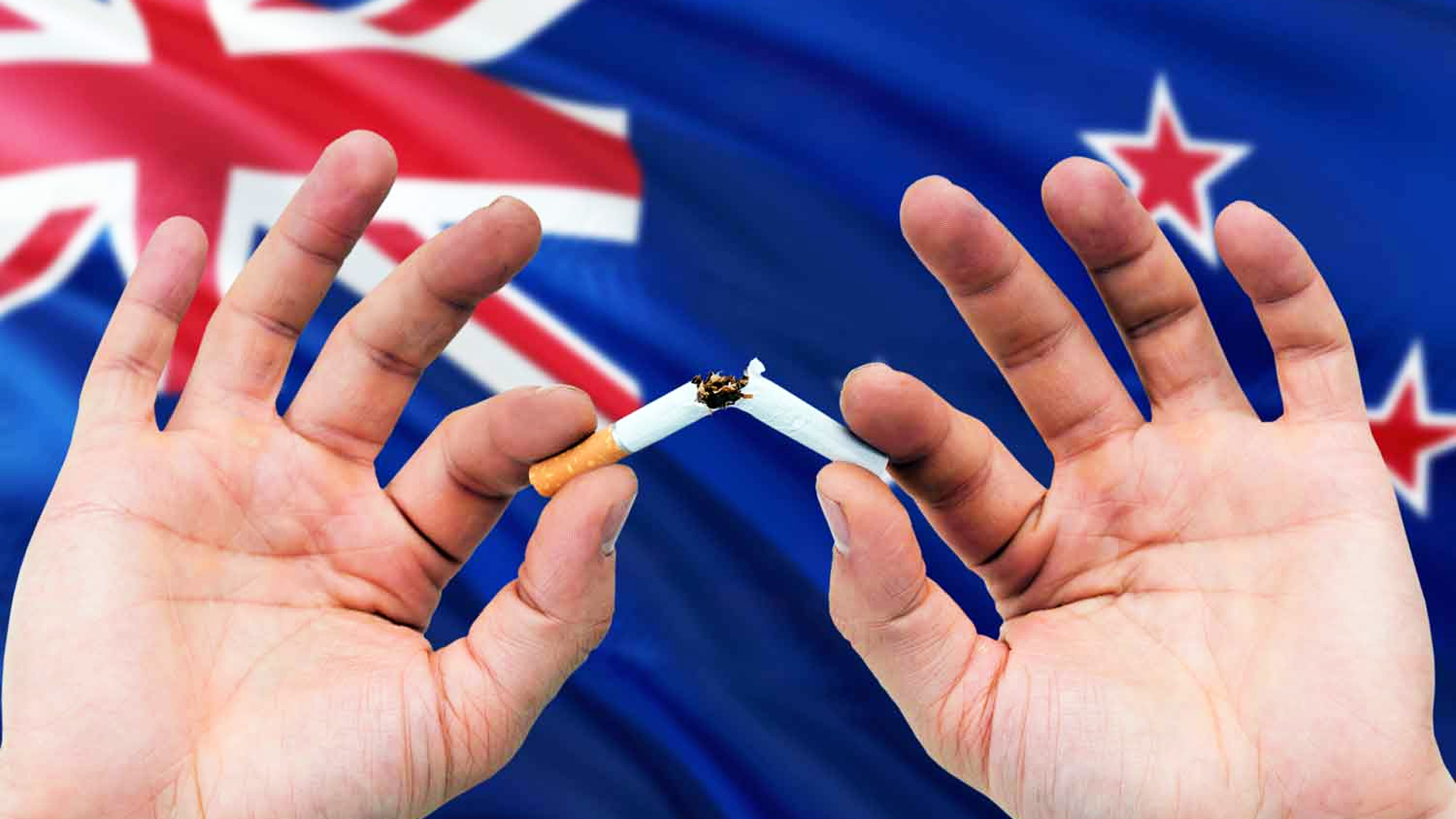
New Zealand lawmakers voting on groundbreaking tobacco legislation aimed at creating a smoke-free future generation.
What Happened?
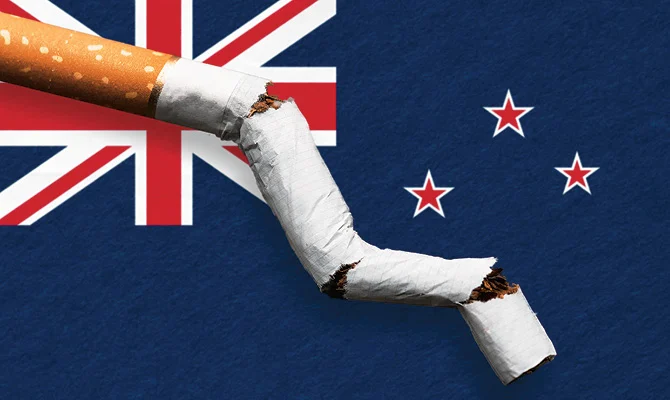
In December 2022, New Zealand took a bold step in public health by passing a law that aimed to end smoking for future generations. Instead of raising the smoking age once, the law permanently banned the sale of tobacco to anyone born on or after January 1, 2009. This meant that as time went on, fewer and fewer people would ever be legally allowed to buy cigarettes.
The law was part of New Zealand’s larger goal to become a smoke-free country by 2025. Leaders and health experts believed that preventing young people from starting to smoke was the most effective way to reduce cancer, heart disease, and other serious illnesses linked to tobacco. Smoking was already declining, and this law was meant to push those numbers even lower.
In addition to the generational ban, the law sharply reduced the number of stores allowed to sell tobacco, cutting them from about 6,000 nationwide to just 600. It also lowered the amount of nicotine allowed in cigarettes, making them less addictive. These changes were designed to make smoking less accessible and easier to quit.
Supporters of the law pointed to strong evidence that tobacco causes long-term harm and that most people who smoke begin when they are young. Health officials said the policy would save lives, reduce strain on hospitals, and especially benefit Māori and Pacific communities, which have historically faced higher smoking rates due to targeted tobacco marketing.
Not everyone agreed with the approach. Critics argued that the law restricted personal choice and could hurt small businesses. In late 2023, a newly elected government announced plans to repeal the law, saying it wanted to address smoking through different strategies instead of a permanent sales ban.
The decision to repeal the law sparked global debate. Health advocates warned that rolling back the policy could slow progress and widen health inequalities. Even though the law was short-lived, it showed the world what was possible when governments treat tobacco as a public health crisis rather than a personal habit.
New Zealand’s generational tobacco ban remains a landmark moment in global health history. It challenged countries to think differently about prevention and raised an important question: should governments act boldly to protect future generations, even when those actions are controversial?
Why It Matters
New Zealand’s tobacco ban shifted the focus of public health from punishment to prevention. By trying to stop addiction before it started, the law showed how policy can protect future generations and reduce suffering caused by preventable disease, while also revealing how difficult it can be to balance health, freedom, and politics.
?
Why do you think New Zealand chose a generational ban instead of just raising the smoking age?
How might reducing the number of tobacco stores change people’s behavior?
Why do some communities experience higher smoking rates than others?
Should governments step in to prevent harmful habits, or should that choice be left to individuals?
What lessons can other countries learn from New Zealand’s approach to tobacco control?
Dig Deeper
A clear explanation of how New Zealand planned to phase out smoking by banning tobacco sales to future generations.
An overview of the political debate and public reaction surrounding the repeal of New Zealand’s tobacco ban.
Related
The Role of Ideas in Revolutionary Change
The Role of Ideas in Revolutionary Change: How can ideas and writings change the course of history?
Identity & Experience: How Our Stories Shape Our View of the World
Our personal experiences shape how we see the world. By understanding identity and perspective, we learn how to celebrate differences, grow empathy, and make better decisions together.
Everyday Ethics: How We Decide What’s Right
Ethics isn’t just for philosophers—it shows up in everyday choices. Learn how to think through right and wrong using real-world frameworks.
Further Reading
Stay curious!