

1601: First Recorded St. Patrick’s Day Parade
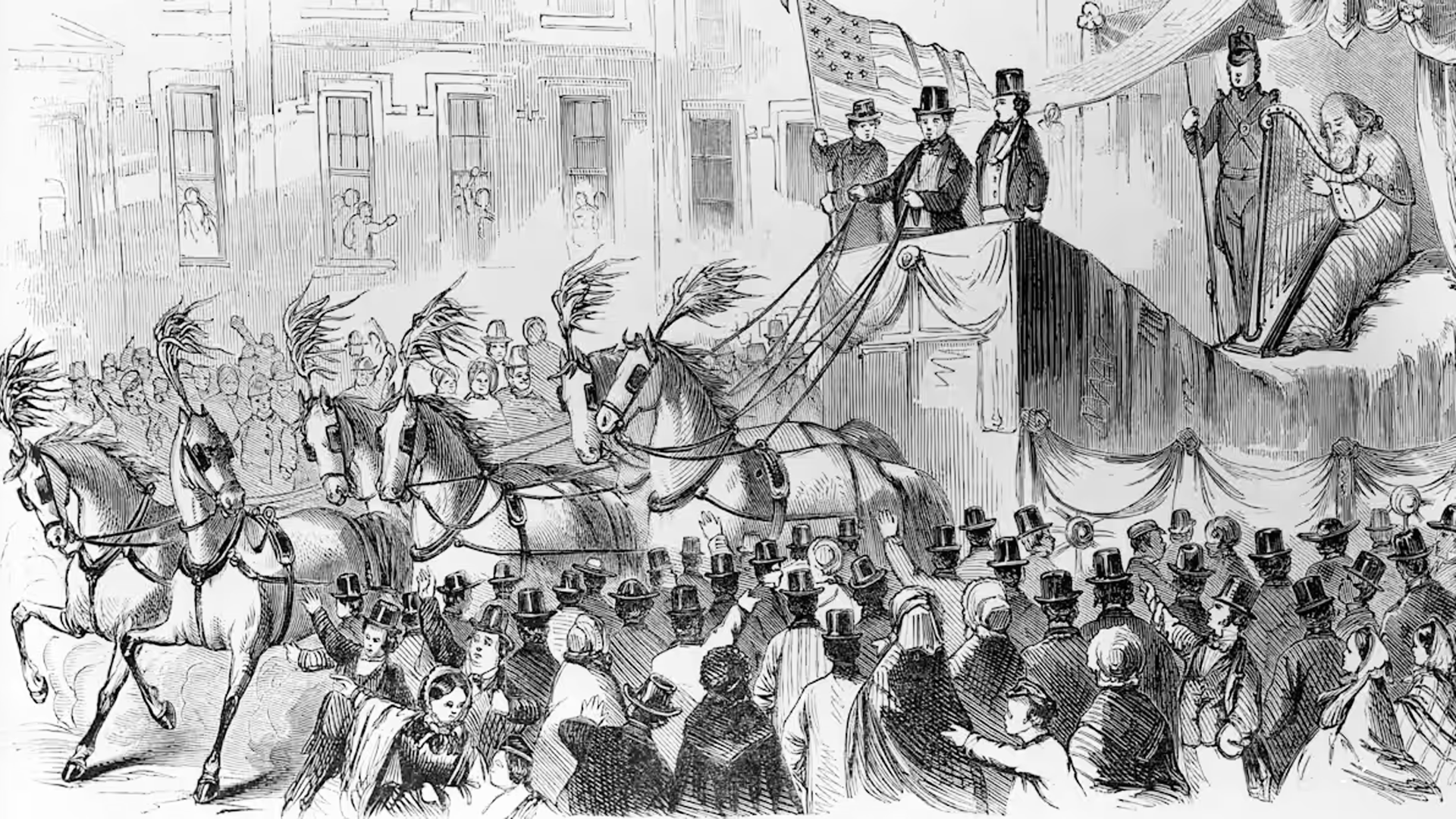
A festive early St. Patrick’s Day parade in the Spanish colonial settlement of St. Augustine, Florida.
What Happened?
St. Patrick’s Day is one of the most widely celebrated cultural holidays in the world, recognized each year on March 17. At first glance, it might seem like a day filled with green clothes, parades, and festive foods—but its story is much deeper. What began as a religious feast day honoring a Christian missionary has transformed into a global celebration of Irish identity, history, and resilience. To truly understand St. Patrick’s Day, we have to look past the popular images and explore the real history behind the holiday—and the myths that have grown around it.
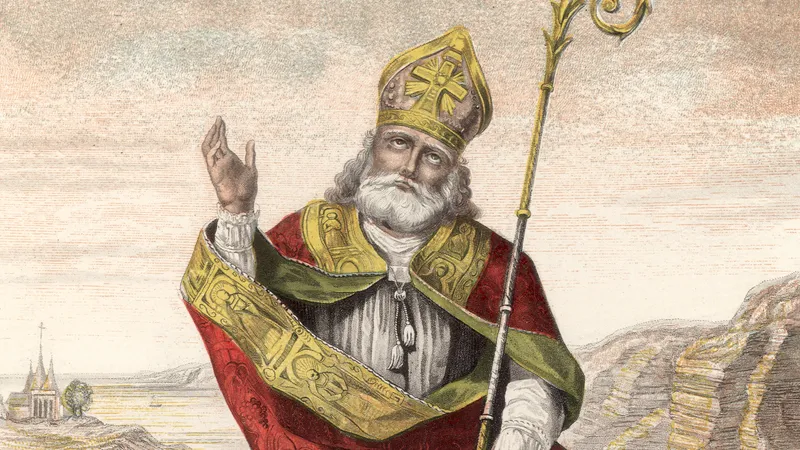
The holiday honors St. Patrick, the patron saint of Ireland, who lived during the fifth century. Contrary to what many people believe, St. Patrick was not actually Irish. He was born in Roman Britain, likely somewhere in what is now England, Scotland, or Wales. As a teenager, he was kidnapped by Irish raiders and taken to Ireland as a slave. After six years, he escaped—but later chose to return as a missionary. Over time, he became one of the most influential figures in spreading Christianity across Ireland. By the time of his death, believed to be March 17, 461, his impact on Irish religious life was profound. Over time, stories about his life grew, blending history with legend.
One of the most famous legends claims that St. Patrick drove all the snakes out of Ireland. It’s a powerful image—but it’s not historically true. There is no evidence that snakes ever lived in Ireland after the last Ice Age. The story is most likely symbolic, representing the spread of Christianity and the decline of older belief systems. This pattern—mixing fact and myth—appears again and again in the history of St. Patrick’s Day. Another common misunderstanding is that the holiday’s lively traditions, like parades and parties, began in Ireland. In reality, for centuries, March 17 in Ireland was a quiet, religious day focused on church and reflection, not celebration.
The turning point came in North America. On March 17, 1601, residents of St. Augustine, Florida, held what historians recognize as the first recorded St. Patrick’s Day parade. At the time, St. Augustine was a Spanish colonial settlement, not part of the future United States, and the celebration was organized under the direction of Ricardo Artur, an Irish vicar serving the colony. This is the first recorded St. Patrick’s Day parade in history. More than a century later, Irish soldiers and immigrants continued the tradition in cities like Boston and New York. These early parades were not just celebrations—they were expressions of identity. Irish immigrants, many of whom faced discrimination and hardship, used St. Patrick’s Day to show pride in their heritage and unity in their communities.
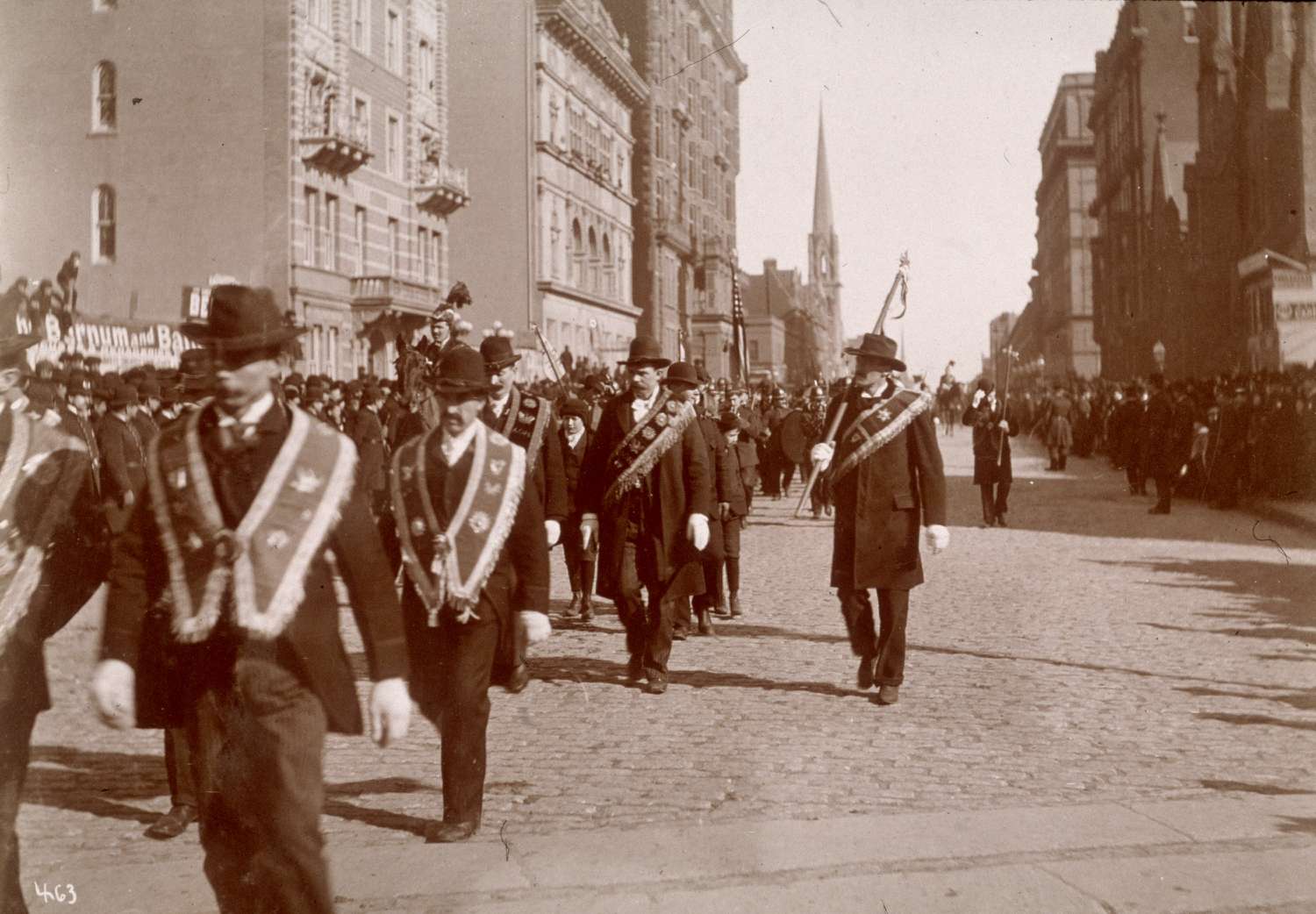
As more Irish people settled in North America, St. Patrick’s Day became a way to hold onto heritage in unfamiliar places. Later celebrations in Boston, New York, and other cities were often led by Irish soldiers, workers, immigrants, and mutual-aid societies. These events weren't just cheerful gatherings. They were also public statements that Irish people belonged, mattered, and would not hide their culture even when facing prejudice. In this sense, the parade became more than a celebration, it became a declaration of identity.
During the 1800s, especially after the Great Potato Famine forced many poor Irish immigrants to leave Ireland, St. Patrick’s Day grew into a major public event in the United States. Irish immigrants often faced anti-Catholic hostility, mockery, and discrimination, but parades gave them visibility and political strength. Marching together in public showed their numbers, pride, and growing influence. Over time, these celebrations helped Irish Americans build community networks, gain political power, and reshape how America understood Irish identity.
Many customs now seen as timeless St. Patrick’s Day traditions were actually shaped in America. Large parades, corned beef and cabbage, and city-wide public celebrations grew popular in the United States before they became common in Ireland. Even the global image of St. Patrick’s Day as a lively cultural festival owes a great deal to Irish communities in North America. What began as a feast day honoring a saint expanded into a broader celebration of Irish history, migration, resilience, and belonging.
Why It Matters
Today St. Patrick’s Day is celebrated in cities all around the world, with massive parades in places like New York, Boston, Chicago, and Dublin. What began as a religious feast day honoring Ireland’s patron saint—and, in North America, as a small colonial parade—grew over time into a global celebration of Irish culture, history, and community. The first recorded St. Patrick’s Day parade reminds us that culture isn't fixed—it moves, grows, and adapts. When people celebrate St. Patrick’s Day today, they aren't just honoring a historical figure—they're participating in a story about migration, identity, and belonging. It’s a reminder that holidays are more than just celebrations. They're living histories, shaped by the people who carry them forward.
?
Why is it surprising that the first recorded St. Patrick’s Day parade happened in Florida instead of Ireland?
How did St. Patrick’s Day change as Irish traditions spread across North America?
Why were public parades important for Irish immigrants in the United States?
How can holidays and festivals help people preserve their culture in a new country?
What does the story of St. Patrick’s Day teach us about the way traditions evolve over time?
Dig Deeper
A quick overview of St. Patrick’s Day, its history, and how the holiday developed over time.
This video explores how a religious feast day from Ireland became a worldwide cultural celebration.
Related
The First Great Awakening: Faith, Fire, and a New American Identity
Long before the Revolution, a different kind of rebellion was stirring, one in the soul. The First Great Awakening reshaped American religion and helped plant the seeds of self-government and democratic identity.
The Encomienda System: Empire, Labor, and the Roots of Colonial Slavery
The encomienda system promised 'protection' and Christianization. What it delivered was forced labor, cultural erasure, and the blueprint for slavery in the Americas.
Why the United States Entered World War I
In 1917, after years of neutrality, the United States entered World War I—reshaping global politics and transforming life at home.
Further Reading
Stay curious!