

Don Quixote Is Published
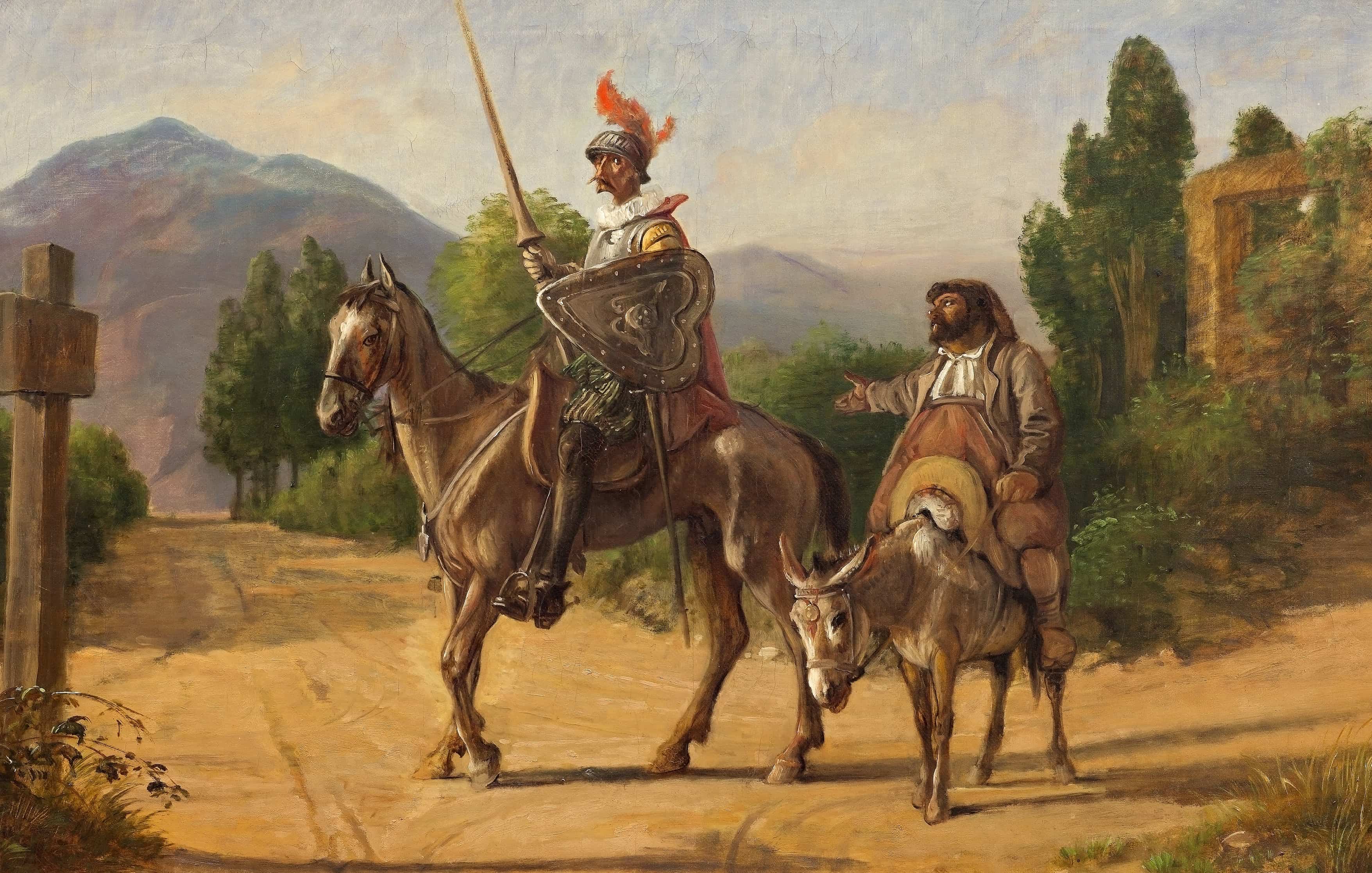
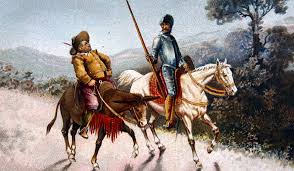
Illustration of Don Quixote charging at windmills, a famous scene from the novel
What Happened?
In 1605, Spanish writer Miguel de Cervantes published Don Quixote, a book that is often called the first modern novel. Unlike earlier stories about perfect heroes, this novel focused on flawed, complex characters who felt more like real people.
The story follows Alonso Quixano, a minor nobleman who reads so many stories about knights that he begins to believe he is one himself. Renaming himself Don Quixote, he sets off on imaginary adventures, mistaking ordinary objects—like windmills—for dangerous giants.
Traveling with him is Sancho Panza, a practical farmer who serves as his squire. While Don Quixote lives in a world of dreams and ideals, Sancho represents common sense, and their friendship shows how imagination and reality often clash but also influence each other.
Cervantes wrote the novel as a parody of popular knight stories, gently mocking their unrealistic ideas while still showing respect for the human desire to dream big and live with purpose.
The book was immediately popular and quickly spread across Europe and beyond, even though Cervantes himself earned little money from it. Over time, Don Quixote became one of the most translated and studied books in history.
Many ideas and expressions from the novel entered everyday language, including the phrase "tilting at windmills," which means fighting imaginary problems, and the word "quixotic," used to describe someone who is idealistic in unrealistic ways.
More than 400 years later, Don Quixote is still relevant because it asks timeless questions about reality, imagination, and identity, reminding readers that how we see the world can be just as important as the world itself.
Why It Matters
Don Quixote changed storytelling forever and challenged readers to think about the line between dreams and reality. It shows how imagination can inspire kindness and courage, while also warning us about losing touch with the world around us.
?
Why do you think Don Quixote believes so strongly in his imagined adventures?
How do Don Quixote and Sancho Panza balance each other as characters?
What does the novel suggest about the power and danger of imagination?
Why do you think this story is still read more than 400 years later?
Can dreaming big ever be both helpful and harmful at the same time?
Dig Deeper
An engaging explanation of why Don Quixote remains one of the most beloved and influential novels in history.
A kid-friendly animated summary that introduces the characters and themes of Cervantes’ masterpiece.
Related
Joint-Stock Companies: Capitalism, Colonization, and Risk
Without joint-stock companies, there might be no Jamestown, no thirteen colonies—and no United States. These early capitalist ventures let investors fund risky New World settlements without bankrupting the Crown.
The Encomienda System: Empire, Labor, and the Roots of Colonial Slavery
The encomienda system promised 'protection' and Christianization. What it delivered was forced labor, cultural erasure, and the blueprint for slavery in the Americas.
The French and Indian War: The Battle for North America
Before the American Revolution, another great war reshaped North America—the French and Indian War. It began as a fight over land and power, but ended up changing the map of the world and planting the seeds of independence.
Further Reading
Stay curious!