

Continental Congress Publishes the Tory Act
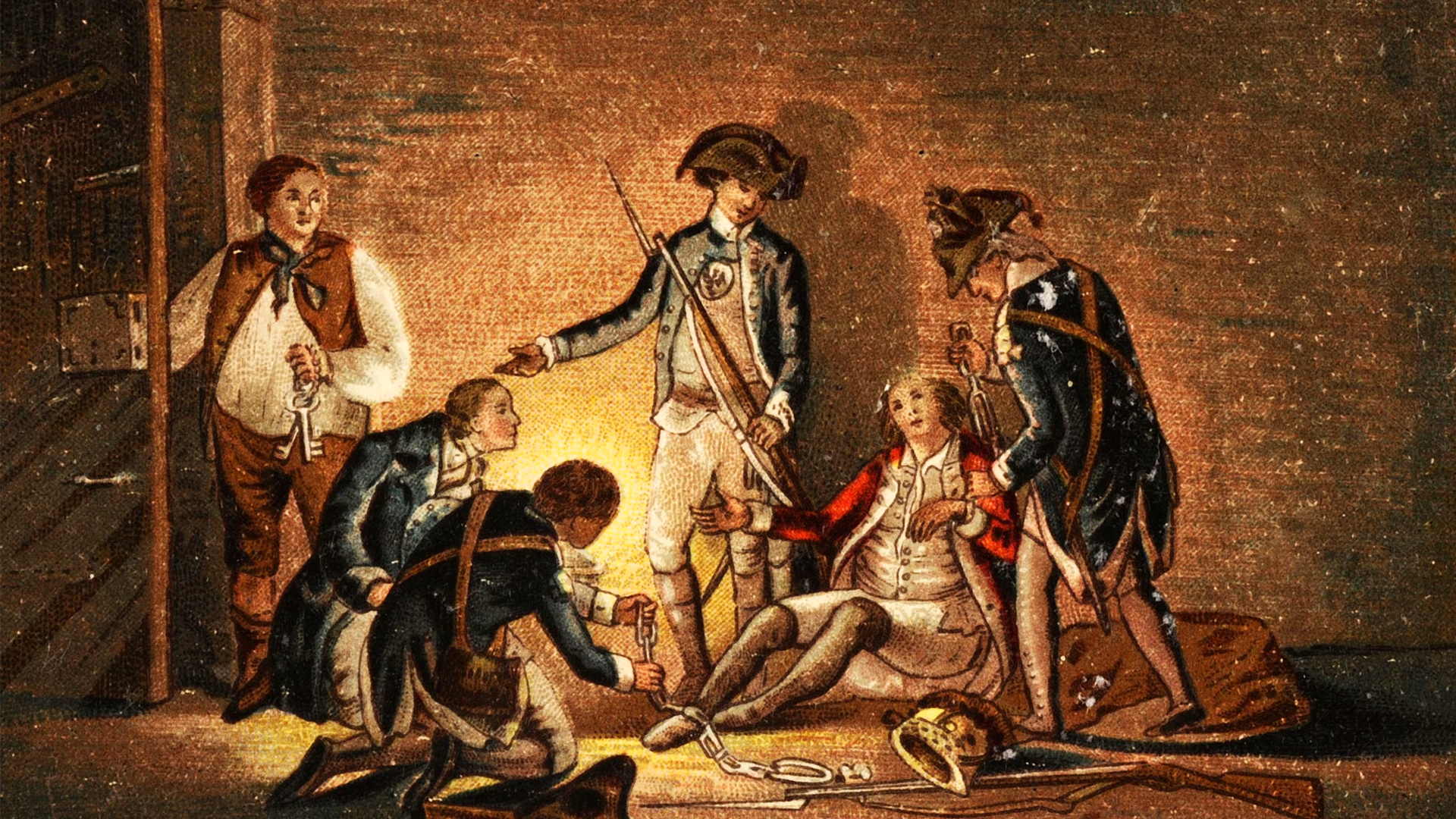
The Tory Act revealed that the American Revolution wasn't only a fight against Britain, but also a deep conflict among colonists themselves.
What Happened?
By 1776, tensions in the American colonies had reached a breaking point. Armed conflict with Great Britain had already begun, but many colonists still remained loyal to King George III. On January 2, 1776, the Continental Congress published a set of resolutions known as the Tory Act, which explained how the American colonies should deal with colonists who remained loyal to Great Britain and King George. These loyalists, often called Tories, lived among their Patriot neighbors at a time when the colonies were moving closer to full rebellion.
Congress believed that not all Loyalists were enemies. Some were described as "honest and well-meaning, but uninformed" people who had been misled by British officials. For these colonists, Congress encouraged education rather than punishment, urging local committees to explain why the colonies believed their rights and liberties were being threatened by British rule.
However, the tone changed sharply when Congress addressed Loyalists who actively supported British authority or worked against the Patriot cause. These individuals were seen as dangerous to the struggle for independence. Congress recommended that such Loyalists be disarmed, closely watched, or even held in custody to prevent them from helping Britain during the war.
The Tory Act shows that the American Revolution wasn't only a war against Britain but also a civil conflict among colonists themselves. Patriots were now willing to take action against fellow Americans, revealing how deeply divided colonial society had become by early 1776.
As pressure against Loyalists increased, many chose to flee rather than face punishment, property loss, or forced loyalty oaths. During the Revolution, tens of thousands of Loyalists, along with thousands of enslaved people seeking freedom under British protection, left the colonies. Many resettled in Canada, helping shape its population and identity.
The resolutions also warned that retaliation might be used if British forces continued acts of violence, though Congress insisted that humanity and restraint should guide Patriot actions. This tension between ideals of liberty and the realities of war highlighted the moral challenges facing the revolutionary cause.
The Tory Act was an important step toward independence. Issued months before the Declaration of Independence, it showed that Congress was already acting like a national government, asserting authority, suppressing internal opposition, and preparing the colonies for a complete break from British rule.
Why It Matters
The Tory Act highlights the American Revolution as a civil war as well as a struggle for independence. It shows how revolutions can divide communities, force difficult choices, and challenge ideas about freedom, loyalty, and justice. Understanding this moment helps explain why independence came at such a high human and social cost.
?
Why did some American colonists remain loyal to Great Britain during the Revolution?
How did the Continental Congress decide to treat different kinds of Loyalists?
Why did the Tory Act turn the American Revolution into a kind of civil war?
What risks did Loyalists face if they stayed in the colonies?
How did forcing people to choose sides change colonial communities?
Why might a revolutionary movement feel threatened by internal dissent?
Dig Deeper
Explores why many colonists chose different sides during the American Revolution.
Related
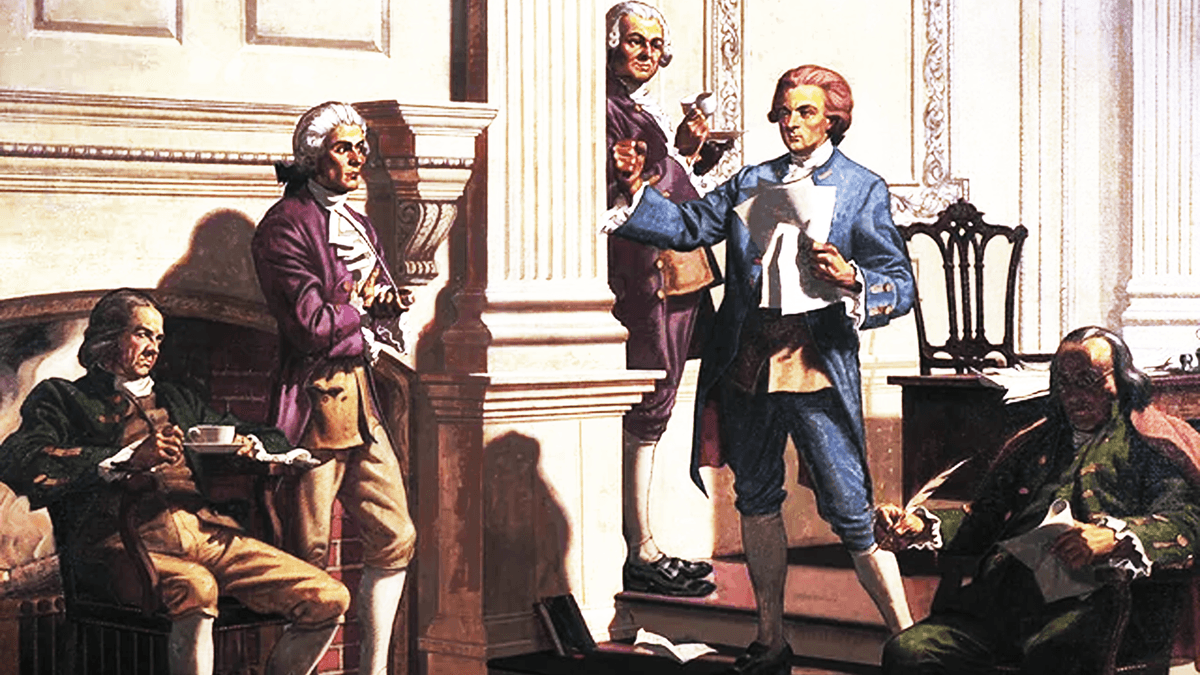
Halifax Resolves and the Road to Revolution
How North Carolina went from protest to the first official call for full independence from Britain.
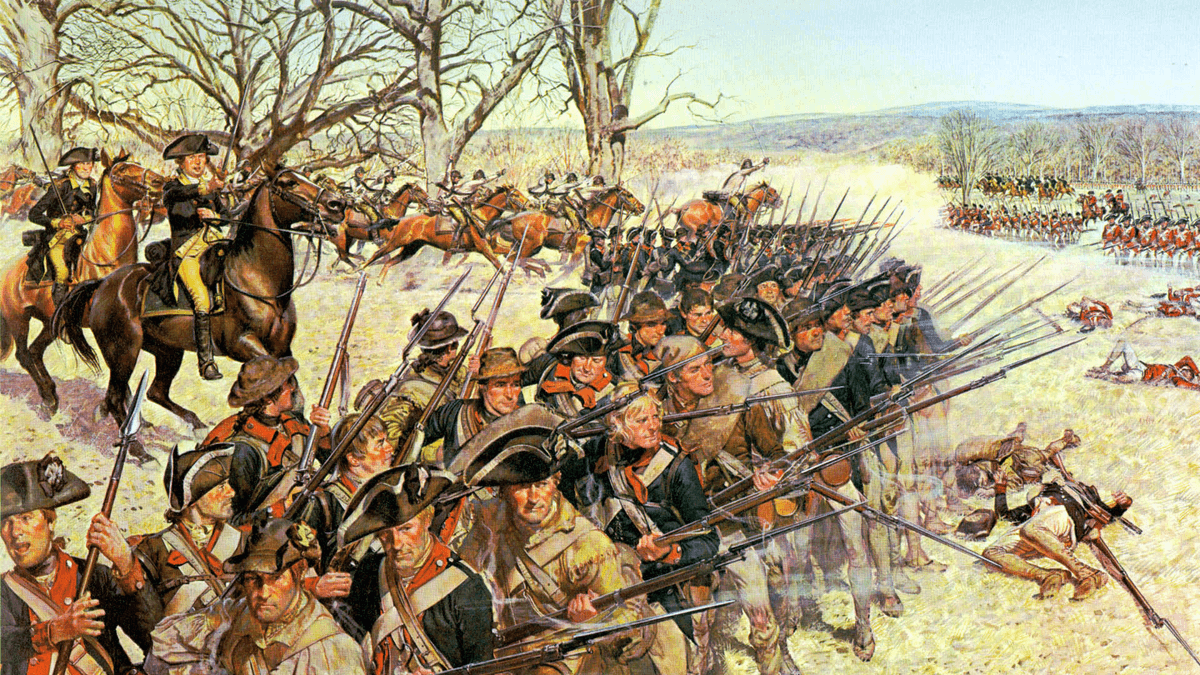
The American Revolution: Liberty, Loyalty, and North Carolina’s Role
The fight for independence wasn’t just fought in Boston and Philadelphia—it reached the farms, rivers, and hearts of North Carolina. Learn how the war unfolded, who fought, and why freedom remained a promise still waiting to be fulfilled for many.
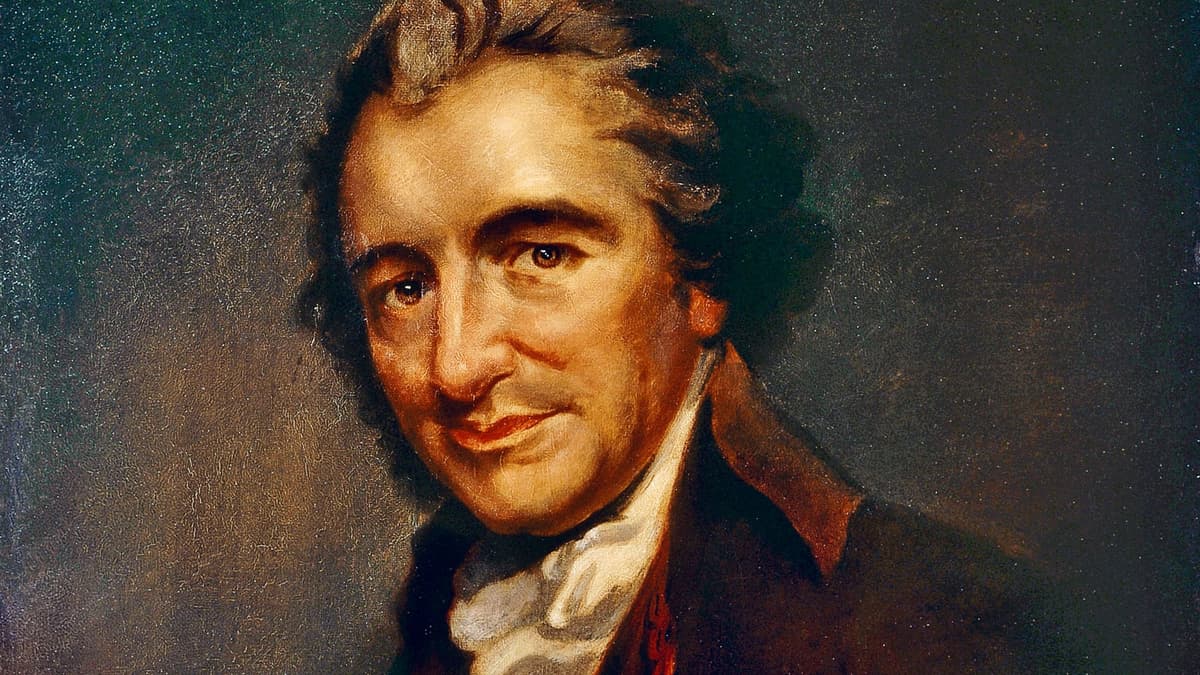
The Role of Ideas in Revolutionary Change
The Role of Ideas in Revolutionary Change: How can ideas and writings change the course of history?
Further Reading

Stay curious!