

Continental Congress Ratifies the Treaty of Paris
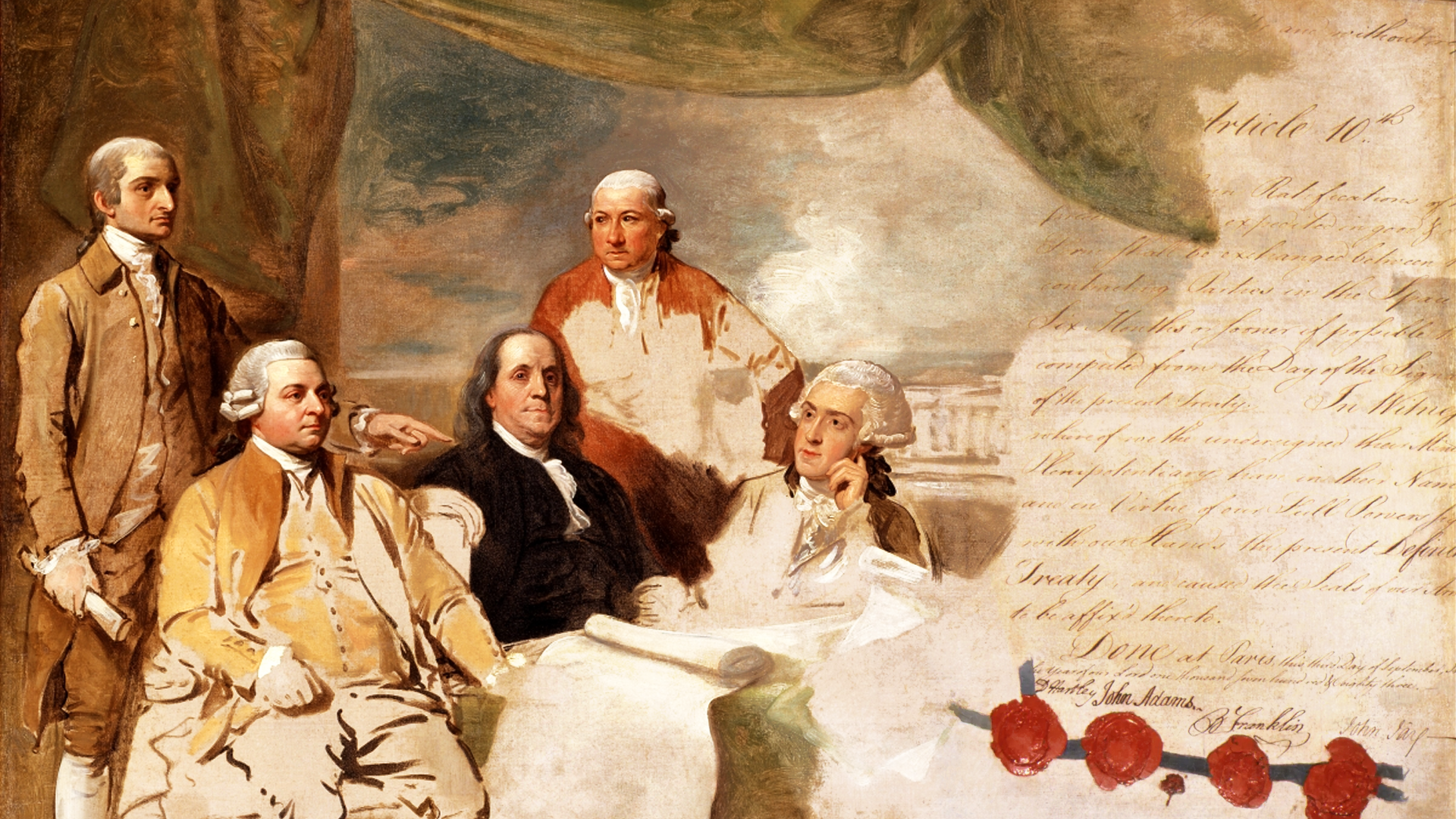
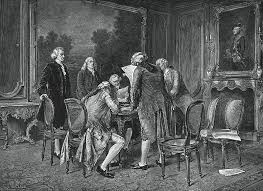
Signing of the Treaty of Paris ending the American Revolutionary War
What Happened?
The ratification of the Treaty of Paris marked the official end of the American Revolution. Although fighting had largely stopped after the American victory at Yorktown in 1781, independence was not legally secured until Great Britain formally recognized the United States as a sovereign nation.
The treaty was the result of long and careful negotiations led by American diplomats Benjamin Franklin, John Adams, and John Jay. They insisted that Britain recognize American independence before any other terms could be agreed upon, a demand that showed how determined the new nation was to stand on equal footing with world powers.
One of the most important outcomes of the treaty was the dramatic expansion of U.S. territory. Britain agreed to borders that stretched west to the Mississippi River, effectively doubling the size of the new nation and opening the door to westward settlement and future conflict over land.
The treaty also addressed practical issues left behind by the war. It guaranteed fishing rights for American fishermen, access to the Mississippi River, and the release of prisoners of war. It attempted to resolve debts and property disputes, though many of these promises proved difficult to enforce in the years that followed.
Even with peace secured, the new United States faced serious challenges. Economic hardship, unpaid debts, and disputes between states revealed weaknesses in the Articles of Confederation. Events like Shays’ Rebellion showed that independence alone did not guarantee stability or effective self-government.
The Treaty of Paris did more than end a war—it forced Americans to confront what it truly meant to govern themselves. The responsibilities of diplomacy, law, and national unity now belonged entirely to the people and leaders of the United States.
By ratifying the treaty, the Continental Congress signaled the beginning of a new chapter. The revolution had been won on the battlefield, but the harder work of building a functioning democracy was only just beginning.
Why It Matters
The Treaty of Paris turned revolutionary ideals into a legal reality. Independence was no longer just a declaration, it was recognized by the world. The treaty reminds us that freedom requires not only courage in conflict, but cooperation, compromise, and strong institutions to sustain it.
?
Why was it important for Britain to officially recognize U.S. independence?
How did the new borders shape the future of the United States?
Why did problems continue even after the war officially ended?
What challenges come with winning independence but lacking a strong government?
How did the Treaty of Paris help push Americans toward creating the Constitution?
Dig Deeper
A detailed look at how the Treaty of Paris ended the American Revolution and shaped the early United States.
Related
Halifax Resolves and the Road to Revolution
How North Carolina went from protest to the first official call for full independence from Britain.
The Role of Ideas in Revolutionary Change
The Role of Ideas in Revolutionary Change: How can ideas and writings change the course of history?
American Revolutionary War: From Protest to a New Nation
How arguments over taxes and rights grew into an eight-year war—and how ideas, allies, and perseverance turned thirteen colonies into the United States.
Further Reading
Stay curious!